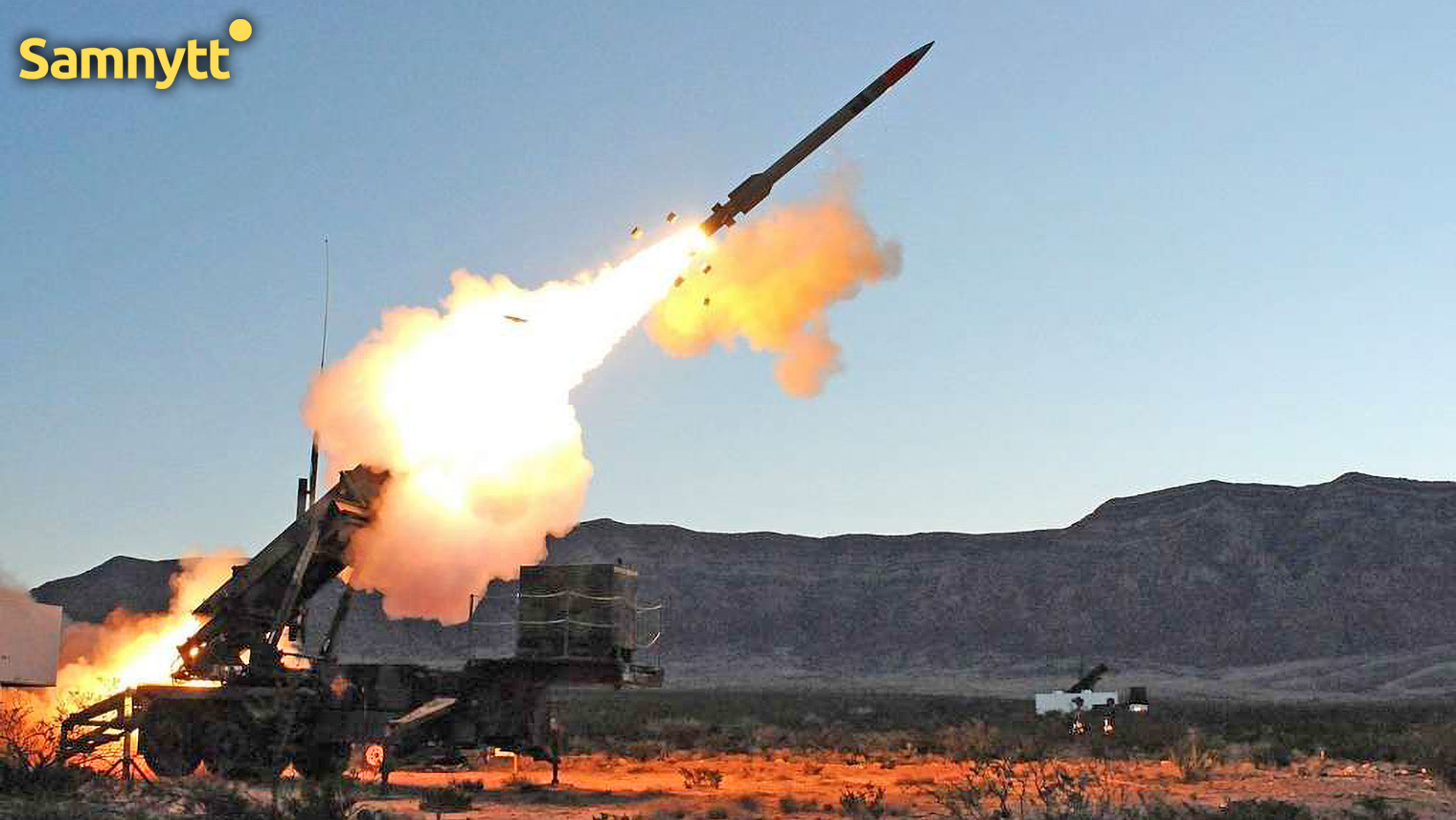
Ukraine’s stockpile of air defense missiles is shrinking rapidly as Russia steps up its missile attacks. NATO is now working to expedite new deliveries, while the EU is presenting another multi-billion euro aid package for Kyiv. The question remains, however, where the air defense systems will come from—and who will ultimately foot the bill.
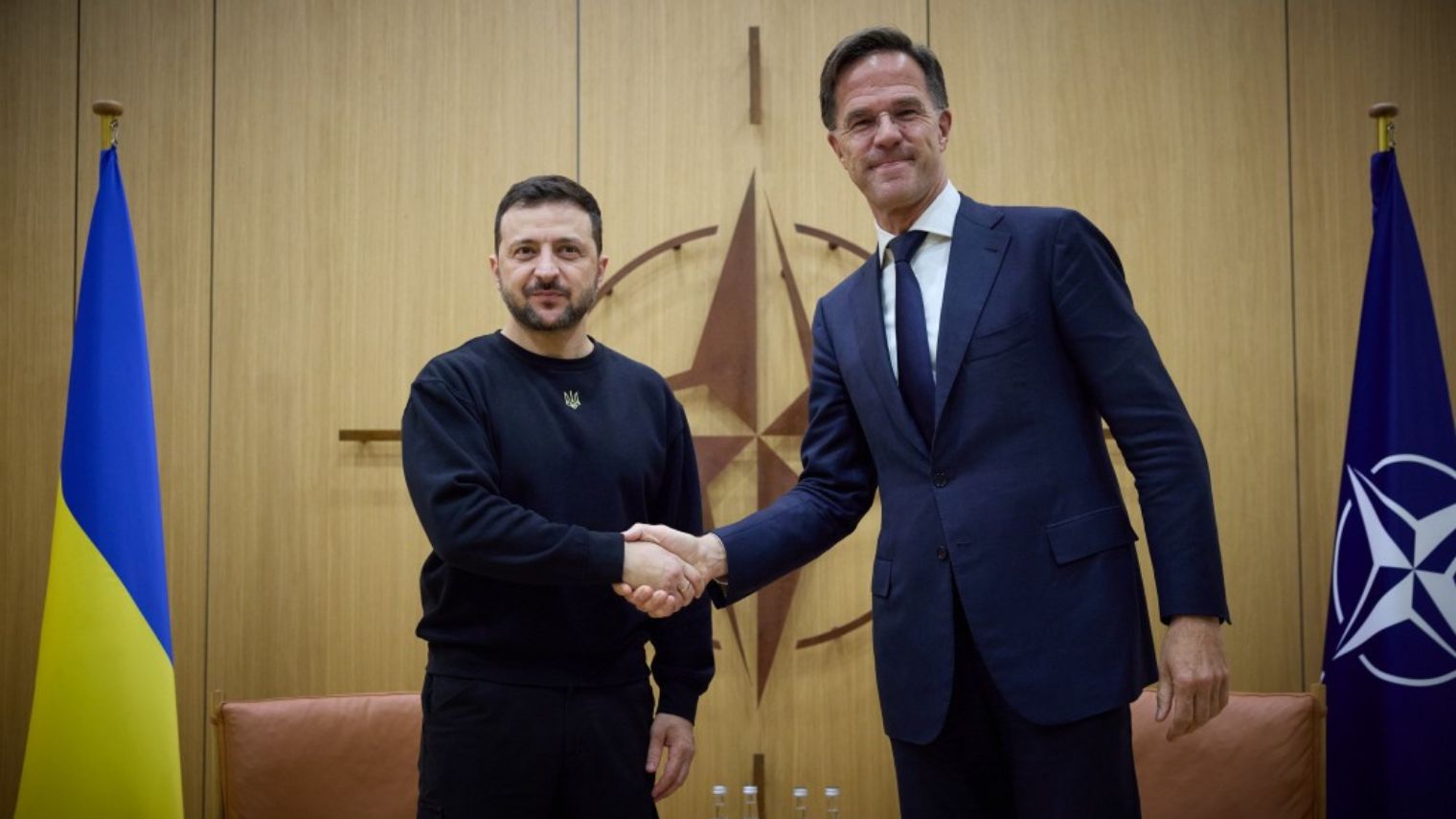
NATO is working to give Ukraine the air defense the country “urgently needs“, according to Secretary General Mark Rutte after a meeting with Ukraine’s President Volodymyr Zelenskyy.
The background is that Ukraine, according to its own reports, failed to shoot down any of the 24 ballistic missiles that Russia fired during a large-scale attack this week. At the same time, Ukraine’s air force claims that 98 of 115 drones could be intercepted, highlighting the particular shortage of missiles capable of stopping ballistic missiles.
Zelenskyy says that air defense missile deliveries from the West during the first half of 2026 have fallen to about a third compared to the previous year. He also warns that Russia is trying to increase its production of ballistic missiles ahead of the winter, when new attacks on Ukraine’s energy infrastructure are expected.
Patriot Systems Are Not Enough
The American Patriot systems are currently the only air defense systems Ukraine uses that can counter several of Russia’s most advanced ballistic missiles.
The shortage, according to several analysts, has worsened since the conflict in the Middle East, where large quantities of Patriot missiles have been used. Even though production is now being ramped up, it will take several years before manufacturing capacity can meet the increased demand.
Meanwhile, the plans to let Ukraine produce its own Patriot missiles remain uncertain and, even if realized, are expected to take several years to implement.
Where Will the Systems Come From?
NATO has yet to present a concrete solution as to how Ukraine’s urgent needs will be met. Because production cannot be ramped up fast enough, in practice, only the redistribution of existing stockpiles remains.
This means that air defense systems and missiles will likely have to be taken from the USA or from European NATO countries that already have these systems in service. In such cases, this would mean that countries in Europe temporarily reduce their own stockpiles to bolster Ukraine’s defense.
EU Disburses New Billions in Taxpayer Money
In parallel with NATO’s efforts, the EU Commission announces that another €3.47 billion is being paid out to Ukraine under the union’s new support package.
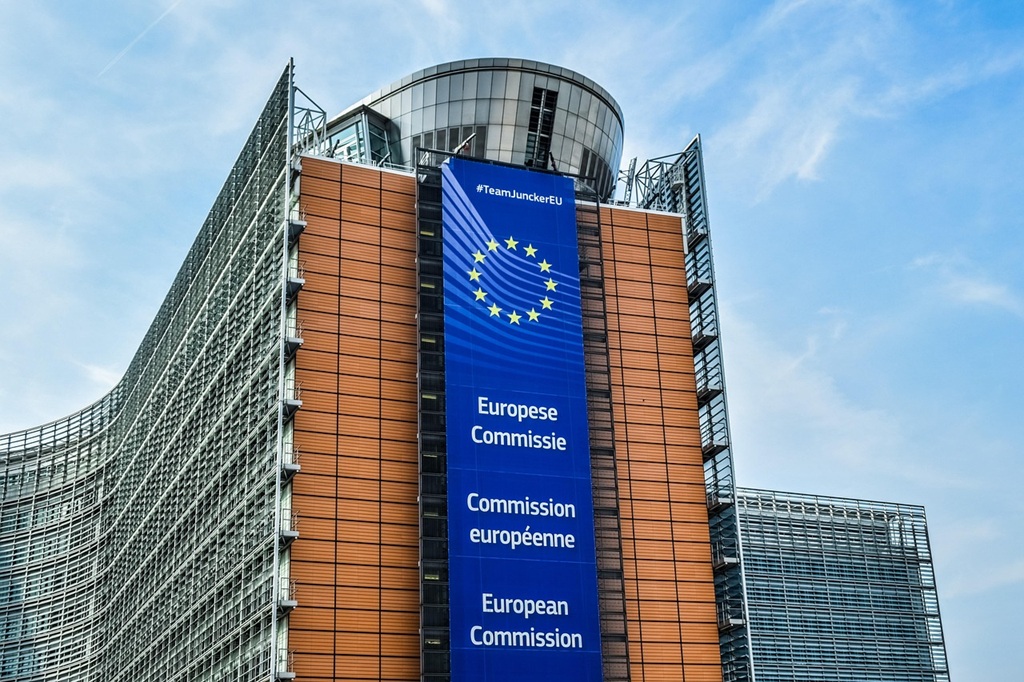
The money will be used for, among other things, drones, missiles, air defense, and Gripen fighter jets. For 2026, the EU plans to allocate a total of €28.3 billion to strengthen Ukraine’s defense industry, while the entire aid package amounts to €90 billion.
EU Commission President Ursula von der Leyen describes the initiative as a way to protect Ukrainian airspace while also linking together Europe’s and Ukraine’s defense industries.
Funding With Frozen Russian Assets Raises Questions
The EU simultaneously emphasizes that part of the support is financed through returns on immobilized Russian state assets. Since the war began, the union says that about €3.8 billion from such assets has been used to support Ukraine.
However, what the long-term legal handling will look like is still under discussion. Several lawyers and analysts have previously pointed out that the use of frozen Russian assets could become subject to legal review once the war is over.
If future courts were to rule that Russia is entitled to financial compensation, this could ultimately mean that European states or the EU would have to bear costs currently described as financed by Russian assets. No such outcome has been determined, however, and the legal issue remains disputed.