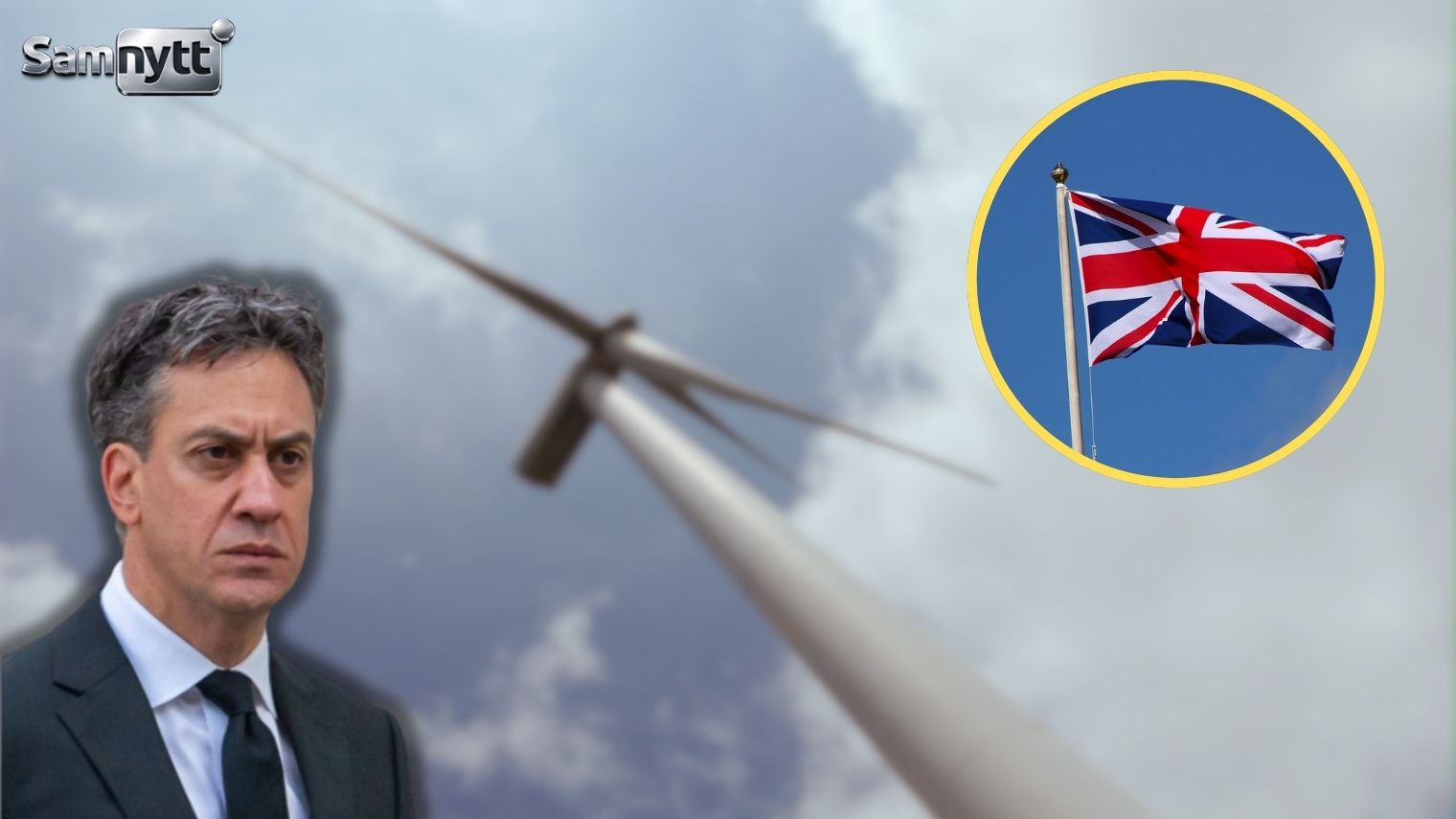
The British government’s major investment in wind and solar energy is facing growing criticism following reports that internal analyses point to significant environmental problems associated with the technology. At the same time, Energy Minister Ed Miliband is accused of double standards as his own home lacks the solutions he wants to see among the public.
The current debate centers on the UK’s aggressive push for green energy and the goal of rapidly reducing the country’s dependence on fossil fuels. In recent years, the government has presented plans for more wind turbines, larger solar parks, and extensive expansion of the electricity grid. Publicly, these projects are described as crucial for the climate and energy supply, but behind the scenes officials are said to have voiced concerns about the consequences for the environment and landscape.
According to reports, the government privately admits that wind turbines and large solar panel installations may cause significant impacts on nature. The criticism concerns, among other things, how large areas of land are altered, how wildlife is affected, and how the landscape is permanently changed. Opponents argue that the government plays down these problems when marketing the projects to the public.
SEE ALSO: Municipalities Abandon Wind Power after Failure – Trying to Sell Off
Wind power in particular has become a symbolic issue in several parts of the country. Residents in areas where new installations are planned have protested against noise, altered views, and impacts on local communities. Critics say people are expected to accept large industrial projects near their homes, while decisions are increasingly being moved away from local authorities.
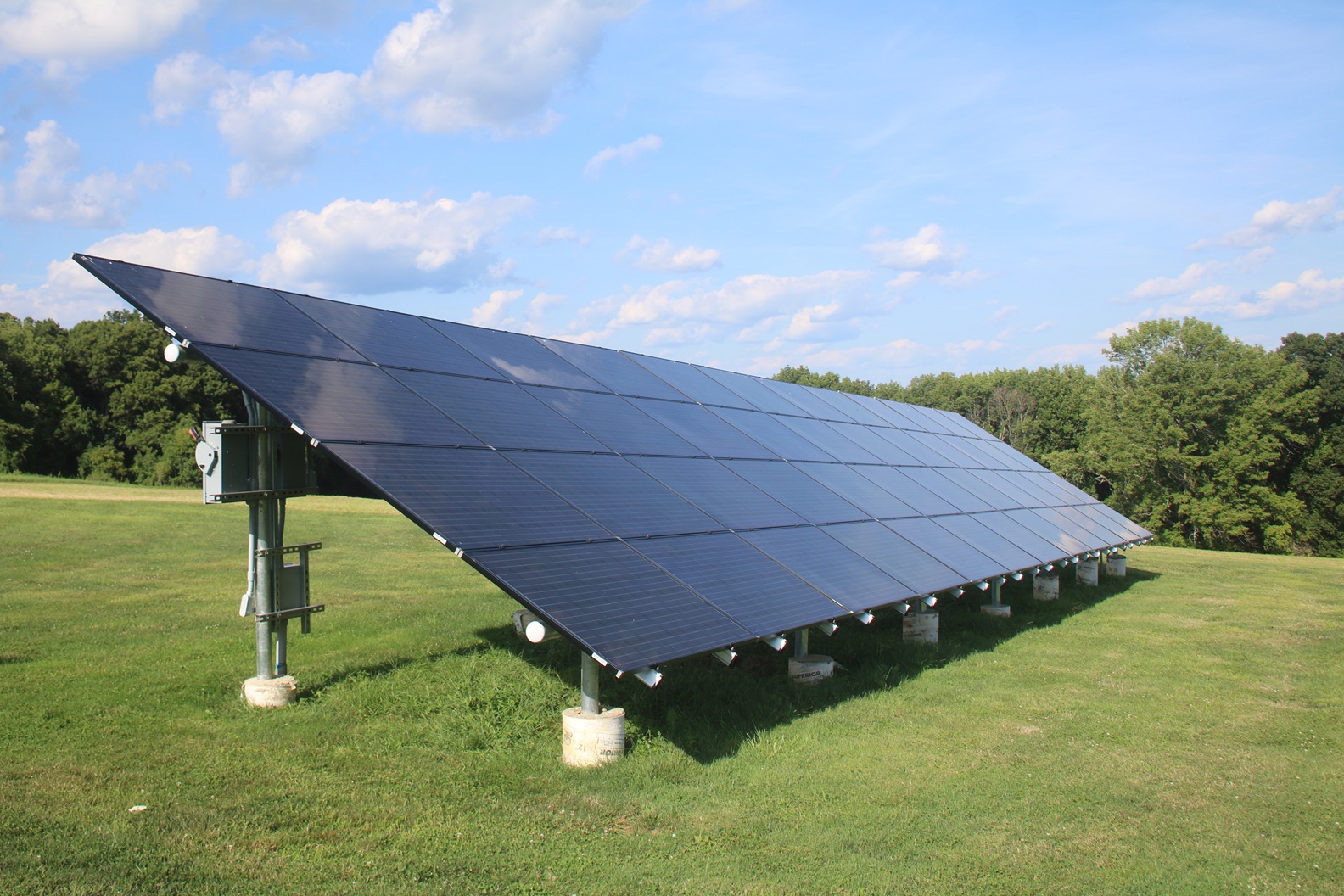
The expansion of solar energy has also sparked debate. Several large solar parks are planned on agricultural land, raising questions about how much arable land risks disappearing. Critics claim that the government is prioritizing climate goals over food production and the interests of rural areas.
Accused of Hypocrisy
Despite long advocating for households to install solar panels, observers have noted that Ed Miliband’s own home lacks such installations. This has given the opposition an opportunity to accuse him of hypocrisy and of demanding sacrifices from others that he himself is not making.
At the same time, the government defends its stance, arguing that the transition of the energy sector is necessary to reduce emissions and strengthen the country’s energy security. Proponents say that opposition to wind and solar energy risks slowing development and making the UK even more dependent on imported energy.
Trust in Politicians
The debate shows how the green transition has become a politically charged issue, where climate goals are weighed against local interests, the economy, and environmental conservation. Critics believe the government underestimates the negative effects of the projects, while proponents argue that the alternatives are much worse in the long term.
At the same time, the discussion has spread far beyond the energy debate itself. For many Britons, it now also concerns trust in politicians and whether decision-makers practice what they preach. Ed Miliband, former Labour leader, has thus become a central symbol in the broader conflict surrounding the UK’s path toward net zero emissions.