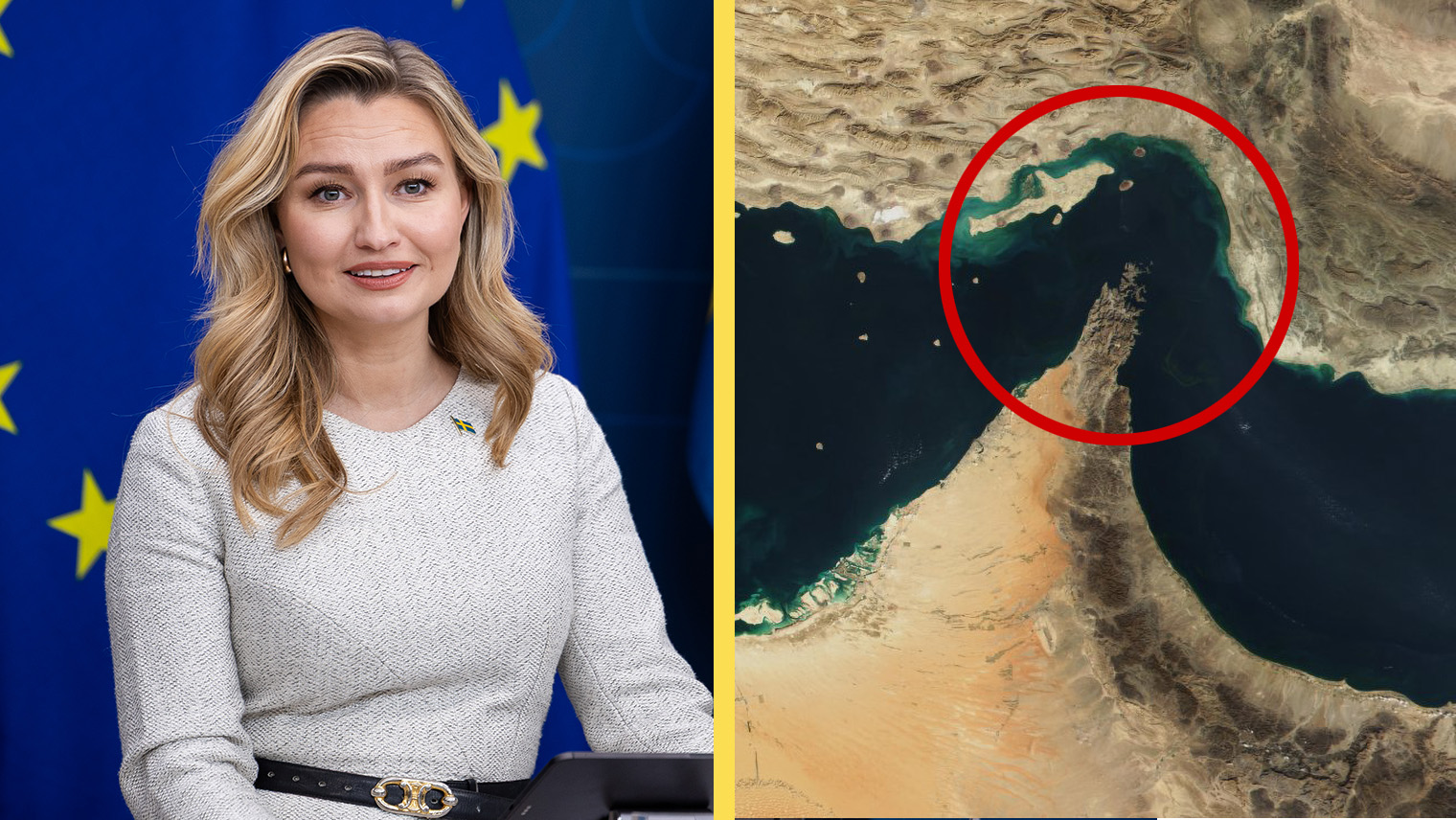
Rising fuel prices, fears of jet fuel shortages, and disruptions in international trade have pushed the energy issue to the top of the political agenda. When Energy Minister Ebba Busch (Christian Democrats) describes the situation as “the worst energy crisis ever,” attention is drawn to the acute situation around the Strait of Hormuz. But behind the immediate crisis, there’s also a broader story about Europe’s dependencies, political choices, and lack of preparedness.
In statements to Göteborgs-Posten, Energy Minister and Deputy Prime Minister Ebba Busch (Christian Democrats) says the conflict surrounding Iran and disruptions in the Strait of Hormuz have triggered the most serious energy crisis in modern times. The government states it is closely monitoring developments and preparing measures to support households and businesses.
Meanwhile, it’s being reported that Lufthansa is cancelling a large number of flights as a result of rising fuel costs and uncertain supply of jet fuel.
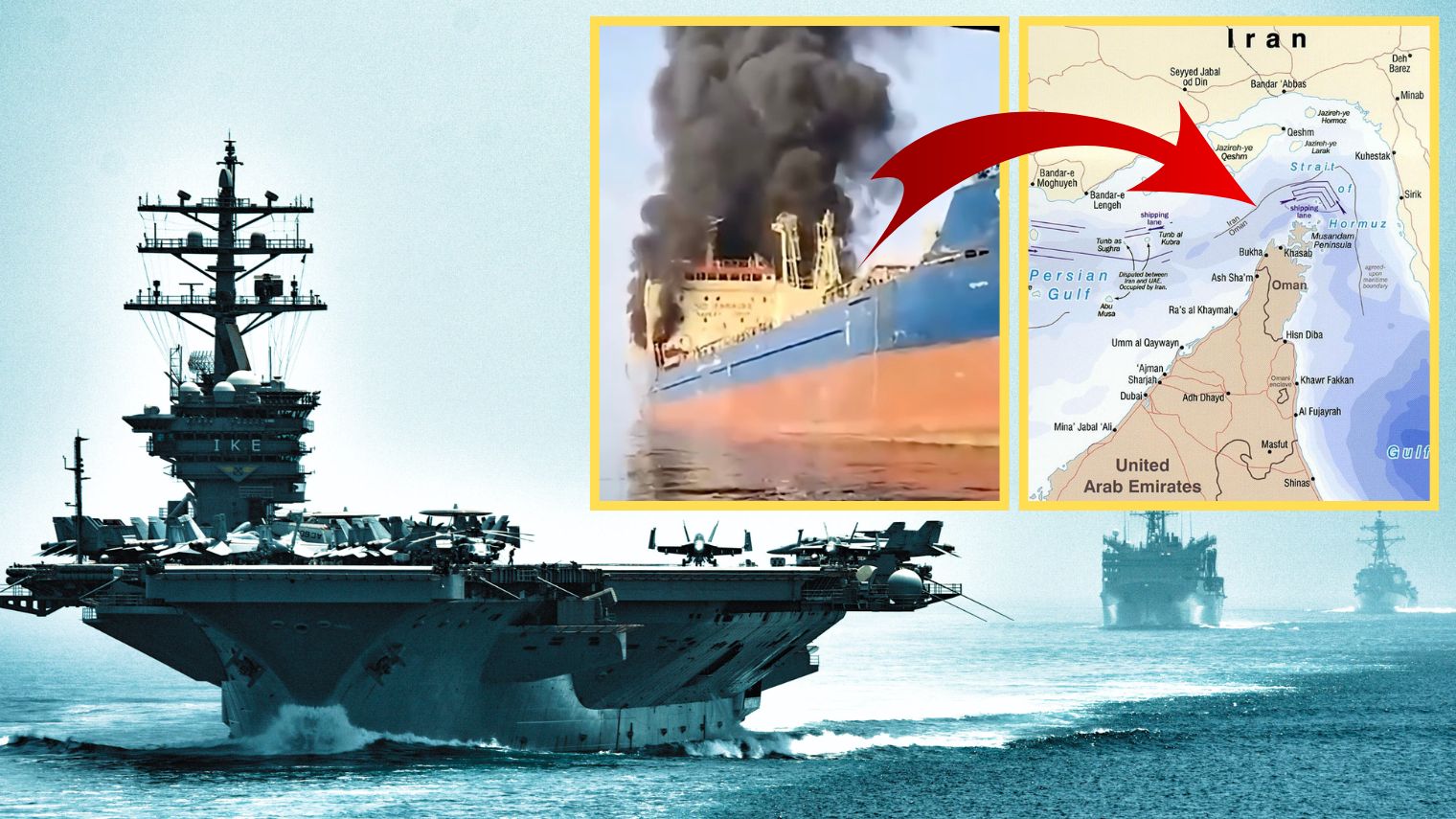
Why the Strait of Hormuz is so Crucial
The Strait of Hormuz is one of the world’s most important shipping lanes for oil and liquefied natural gas. A large portion of exports from Saudi Arabia, the United Arab Emirates, Qatar, Kuwait, and Iraq passes through here.
When flows are disrupted, :censored:6:cdd6bbaa89: market prices rise quickly—even in countries not importing directly from the region. This is because energy is traded :censored:6:cdd6bbaa89:ly—if one area loses access, more buyers compete for the same volumes on other markets.
Europe Lost Russian Energy—and Became More Vulnerable
A central background factor is that since 2022, the European Union has dramatically decreased its reliance on Russian gas and oil after Russia’s invasion of Ukraine. This was achieved through sanctions, import bans, and a deliberate geopolitical shift. The reduction in trade with Russia has been described as necessary for security reasons.
READ ALSO: EU warns of prolonged energy shock due to war in the Middle East
At the same time, this forced the EU to replace large energy volumes in a short time—mainly through LNG imports, increased Norwegian gas, savings, and faster development of other production. The result has been an energy system that is more affected by disruptions elsewhere in the world.
Nuclear Power, Gas, and the German Transition
Germany’s energy policy has long been central to the entire European market. The country, at the initiative of its Green Party, gradually phased out nuclear power following a decision that cited the Fukushima disaster in Japan, even though the earthquakes and tsunamis responsible do not pose risks in Europe. During the same period, reliance on Russian gas increased, in part via Nord Stream.
This created a strategic dependency defended on the basis that gas would be a transitional solution while so-called renewable electricity from wind and solar was expanded. When gas flows were then cut off, prices soared throughout Europe.
Electrification Insufficient
The current crisis has reignited debate on the electrification of industry and transport. The transition has made societies more vulnerable while fossil fuels still dominate large parts of the :censored:6:cdd6bbaa89: economy. Fossil dependence is far greater than the debate has suggested, and so too is the need for more controllable domestic electricity production, storage, and robust grids.
READ ALSO: Europe’s gas storage is emptying—opening the door to a Russian comeback in the energy market
But on Wednesday, the EU Commission signaled that the answer to the crisis is more coordination, faster electrification, and reduced fossil dependence—not a retreat from the transition or any admission that it may be partly to blame for the crisis.
Sweden Close to Norway—but Not Quite
For Sweden, there’s another dimension. The country has good electricity production but is also integrated into Nordic and European energy markets. Neighboring Norway is one of the world’s largest exporters of oil and gas, but these resources are mainly sold on open international markets.
No bilateral agreements with Sweden, neither general nor ones that take effect in times of emergency, have been signed. This means that geographic proximity does not automatically provide prioritized access in a crisis.
Pump Prices and Travel Could Be Next to Suffer
Commodity analysts have warned that gasoline prices could rise sharply and airfares increase if the fuel shortage worsens. This would directly impact household finances, transport, and tourism.
The crisis is now clearly visible in Europe’s aviation sector. Lufthansa has announced that the group will cut about 20,000 short-haul departures through October to save over 40,000 tons of jet fuel. The company states that the cost of jet fuel has doubled since the conflict between Iran and the US escalated.

The cuts hit several of the company’s major hubs, including Frankfurt, Munich, Zurich, Vienna, Brussels, and Rome. At the same time, the phaseout of subsidiary CityLine’s aircraft fleet will be accelerated due to rising costs and more uncertain fuel supplies.
This development is not isolated to Lufthansa. Several European airlines have already taken similar measures. SAS has cancelled around a thousand departures, while Air France-KLM has introduced extra fuel surcharges on long-haul flights. Taken together, this points to a summer with fewer departures, more expensive tickets, and increased pressure on Europe’s transport sector.
A Crisis with Multiple Causes
The acute situation was triggered by the conflict around Iran and disruptions in the Strait of Hormuz. But the deeper explanation is broader: Europe’s dependence on imported energy, the phaseout of certain types of production without full replacement, geopolitical conflict, and limited preparedness for new disruptions.
This is why today’s energy crisis is not only about the Middle East—but also about years of strategic decisions in Europe.
READ ALSO: Chief Economist: The Iran War Could Hit the Economy Hard