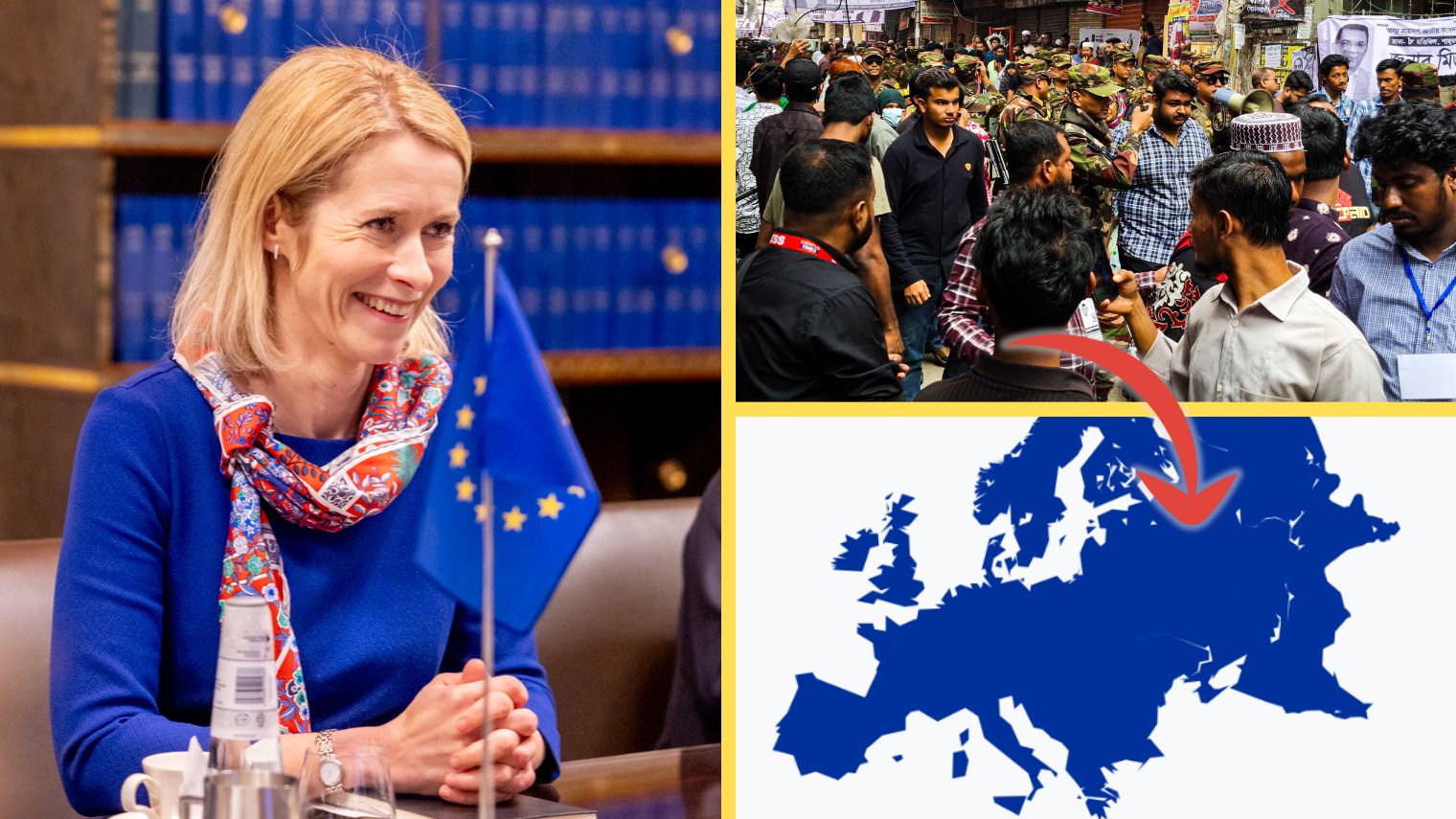
At the start of the year the EU announced it had entered into a so-called trade agreement with India, something which also opens the door to massive immigration. Now the union is set to conclude a similar deal with Bangladesh, and that too is sparking reactions.
The EU and India agreed on a comprehensive free trade agreement that eliminates or reduces tariffs on up to 96–99 percent of trade, with major concessions for industrial goods such as steel, chemicals, and pharmaceuticals, while India gains improved access for, among other things, textiles and jewelry.
The two parties also agreed on a security and defense partnership focusing on maritime security, cyber threats, space cooperation, and counterterrorism. European Commission President Ursula von der Leyen attended the summit in New Delhi, where the deal was presented as the “Mother of all trade deals” and a strategic breakthrough intended to deepen the economic and political partnership between the EU and India.
However, there are concerns that the agreement also opens the way for large-scale labor immigration. The agreement includes a chapter on “labor mobility,” described as a “cooperation framework” for highly qualified labor. It comprises faster visas, streamlined work permits, and recognition of qualifications.
READ ALSO: EU and India in major trade deal – opens for massive immigration
Now Bangladesh is next in line. The EU and the country have signed a partnership and cooperation agreement, announced EU foreign policy chief Kaja Kallas and Bangladesh Foreign Minister Khalilur Rahman on Tuesday.
According to the European External Action Service (EEAS), the agreement establishes a framework for closer political, economic, trade, and strategic cooperation based on commitments encompassing democracy, human rights, peace and security, climate action, and sustainable development.
The EU and Bangladesh are paving the way for a closer partnership.
It will focus on areas such as trade and investment, energy, transport, agriculture, migration, security, finance, and people-to-people exchanges.
Read more: https://t.co/KUgSBLbOE7 pic.twitter.com/RRZqDZKY7c
— European Commission (@EU_Commission) April 21, 2026
Modern agreement
The agreement comprises 82 articles and covers areas such as political dialogue, trade and investment, energy, transport, agriculture, migration, security, finance, maritime issues, and people-to-people exchanges.
Talks began at the end of 2024 and negotiations were completed earlier this year. Now only the formal signing and ratification remain, once the procedures are finalized by both parties. The new agreement replaces an old cooperation agreement from 2001.
Bangladesh is the first South Asian country to sign what the EU describes as a “modern” partnership and cooperation agreement with the union. The EU and Bangladesh have had relations for more than 50 years, with development cooperation and trade among the most important parts.
Sparks anger
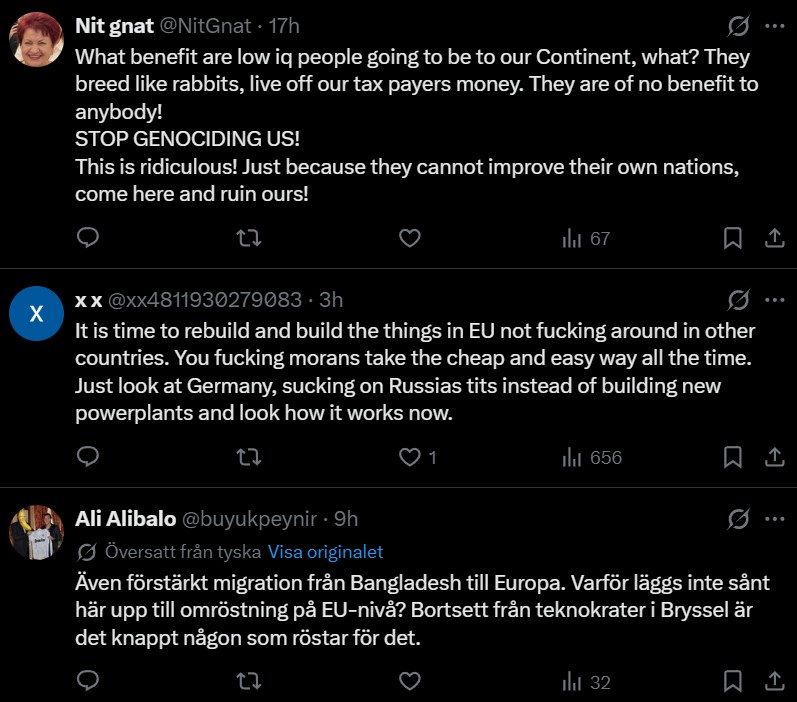
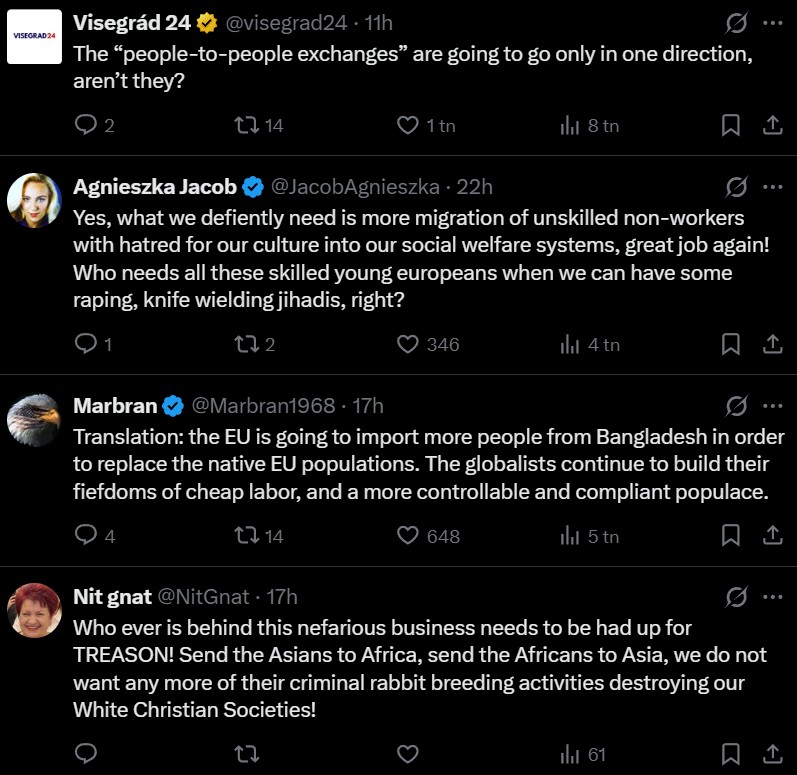
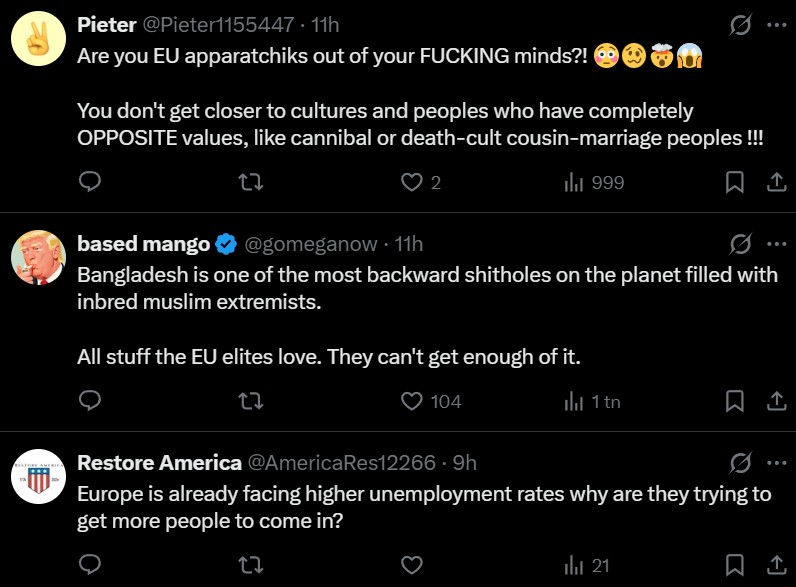
On X there were many angry reactions to the EU’s post about the agreement and the potential for even more immigration:

Bangladesh is located in the vast Ganges–Brahmaputra delta and is one of the world’s most densely populated countries, with over 174 million inhabitants and Dhaka as its political and economic center. The country has a modern history marked by colonial rule, the partition of British India, and the war of independence in 1971, which laid the foundation for today’s parliamentary republic.
Bangladesh is religiously dominated by Islam, which encompasses just over 90 percent of the population, while Hinduism is the largest minority, with smaller groups of Buddhists and Christians also present. The ethnic majority is Bengalis and the official language is Bengali, which forms a central part of the country’s cultural identity.
Economically Bangladesh has developed rapidly over the last two decades, with strong growth and a significant textile and garment industry that accounts for a large share of exports. At the same time, the country faces challenges such as climate-related flooding, political polarization, and reliance on low-wage industries, although it is expected to leave the UN’s list of least developed countries in 2026.
READ ALSO: EU’s crisis move: Remote work and public transport the solution to rising energy prices