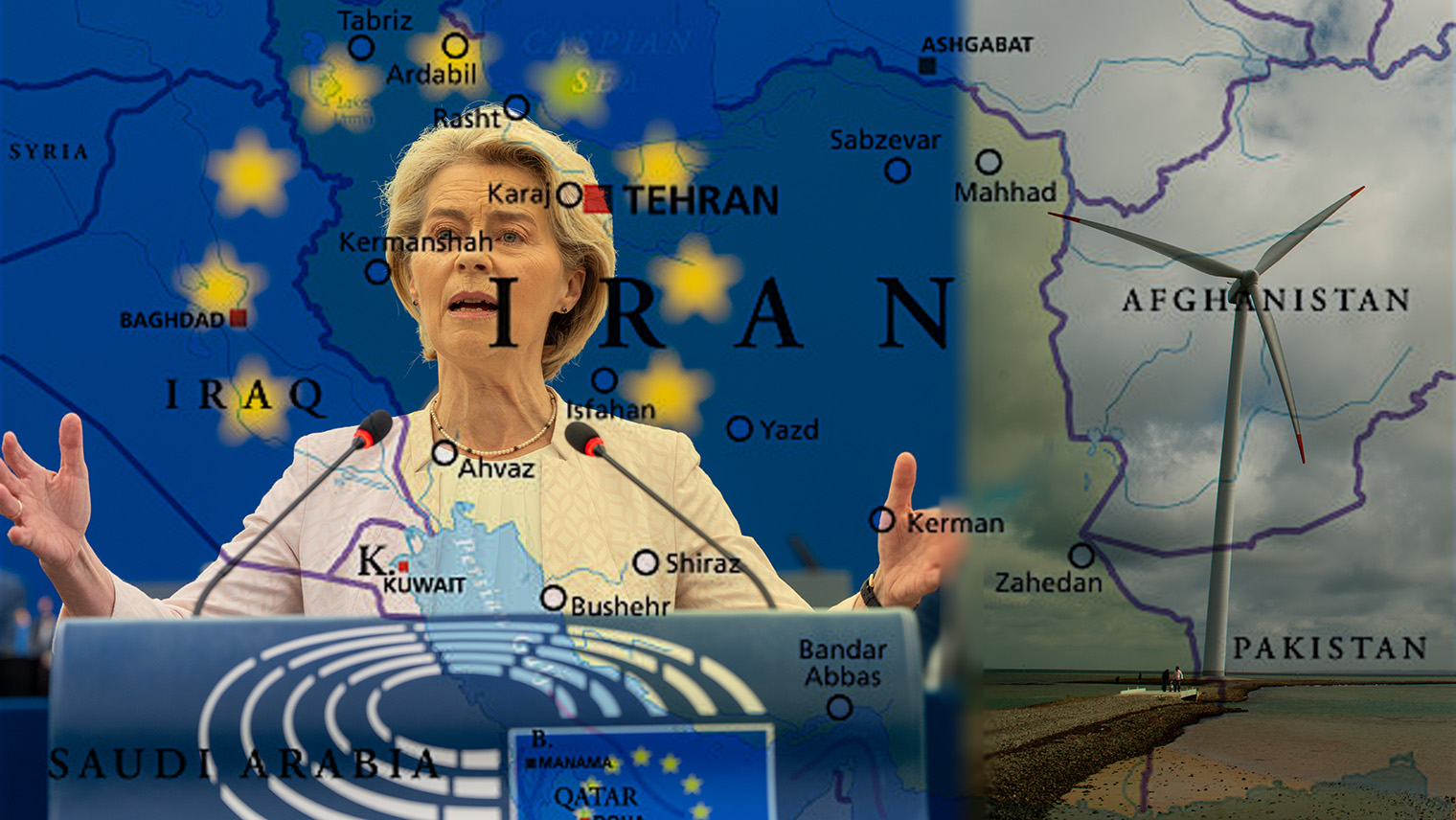
The EU’s member states are expected to use the ongoing energy crisis as leverage to accelerate the transition away from fossil fuels. But behind ambitions for increased independence and climate security, a discussion is also growing over higher taxes and increased costs for both businesses and consumers.
As the war in Iran drives up prices for oil and gas and creates disruptions in :censored:6:cdd6bbaa89: supply chains, the EU is preparing to take a clearer step toward a faster energy transition. In a draft of joint conclusions from member states, dependence on imported fossil fuels is described as a strategic weakness.
The document describes the shift to renewable and low-carbon energy as the most effective path to greater autonomy. At the same time, efforts are made to more closely link energy policy to security policy, with investments in clean technology also highlighted as a means to strengthen defense capabilities.
READ ALSO: Trump: The Strait of Hormuz Is Open
But the timing raises questions. Critics argue that the acute crisis is being used to push through long-term changes that would otherwise have faced greater resistance. The arguments, they claim, are opportunistic and serve the green agenda.
Increased Pressure on Fossil Fuels
In parallel with the political aim for a faster transition, the EU Commission is preparing new tax proposals. Under the plans, fossil fuels will be taxed more heavily than electricity, which instead will receive more favorable treatment.
READ ALSO: Expert warns: Sweden’s climate targets are unrealistic
The aim is to steer investments and consumption in the long term toward electric solutions—particularly from renewable sources, a category that, after lengthy disputes, now also includes nuclear power. The proposal is part of a broader energy package expected to be presented in the spring.

At the same time, a temporary “solidarity tax” on energy companies making large profits in the wake of the crisis is also being discussed. According to the proposals, the revenue should be used to alleviate effects for households and businesses. Whether the money will actually reach them or remain in state coffers remains to be seen.
Economic Consequences in Focus
The price increases in recent weeks have already had a clear effect on the EU’s economy. The import costs for fossil fuels have risen sharply, increasing pressure on both state budgets and consumers.
Against this background, electrification is highlighted as a solution that can stabilize prices. Lower taxation on electricity is meant to make it more attractive and contribute to the expansion of energy systems based on domestic resources.
READ ALSO: Expert trio harshly criticizes EU’s climate policy – will take time to repair
Nevertheless, uncertainty remains about how quickly this transition can take place—and at what cost. Several member states have previously opposed changes in energy taxation, suggesting the proposals may face political obstacles. Price stabilization could, in plain terms, mean permanently higher prices.
Green Transition in Security Policy Clothing
The EU’s climate policy is now being narrated as a way to reduce vulnerability in an increasingly uncertain world, and the pace of the transition is said to need to accelerate further. But even at its current speed, climate policy has already been criticized for moving unrealistically fast. In several areas, there have been forced retreats, such as regarding the phase-out of fossil-fueled vehicles.
As energy prices rise and households face economic pressure, further tax burdens risk exacerbating an already strained situation rather than alleviating it. Meanwhile, proponents see the transition as necessary—and argue that the crisis reveals the need for urgent change.
The EU views the war in Iran as an opportunity to accelerate an already ongoing transition. Security and other advantages are highlighted, but all indications are that this will come at the price of an even heavier economic burden for consumers, especially in the short term.
READ ALSO: Criticism of climate reporting: Focus on emissions increase – but Sweden could have net CO2 uptake