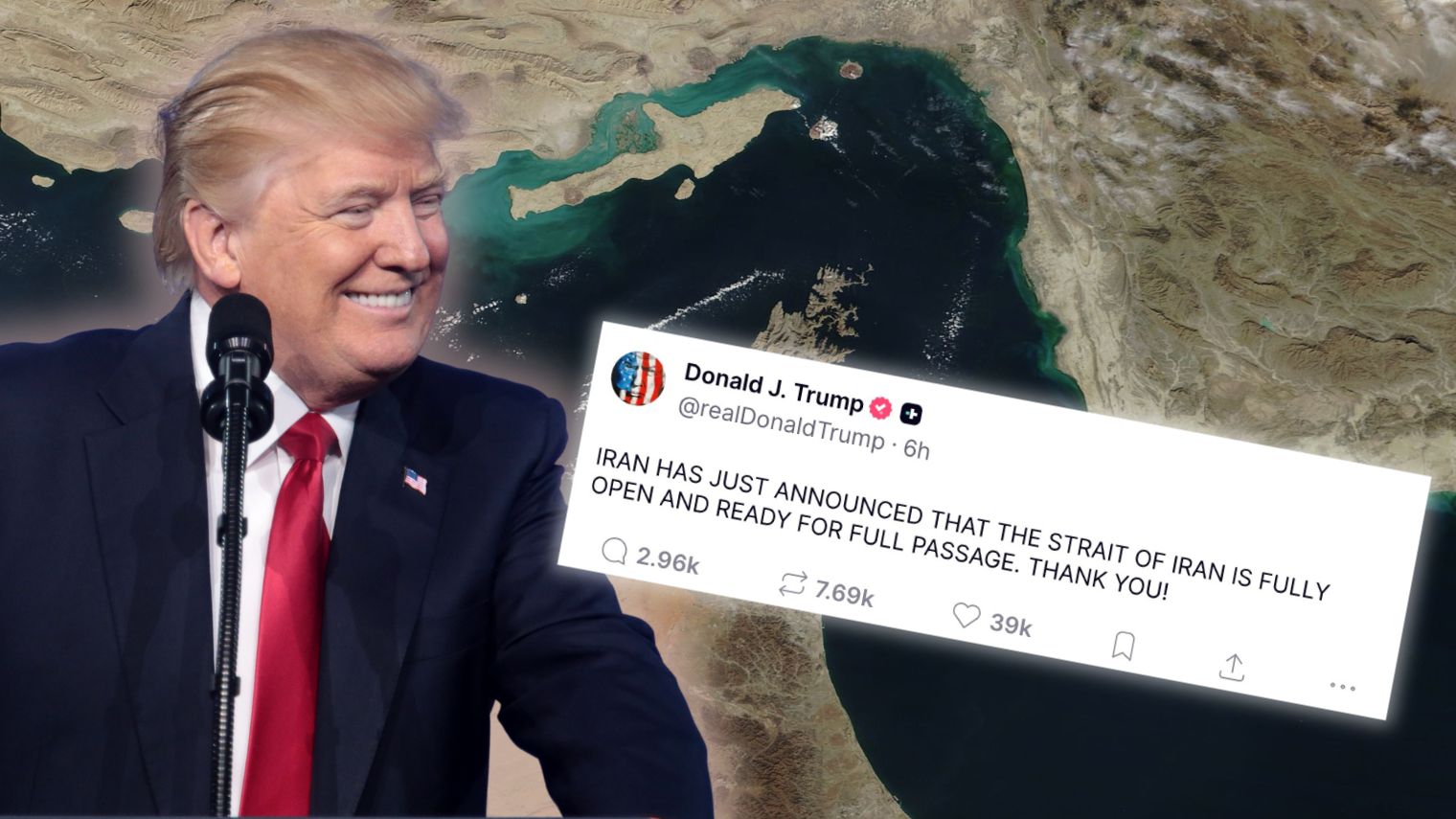
According to both the US and Iran, the Strait of Hormuz has once again been fully reopened to commercial traffic. The announcement comes after a ceasefire in Lebanon and has quickly led to clear effects on the :censored:6:cdd6bbaa89: economy, with rising stock markets and falling oil prices.
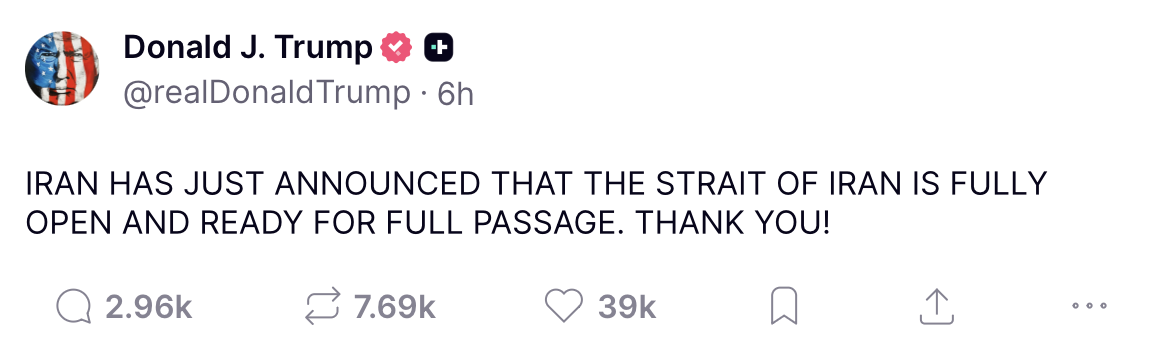
Iranian Foreign Minister Seyed Abbas Araghchi announced on Friday afternoon that the strait is now “completely open” and that it will remain so as long as the ceasefire holds. Shortly thereafter, US President Donald Trump confirmed the information on social media.
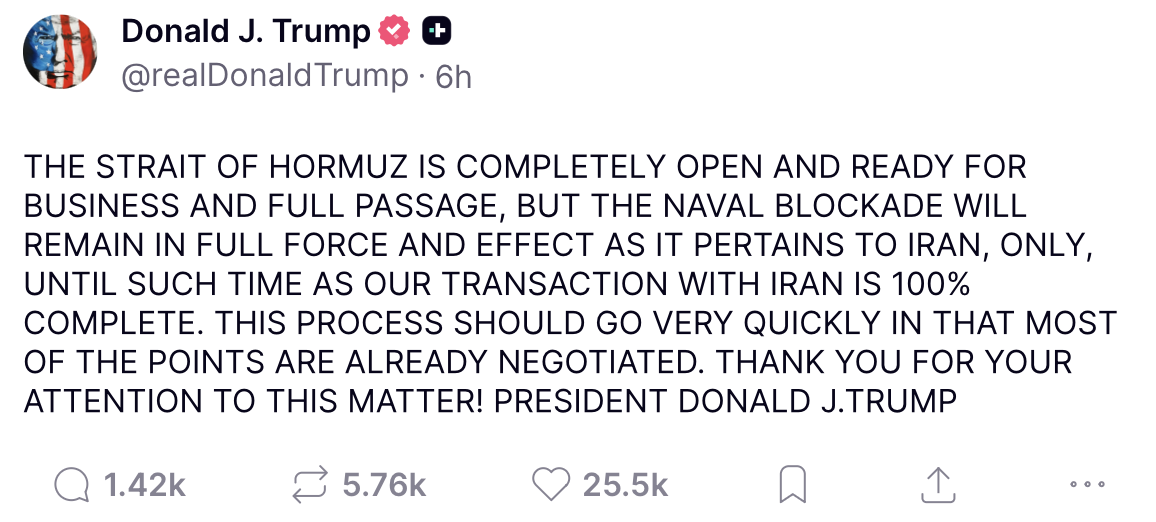
Trump went further, claiming that Iran has promised never to close the strait again. According to him, the Strait of Hormuz should no longer be used as a geopolitical bargaining chip. At the same time, Trump stated that Iran, with American assistance, is now working to clear the strait of mines.
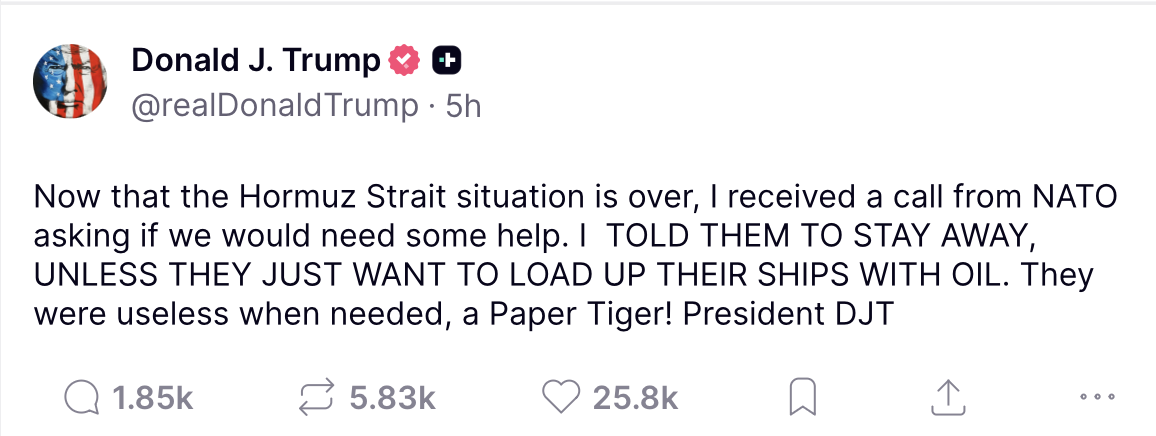
The US President also sharply criticized NATO, describing it as “worthless” during the crisis, and claimed that he had declined the alliance’s offer of assistance.
Markets Reacted Immediately
The markets responded immediately to the news. Oil prices plunged – the price of a barrel of North Sea oil dropped by nearly ten percent to below 90 dollars.
Meanwhile, stock markets around the world rose. The Stockholm Stock Exchange initially surged over two percent, closing up 2.05 percent. Other European markets, as well as US exchanges, also saw significant gains. Among them, Dow Jones, S&P 500, and Nasdaq rose during Friday’s opening trading.
Despite the positive announcement, political rhetoric continues. Trump states that the US blockade against Iran in the strait remains in effect until a final agreement is fully negotiated, something he believes can happen quickly.