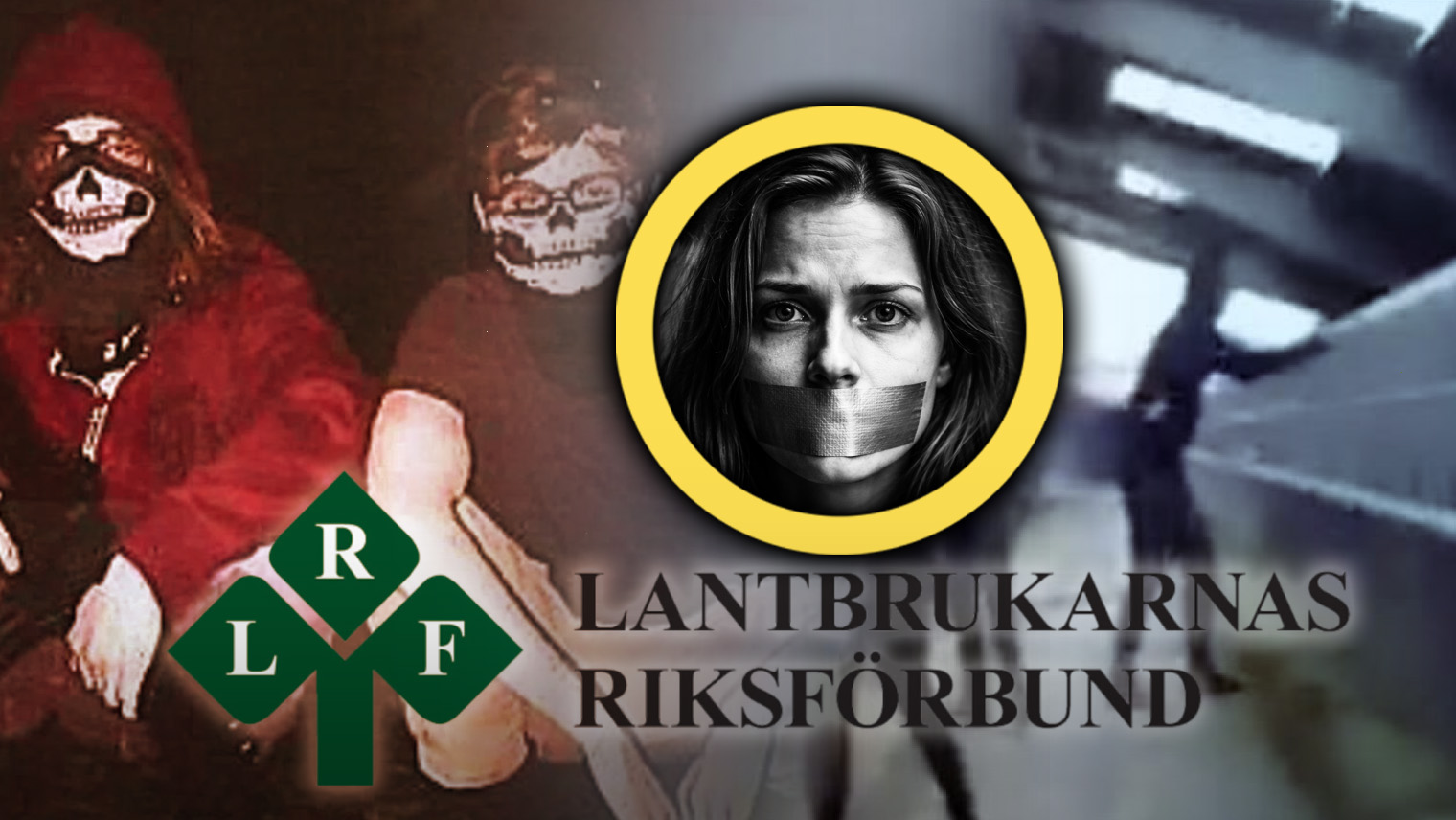
For several years, Swedish farmers have testified to threats, intrusions, and harassment from animal rights activists. But the development has taken a new turn. Today, it’s not just about direct attacks – but about a growing silence. More and more are choosing not to talk to journalists, not to open their farms, and not to participate in public discourse. According to industry voices, this risks having consequences far beyond individual farms – affecting the entire democratic debate on Swedish food production.
In a recent report in ATL, it is described how farmers today increasingly choose not to participate in the media. The reasons given are fear of being exposed, subjected to covert filming, or having their businesses targeted by activists.
ATL stands for Agricultural Magazine for Farming but is today called Agriculture’s Business Magazine and is a Swedish trade journal focusing on agriculture, forestry, and rural issues, including the politics and economics connected to these areas.
Now, it’s no longer just about isolated incidents. According to testimonies, a sense of caution has emerged – where the decision not to speak has become part of everyday life.
READ ALSO: Peat Miners Strike Back Against Climate Extremist Saboteurs
For many farmers, it’s a balancing act – being visible can mean risks that are difficult to foresee or control. ATL wrote the following this week:
“We at ATL meet farmers daily who want to do the right thing, who want to show their reality and let others learn from their challenges and successes. But sometimes there is someone who hesitates, not because of our publication but because quotes can be taken out of context by other actors and shared on platforms that don’t care about whom or how a publication harms. That is a human reaction. At the same time, it is exactly your stories that are needed. Because when activists secretly film animal husbandry or when information is taken out of context, a picture is created that no single farm can be held responsible for.”
A Long-Standing Pattern
In a 2018 article reported on by the newspaper Land, it was described how Swedish farmers were subjected to threats, harassment, and intrusions linked to animal rights activism.
That farmers refrain from talking to journalists may initially appear to be a limited industry issue. But the consequences extend far beyond that.
This included, among other things, unauthorized people entering farms, documenting operations without permission, and in some cases, pressuring the farmers’ families.
READ ALSO: Daniel from the Hunters’ Association Living Under Death Threats from Animal Rights Terrorists
The situation was described as mentally taxing, with the line between work and private life blurred. At the same time, it appeared that many farmers chose not to speak openly about what they were exposed to. A culture of silence grew, where fear of further exposure or reprisals caused victims to hesitate to contact media or authorities.
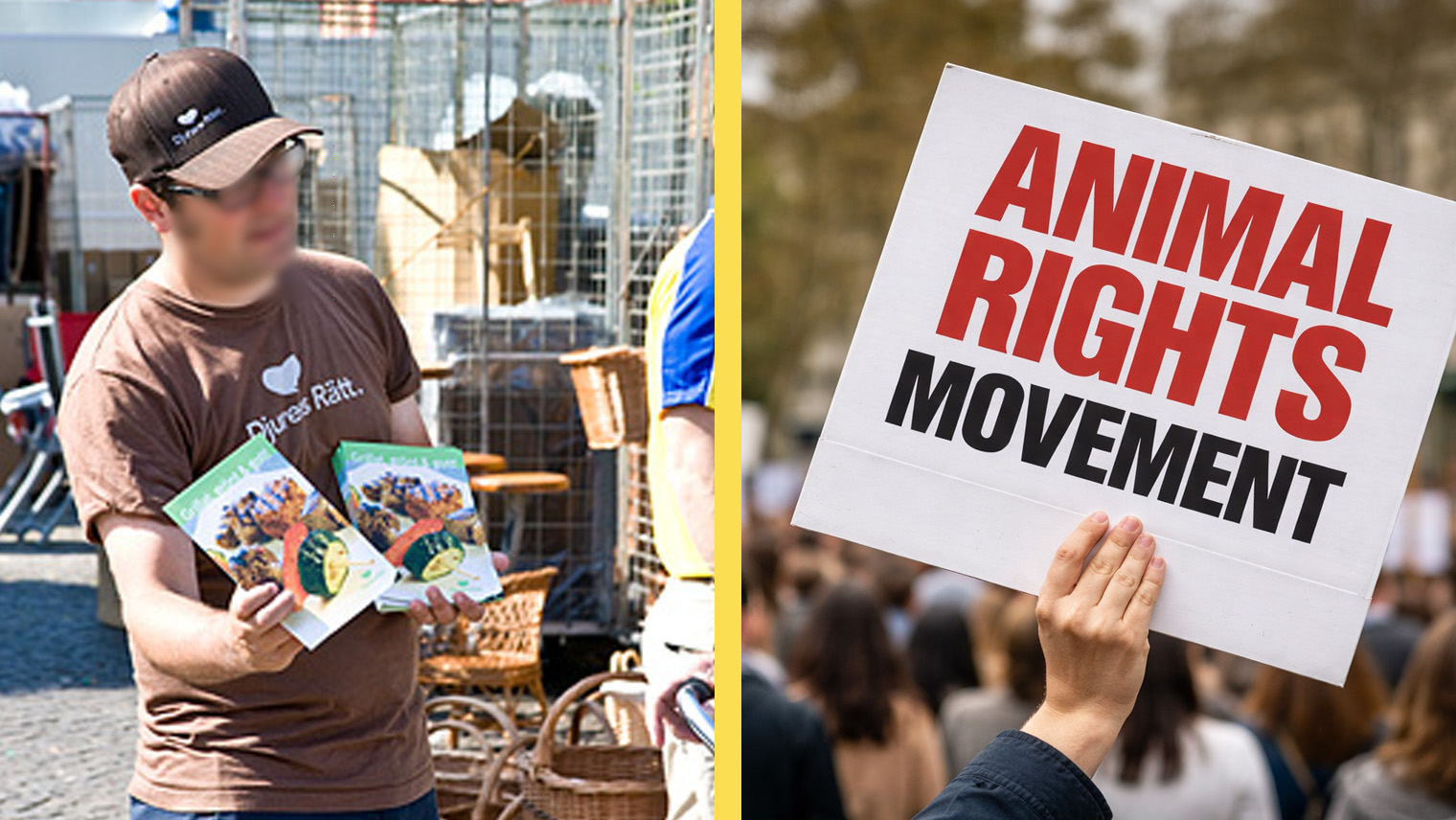
The article pointed out how even then, the risk was that the problems would become normalized and harder to make visible in public discourse.
What now appears, however, is a clear shift. Back then, it was about the threats themselves. Now it’s about the consequences – and the most significant consequence seems to be that more and more people are choosing not to participate in the public sphere at all.
READ ALSO: Animal Rights Activists Rampage Again in Southern Sweden
That farmers refrain from talking to journalists may initially appear to be a limited industry issue. But the consequences extend far beyond that.
Journalism relies on access to sources and perspectives. When an entire occupational group increasingly withdraws, the picture of reality becomes incomplete.
In turn, this risks impacting how issues of animal husbandry, food production and the countryside are discussed politically.
If those who actually work in these activities do not participate in the conversation, space is left for other actors to define the problems, realities, and solutions. What’s lost are not just individual voices – but experience, knowledge, and everyday perspectives.
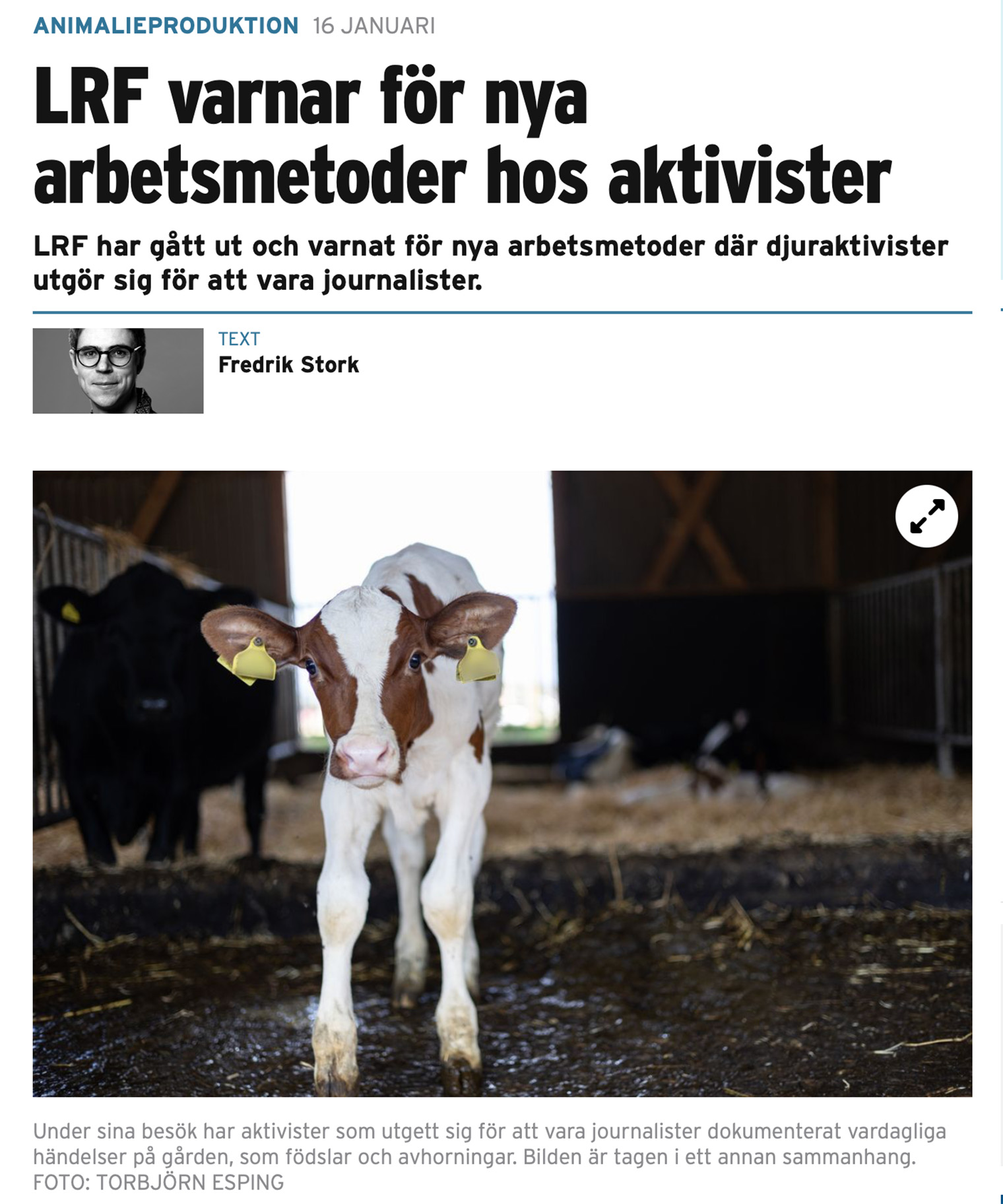
We see this too through reporting that activists pretend to be journalists, something that LRF has also warned about.
READ ALSO: Alert: Soon No Milk Production Left in Northern Sweden
The Silence Is Spreading Upwards
When Samnytt contacts the industry organization LRF, the Federation of Swedish Farmers, to get their view on the development, the organization chooses to decline to answer questions. That is, in itself, noteworthy.
LRF is a key player in the Swedish agricultural debate and is tasked with representing its members’ interests and contributing to public dialogue. That the organization at this stage chooses not to comment on an issue concerning safety, openness, and democracy reinforces the image of a sector where caution has become the norm.
READ ALSO: Farmers: Beef Shortage Can Be Solved with the Right Policy
The silence is therefore no longer limited to individual farmers. It appears to have begun taking hold higher up in the structures as well. This is how LRF and press officer Helena Björklund responded when Samnytt asked about what is currently affecting farmers:
“We appreciate your attention to the situation for farmers. Our overall picture today is that the situation has generally improved compared to 2018, although it is still an important issue. That said, we unfortunately are not able to participate in an interview on this occasion.”
The methods of activists often involve entering farms, filming and photographing without permission, and spreading the material publicly, sometimes along with exposing individual farmers. And it has had an effect.
In the case of agriculture, according to testimony, it is about intrusion, documentation, and exposure of individual businesses. The effect described is that some abstain from participating in the media or commenting publicly – out of concern for personal safety and care for the animals and the survival of the business.
The aim is to exert pressure – not just to spark debate, but to drive people to stop their business or withdraw from the public sphere. The result is that many choose silence over the risk of becoming the next target. Samnytt has reached out to several dairy farmers and livestock breeders but has not received any responses.
A Changed Public Sphere
Swedish food production currently finds itself facing several politically topical issues – not only self-sufficiency, preparedness, and animal welfare, but also competitiveness and long-term conditions for the industry.
At the same time, developments indicate that the people most involved in these questions are increasingly choosing to remain outside public discussion.
This changes the conditions for debate. Not through what is said – but through what is no longer said.
Also, in other areas, activism in recent years has taken the form of blockades of traffic routes, actions targeting works of art, and other types of attention-grabbing disruptions. These are things Samnytt has reported on repeatedly.
The methods have in several cases focused on creating impact through direct influence on the environment.
READ ALSO: EU Commission Admits: Gives Billions in Tax Money to Far-Left Activist Organizations
In the case of agriculture, according to testimony, it is instead about intrusion, documentation, and exposure of individual businesses. The effect described is that some abstain from participating in the media or commenting publicly – out of concern for personal safety and care for the animals and the survival of the business.
What this ultimately means for public debate remains to be seen. But what is clear is that fewer voices from within the businesses themselves are now participating in the conversation.