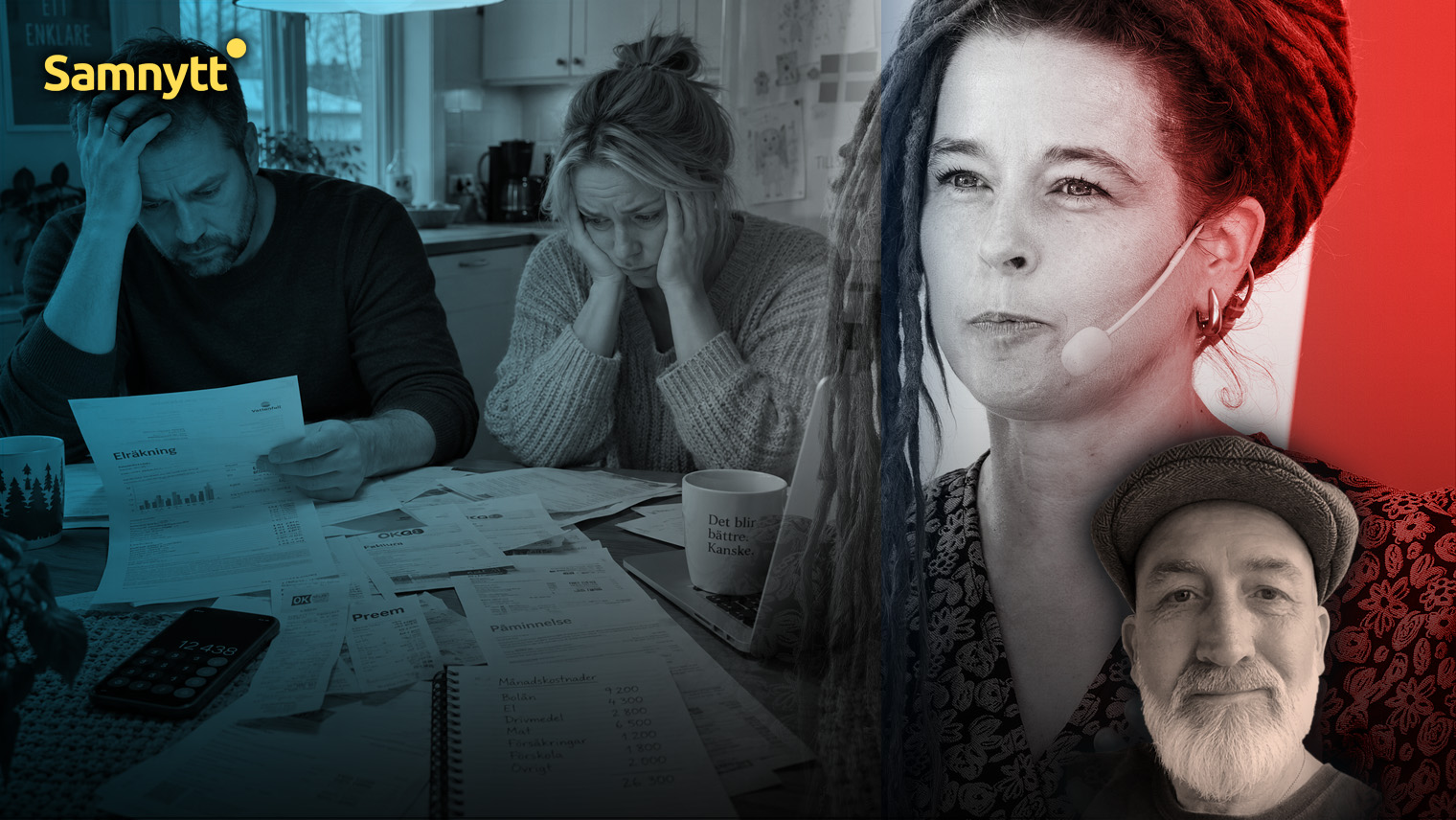
COLUMN • The Green Party wants to make gasoline six kronor more expensive at a time when European industry is already struggling under energy prices far above those of its competitors. This is no longer just about climate policy. It’s about whether Sweden intends to remain a wealthy industrial nation—and about how much of our economic and personal freedom we are willing to sacrifice upon the destructive altar of the net zero ideology.
Amanda Lind at least did voters a favor when, in SVT’s party leader interview, she explained what the Green Party’s policy actually means. Gasoline will become six kronor more expensive.
According to SVT, four kronor will come as current tax cuts disappear, and an additional roughly two kronor through the policies the Green Party wants to implement to reduce emissions from traffic. Lind wants, for example, to compensate households with “transport money,” cheaper public transport, and increased child allowance.
This is almost a perfect summary of the Green Party’s economic philosophy.
First, politicians make something people need more expensive. Then they tax citizens, and use part of the money to compensate them for the cost the politicians themselves created.
But six kronor more at the pump doesn’t just stop there. The truck carrying food to ICA needs diesel. The farmer needs fuel for the tractor.
The forestry machine needs diesel. The excavator needs diesel. The tradesperson must travel between clients, and the hauler has to get goods from Malmö to Stockholm.
READ ALSO: The Green Party’s Election Promises: No Nuclear Power, More Immigration, and Higher Taxes
When the cost of moving people and goods rises, it finds its way through the economy. In the end, it’s right there on your receipt.
Energy Is Prosperity
There’s a peculiar belief in our time that Swedish and European prosperity just exists, as if it were a natural state. It isn’t.
Every warm home, every hospital, every factory, every server room, every railway, every ton of steel and every loaf of bread requires energy somewhere in the production chain.
READ ALSO: Green Party: We Must Raise Fuel Prices
All of human development can, to a large extent, be described as our ability to access ever-greater amounts of usable energy and use it ever more efficiently.
Wood. Coal. Oil. Hydropower. Nuclear power. Electricity.
Everything is subordinated to this self-harming behavior. Competitiveness, industry, car traffic, agriculture, energy production, and household finances. But the climate doesn’t care about European bookkeeping. If a steel plant shuts down in Europe and steel is produced instead in China, we haven’t magically done away with mankind’s need for steel. We’ve just moved the production—and probably more dangerous emissions—to the other side of the globe.
Jonas Andersson
Energy multiplies human capability. Cheap, stable, and abundant energy makes us richer. Expensive and scarce energy makes us poorer. This isn’t a far-right conspiracy theory. The European Central Bank itself notes that high energy costs threaten the competitiveness of European businesses.
In 2025, the ECB estimated that electricity prices for European industry were about 2.5 times higher than in the USA, and gas prices were nearly five times higher. The bank also warned of the consequences for employment in energy-intensive industries.
Mario Draghi’s major report on Europe’s competitiveness is equally blunt. It states that industrial electricity prices in the EU are two to three times above levels in the USA and China, and that gas prices are three to five times higher than in the USA.
Consider what that means. A European factory must compete with an American or Chinese factory that can buy one of its most crucial production factors much more cheaply.
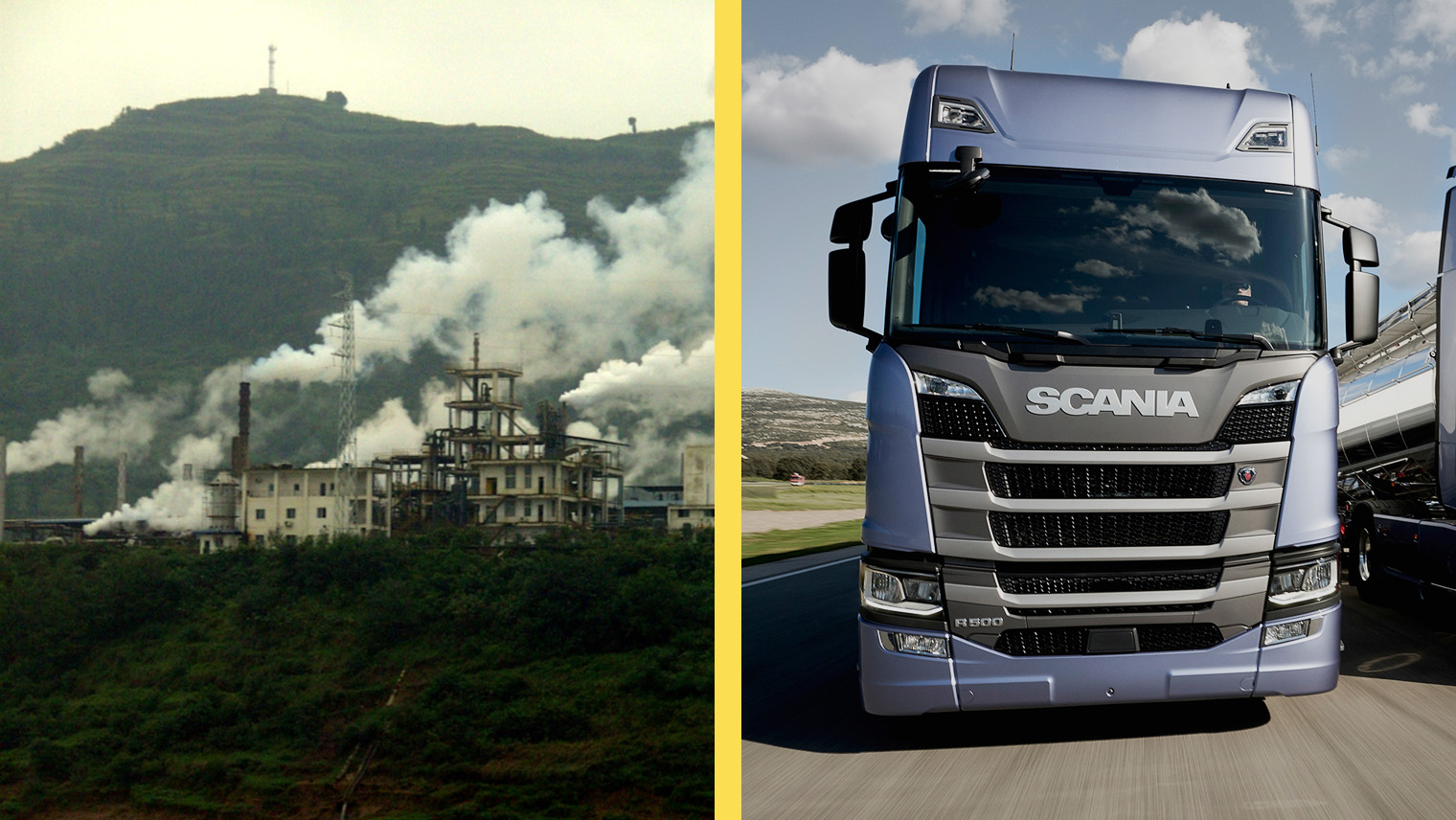
Then we pile on more regulations, climate requirements, taxes, and administrative costs on top of this and are surprised when the investments end up elsewhere.
READ ALSO: Green Party in the Summer Heat: We Demand a Crisis Plan for the Weather
The absurd part is that the modern diesel engine has become dramatically cleaner in recent years.
Road tests by ADAC have shown 95–99 percent lower emissions of nitrogen oxides from the best Euro 6d-TEMP diesels compared to average Euro 5 vehicles, while particulate emissions in modern diesels have been pushed virtually to zero compared to older generations.
In other words, technological development has, in just a couple of decades, managed to eliminate almost all local air pollution from diesel engines. Yet the car is still politically treated as if we were stuck in the 1980s.
The Net Zero Scam Has Become a Religion
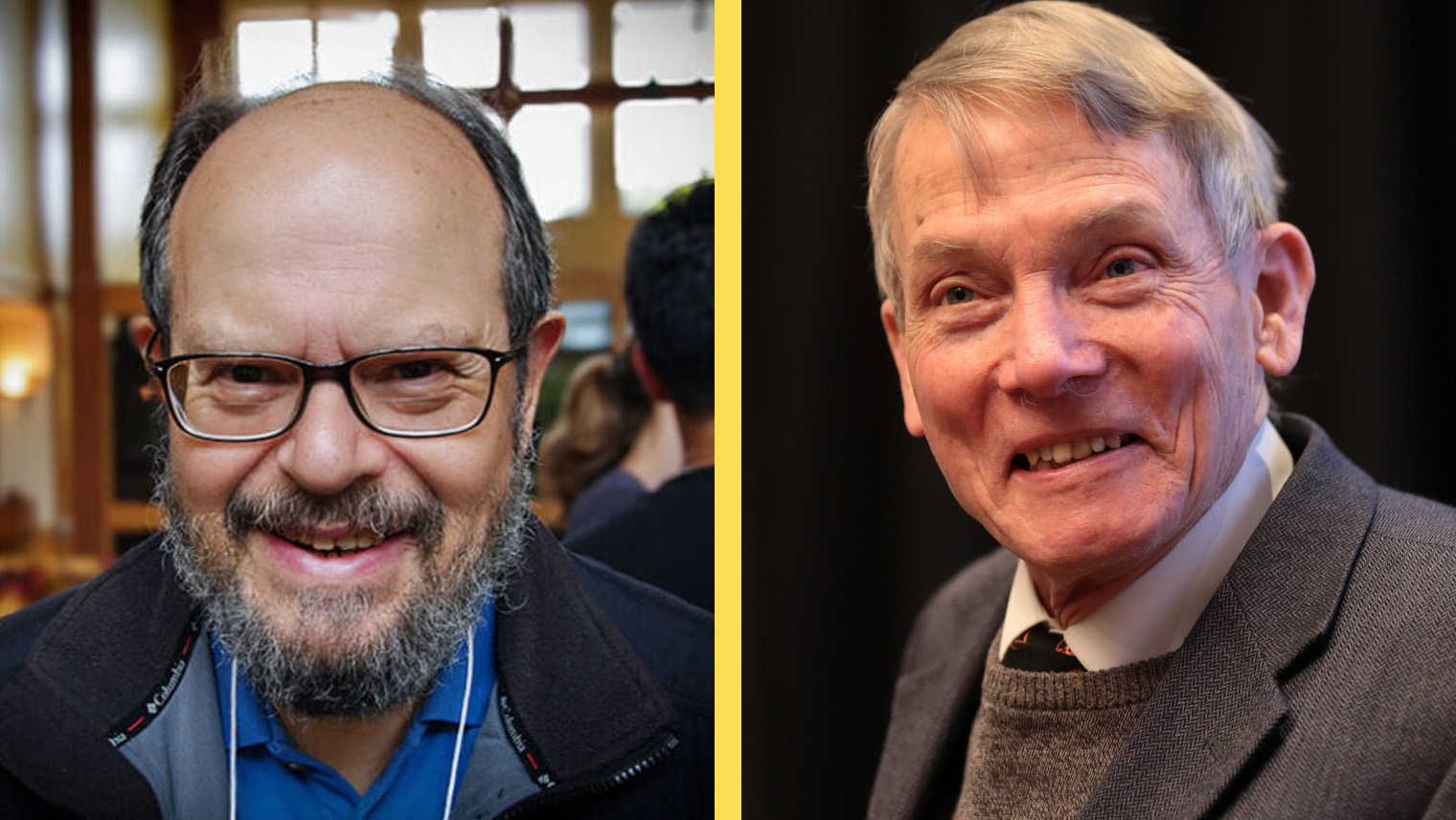
This is where European climate hysteria becomes directly dangerous. There are researchers like Richard Lindzen and William Happer who strongly question the image of carbon dioxide as a climate threat.
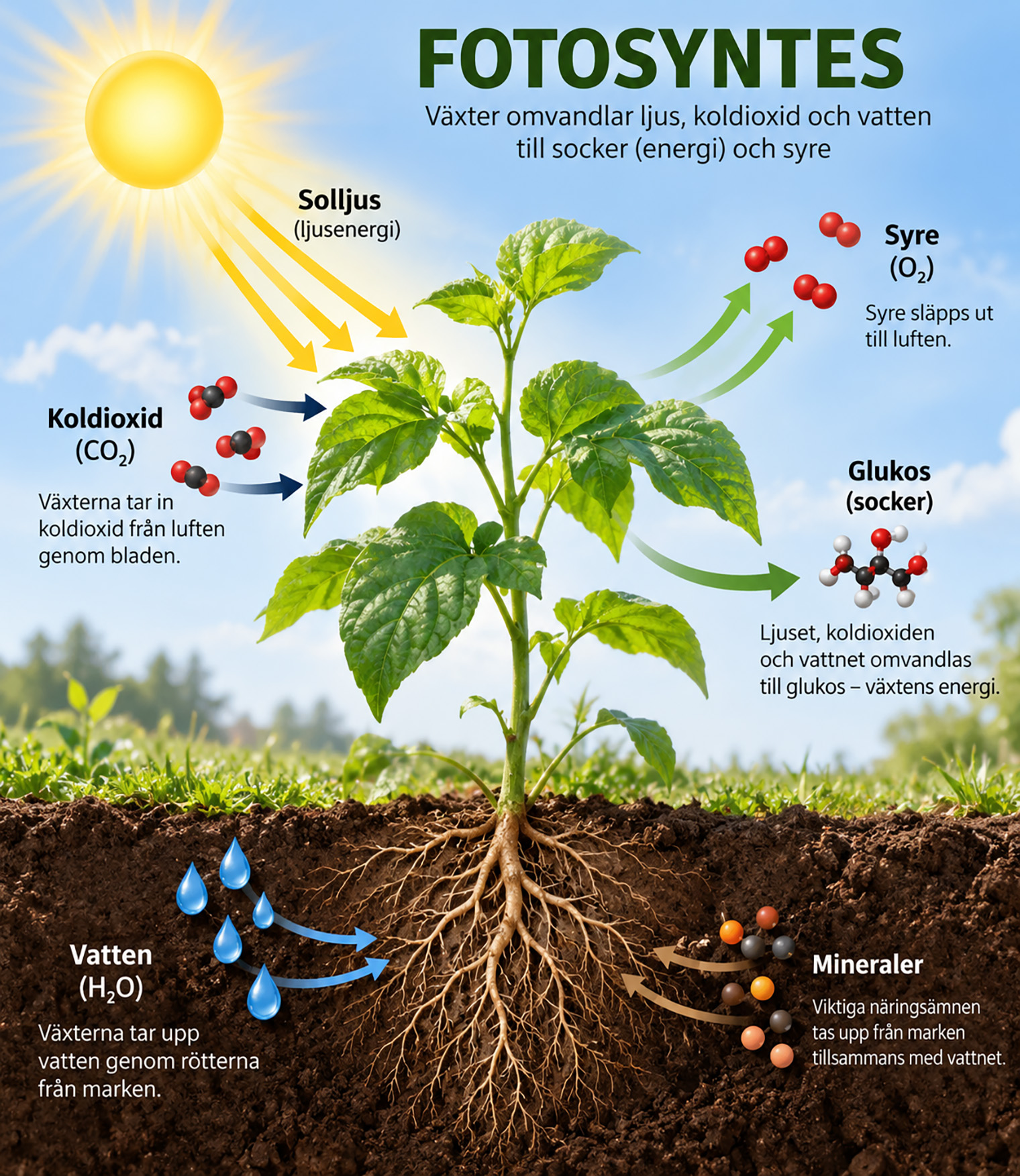
What is indisputable, however, is that CO₂ is a prerequisite for plant life. Higher levels increase photosynthesis, can improve yields, and have contributed to making the planet greener—NASA has estimated that carbon dioxide fertilization accounted for about 70 percent of observed greening during a 35-year period studied.
Yet in political debate, carbon dioxide is treated almost like a poison to be eradicated, no matter the cost.
I am talking here about the political conclusion that has become almost a religious dogma—net zero.
Everything is subordinated to this self-harming behavior. Competitiveness, industry, car use, agriculture, energy production, and household finances. But the climate doesn’t care about European bookkeeping. If a steel plant shuts down in Europe and the steel is instead produced in China, we haven’t made mankind’s need for steel disappear.
We have just moved the production—and probably more dangerous emissions—to the other side of the world.
At the same time, we have sent jobs, investments, technical know-how, and tax revenue along with it. It’s hard to imagine a more self-destructive strategy for a continent while it is trying to compete with China and the USA.
The ECB now notes that Europe’s high energy costs have already left lasting scars on energy-intensive industry and hindered possibilities for expanding production and exports.
The bank also highlights how China has strengthened its position through, among other things, cheaper energy. Yet our reckless politicians continue.
READ ALSO: What Happened to the Green Party’s 20-Year-Old Warning About a Snowless Sweden?
Germany Shows Where This Road Leads
Germany should be the big warning sign along the highway. Europe’s industrial engine has for years wrestled with an energy crisis, weak competitiveness, and an industrial model under immense pressure.
AfD leader Alice Weidel has gone so far as to describe Germany as practically bankrupt. That is her political judgment, but reality undeniably gives her ammunition.
Industrial giant Volkswagen is now carrying out a historic culling of about 100,000 jobs by 2030, at the same time stopping production at several German factories.
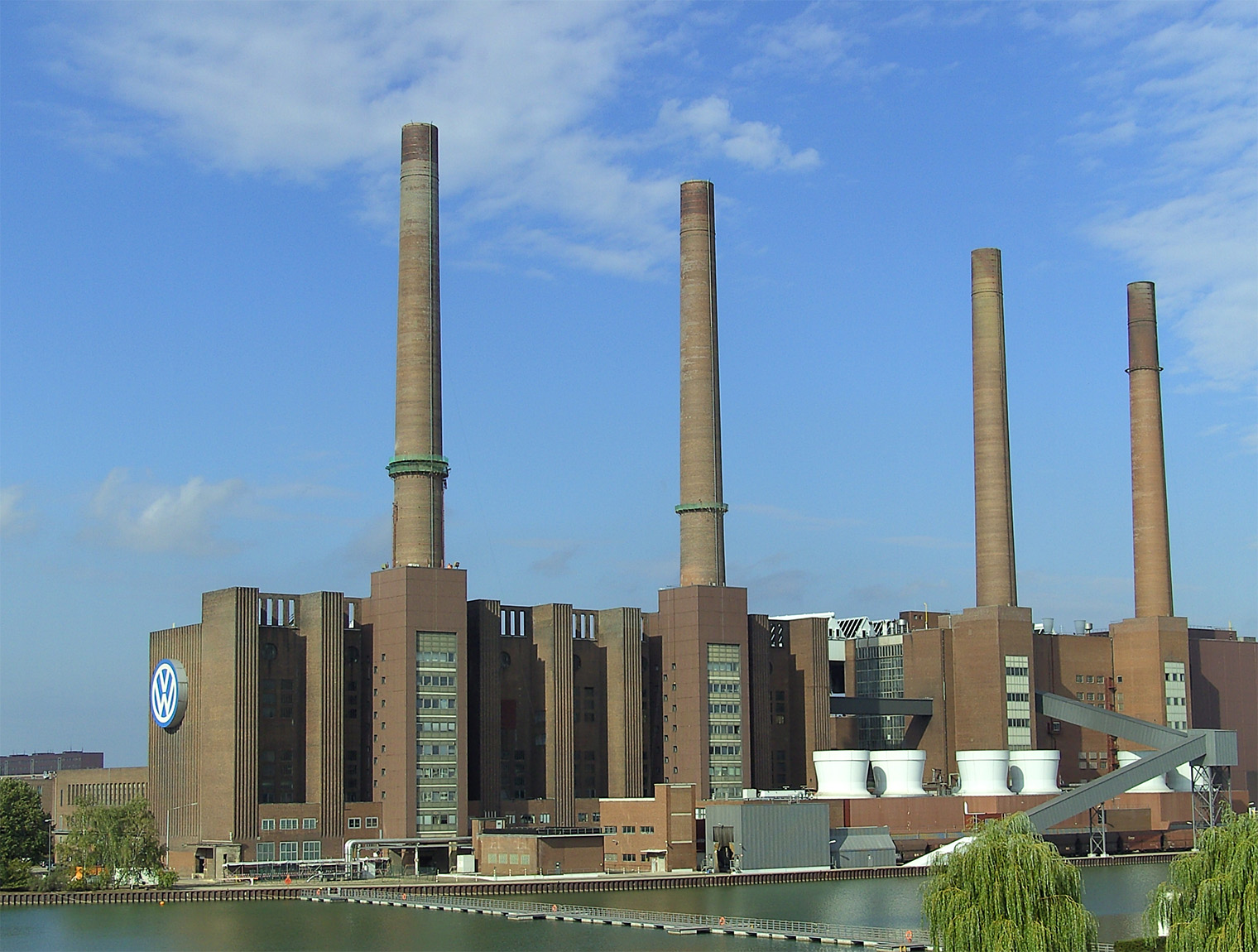
Europe’s former industrial engine is squeezed by high costs, weak competitiveness, and Chinese competitors. And popular discontent can no longer be brushed aside.
And here we come to something that I believe is even deeper than climate policy. The left’s and the Green Party’s long conflict with the car has never just been about the exhaust pipe. The car represents something fundamentally difficult to control—namely, freedom.
Jonas Andersson
In Sunday’s state election in Saxony-Anhalt, AfD received almost 44 percent of the votes, becoming by far the largest party. CDU stalled at around 17 percent. It’s a political earthquake in Europe’s biggest economy.
Of course, AfD’s successes are not only about energy. Mass immigration, crime, Ukraine, and growing dissatisfaction with the political establishment play big roles.
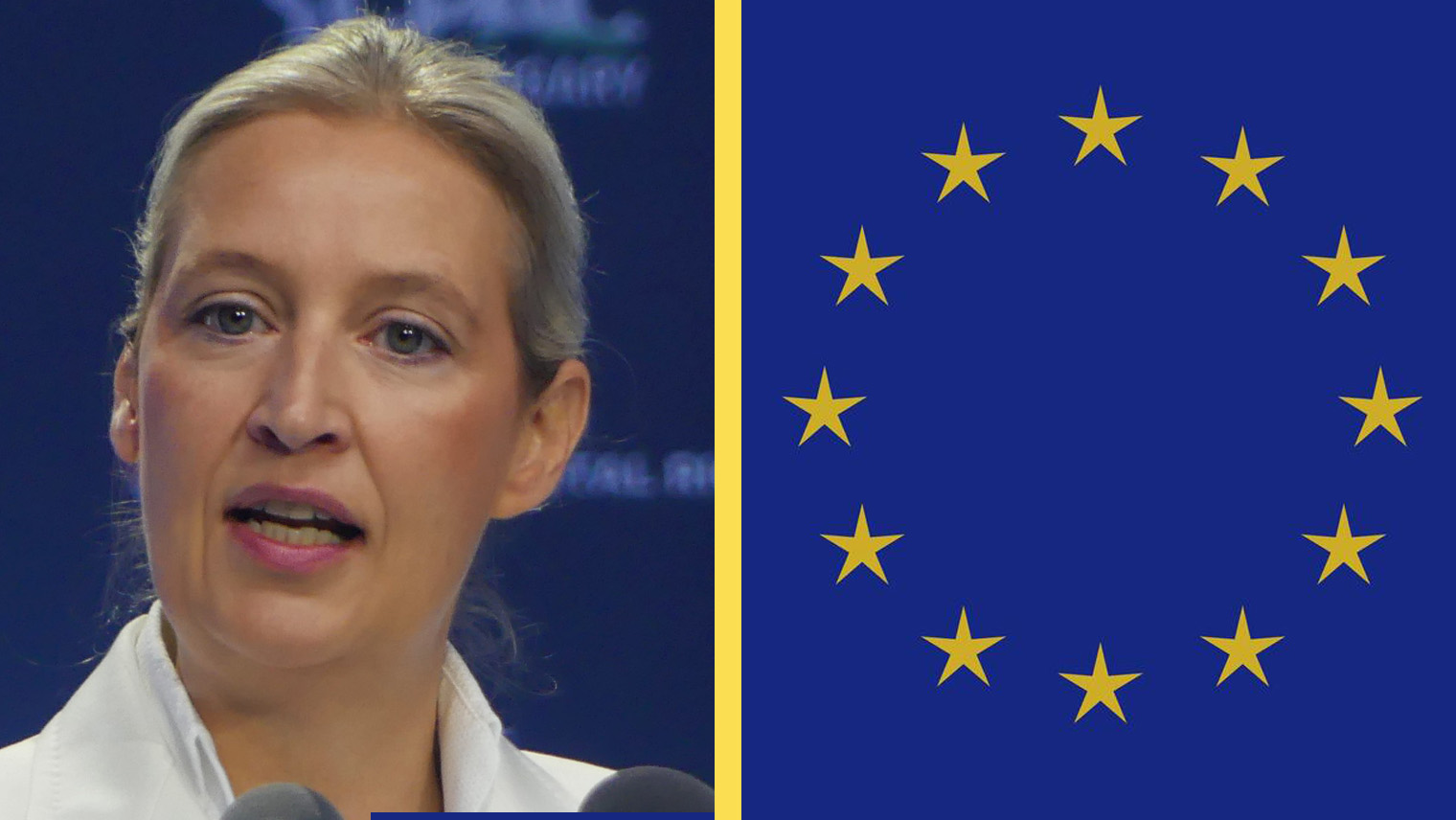
But Europe’s political leaders should reflect on what happens when ordinary people start to feel that politics is no longer improving their standard of living—but is actively making it worse.
People will accept a lot. But they won’t accept endlessly becoming poorer.
The Car Is More Than a Means of Transportation
And here we arrive at something I think is even deeper than climate policy. The left’s and the Green Party’s long conflict with the car has never just been about the exhaust. The car represents something fundamentally difficult to control—freedom.
READ ALSO: No parking in the Green Party’s vision for Stockholm
I can get into my car at two in the morning and drive to Gothenburg. I don’t have to ask anyone. No politician decides the departure time. No regional transit authority determines the route. No municipal planner decides at which stop I have to get off.
I can continue on to Copenhagen if I feel like it. I can fill the trunk, pick up my kids, visit an old friend, head out into the woods, or drive across all of Europe. The car decentralizes power.
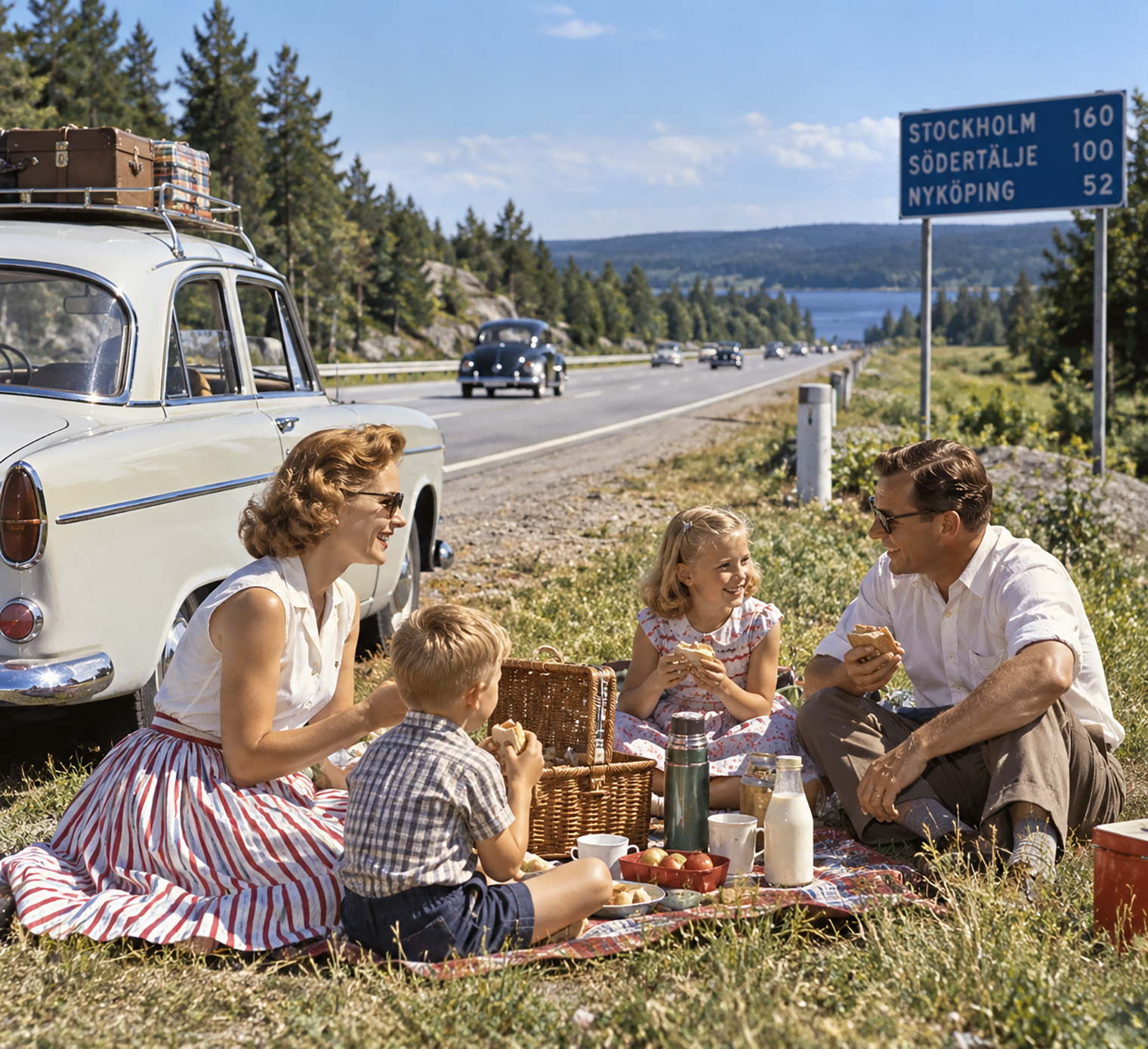
That’s why I don’t believe the conflict about the car can be understood as just an argument about carbon emissions per kilometer. The car is one of history’s great machines of freedom. It gave ordinary people a freedom of movement that had previously been reserved mainly for the rich.
Civilizations can go backward. Industrialized countries can be deindustrialized. Businesses can leave. Capital can exit the country. Skills can disappear and people can wake up one morning and discover that what their parents took for granted has suddenly become a luxury.
Jonas Andersson
When the state deliberately makes a behavior more expensive to get people to stop doing it, the state is using economic power to control how people live. That is the whole point of the instrument. Amanda Lind herself says Sweden must reduce traffic emissions. The Green Party also wants to oppose government plans for new nuclear power and instead prioritize renewable energy.
READ ALSO: Diesel Prices, the Ten-Krona, and Magdalena Andersson’s Lack of Credibility
So, it is not an unfortunate side-effect that car usage will be affected. That is the intention.
A Poorer Sweden Is Still Poorer
There is something else that should worry us. We seem to have started viewing our prosperity as if it were impossible to lose, which it never has been.
Civilizations can go backward. Industrialists can become deindustrialized. Companies can move. Capital can leave the country. Expertise can disappear and people can wake up to find that things their parents assumed were a given have suddenly become a luxury.
Europe also finds itself in a world where our competitors don’t intend to do us the favor of making the same mistakes at the same time. China plans to compete. The USA plans to compete. The rest of the world plans to compete.
If, however, Europe decides to make energy, transport, and industrial production more expensive, and then tries to compensate for the consequences with grants, subsidies, and even larger political systems, the end result will not be a morally superior Europe.
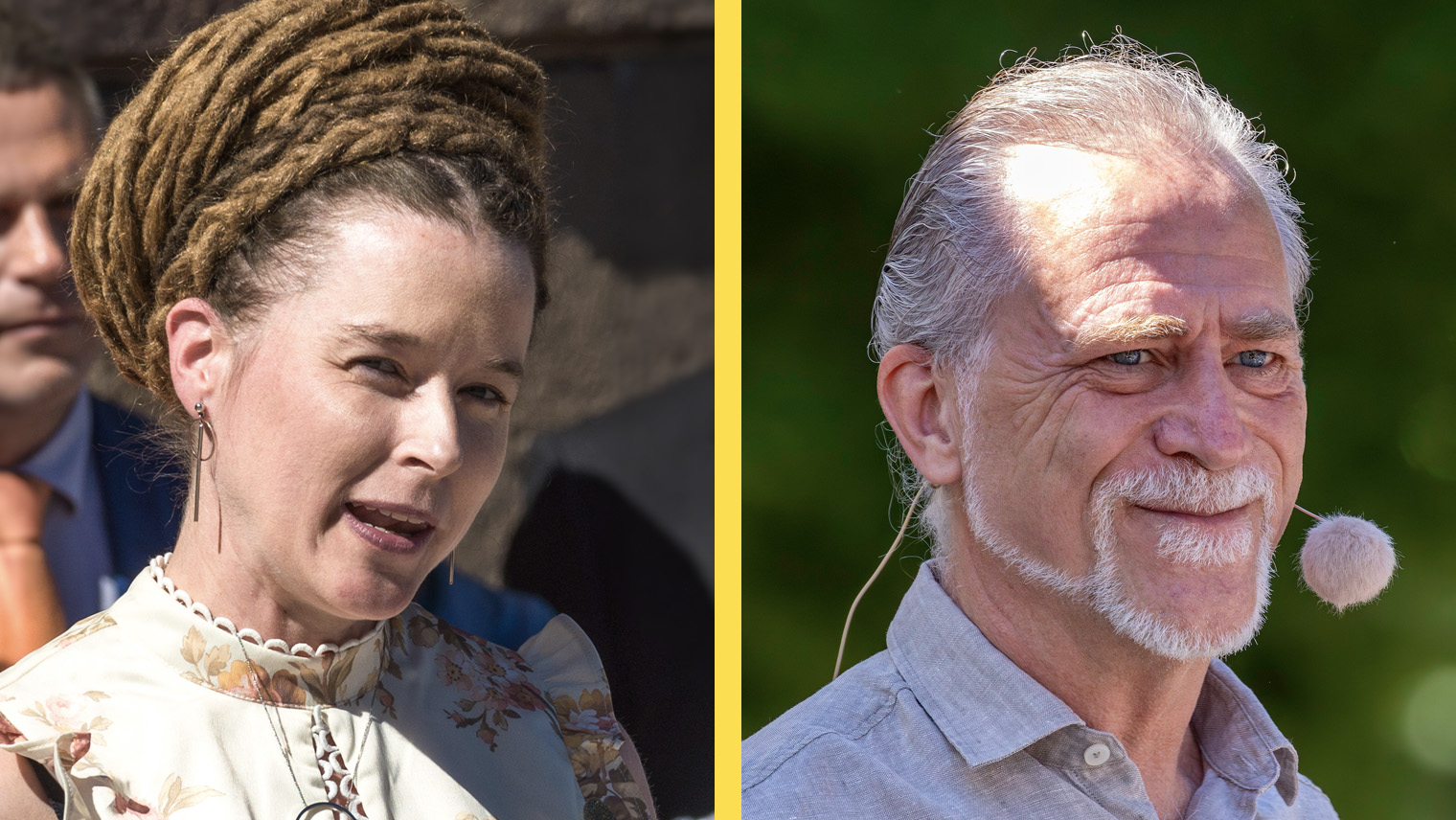
The result will be a much poorer Europe. Add to that decades of mass immigration from dysfunctional countries and cultures, growing parallel societies, and ever-deepening ethnic and religious conflicts—and we have created the perfect storm.
ALSO SEE: VIDEO: Åkesson and Helldén Clash over “Insane” Energy Policy
Economic collapse, social breakdown, and in the worst case, civil war. A recipe for disaster.
Six kronor more for gasoline alone will not ruin Sweden. But behind the six kronor is a political philosophy that sees expensive energy, reduced mobility, and political control over people’s lives as the road to the future. That’s not the road to the future; it’s the road back.
Jonas Andersson
And now Sweden faces an election where the Green Party may have a decisive influence over the next government.
READ ALSO: How Should We Relate to Politicians Like Amanda Lind (Green Party)?
This is fundamentally about two completely different views on how a society creates prosperity. One is based on cheap and abundant energy, industry, mobility, and people’s freedom to shape their own lives. The other uses taxes, fees, bans, and high prices to steer people toward the behaviors politicians consider to be correct.
Sweden did not become rich by making energy scarce and expensive. Our ancestors built hydropower, nuclear power, roads, railways, factories, and power lines. They made it cheaper to produce, transport, travel, and trade.
They built prosperity by tearing down barriers. The Green Party is building new ones—and calls it progress.
Six kronor more for gasoline alone will not ruin Sweden. But behind the six kronor is a political philosophy that views expensive energy, reduced mobility, and political control over people’s lives as the way to the future.
That is not the way forward. That is the way backward.
A rich country can make itself poor. An industrial nation can be deindustrialized. A free people can get used to the state gradually restricting their room for maneuver. None of it needs to happen overnight.
All it takes is six kronor at a time.