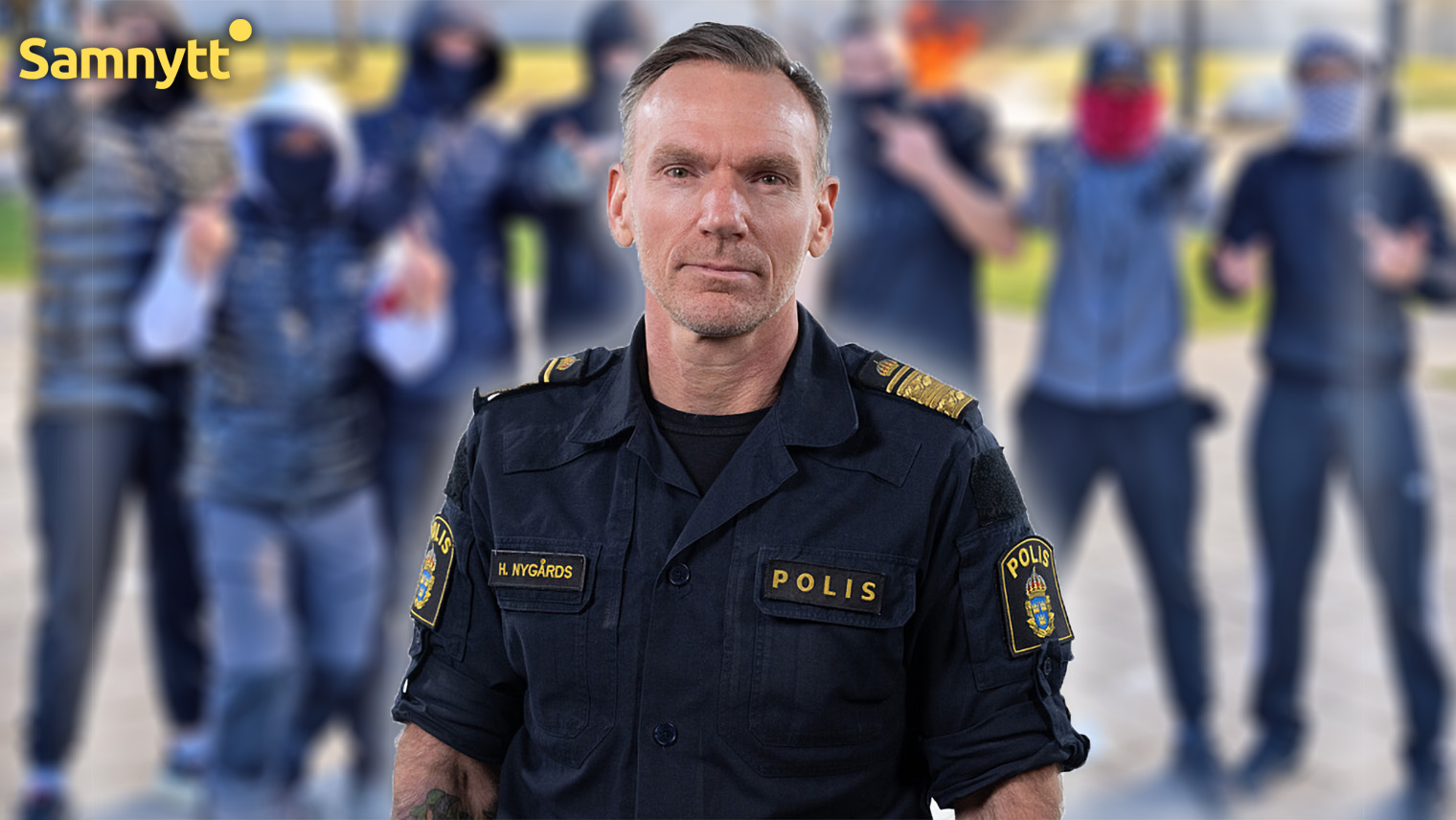
For the first time in a long while, Gothenburg has gone an entire year without anyone being shot in the city’s gang-related immigrant criminal environments. The police describe this as unique, pointing to better intelligence work, closer cooperation, and increased pressure on the networks. At the same time, they warn that organized immigrant crime remains and argue that the responsibility to prevent the recruitment of child soldiers with Kalashnikovs and hand grenades does not lie with the police alone, but with society as a whole.
September 9 marks exactly one year since the last gang-related shooting in Gothenburg. This represents a dramatic break in the trend for a city that for many years has been heavily affected by conflicts between criminal immigrant networks.
The most recent deadly shooting occurred on Vinlandsgatan in Hisingen on September 9 last year. Since then, the police have registered two confirmed shootings, in Kortedala and Särö respectively, but no one was hit.
The contrast to previous years is striking. In 2013, there were 56 registered shootings in Greater Gothenburg. Eight people were killed and 30 injured. Even 2024 was a very violent year with 47 shootings, four deaths, and seven injuries.
ALSO READ: Here is the police’s statistics on shootings and bomb attacks
In 2025, the number of shootings fell sharply to 15, even though the prolonged conflict in the immigrant-dominated “vulnerable” Biskopsgården continued to cost lives. Five men were shot dead during the year. Since last autumn, however, the trend has been completely different.
Police Chief: “Unique”
Hampus Nygårds, regional police chief in the West since March 2025, describes the past year’s development as remarkable. What stands out most, he says, is how quickly a long-standing spiral of violence has been broken.
– We had a negative trend where things were constantly going the wrong way. That we’ve been able to turn that around the way we have now, I would call that unique. Normally, violence breeds violence. It’s not natural for it to suddenly subside. It’s noteworthy and we are proud and pleased that we’ve managed to maintain this over the past year, Nygårds told Göteborgs-Posten.
However, this does not mean that Gothenburg’s criminal immigrant networks have disappeared. According to Nygårds, assignments to commit murder and violence continue to circulate in criminal environments, while children and young adults are recruited to carry them out. Thus, the police’s work is still largely focused on identifying planned acts of violence and intervening before they happen.
Organized immigrant crime is also a much larger phenomenon than just the visible shootings. A report estimated that the criminal economy in Sweden turns over about 350 billion kronor annually. It has also been pointed out that fewer shootings can signal that gangs are doing well, as they can spend time and resources on crime rather than killing each other in conflicts.
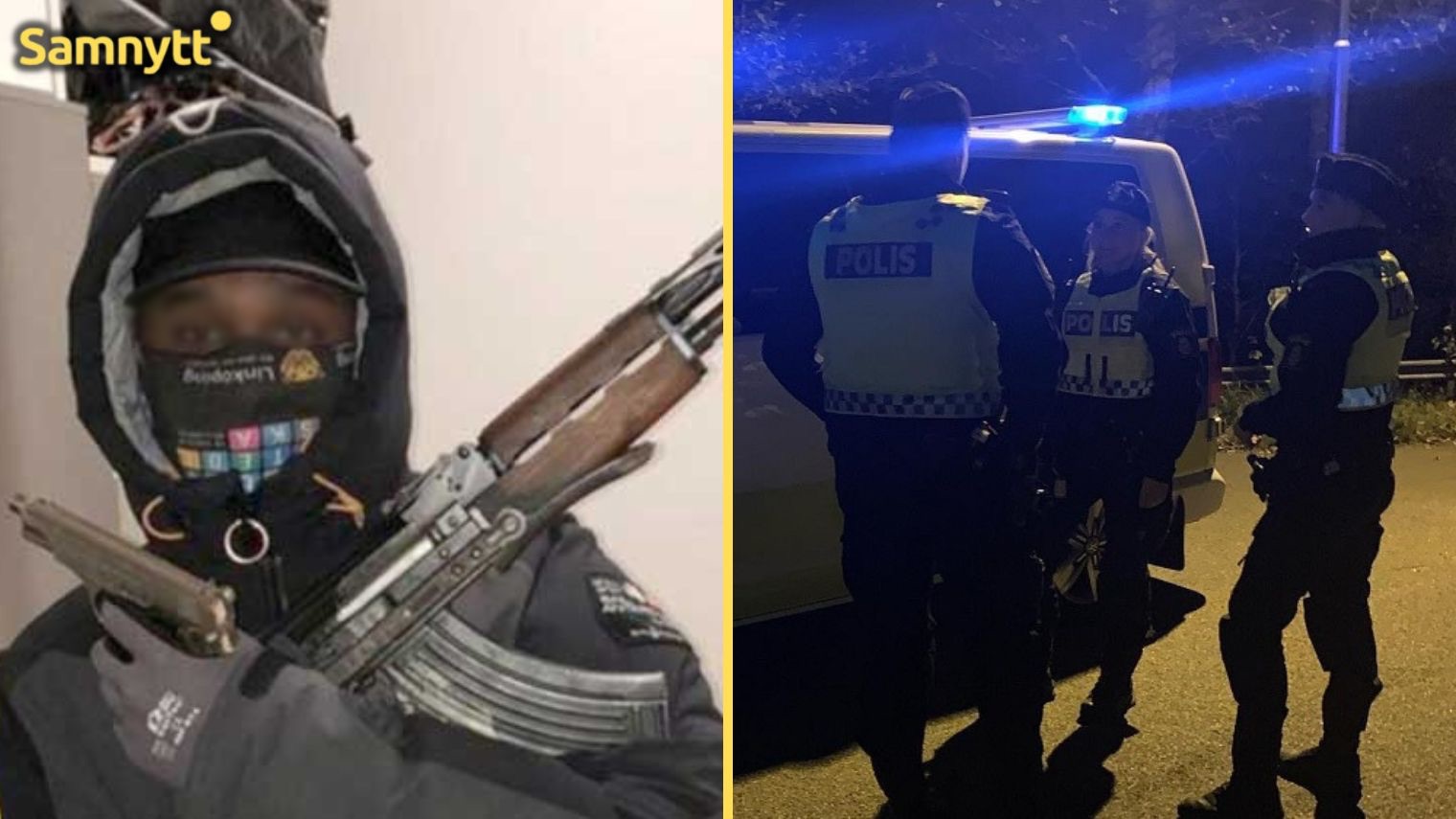
Changed Gangs Have Forced the Police to Adapt
Emelie Kullmyr, police area chief for Greater Gothenburg, also emphasizes that the absence of shootings does not mean the underlying problem is solved. She describes shootings and bombings as symptoms of organized crime that still remains strong.
According to her, an important part of ongoing work is to prevent very young people from getting drawn into these networks. That police are no longer surprised by reports that eleven-year-olds are being recruited as child soldiers illustrates, according to Kullmyr, how far things have gone. Therefore, the police need to focus much more on prevention and become better at targeting the economic drivers behind crime.
Both Kullmyr and Nygårds highlight several explanations for why serious gun violence has been pushed back. The police have gained greater knowledge about how the networks operate, information exchanges have improved, and cooperation with, for example, social services and schools has become closer.
Meanwhile, gang crime itself has changed. Conflicts and murder assignments are no longer clearly tied to a certain district or even a certain city. An order to kill someone in Gothenburg may come from a contractor in Stockholm or abroad, and be carried out by someone with no previous connection to the victim.
ALSO READ: New gang trend: Fewer shootings – more bomb attacks
This has forced the police to work more regionally, nationally, and internationally. Information about individuals and planned acts of violence is connected across geographical boundaries in a completely new way.
The extended possibilities to seize money and other assets from criminals has also been significant, according to police. International police cooperation has, furthermore, made it possible to arrest network leaders who have tried to direct Swedish crime from abroad and bring them to Sweden.
– We have actually shown that crime can be driven back and dampened. But it’s far from over; it’s a fragile situation, Kullmyr told GP.
Could Quickly Change Again
The police therefore do not wish to conclude that Gothenburg has permanently left gang shootings behind. A new conflict could quickly arise and change the situation in a short time.
Kullmyr also stresses that the progress made over the past year is no coincidence. For example, the police continue to map out and monitor a criminal network even after a key figure has been taken into custody. This long-term and determined approach, she says, is a key explanation for the result.
Perhaps the most important difference compared to a few years ago is not that the willingness to use severe violence has disappeared. On the contrary, the police say that murder assignments are still being ordered and that young people are still being recruited. The difference is that far more plans now seem able to be detected and stopped before anyone can pull the trigger.
Wants to Place Greater Responsibility on Society as a Whole
Despite the police’s success, regional police chief Hampus Nygårds wants to broaden the question of who bears responsibility for combating this trend. Above all, in preventing children from being recruited into the networks, he believes police efforts alone are not enough.
Asked whose responsibility it is to save children from the gangs, he points to everything from parents and schools to municipalities, associations, and other authorities.
– Children are shooting children with Kalashnikovs on our streets. They’re throwing hand grenades. To me, it is very clear that this is a societal problem, and it therefore requires a societal mobilization. Everything from families and schools to municipalities, associations, and other authorities. As a society, we need to do things very differently than we have so far, Hampus Nygårds told GP.
This line of reasoning has raised questions about where the line is drawn between society’s general responsibility for prevention and the state’s specific responsibility to combat the most serious crime. When children are recruited to shoot people with automatic weapons or throw grenades, there are few actors in civil society with the authority, training, or equipment to intervene. In these cases, it is the police and judicial system that have society’s mandate and resources.