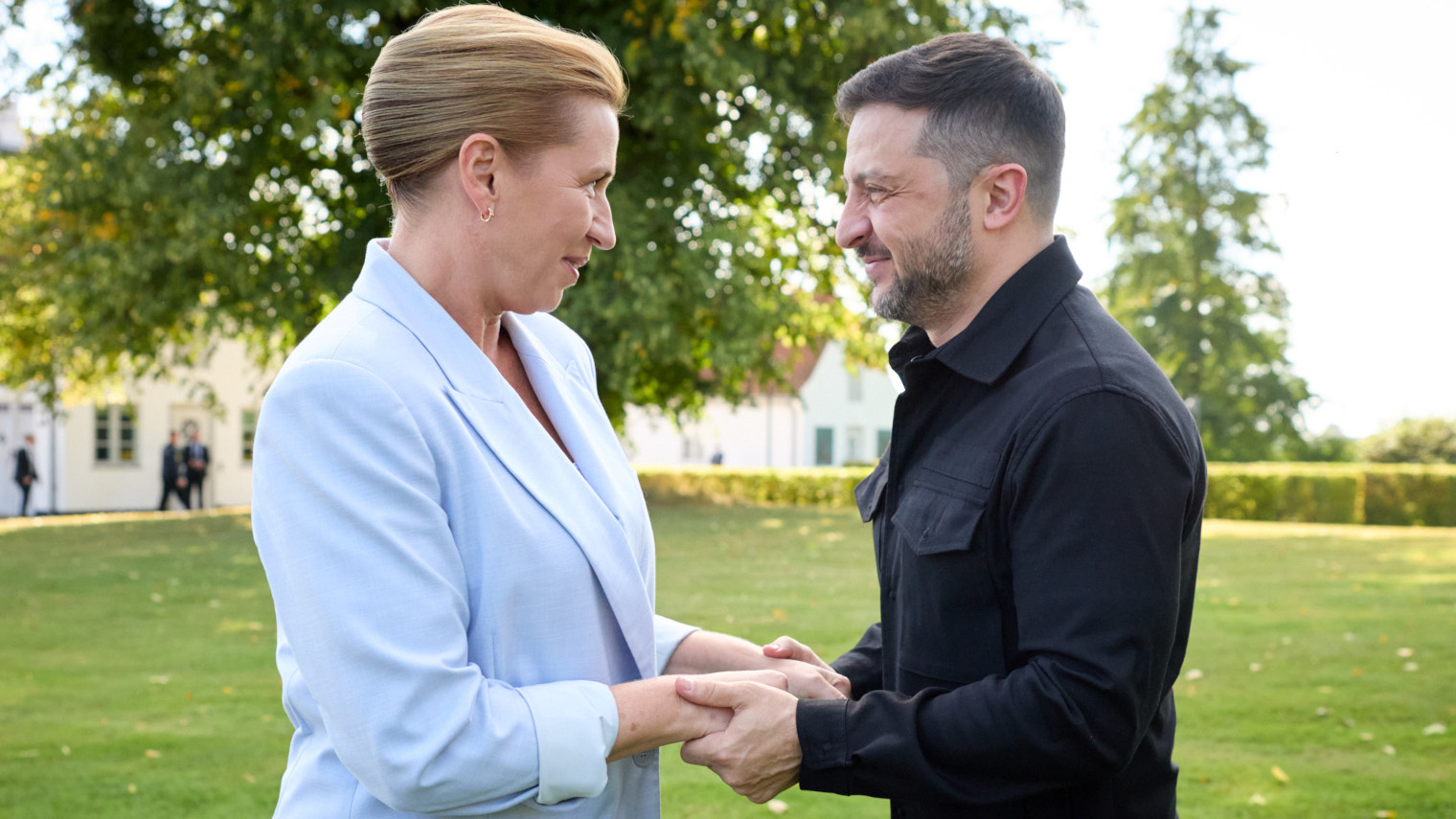
Samnytt’s Mattias Albinsson writes in this news column about the Danish election, and how certain parties’ heavy focus on international events and conflicts may have cost them voter support.
On Tuesday, Danes went to the polls. A parliamentary election that attracted the lowest share of eligible voters in 35 years, writes Altinget. Perhaps a sign of growing political disillusionment among the electorate?
After the votes were counted, it remains unclear what the country’s future government will look like. All parties in the governing coalition—Socialdemokratiet, Venstre, and Moderaterne—have lost ground.
ALSO READ: Disastrous election for the Social Democrats in Denmark
No so-called bloc has a majority of its own, and to make matters worse, the balance of power within the blocs has become more complex.
Support for Ukraine
The three governing Danish parties together losing over ten percent of the vote is remarkable. Analysts and commentators will likely devote the coming days and weeks to understanding the causes behind this sharp decline.
Perhaps not all analysts will dare address it, but one circumstance that at least partly hangs like a damp blanket—layer after layer—over the Danish government parties’ slide in public opinion is the war in Ukraine.
According to the Kiel Institute’s Ukraine Support Tracker and several other surveys, Denmark is the country that has given the most money to Ukraine relative to its economy. Nearly 11 billion euros, or about 120 billion Swedish kronor—just under 3.3 percent of Denmark’s GDP.
The Danish people’s support for Ukraine is still substantial, even if it has faded quite a bit during the more than four years the war has been ongoing. At least if you believe the EU’s own Eurobarometer or the opinion institute YouGov.
Now, fewer than half of Danes wish to support Ukraine until the Russians are defeated. More and more are leaning instead toward a negotiated compromise.
ALSO READ: More Western Europeans growing tired of supporting Ukraine
The Danes’ Economy
At the same time as tax money is drained from the state coffers to fund a war in a country most Danes knew little about five years ago, families like the Jensens, Nielsens, and Hansens struggle to make ends meet at home.
Prices for food, electricity, petrol and other staple goods have soared in recent years. And even before the war, Denmark was hardly a low-cost country—rather, it was known as the union’s most expensive country to live in. The war and the international situation have not made life any cheaper.
The never-ending stream of media images showing a female prime minister embracing the Ukrainian president offers little comfort when it’s time to pay the rent or when “luxuries” like coffee, fruit, or candy for the kids have to be put back on store shelves—simply because the money isn’t there.
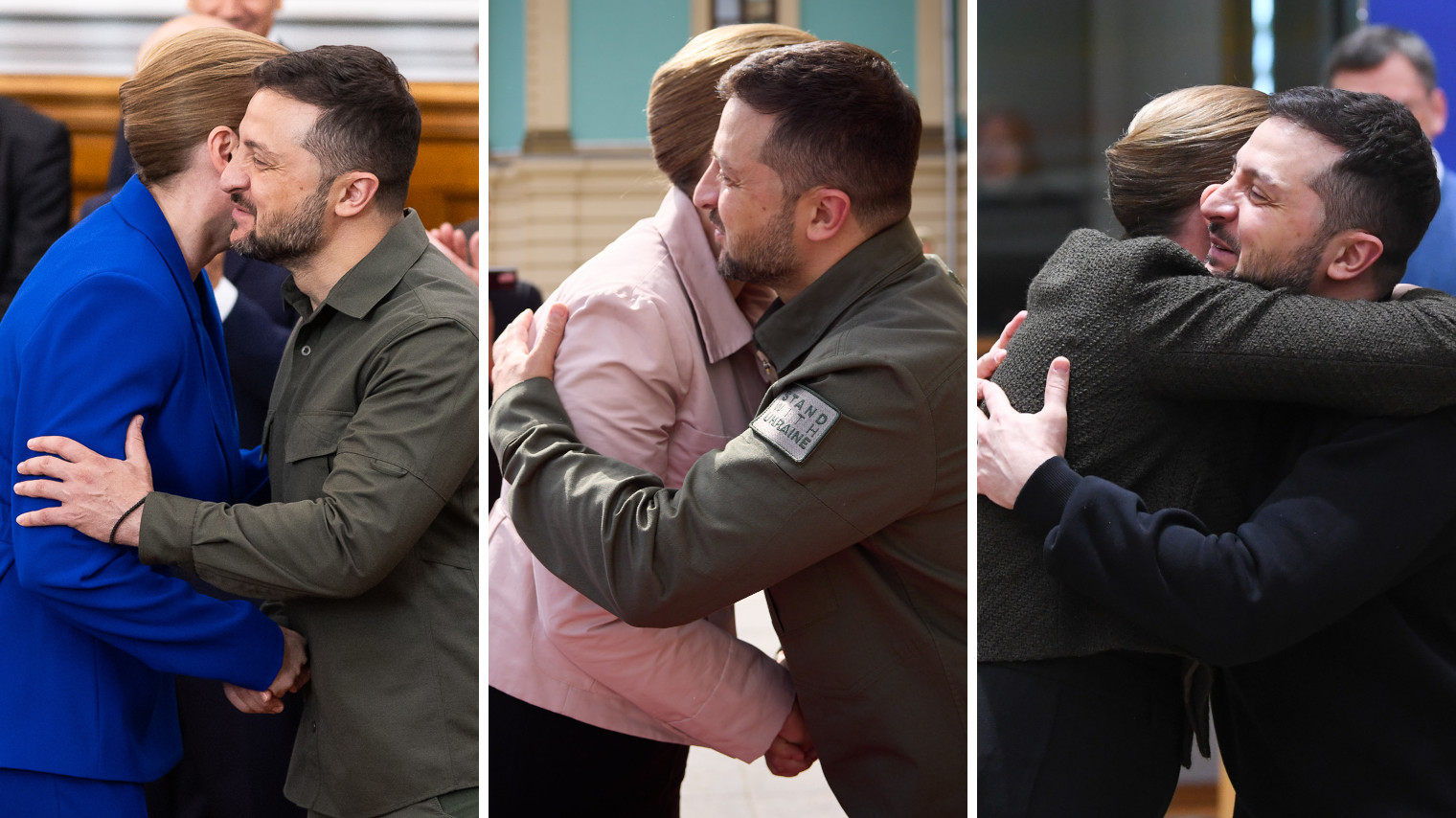
This could be a partial explanation for why Danes are seeking out other parties than the trio that for four years have sent their hard-earned money to Ukraine.
But the situation gets even worse.
The Threat of War from the USA
In January this year, Denmark prepared for war against the USA. The background was the American president’s repeated military threats, where he expressed a desire to take control of Greenland—by force if necessary.
In Sweden, many laugh at this and think it’s silly. Trump has a small fan club that tends to cheer on everything their idol does. They claim he is either “trolling” or that it would be good if the USA went to war with the Danes.
Nonetheless, the threat of war was perceived as very real by the Danish government.
ALSO READ: Several sources: Denmark seriously prepared for war against the USA
However, when crisis meetings were called at Christiansborg, some problems arose. The generous military support provided to Ukraine in recent years has severely impacted Denmark’s defense capacity. It isn’t just tax revenues that have gone to Kiev.
The Danish government has also given away a significant portion of the country’s military equipment: advanced, complete coastal and air defense systems (with missiles), anti-ship missiles, small handheld air-defense missiles, fighter jets—not to mention upwards of 150 tanks, hundreds of armored vehicles, engineering equipment and, in reality, almost all Danish artillery.
So when the government in Copenhagen abruptly tasked its military to prepare the defense of Greenland, many asked: With what? What do we have left?
It appeared that the decision to weaken Denmark’s own defense capability in order to help Ukraine had been hasty. When the kingdom faced an actual military threat, the ability to defend itself had been eroded.
Lost Public Holiday
And as if all this wasn’t enough, Danes have also lost a popular holiday during the current term: Store Bededag, or the Great Prayer Day.
Until 2023, it was an official public holiday. Even though Danes may not be particularly religious, many enjoyed an extra day off on a Friday in spring, between Easter and Pentecost.
When the holiday was abolished, the decision was met with massive protests. Nearly half a million Danes signed a petition to stop it, but the government did not listen.
The declared purpose of abolishing Store Bededag was that Danes need to work more, allowing the state to collect more tax revenues to “strengthen Denmark’s defense.”
This reform has also been connected to the war in Ukraine, since a large portion of defense funds end up there.
Support for Israel
Perhaps it’s not only about Ukraine.
Another political star, Inger Støjberg, has since Hamas’ terror war against Israel began in October 2023, stood firmly behind the Jewish nation-state.
At first her statements defended Israel’s legally established right to self-defense. But the longer the war in Gaza drags on, the more pro-Israel her rhetoric has become.

She has posted on social media with various Jewish-Israeli lobbying groups, or photos of herself on a plane en route to Tel Aviv. Members of her party, the Denmark Democrats, have also taken controversial sponsored trips financed by Zionist lobbyists.
Støjberg has even gone so far as to demand that anyone wishing to become a Danish citizen must recognize Israel. She wanted support for Israel incorporated into the oath of allegiance to the Danish king and nation that all new citizens must swear.
The Denmark Democrats are, outside of the government parties, the party that loses most in the Danish election. Perhaps Støjberg’s deep commitment to another nation finally went too far?
More Africans in Denmark
The same pattern is repeated with Lars Løkke Rasmussen, Denmark’s foreign minister over the past four years and leader of the governing party Moderaterne.
Løkke Rasmussen, whose party takes inspiration from the Swedish Moderate party under Fredrik Reinfeldt, has throughout his term championed Africa and Africans. He has said he wants to open Danish universities to students from countries like Ethiopia, Ghana, Kenya and Nigeria.
He has refused to answer questions about how many Africans he wants to invite to Denmark, instead cryptically linking the proposal to the “rules-based world order.”
There has been talk of an Africa strategy, where Denmark and the Danes must move closer to the continent. Løkke Rasmussen has tried to get the rest of the Danish government on board with his ideas, often presenting them during one of his Africa trips.

Moderaterne is, as mentioned, another party that has lost support in the Danish election. Perhaps this is because it is part of the government, but the fixation on Africa is probably not helping their popularity.
Anti-Immigration Parties’ Comeback?
While it’s going badly for parties prioritizing Ukraine, Israel, and Africa, those focusing on domestic issues are faring much better.
The party that increased the most is the Danish People’s Party (DF). The party more than tripled its seats in the Folketing; from five to sixteen. This is the best result for DF since the record election of 2015.
DF’s political opponents have accused it of “betraying Ukraine”—partly for refusing to take on loans to donate money to the war-torn country. But this clearly isn’t losing them votes.
The Ukraine aid-critical party has also been joined by another anti-immigration group: Borgernes Parti (Citizens’ Party). Borgernes Parti, which wants to hold a referendum on continued support for Ukraine, openly advocates “remigration”—return migration.
On the left, the parties that focus on issues relevant to Danes are also being rewarded with votes. One such party is the Socialist People’s Party, which increased from fifteen to twenty seats and, among other things, is pushing for greater welfare investments.
And perhaps there are lessons for Sweden to draw from the Danish election? Perhaps the parties that prioritize Sweden, Swedes, and domestic issues will win voters’ trust in this autumn’s parliamentary election?
Do you appreciate Samnytt?
Hundreds of thousands read Samnytt every week—but only 1 in 100 contribute. Help us continue delivering investigations and in-depth reports that show more of reality.
Without your support, Samnytt wouldn’t exist.
Thanks to our readers, Samnytt has published almost 34,000 articles that reveal more of reality—the things the mainstream media often choose to hide.
123 083 33 50
Swish any amount
Thank you for reading and supporting Samnytt