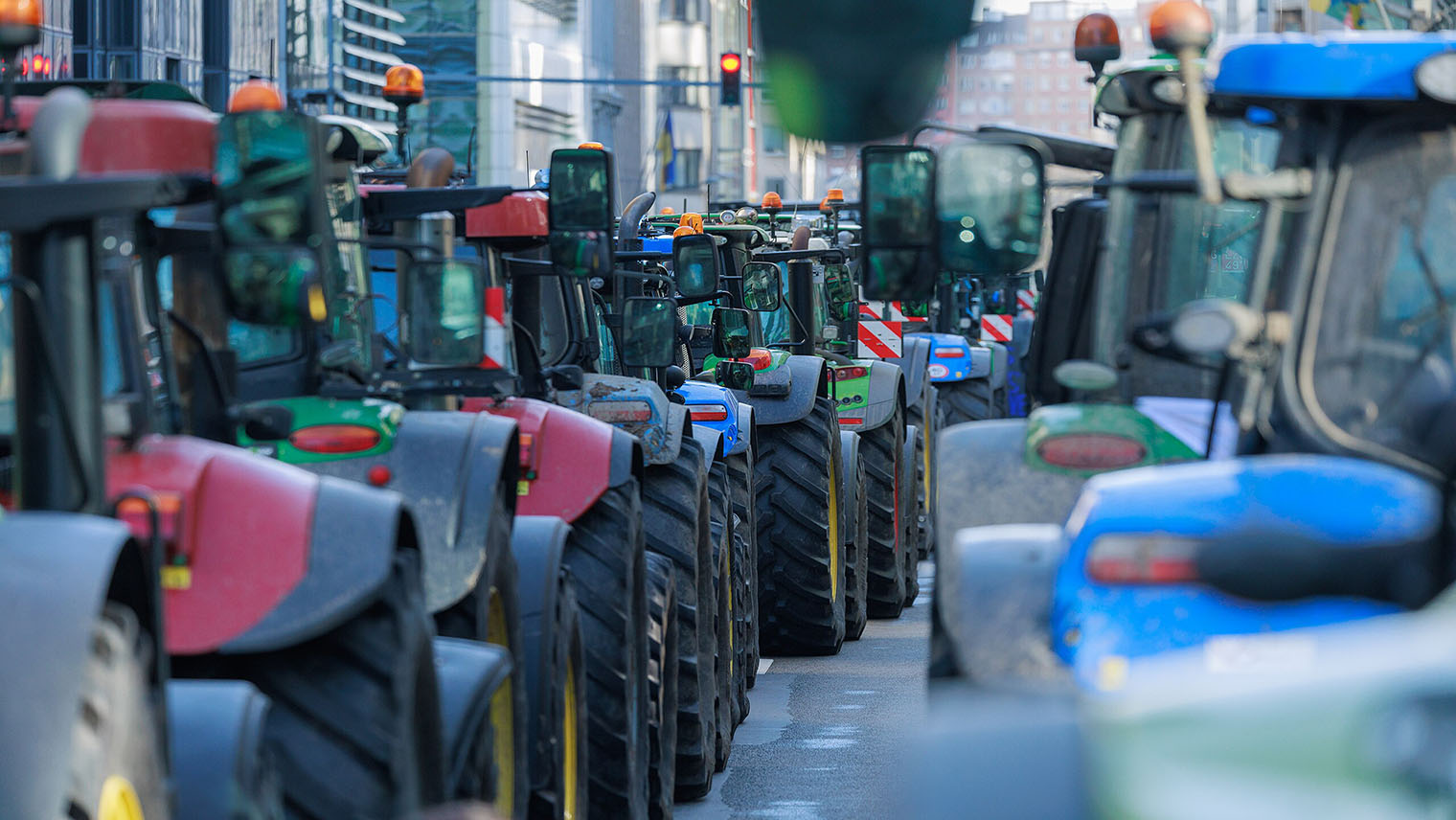
This week, around 10,000 farmers from across Europe are gathering in Brussels to protest against the EU’s future agricultural policy. The discontent concerns, among other things, planned cuts in agricultural subsidies, trade agreements with South America, and what the farmers see as an increasing administrative burden. Swedish farmers are also taking part in the demonstration.
On Thursday, December 18, Brussels is expected to become the scene of one of this year’s largest agricultural protests in Europe. The demonstration coincides with a meeting of the European Council, where EU leaders will, among other topics, discuss the Union’s next long-term budget.
ALSO READ: Orbán: The EU budget prioritizes the war in Ukraine – at the cost of European farmers
According to organizers, farmers from all 27 EU countries will participate—something described as historic.
– This is the first time farmers from every member state are participating in a protest. They all fear that the European Commission’s decisions will put unmanageable pressure on the sector, says Maëlle Mabecque, spokesperson for the European farmers’ organization Copa-Cogeca.
About 40 agricultural organizations are backing the demonstration, which aims to send a unified message to EU policymakers.
Critical of Weakened Agricultural Support
A key issue for the demonstrators is the European Commission’s proposal for the Common Agricultural Policy after 2027. The proposals are described as unacceptable because, according to farmers, they lack both sufficient funding and a unified approach among the member states.
There is also discontent with the EU’s trade negotiations with the Mercosur countries in South America. Farmers argue that the deal risks disadvantaging European agriculture and harming both competitiveness and food security.
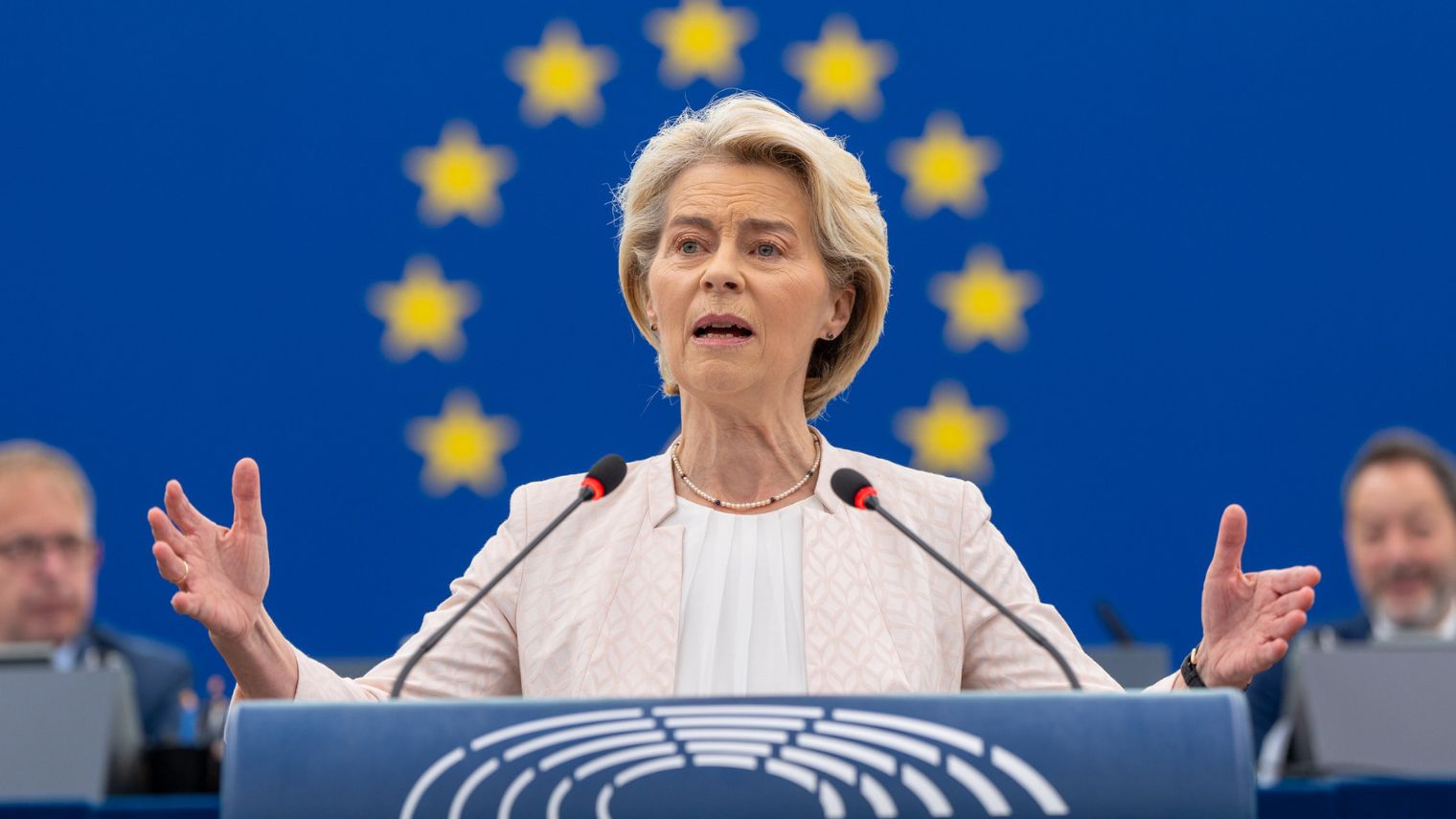
– They consider the agreement to be a historic mistake for the EU, for Europe’s farmers and for consumers, says Mabecque, stressing that agriculture and food supply are pillars of Europe’s security and independence.
In addition, farmers are demanding simpler regulations, better-adapted legislation, and increased legal certainty in their daily work.
Swedish Farmers Participate: “Double Messages from Politicians”
Among the participants are also Swedish farmers. One of them is Hans Ramel, a farmer in Sjöbo and former chairman of LRF Skåne.
– Protests at the European level are something we have seen work. It is also a way for us to take responsibility, he told SR.
ALSO READ: Farmers’ anger at von der Leyen’s budget: Consumers risk higher food prices
Ramel points to what he sees as contradictory signals from politicians. He believes that on the one hand, politicians emphasize the importance of agriculture in an unstable world, but at the same time make decisions that make things harder for European producers and open up for increased imports from countries with lower standards.
If the farmers’ demands are not heard, he warns of serious consequences.
– The risk if we remove subsidies for European farmers is that products produced more cheaply will enter the market, and the result will be that consumers end up exporting their environmental impact instead.
The European Commission’s proposal for a long-term budget has previously received sharp criticism from the Federation of Swedish Farmers (LRF) centrally. Despite the record size of the budget, major cuts are proposed in agricultural supports.
This, it is argued, will hit Swedish farmers hard, distort competition within the EU, and ultimately lead to higher food prices for consumers. LRF has urged Sweden’s government to act forcefully to stop or at least rework the proposal.
No Total Blockade – But Major Disruptions Expected
Unlike previous farmer protests, Brussels will not be completely blocked by tractors. Although some farmers will bring their vehicles, the focus this time is on a joint march to the European Parliament.
– We are not trying to block anything; we just want to be heard, says Mabecque.
Scenes like the one below played out during the farmer protests in Brussels in 2024.
Despite promises that such scenes will not be repeated this year, Belgian authorities expect significant traffic disruptions. The demonstration, combined with security cordons around the EU summit, is expected to affect both road traffic and public transport in much of Brussels for several days.
The protest will start on Thursday morning near Gare du Nord and end in the evening in the EU quarter—just hours before European Commission President Ursula von der Leyen travels to Brazil for talks about the very Mercosur agreement.