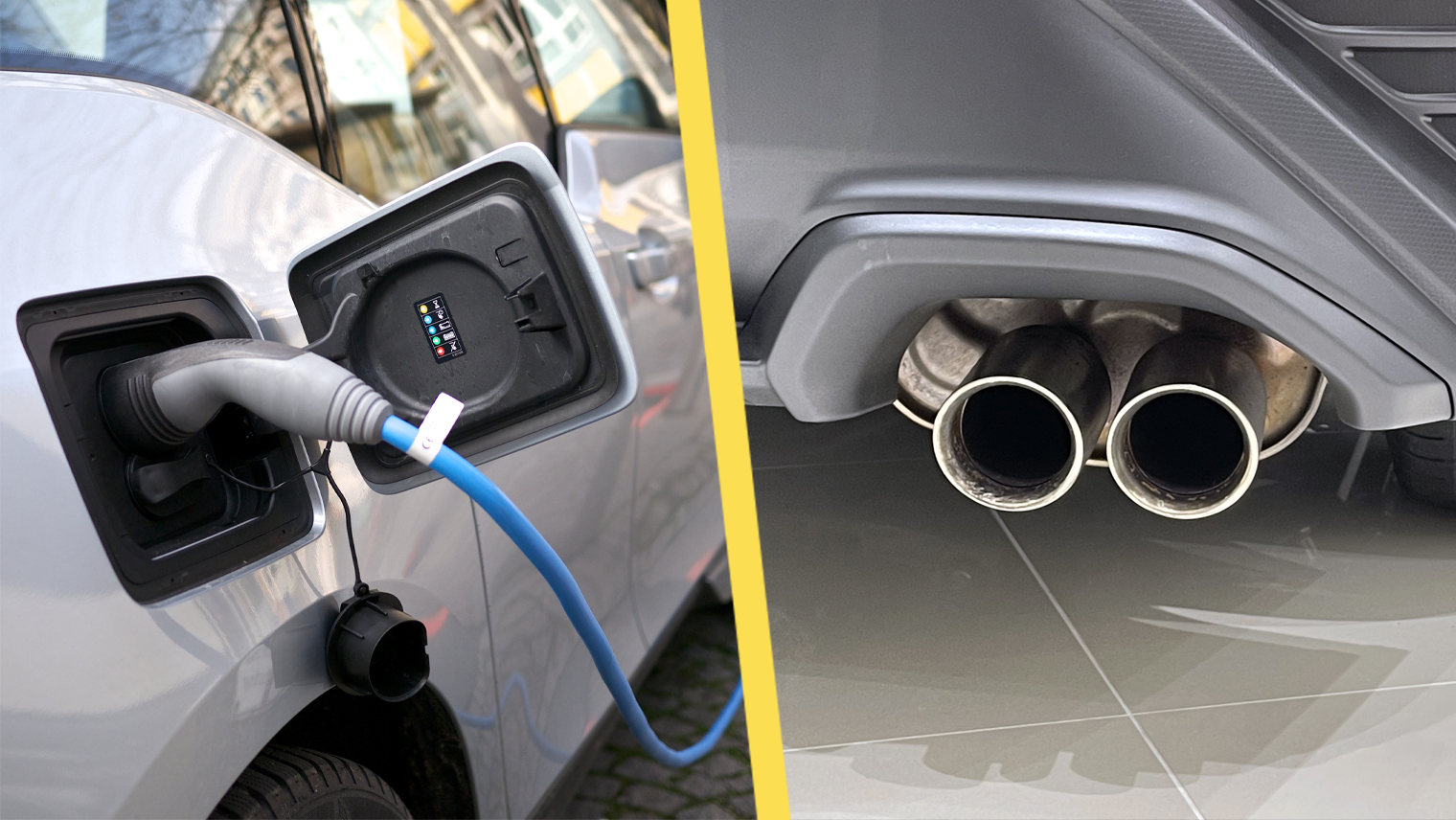
Having already been generally skeptical of electric cars, the Swedish people have now begun to revert to buying gasoline and diesel cars. This is one of the findings in a new large :censored:6:cdd6bbaa89: survey.
Interest in buying an electric car or plug-in hybrid is decreasing significantly, as shown in the survey from EY Mobility Consumer Index, which includes 20,000 people in 32 countries. One in three Swedes plans to buy a car in the next two years, but the significant difference this year is the type of car that consumers are interested in buying.
While the interest in cars with internal combustion engines has increased by 15 percentage points in Sweden compared to last year’s survey – from 34 to 49 percent, the interest in battery-powered electric cars has decreased to 16 percent, a decrease of three percentage points from 2024. The biggest decrease is seen in the interest in hybrid cars (both full hybrid and plug-in), which has dropped from 41 to 26 percent.
READ ALSO: Many electric car buyers rank this higher than the environment
The trend is also evident in the rest of the world, where half of all car buyers intend to buy a car with a gasoline or diesel engine in the next 24 months, an increase of 13 percentage points from 2024.
– It is worrying to see such a clear decline in interest in electric cars, both in Sweden and :censored:6:cdd6bbaa89:ly. The new figures show that the long-term trend is towards a more diversified future for vehicle powertrains, with even slower development for electrification than previously assumed, says Martin Cardell, :censored:6:cdd6bbaa89: head of future mobility solutions at EY.

Expensive batteries
For many who are skeptical of electric cars, concerns such as expensive battery replacements are cited as the primary worry, followed by limited range and the cost of buying the car.
– Many consumers seem to hesitate due to misconceptions about electric cars, such as concerns that the batteries won’t last or that maintenance costs will be higher. There is an information gap where the goals for sustainable mobility risk being pushed into the future if we fail to rebuild trust and address the concerns that affect consumer decisions, says Martin Cardell.
READ ALSO: Drivers not satisfied with electric vehicles – switching back to gasoline