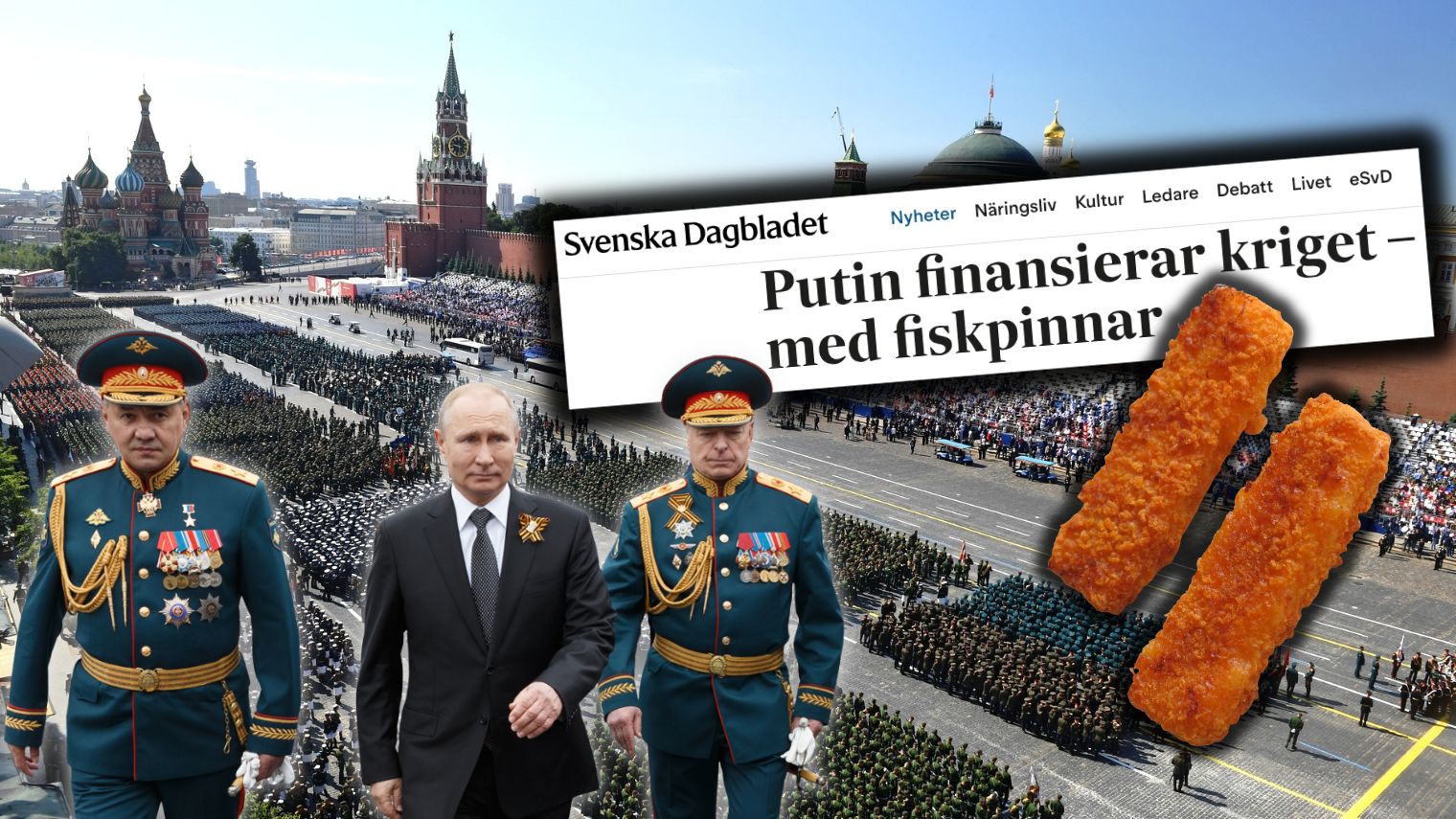
In an article in Svenska Dagbladet, the newspaper points out that despite extensive sanctions against Russia, the EU still imports Russian fish worth billions of kronor every year. According to SvD, the fish is caught in Russia but processed in, for example, China before being sold on with the label “Product from China” or “Product from Germany.” This is highlighted as a way for Russia to continue financing the war in Ukraine. At the same time, Germany is singled out as an obstacle.
Since Russia’s invasion of Ukraine in the spring of 2022, the EU has introduced a long line of economic sanctions—a total of 20 so-called sanctions packages.
But despite the extensive sanctions, the war is now entering its fifth year. According to Finland’s President Alexander Stubb, the sanctions will not be able to stop or determine the outcome of the war, since, in his view, Russia is not affected by them.
READ MORE: Finland’s president: Russia will not give up the war because of sanctions or fallen soldiers
The import of Russian oil and gas, among other things, has decreased sharply but still continues to some extent. At the same time, thousands of Russian individuals and companies have been subjected to sanctions. Fish, however, remains an exception.
It mainly concerns white fish, for example Alaska pollock and other cod fish species used in fish sticks, fish burgers, nuggets, and crab sticks.
READ ALSO: Expressen: Russian military obliterated – now forced to use camels and donkeys
A large portion of the catch is first sent to countries like China for filleting and further processing before it is exported to the EU. This means the final product is often labeled with another country of origin, even though the fish was caught in Russian waters by Russian fishing vessels.
The box of fish sticks might say “Product from China” or “Product from Germany.” But if you follow the fish sticks through the maze of international shipping lanes and processing plants in different countries, you may eventually find that the fish was pulled out of Russia by Russian fishermen on Russian fishing boats.
– SvD
On many packages, it only states that the fish comes from the northeast or northwest Pacific Ocean—an area that includes American, Canadian, and Russian fishing waters.
The EU Commission considers that the imports contribute to Russian export revenues, thereby indirectly financing the Kremlin’s warfare in Ukraine.
Brussels wants to introduce new restrictions
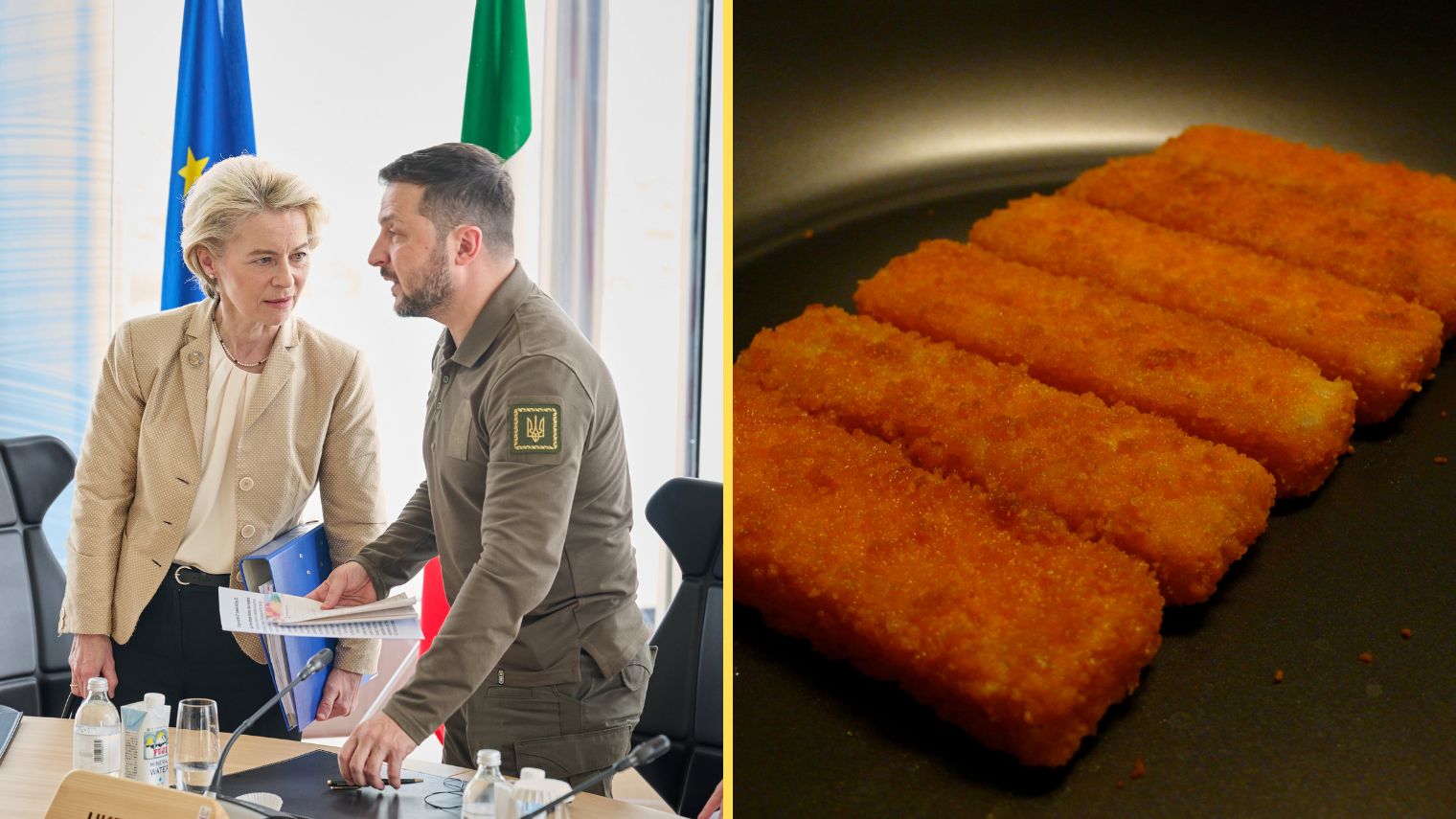
European Commission President Ursula von der Leyen has announced that the commission wants to include the fishing sector in the next sanctions package against Russia.
READ ALSO: von der Leyen: The sanctions have shattered the Russian military industry—in ruins, forced to dismantle household appliances
The proposal includes strong import restrictions for certain fish products and a total import ban for others, including cod. The aim is for member states to agree on the package during the summer.
Germany warns about jobs
According to diplomatic sources in Brussels, however, the proposal faces resistance. Germany is particularly singled out as an obstacle.
Germany is the EU’s largest importer of Russian fish and, according to European Commission statistics, imported Russian fish worth 284 million euros last year. In addition, imports are said to have increased by about 82 percent since the war began in 2022.
READ ALSO: AFD: Germany’s economy is collapsing
The German government reportedly believes that an import ban risks hitting the domestic food industry hard, where thousands of people work processing, packaging, and selling fish products.
It is not just the German food industry that is shrinking. The German car industry is also under heavy pressure. In recent years, the auto industry has announced extensive savings and job cuts against the background of high energy costs and a weaker market. Volkswagen, for example, has opened to the possibility of reducing its workforce by up to 100,000 employees.
READ ALSO: German car industry collapses – Volkswagen may lay off 100,000