
After the Moderates, Christian Democrats, and Liberals reached an agreement with the Sweden Democrats on the Tidö Agreement following the 2022 election, he wrote that Sweden was on its way to becoming a former democracy and that the deal was “totalitarian.” Now, as the parliamentary term nears its end and the election approaches, it is clear that Henrik Arnstad did not have many correct points in his prediction.
The Tidö Agreement was presented and signed on October 14, 2022. It is a political agreement between the Moderates, Christian Democrats, Liberals, and Sweden Democrats. The following month, in November, Henrik Arnstad publicly warned that the collapse of democracy was imminent.
In his op-ed piece, Arnstad, who describes himself as a historian and science journalist, compared the Sweden Democrats to Mussolini and Hitler. He also claimed that “the Swedish people were never allowed to discuss the future of democracy during the election campaign,” “scared people are obedient people,” and “this is how anti-democracy works.”
He further claimed that the Tidö Agreement was not only authoritarian but also totalitarian, and that it wanted to “control our thoughts.” Fundamental liberties and rights would also be eroded.
READ ALSO: Arnstad: SD Submits Motion to Introduce Fascist Dictatorship
The idea that Sweden has become a former democracy is hard to reconcile with the upcoming election in September, especially as the red-green bloc currently leads in opinion polls. A couple of years ago, we also had free elections for the EU Parliament. Nothing indicates that Sweden has ceased to be a democracy.
The term ‘totalitarian’ is often used in reference to states like Nazi Germany, the Soviet Union, and North Korea. What these had in common were things such as a single permitted party, censorship, no free elections, political prisoners, state propaganda, control over the media, and control over the judiciary.
Arnstad was also wrong here.
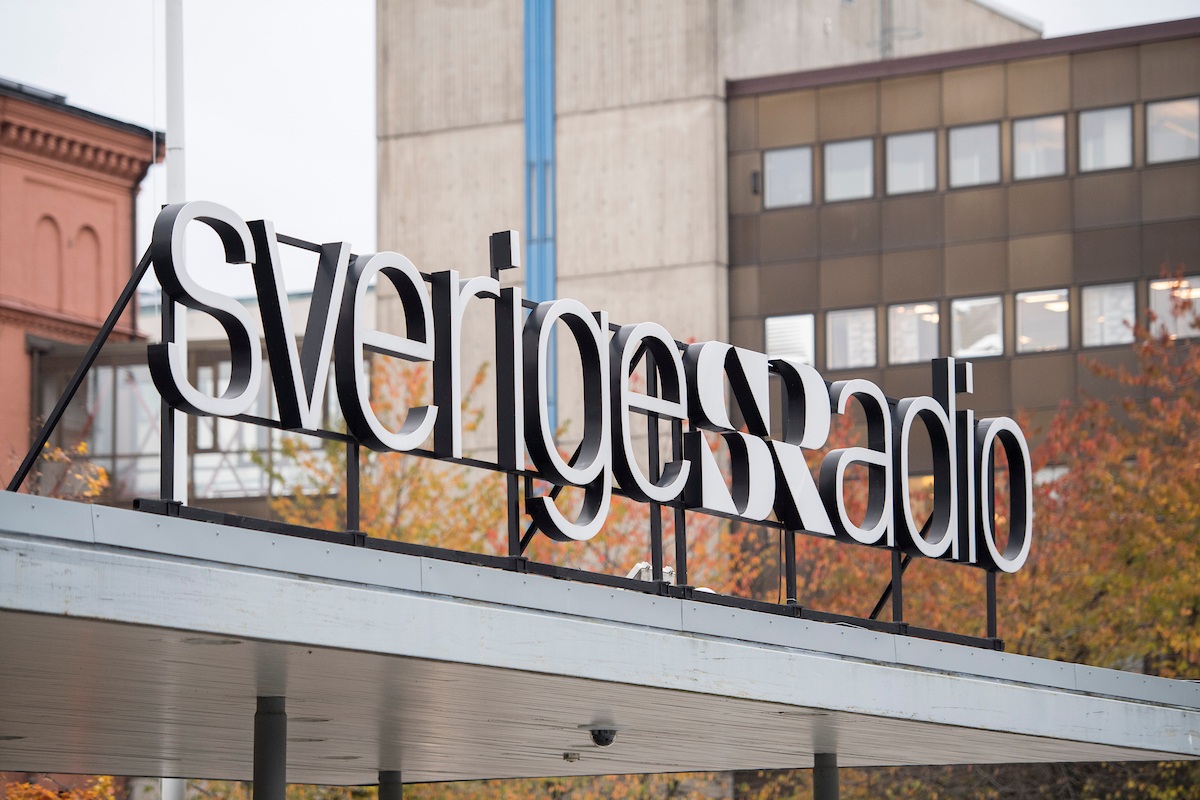
Considering that the state forces the Swedish people to pay for public service, which is extremely left-leaning, one might instead question whether it is not the left that should be accused of “propaganda.”
The Left Punished ‘Wrong’ Opinions
The claim that the state wants to control citizens’ thoughts stemmed from demands for Swedish values and respect for democratic principles. However, there has been no introduction of opinion registration, ideological interviews of Swedish citizens, or bans on government criticism or penalties for having the “wrong” opinions.
So, no points here either.
Those who were previously punished for “wrong” opinions by the left and the media were those who dared to criticize the severely mismanaged immigration policy.
Stricter Requirements
Freedom of speech has not been curtailed, nor has Sweden become more authoritarian—instead, stricter rules and requirements have been introduced for immigrants and criminals. These are laws often seen as obvious, accompanied by wonder as to why they weren’t introduced much earlier. Frequently, such laws already exist in many other comparable countries.
The proposals have moreover been processed within the ordinary democratic system and many have been amended after consultation or legal scrutiny. A government pursuing controversial legislative proposals does not in itself equal the abolition of democracy.
When Samnytt wanted to give Henrik Arnstad a chance to, in retrospect, analyze his prediction from four years ago, he hung up the phone.
Fact Box – The Tidö Agreement
The agreement forms the basis for cooperation between the Moderates, Christian Democrats, Liberals, and Sweden Democrats. The agreement contains hundreds of reform proposals in areas such as migration, criminal policy, energy, healthcare, and education. The Sweden Democrats are not part of the government but, through the agreement, have significant influence over the policies enacted.
The most debated parts have concerned migration and crime-fighting. The government has implemented several strict measures in migration policy, aiming to reduce asylum immigration and increase returns. At the same time, penalties for many serious crimes have been toughened, and the police have been given increased powers. The government has also made major investments in the police and prison system.
The Tidö Agreement has characterized political debate throughout the parliamentary term. Supporters claim the deal has enabled the implementation of much-demanded reforms, especially in migration and criminal policy. Critics, however, argue that the Sweden Democrats have gained too much influence over government policy.
READ ALSO: Arnstad Wrongly Points Out SD as a Threat to Democracy in Report