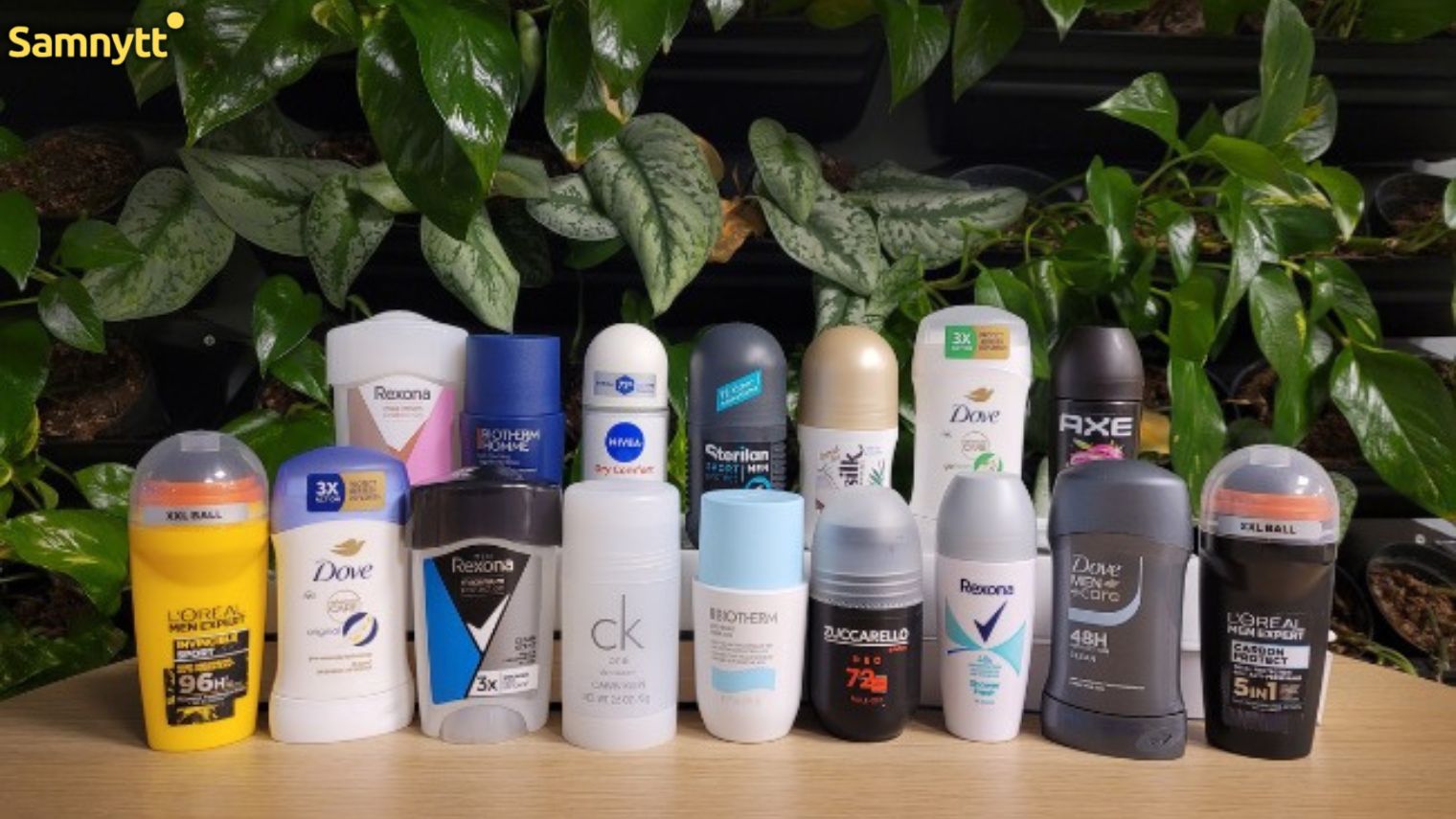
A new review by the Norwegian Consumer Council shows that 16 out of 43 tested deodorants contain chemicals suspected of disrupting the body’s hormonal system.
In the reviewed deodorants, four substances suspected of hormonal disruption were found: benzyl salicylate, cyclopentasiloxane (D5), BHT, and IPBC. These substances have previously been monitored by researchers and authorities.
Some products contained one of the substances, while others contained several at the same time. The most common finding was benzyl salicylate, which was found in twelve of the reviewed deodorants. This substance is primarily used as a fragrance component in cosmetic products.
According to the Norwegian Consumer Agency, there is research indicating that benzyl salicylate can mimic estrogen, which in the long run could affect both fertility and pubertal development.
Easy to Choose Alternatives
The Consumer Council’s head Elin Volder Rutle emphasizes that using the deodorants in question does not pose an immediate health risk. However, she points out that people are exposed daily to many different chemicals from multiple products at the same time.
That is why she believes personal care products are an area where consumers can relatively easily reduce their exposure by choosing products without these substances when alternatives exist.
One of the identified substances, cyclopentasiloxane (D5), is already on the EU’s candidate list of substances of very high concern. Substances on the list may in the future be subject to stricter regulations or restrictions.
In addition to suspicions of hormone disruption, D5 is also identified as harmful to the environment, which means it is scrutinized from both a health and environmental perspective.
The issue of hormone-disrupting chemicals has attracted increased international attention. Several researchers have called for stricter requirements regarding how chemicals are tested before being approved, especially with regard to children’s development.
Choose Eco-Labeled Products
Pediatrician and professor Leonardo Trasande commented on the test in the magazine Forskning and recommends, among other things, that consumers choose fragrance-free and eco-labeled hygiene products whenever possible. The aim is to reduce total exposure to substances suspected of posing long-term health risks.
The Consumer Council believes that consumers should not have to be experts in long lists of ingredients. Instead, it is recommended to choose products with established environmental labels, for example the Nordic Swan Ecolabel.
The organization also urges consumers to be cautious with cosmetics and skincare products from marketplaces outside the EU, where regulations may differ from European requirements. Buying from European retailers or choosing products that meet EU standards is seen as a safer alternative.