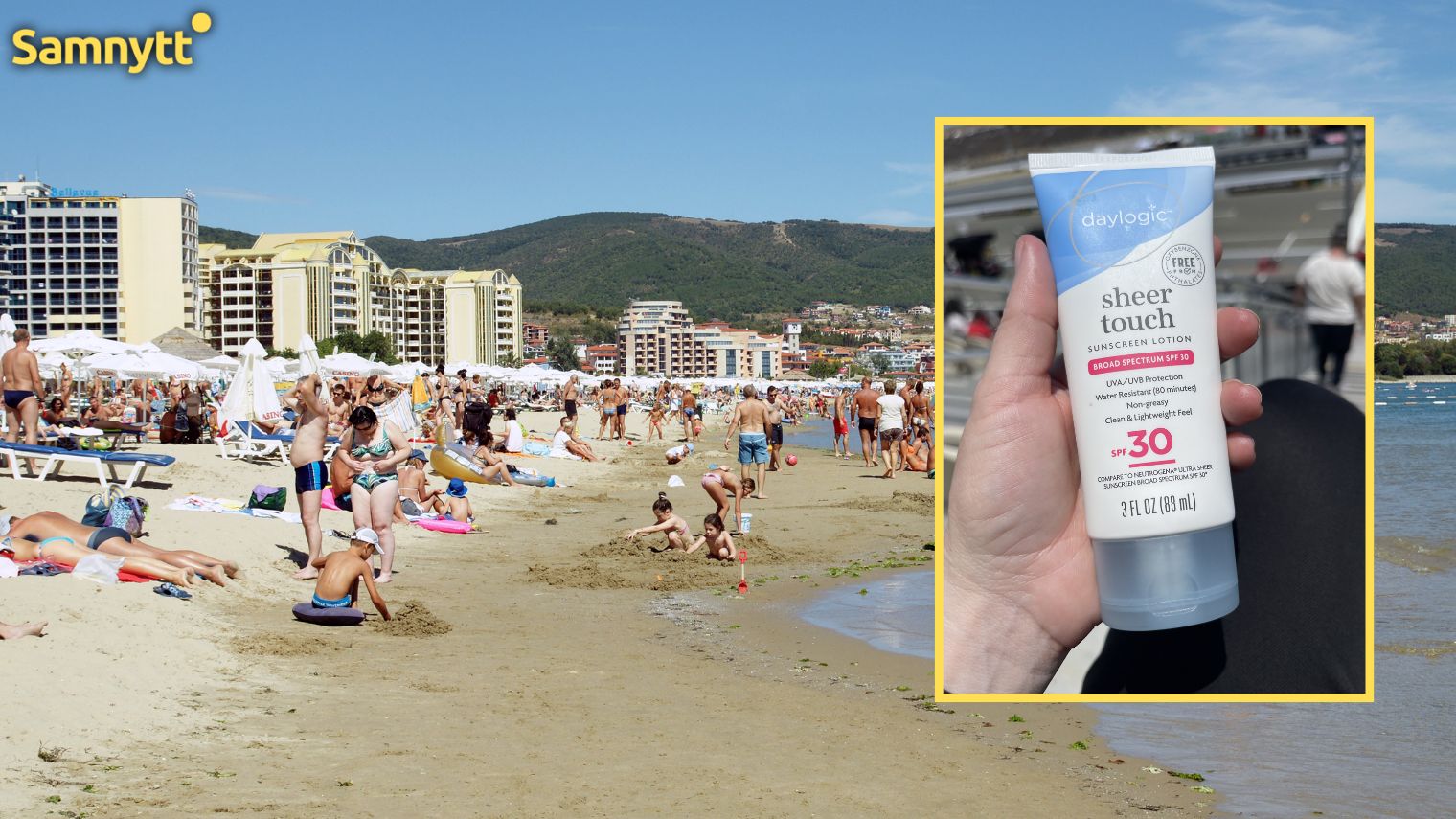
A major SPF scandal in Australia has shaken the sunscreen market, prompting researchers and authorities alike to question just how reliable today’s SPF labels really are. At the same time, a new scientific meta-analysis has once again brought attention to a long-debated issue: how strong is the evidence that regular sunscreen use actually reduces the risk of the most serious form of skin cancer, malignant melanoma?
The debate was sparked after the Australian consumer organization CHOICE tested 20 popular sunscreens labeled SPF 50 or SPF 50+. The results showed that only four products reached the protection level stated on the packaging.
Several well-known brands performed significantly worse than promised, and one product marketed as SPF 50+ was measured at around SPF 4–5. The findings have led to product recalls, government investigations, and demands for changes in testing methods.
According to researchers, the problem is not necessarily that sunscreens are ineffective, but that the SPF system itself relies on testing methods that can yield varying results. The sun protection factor is still mainly determined through trials on humans, where skin redness following UV exposure is assessed.
Minor differences in laboratories, test subjects, and conditions can affect the outcome, leading several experts to call for more objective lab-based tests.
READ ALSO: Scientists’ climate warning during the World Cup: The sun makes players sweaty
Meanwhile, a new systematic review and meta-analysis published in the scientific journal Anticancer Research has examined 23 previous studies on the link between sunscreen use and the risk of malignant melanoma.
The researchers found no statistically significant difference between people who used sunscreen and those who did not. Therefore, the analysis could not demonstrate any protective effect specifically against melanoma. However, the researchers emphasize that the included studies varied greatly in quality and methodology, meaning the results must be interpreted with caution and that more well-conducted studies are needed.
This does not mean that the researchers conclude that sunscreen increases the risk of skin cancer. On the contrary, they point out that there is insufficient strong evidence to show either a protective or an increased risk effect based on the available observational material.
At the same time, they highlight that many studies have not considered important factors, such as how often sunscreen was applied, how much time participants spent in the sun, or whether they belonged to groups with an elevated risk of skin cancer.

Still Recommend Sun Protection
The ongoing debate thus illustrates two separate but interconnected questions. The first is whether consumers actually receive the level of protection stated on the packaging when buying a product labeled SPF 50. The second is how strong the scientific evidence is that today’s use of sunscreen in practice reduces the risk of melanoma at the population level.
Despite the recent debate, dermatological organizations still recommend sun protection as part of a broader UV protection strategy, along with seeking shade, wearing protective clothing, and avoiding the strongest midday sun.
At the same time, the SPF scandal in Australia and the new meta-analysis have helped shine a spotlight on the need for more reliable test methods and better scientific documentation regarding the actual protective effect of sunscreens.
READ ALSO: Call from researchers: Stop sunbathing