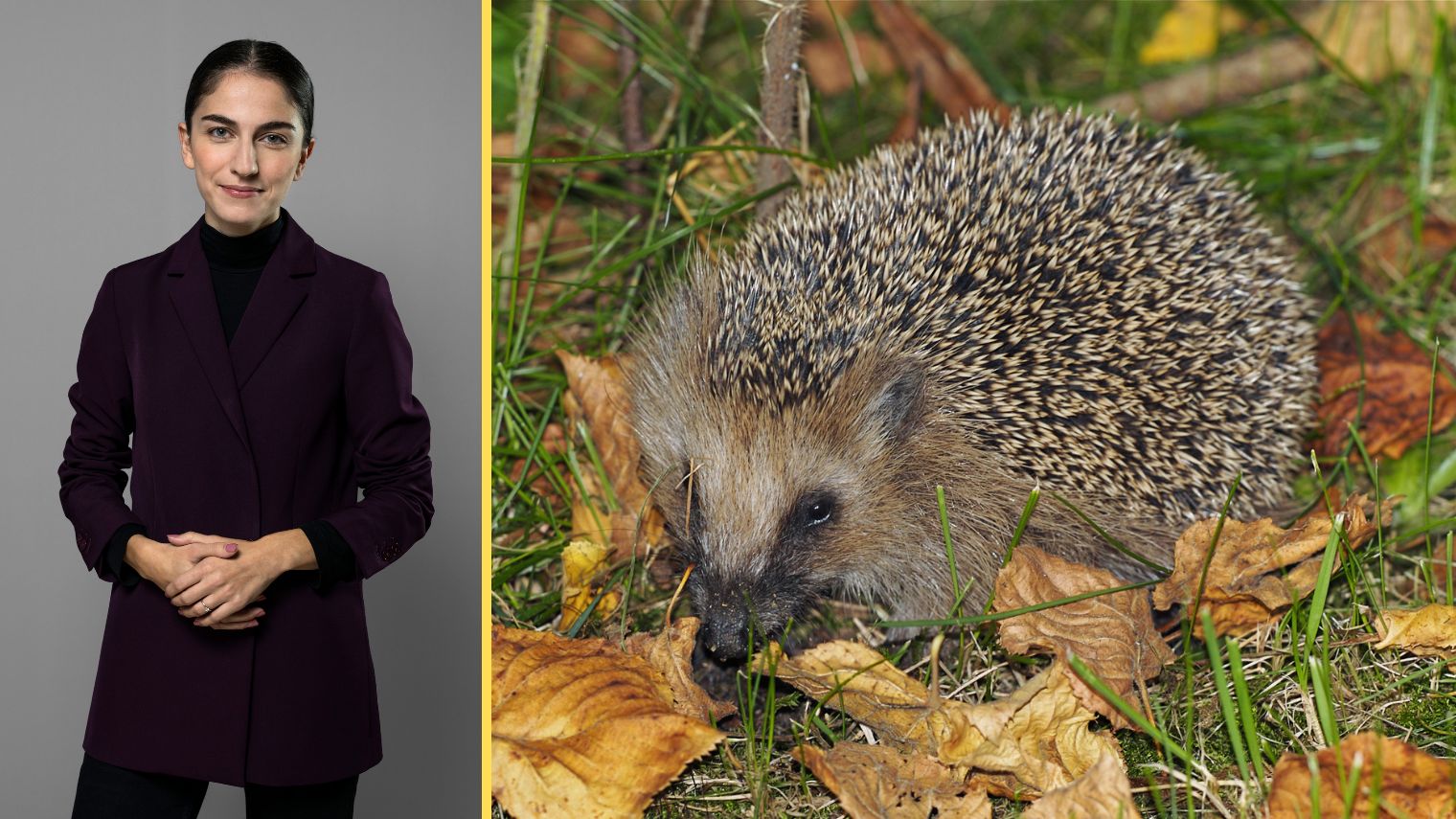
The government is introducing a new system for the protection of plants and animals in Sweden. The changes mean that several species will receive stronger protection, while a large number of others will be removed from the list of protected species.
According to Climate and Environment Minister Romina Pourmokhtari (L), the aim is to direct protection towards the species that are most vulnerable.
– Today’s national protection is blunt. A critically endangered species is protected just as much as a meadow flower, and this is something we want to change, she says.
The new list includes just over 230 species, compared to almost 300 previously. About 130 of these are newly added, while 102 species retain their protection. At the same time, 182 species are removed from the previous list.
READ ALSO: Hedgehogs tormented in Karlskoga – municipality launches information campaign
Among the species that are now becoming protected are, for example, the hedgehog, eel, herb lichen, and shaggy tooth fungus. More pollinating insects, including certain wasps and butterflies such as the white baneberry moth, will also be covered by the protection.
At the same time, species such as liverleaf, cowslip, and ivy are considered viable and are therefore removed from the protection list. From November 1, it will once again be permitted to pick them.
The government is also introducing a new set of rules where species are divided into four levels of protection: strict, enhanced, basic, and limited protection. At the same time, exemptions and a new permit opportunity will be introduced, making it easier to carry out agriculture and forestry as well as projects considered to be of significant social interest, such as energy production and defense.
READ ALSO: Patlis wanted to have fun – killed hedgehogs
According to Pourmokhtari, landowners should be able to use their land if they can show that the species in question is not at risk of being harmed.
All Swedish frogs and reptiles, as well as the country’s orchids, will continue to be protected. For certain species, however, the level of protection is changing. One example is the orchid Goodyera repens, which will receive less extensive protection than before, which may provide greater opportunities for forestry.
READ ALSO: Hedgehogs stoned to death: “Have never seen young people behave like this before”
The hedgehog population halved in 15 years
One of the most notable additions is the hedgehog. The species has previously been red-listed as vulnerable, and assessments show that the population has halved over the past 15 years.
– It has probably not escaped anyone’s notice that conditions for the hedgehog have deteriorated significantly over the past 15 years. There are signs that the population has almost been halved, says Romina Pourmokhtari.
Asked why the species has not received stronger protection earlier, the climate and environment minister says it is a fair question and emphasizes the importance of more observations being reported to improve the knowledge base.
READ ALSO: Increase in hedgehogs being tortured: “Young people impale and kick them like footballs”