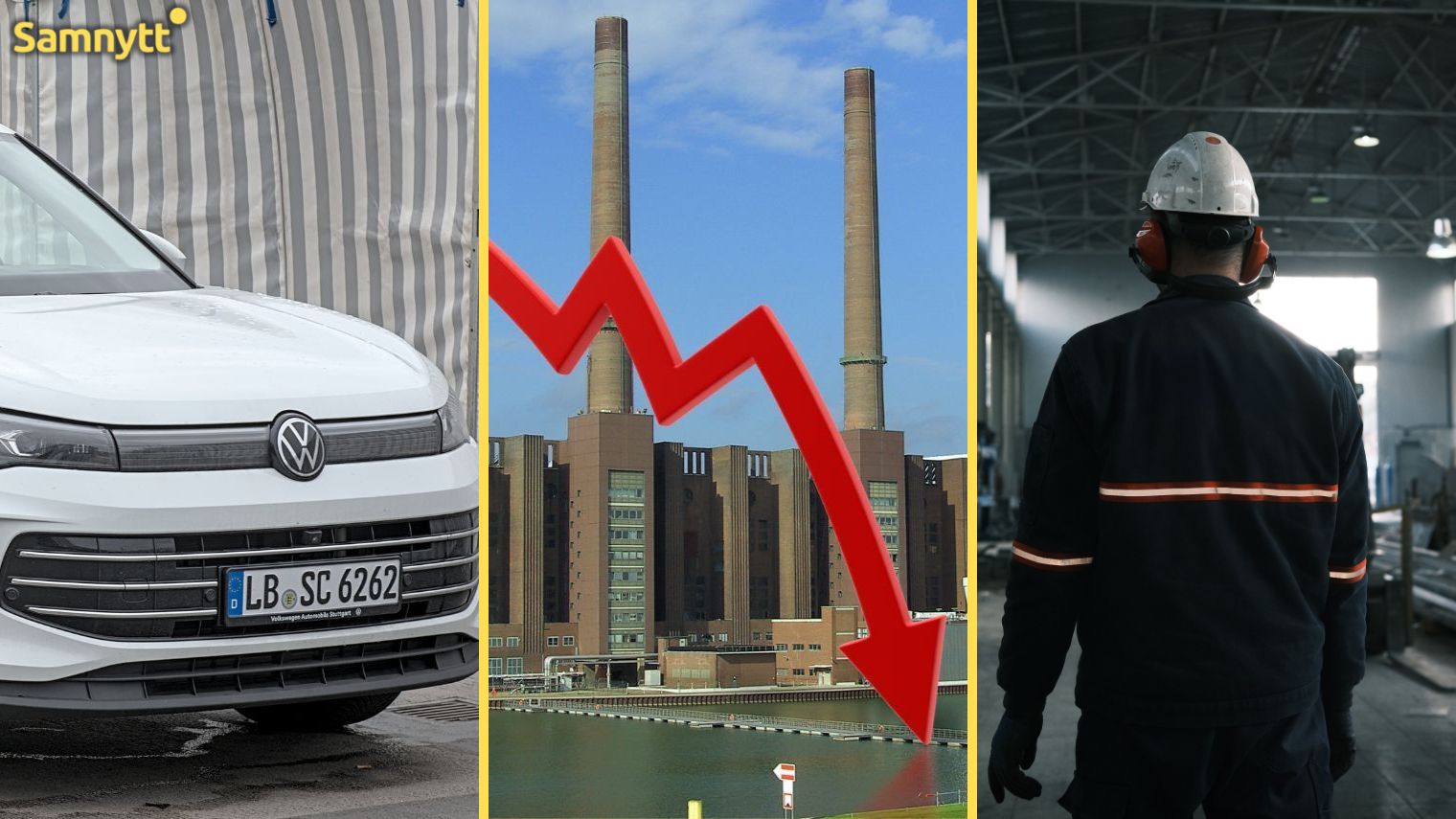
The German economic downturn is starting to have consequences even beyond the country’s borders. As the automotive industry is pressured by high costs, weak competitiveness, and tougher competition from China, Swedish subcontractors are also at risk of being affected.
Germany has long been Europe’s industrial engine, but the country is now shaken by a deep crisis within the automotive industry—one of its most important sectors.
The situation is particularly serious for automotive giant Volkswagen, where major cutbacks are under discussion and around 100,000 jobs could potentially be eliminated.
The German automotive industry association VDA recently warned that the problems require extensive changes. The organization’s chair, Hildegard Müller, has even suggested that foreign companies could take over or use German factories to secure future production and jobs.
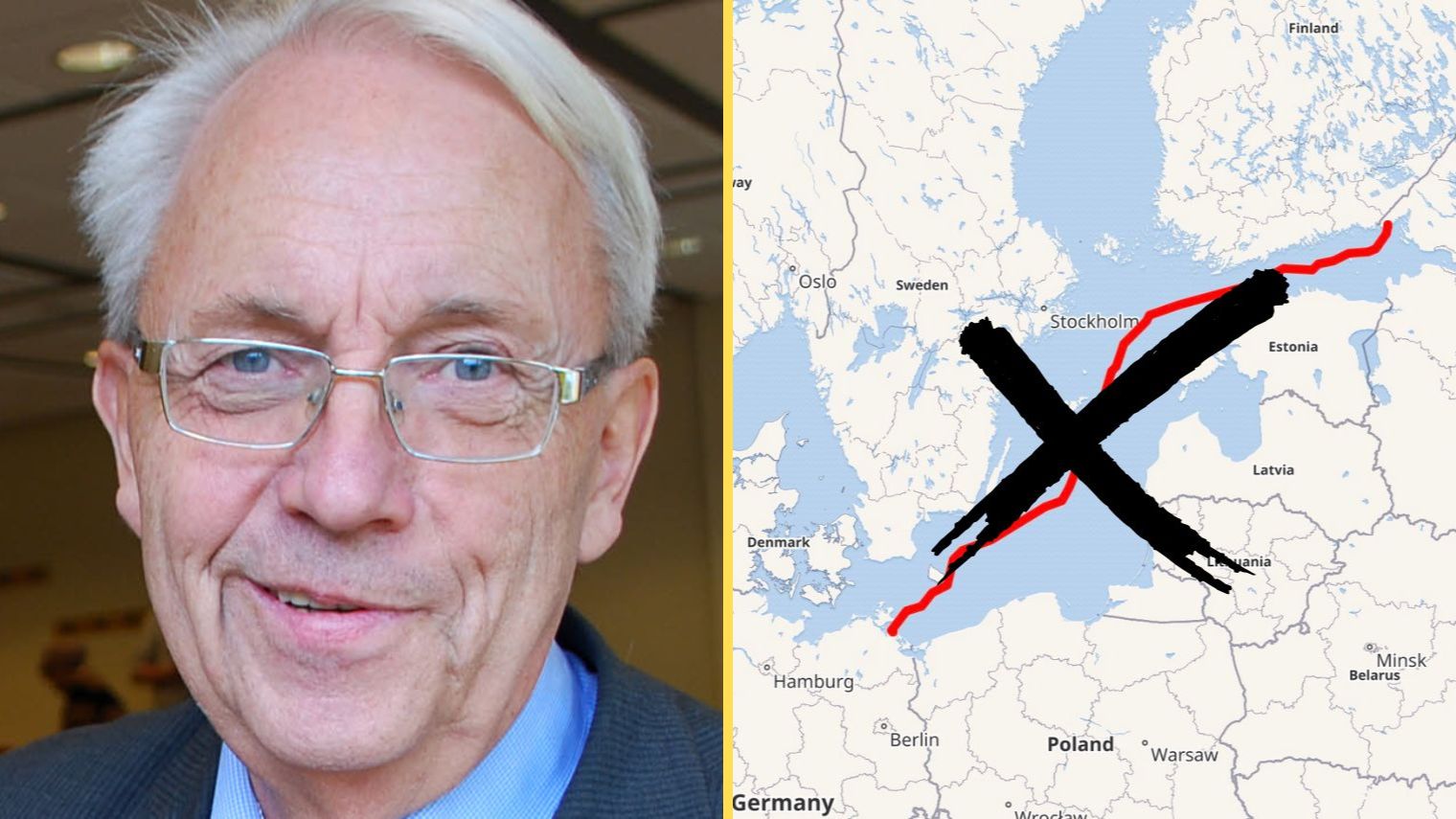
Hubert Fromlet, professor of international economics at Linnaeus University and advisor to the German-Swedish Chamber of Commerce, describes the situation as serious.
“Germany’s crisis is not new. It has been ongoing for several years and the growth potential is barely above zero. That means the country is no longer functioning as the economic engine that Europe needs,” he told SvD.
According to Fromlet, the problems are due to several long-term factors: weaker competitiveness, political deadlock, and an aging population.
“Reforms and structural changes are needed, but the process is moving too slowly,” he says.
The professor touches on a crucial issue: How could European competitiveness weaken so quickly? Certainly, both China and the USA have made substantial investments in electric vehicles targeting the European market. But that is far from the whole explanation.
Several other developments have also contributed to changing the playing field. The cheap Russian natural gas that for decades gave Germany highly favorable conditions and strengthened the country’s competitiveness is now gone. Instead, it has been replaced by much more expensive energy imports from, among others, Norway, the USA, and Qatar.
At the same time, Germany has dismantled its nuclear power and implemented a rapid energy transition, which has further affected industrial cost levels.
READ ALSO: Harsh criticism as Germany shuts down its last nuclear power plants
EU Part of the Problem
Representatives from the automotive industry have long warned that rising energy costs, increased regulation, and tougher :censored:6:cdd6bbaa89: competition risk undermining Europe’s industrial competitiveness.
This comes as car manufacturers are pressured by massive investments in electrification and increasingly fierce :censored:6:cdd6bbaa89: competition. Within the business sector, there is also growing criticism that parts of the EU’s climate and regulatory framework risk increasing costs for European companies at a time when competition from China and the USA is intensifying.
At the same time, the professor sees what are described as positive signs. The German government has presented an extensive reform package including, among other things, tax cuts and also reductions in the pension system to strengthen the economy and improve competitiveness.
At the same time, Germany continues to be one of the largest donors to Ukraine, with support amounting to many billions.
READ ALSO: Germany: Welfare can no longer be financed – yet sends SEK 100 billion annually to Ukraine
Swedish Suppliers May Be Affected
The automotive industry is one of the cornerstones of the German economy and is also highly significant for European supply chains. That’s why Volkswagen’s problems are seen as a warning signal for the entire industry in Europe.
The German industrial crisis is also expected to hit Sweden. Peter Bryntesson, CEO of the industry organization FKG representing Swedish automotive suppliers, estimates that about 20,000 Swedish jobs could be affected if the trend continues.
The reason is that many Swedish companies supply components to German automotive groups, including Volkswagen, which has opened up for eliminating 100,000 positions.
According to Professor Hubert Fromlet, German weakness has already begun to affect Sweden through decreased demand and worsened export conditions.
READ ALSO: AFD: Germany’s economy is collapsing