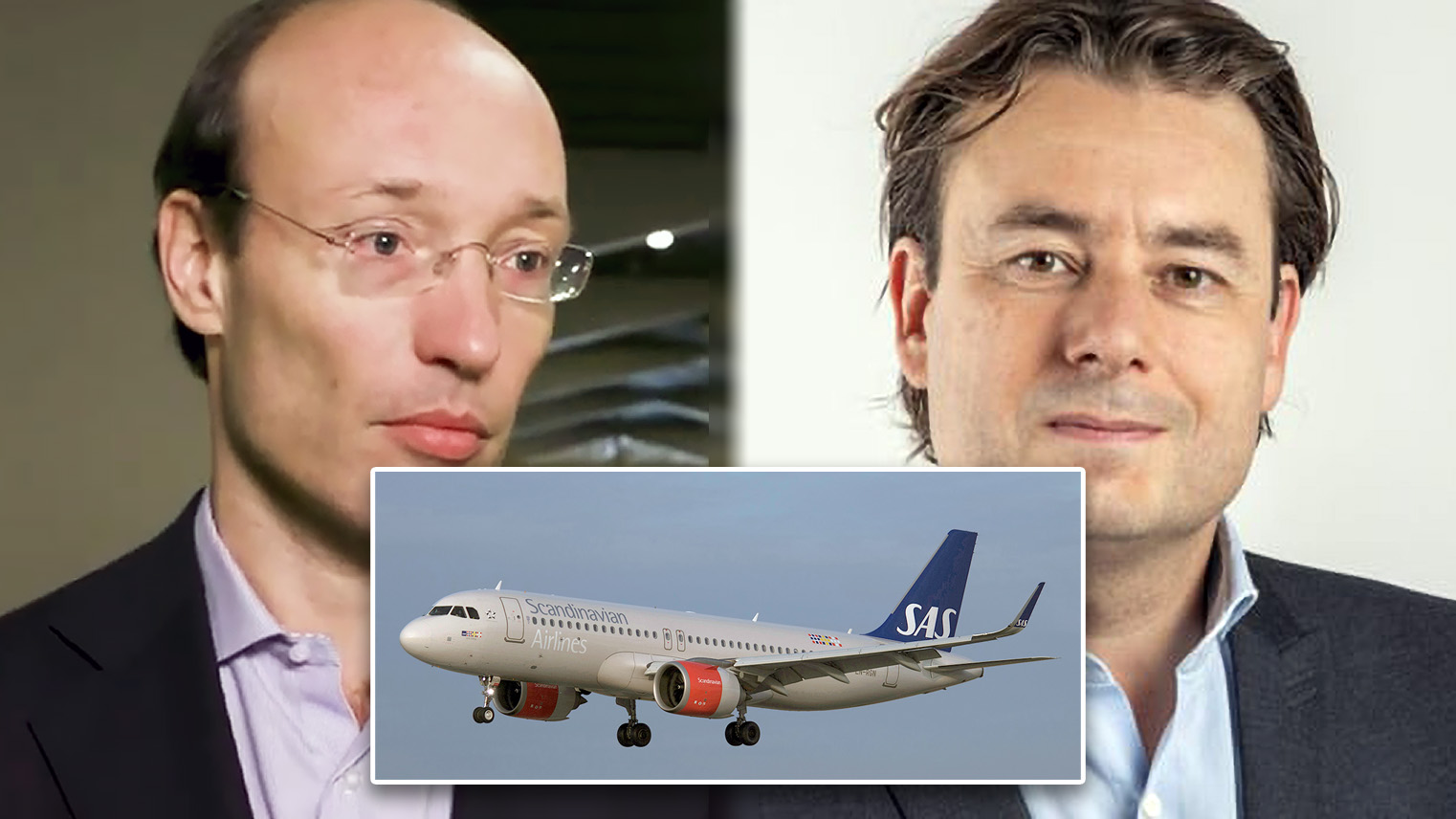
After decades as a financial problem child for the state, SAS is now entering a new phase with Air France-KLM set to become its main owner. At the same time, both owners and the company are talking about improved profitability and growth – but without disclosing any current figures.
SAS has long been a recurring headache for its owners – not least for the state and thus taxpayers. For decades, the company has struggled with weak profitability, recurring crises, and the need for capital injections. Several bailout packages, especially during the financial crisis and the pandemic, have made SAS one of the most discussed – and costly – companies in Scandinavia.
READ ALSO: Small investors left empty-handed as SAS is delisted
After the restructuring and delisting from the stock exchange in 2024, the playing field fundamentally changed. The Swedish state stepped down as owner, while new private and industrial owners took over. Now the company faces another crucial shift.
Air France-KLM Ready to Take Control
The Franco-Dutch airline group plans to increase its stake in SAS from just under 20 percent to just over 60 percent. The deal is still awaiting regulatory approval, but the ambition is to complete the takeover during the year.
READ ALSO: SAS’s virtue signalling: We are introducing gender-neutral uniforms
In connection with an earnings presentation in Paris, the group painted an unusually positive picture of SAS’s development. CFO Steven Zaat emphasized that improved profitability was central to the decision to speed up the takeover.
– I can say as much as that I am very satisfied with the levels.
However, no details or concrete figures were presented – something that has become a recurring theme since SAS left the stock market.
Good Progress – But Behind Closed Doors
Since the delisting, transparency into SAS’s finances has decreased drastically. The latest public figures, from the 2024 fiscal year, showed a pre-tax profit of SEK 1.7 billion. Since then, the company has not provided any comprehensive updates.
Despite this, both owners and management indicate that things are moving in the right direction. Previously, SAS set a target of reaching SEK 5–6 billion in pre-tax profits by 2026, but how close they are to that goal is unclear.
The withholding of figures while only positive remarks are communicated raises questions – not least because comparable companies like Finnair and Norwegian report their results openly.
“Transformation and Growth Phase”
According to SAS, the current situation is described as a period of transition and expansion. Communications director Alexandra Lindgren Kaoukji wrote in an email to Realtid:
“SAS is clearly in a transformation and growth phase, focusing on building a resilient, competitive, and sustainable airline.”
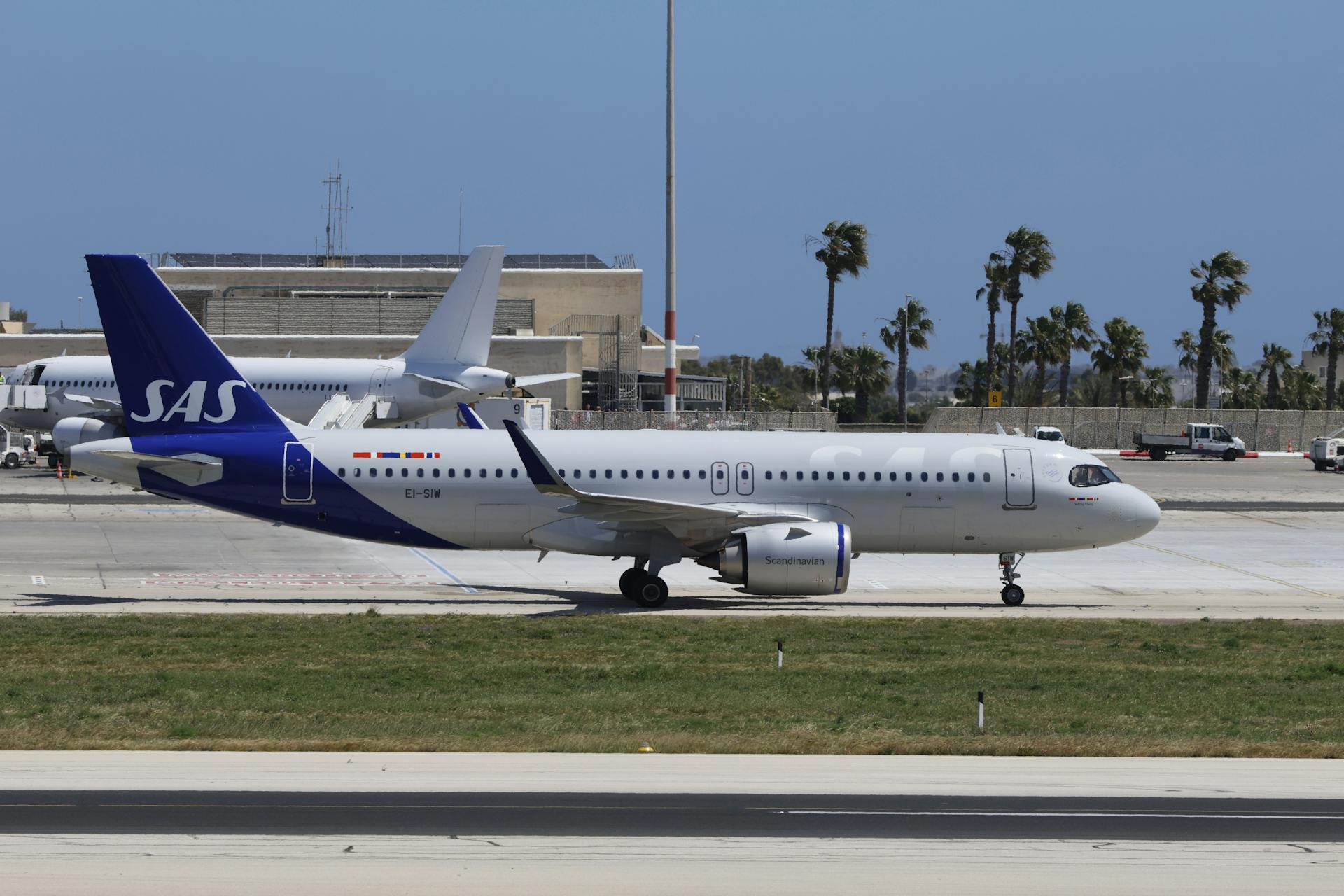
The company highlights increased capacity, especially on domestic Swedish routes, as well as investments in customer experience. Demand is reported to remain strong:
“The broader trend after the pandemic is clear: people prioritize travel, and we also see that many customers are willing to pay more for premium products, including when traveling privately.”
The summer of 2025 is described as especially strong, with millions of passengers and on some days over 100,000 travelers.
Integration – But with Its Own Identity
If and when the deal goes through, SAS will face integration into the Air France-KLM structure. SAS has already left Star Alliance and joined SkyTeam, which opens up new long-haul routes and collaborations.
Group CEO Benjamin Smith has expressed clear ambitions:
– We are convinced that we can make SAS both a bigger and stronger airline.
At the same time, he emphasizes that SAS should continue to operate as its own brand and that the customer’s experience of traveling with SAS will not change.
Headquarters and Identity Remain Sensitive Issues
The question of where SAS truly belongs – in Sweden or Denmark – lives on. Copenhagen is already the company’s most important hub, and the Danish state remains a major shareholder.
READ ALSO: SAS removed its heavily criticized commercial – blames “attack”
In contrast to speculation about a potential move of the headquarters to Denmark, SAS insists there are no plans to move SAS’s headquarters. The company emphasizes its Scandinavian identity and stresses that operations will continue to be characterized by a strong presence throughout the region.
READ ALSO: SAS in commercial: “There is nothing Scandinavian”
This contrasts with the company’s previously criticized statements in an advertisement saying “there is nothing Scandinavian,” as previously reported by Samnytt.
A New Start – But Many Questions Remain
Air France-KLM is currently reporting record results and sees SAS as an opportunity to strengthen its position in Northern Europe. The combination of an industrial owner and improved demand creates the conditions for a more stable future.
But several key questions remain: How strong is SAS’s profitability today? How will integration affect the company’s structure and workplaces? Can SAS finally leave its role as a recurring crisis company behind?