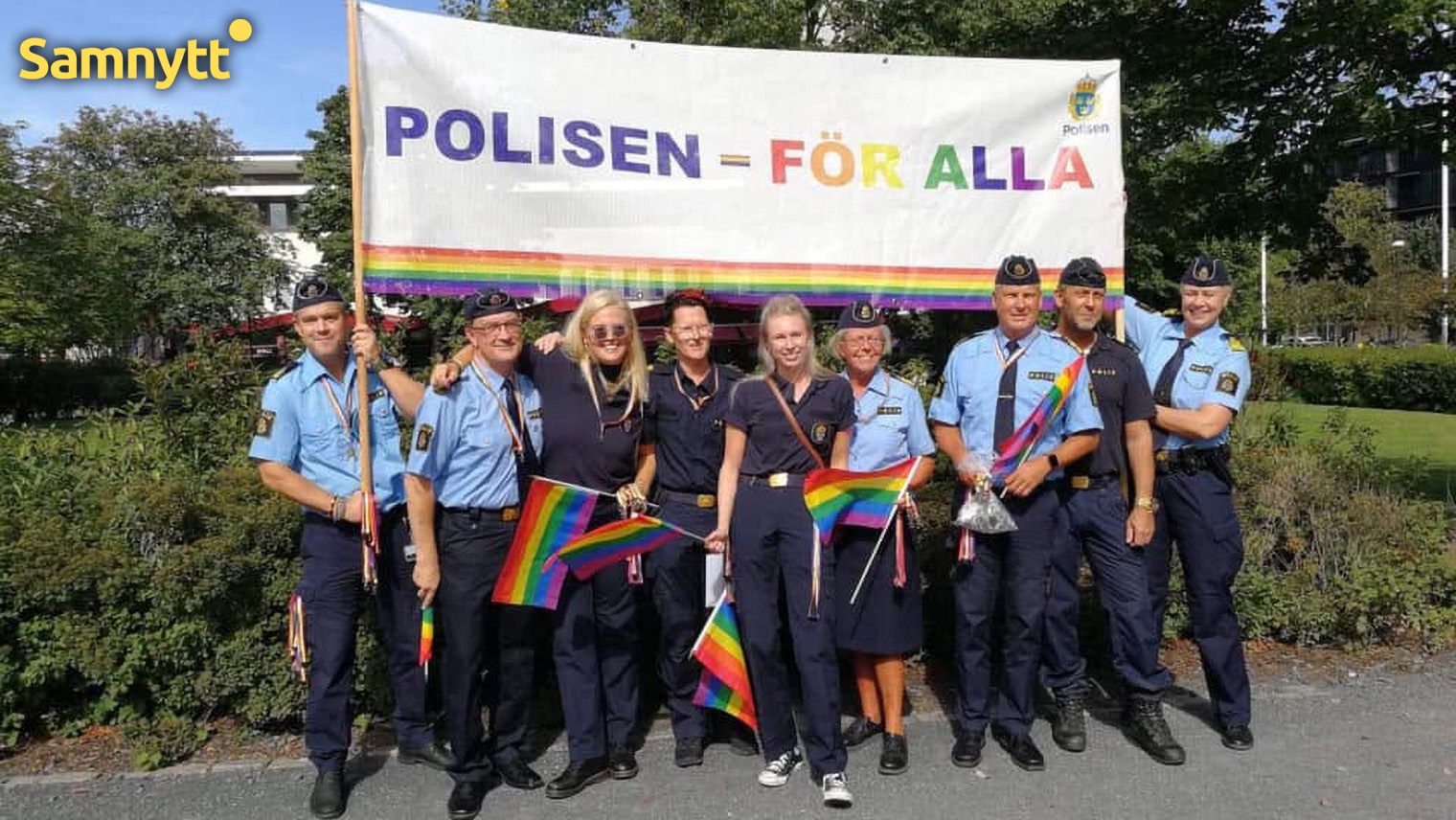
The City of Stockholm and Region Stockholm had employees on duty celebrating during this year’s Pride festival, while the Police, the Armed Forces, and Greater Stockholm’s Fire Department state that their staff participated in their free time. Opinions are divided among public employers on participation in advocacy or value-driven events during working hours, and on the use of uniforms and work clothing at various types of manifestations.
There is no general right for public employees to participate in Pride during paid working hours. However, employers can decide that staff participate as part of their professional duties if the agency or organization deems it to be within their mission.
Världen Idag asked several public employers about their reasoning regarding this year’s Stockholm Pride and whether employees participated during regular working hours. The responses show that the assessments vary.
City of Stockholm: Part of the City’s Mission
The City of Stockholm, which this year became the main partner and official host city of Stockholm Pride, states that around 20 employees worked in various roles during the festival. This included, among other things, organizing seminars in Pride House and providing extra cleaning resources around the festival area.
The city justifies its involvement by stating that Stockholm should be an open, safe, and inclusive city, and that Pride is an important event both from a rights perspective and for the tourism industry.
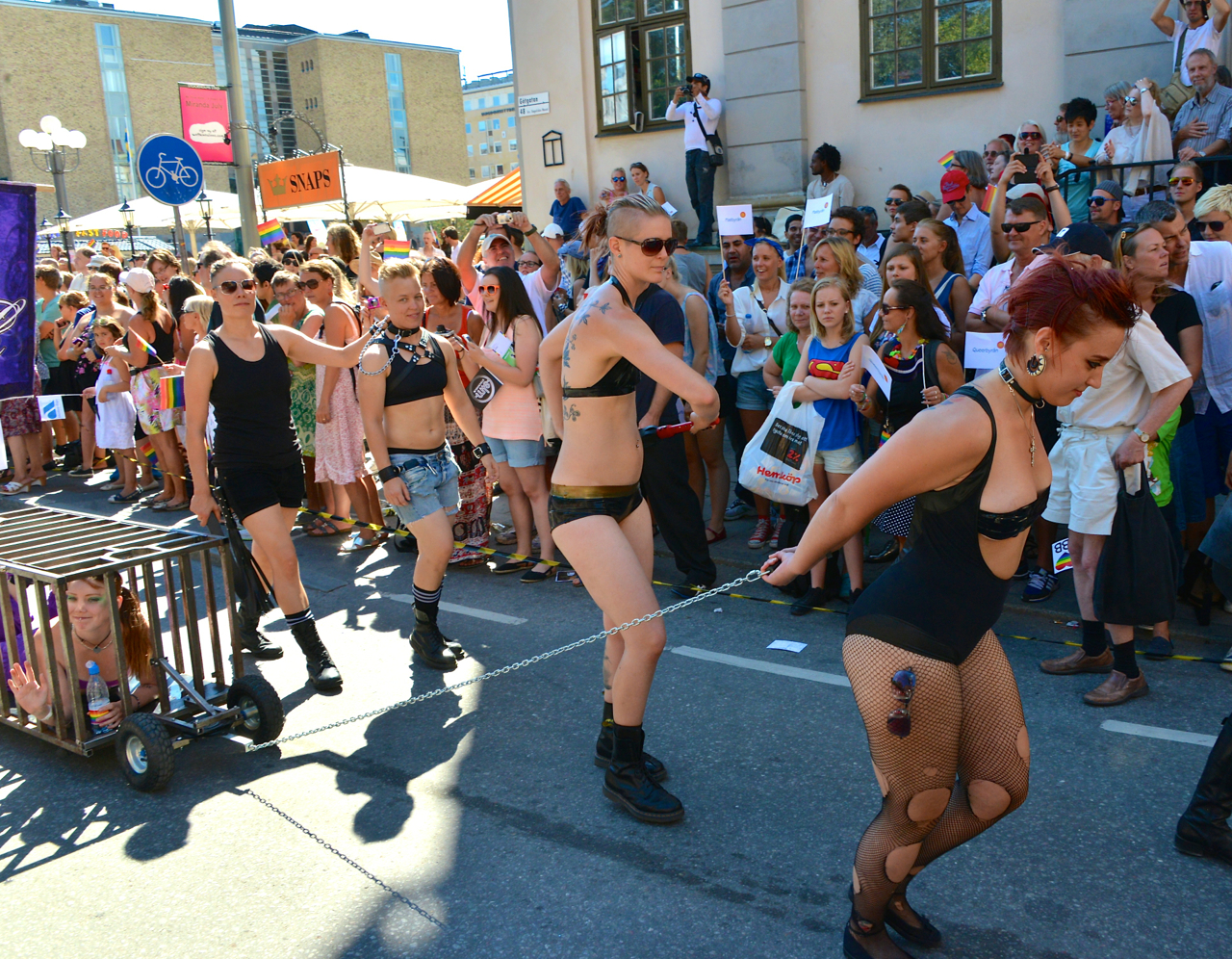
Asked whether the city could provide equivalent support for a Christian event, such as the worship event “Sweden Worships Jesus”, the City of Stockholm refers to the City Council’s budget decision, which explicitly states that the municipality should coordinate the deepened partnership with Stockholm Pride.
Region Stockholm: Information Mission
Region Stockholm also states that some employees participated during working hours throughout Pride week. According to the region’s HR director, this participation occurred within the scope of regular duties, for example through information efforts from youth clinics and other operations.
The region emphasizes that this should not be seen as a stance in any current social debate. Regarding the Pride parade itself, the region states that participation mainly takes place in employees’ free time.
When asked whether the region would participate in a comparable way at the Christian event “Sweden Worships Jesus”, the answer is no. The region refers to freedom of religion but also emphasizes that public operations do not take positions on religious beliefs.
Police, Armed Forces, and Fire Services: Free Time Applies
The other employers contacted by Världen Idag state that their staff did not participate in Pride during paid working hours. The Stockholm Police Region says that the police employees seen in the Pride parade participated in their free time.
READ MORE: Criticism Against the Armed Forces’ Participation in Pride: “You Should Be Politically Neutral”
Greater Stockholm’s Fire Department explains that participation was voluntary and took place outside regular duty. The Armed Forces responded that the authority did not have staff participating during working hours.
Police Banned Uniforms at Pride
The issue of government agencies’ participation in Pride has simultaneously taken on a new dimension due to the National Police Agency’s changed uniform rules. Ahead of this year’s Pride, the Police decided that officers may no longer participate in Pride parades in their official uniforms. The reason is the agency’s stricter guidelines for the use of uniforms at different types of manifestations.
ALSO READ: After Uniform Ban: Here is the Police’s Special Pride Shirt
Instead, the agency has produced a special Pride shirt, sold through the internal network Intrapolis, intended for police and other staff who wish to participate in Pride events in their free time. The shirt builds on the concept “Police For All” but replaces the standard uniform.
This decision marks a change in perspective on how official police uniforms should be used and aims to create a clearer distinction between the exercise of authority and participation in various events.
Part of a Broader Discussion on Work Clothing
The police’s new guidelines coincide with a broader discussion about the use of work clothes and uniforms at political or value-driven demonstrations.
Earlier this summer, a pro-Palestinian demonstration outside Karolinska University Hospital in Solna gained attention after several participants were seen wearing healthcare uniforms while chanting political slogans. Among other things, the slogan “From the river to the sea” was used, which many interpret as a call for the state of Israel to cease to exist and is associated with support for the Palestinian terrorist organization Hamas, which rules Gaza.
ALSO READ: Now Region Stockholm Participates in Palestinian Demonstrations
The demonstration was also criticized because many speeches and messages included highly serious accusations against Israel. At the same time, there was criticism that healthcare staff participated in the demonstration wearing work clothes, something that was considered capable of affecting public trust in healthcare’s political neutrality.
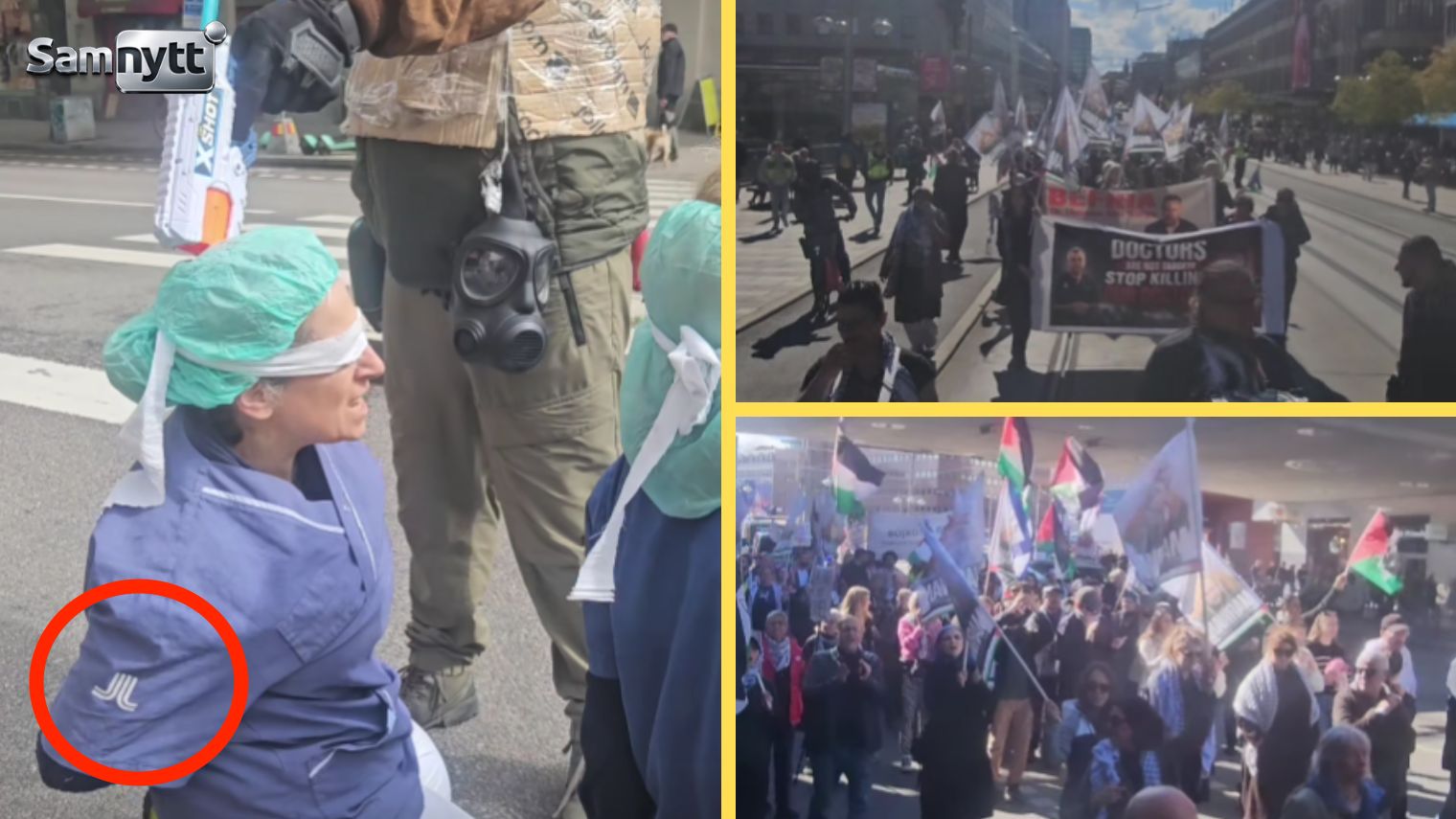
Karolinska University Hospital later stated that the demonstration was not organized by the hospital and emphasized that work clothing may only be used at the workplace and within the hospital area. The hospital also stated that any violations of the guidelines would be addressed through dialogue with the affected individuals.
Shared Issue of Public Neutrality
These various incidents have prompted a wider discussion about where the line goes between the mission of public agencies and employees’ participation in events perceived as political or value-driven.
While some public employers find that participation in Pride may be part of the organization’s remit and therefore take place during working hours, other agencies have chosen to let employees participate only in their spare time. At the same time, the police’s new uniform rules and the debate following the Karolinska demonstration point to increased caution regarding the use of uniforms and work clothes in contexts where authorities or public organizations may be perceived as taking sides in controversial issues.