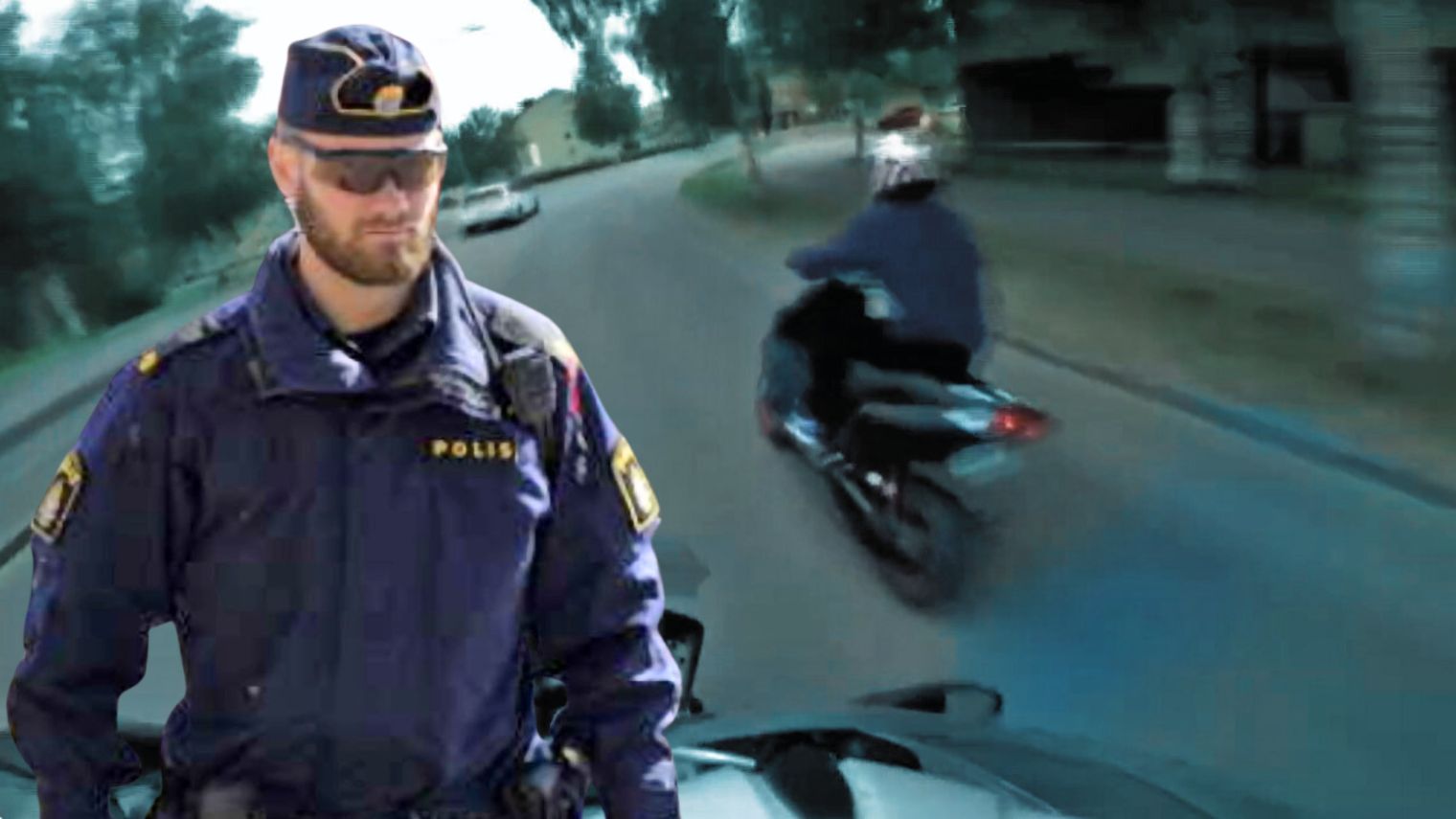
DEBATE • I am convicted of misconduct after stopping a life-threatening moped rider – despite the intervention being brief, controlled, and risk-free. The verdict should not have been about potential lack of judgment in the situation, but about systematic shortcomings within the Police Authority: unclear regulations, inadequate continuing education, and lack of procedures to keep officers updated. It is not I who have failed the system – it is the system that has failed me.
Before I begin to criticize my employer, I want to take the opportunity to highlight the local police area Piteå Älvdal, which, despite the case, is the best workplace I have been in both outside and within the police. Several colleagues and managers stood out positively, but in particular the former LPO chief.
Back to the criticism.
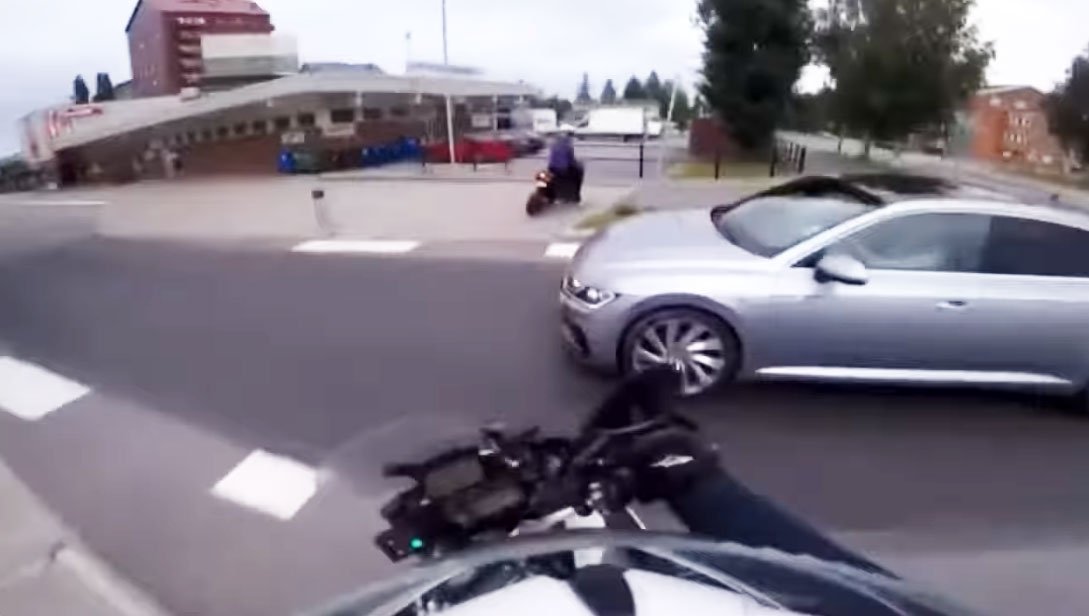
It is difficult to accept that four minutes out of over 10,000 hours worked as a police officer have now led to a guilty verdict in the Supreme Court. The incident is documented on film: a short, controlled intervention where no one was injured, neither a third party, the driver’s property, nor myself.
READ MORE: Policeman convicted in Supreme Court – illegally stopped tuned moped
The driver I stopped had been driving recklessly for several weeks, disturbing and obstructing police on their way to other assignments and endangering other people’s lives and health in an unacceptable manner. Without the police showing any interest in him.
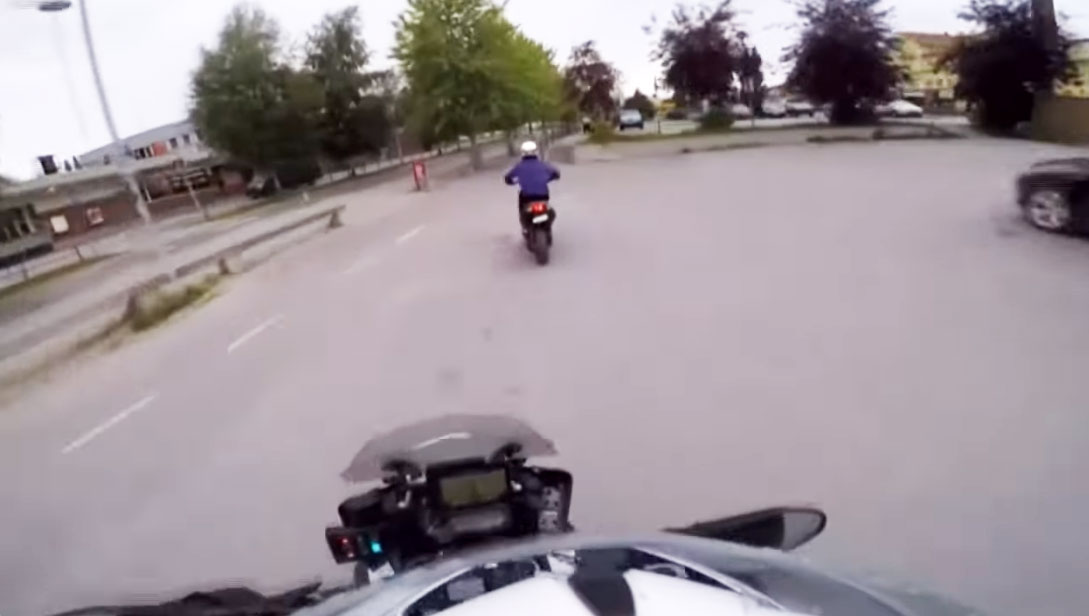
Furthermore, this was a highly calculated behavior aimed at being chased. The driver’s classmates have subsequently stated that before the incident, he had stated, ‘The police can’t stop me, I will never stop!’
On the day in question, he behaved the same: high speeds, dangerous maneuvers on pedestrian and cycle paths completely unprovoked as we showed no interest in him.
To prevent this behavior from continuing, I chose to use a motorcycle – a more agile and safer tool than a car – to locate and stop him with the least possible risk.
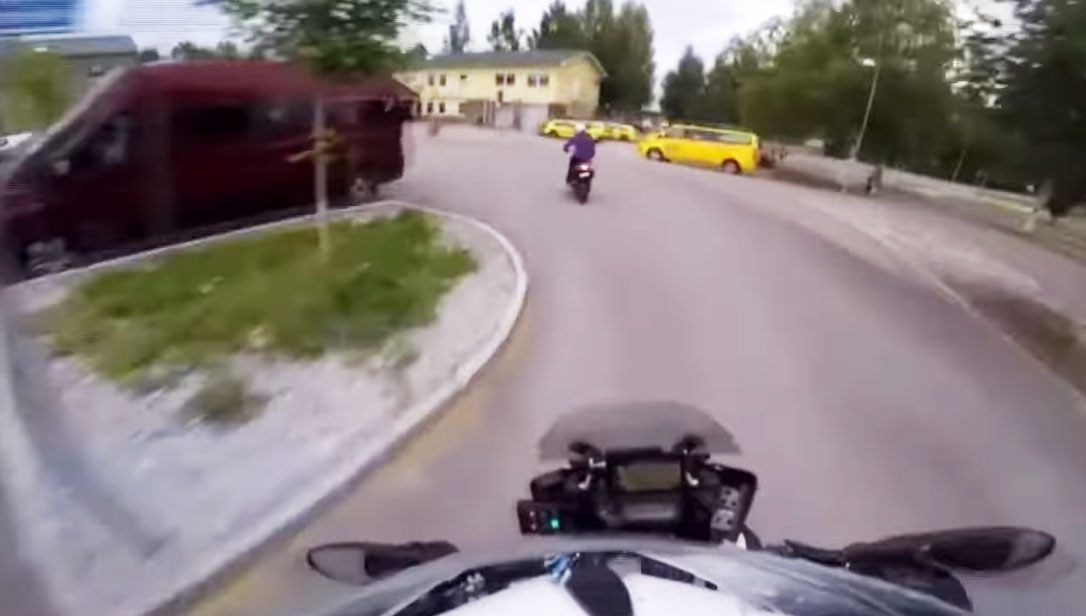
The pursuit lasted barely three minutes. Then he was apprehended. No one was injured, no property was destroyed. Yet the result is a guilty verdict – against me – with fines and costs of 42,000 SEK.
Unclear rules for everyone except the Supreme Court
The basis for the verdict is the Police Authority’s regulation FAP 104-1. It is ambiguously written, lacks preparatory work, and contains interpretable general advice. Neither the district court nor the court of appeal interpreted it as restrictively as the Supreme Court did – but I am still expected to have had the latest interpretation clear to me at the time of intervention.
It is unreasonable for an internal regulation to require a Supreme Court ruling to be comprehensible. In field service, we must make decisions in seconds. We cannot base our assessments on the assumption that future courts will interpret internal documents that we will not be taught about.
Violation of a regulation I was never informed about
When the Supreme Court claims that I ‘must have been aware’ that special rules apply when pursuing motor vehicles, that is partly true. The previous regulation stated that pursuing two-wheeled vehicles should be done with great caution and restraint. The current FAP 104-1 came into force after my motorcycle training, and has never been presented in any continuing education. I simply have never received information about the FAP I am now convicted under.
The annual refresher primarily focuses on driving technique and safety – not on legal matters or new regulations.
READ MORE: Policeman convicted in Supreme Court – illegally stopped tuned moped
This is not an excuse – it is a fact. The Police Authority has placed the responsibility for staying updated on the individual, despite having around 85 FAPs and a large number of laws and instructions that are constantly changing. No working hours are set aside to read all of this. That time would have to be taken from operational work.
It is not a reasonable working environment for anyone – let alone for those who make decisions with potentially life-changing consequences.
Rehired officers are thrown back into service without updates
For a period, I was away from the Police Authority. When I was rehired a few months before this incident, there was no plan, no routine, and no mandatory review of changed work methods, new regulations, or updated guidelines.
It is not only me who is affected by this – it is a structural flaw that applies to all returning police officers. It depends on their own or local initiatives. Then we are expected to bear full legal responsibility for rules we have never been taught about.
Where does the line actually go?
The Supreme Court argues that ‘exceptional reasons’ to pursue two-wheeled vehicles only exist when the driver is particularly dangerous to other people’s lives or health. But the young moped rider was driving at 50–70 km/h on pedestrian and cycle paths, close to pensioners and families with children. He had behaved dangerously on several previous occasions.
If this is not dangerous – what is?
When the Police Authority itself has not explained what ‘exceptional reasons’ mean, it becomes practically impossible to know where the line is drawn. I did what I assessed to be least dangerous for the public. The Supreme Court believes that I should have let the moped rider continue.
Social problems are hidden behind legal matters
There is also another dimension that is rarely discussed. Why are minors without sufficient personal maturity allowed to drive tuned vehicles – in practice motorcycles – without authorization? Why is all responsibility placed on the police, who are supposed to set limits, who try to act for the public, and not on the parents who have given the child the vehicle?
If society is serious about traffic safety, this responsibility must also be addressed.
Reasonably, parents should be held more accountable than the times when the police succeed in proving that they have allowed the unauthorized driving.
The system has failed – not me
I respect the legal system. But it is difficult to accept that I am convicted, not for having acted dangerously, but because the Police Authority has not given me the conditions to do the right thing. Unclear regulations, inadequate education, and a complete lack of updating procedures have made it impossible to make the decision that the Supreme Court considers obvious.
Support from the public and pats on the back from colleagues in the corridor help, but the silence from the authority does not make it easier to bear the verdict.
Precedent-setting verdict creates passivity, not safety
The Supreme Court’s verdict means that in the future, police officers risk committing offenses if they intervene against fleeing two-wheeled vehicles – even if the intervention minimizes the risks. This risks leading to passivity. When police officers hesitate to act for fear of being prosecuted, the safety of society is at risk of decreasing.
It is a dangerous development.
Police officers need clear conditions
Do we want a police force that acts – or one that hesitates?
For police officers to be able to make correct and safe decisions in critical situations, the following is needed:
- Clear regulations
- Educational training in new rules
- Regular updates
- Reasonable working conditions
- A regulatory framework adapted to reality – not vice versa
Only then is it reasonable to demand that police officers never make mistakes in the line of duty.
Carl Lindberg – Police Officer in Skellefteå