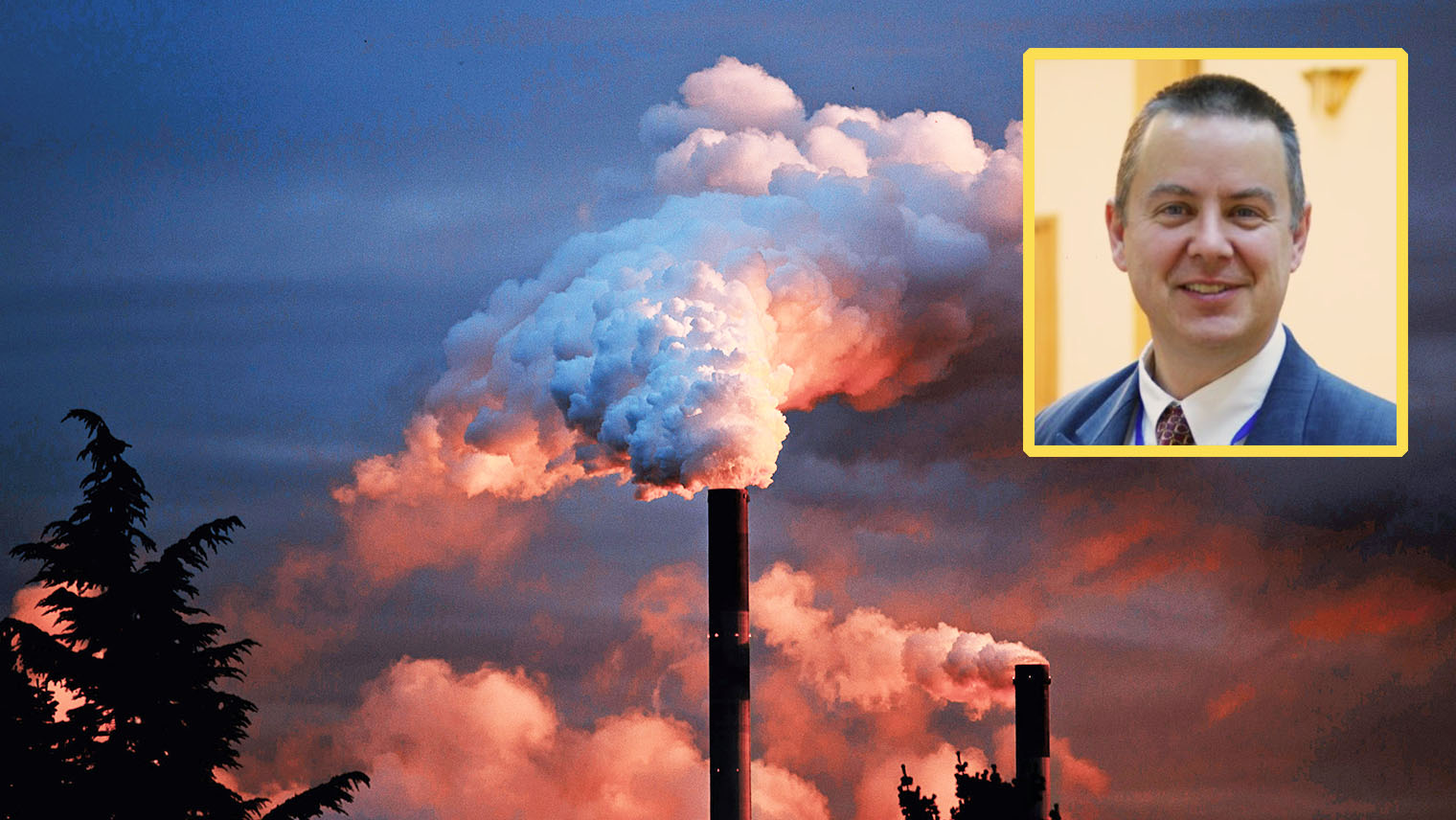
For two decades, Germany has invested enormous resources in solar and wind power in hopes of leaving behind both fossil fuels and nuclear power. The result was the opposite: a growing dependence on fossil energy and the decision to build 26 new gas power plants. How could a policy that was supposed to save the climate instead pave the way for increased fossil fuel combustion? This is the question posed by Professor in Nuclear Physics Jan Blomgren
For many years, Germany has wanted to lead the way towards a fossil-free future. First, the goal was to eliminate coal, gas, and oil in electricity production, and then to phase out nuclear power. But when the government recently presented a program for 26 new gas-fired power plants, the inevitable question arose: How can a country that has invested so heavily in renewable energy end up making a decision that so clearly goes in the opposite direction?
As Jan Blomgren puts it in an opinion article in Epoch Times: “Ambitions are one thing – reality is another.” And reality has turned out to consist of a series of mechanisms that, according to the professor in nuclear physics, are rarely discussed in politics.
A Predictable Chain Reaction
When Germany focused all its attention on weather-dependent energy sources, a process began that Blomgren believes could have been predicted: Large amounts of tax money were pumped into expanding solar and wind power. The massive expansion created periods of overproduction. The oversupply pushed electricity prices down – sometimes close to zero. This made it difficult for controllable energy sources such as nuclear power, hydropower, and fossil fuel power to remain economically viable. These facilities were gradually shut down. Once they were gone, the country was left without sufficiently stable electricity production.
What the professor in nuclear physics often points out is something very simple that is often forgotten in political speeches: the power grid must have access to controllable power around the clock. Solar and wind can contribute, but they alone cannot maintain the balance needed to keep the system stable. Several European countries are now forced to realize after the fact what they should have been able to foresee.
When Reality Sets In
When the market became unstable, prices high, and the risk of power outages increased, no politician was willing to tell voters that their own strategy had gone awry, writes Blomgren. Instead, a new turn followed: there was a quick need for new controllable power. And the power that can be built quickly is – and remains – fossil-based.
This is why Germany is now planning gas power plants whose combined capacity nearly matches the decommissioned nuclear power plants. The politically communicated idea that nuclear power would be replaced by solar and wind has thus in practice been replaced by fossil gas.

Ironically, the fossil industry has always understood where the development would lead. Blomgren explains that at Brussels airport, travelers are greeted by advertisements where gas companies proudly declare that “gas is the perfect partner for green energy”.
The Silent Triumph of the Fossil Industry
The companies behind coal, oil, and gas production did not protest when their facilities were shut down. They rather waited, according to the professor in nuclear physics. With wind turbines on their annual reports and political support for various biofuel projects, they were able to sit back until the need for new controllable power became acute.
At the same time, according to Blomgren, politics has tried to save the image of the “green transition” by highlighting solutions such as carbon capture and hydrogen, even where the applications have been weak. All to avoid admitting what Blomgren describes as jumping into a crazy barrel.
Resistance to Nuclear Power, the Fossil Industry’s Best Friend
There are two major countries that have actually managed to phase out fossil electricity production, writes Blomgren: Sweden and France. Both did it through large-scale expansion of nuclear power, the only large-scale fossil-free energy source that works independently of the weather.
Blomgren quotes a remark from Agneta Rising at the World Nuclear Association that is telling: “If you oppose nuclear power, it practically means that you are helping fossil power.” According to the professor in nuclear physics, this sentence contains the whole core of the failure of German energy policy – and also a warning to other countries that want to go the same way.
READ ALSO: Authority: Russian propaganda that wind power is unreliable