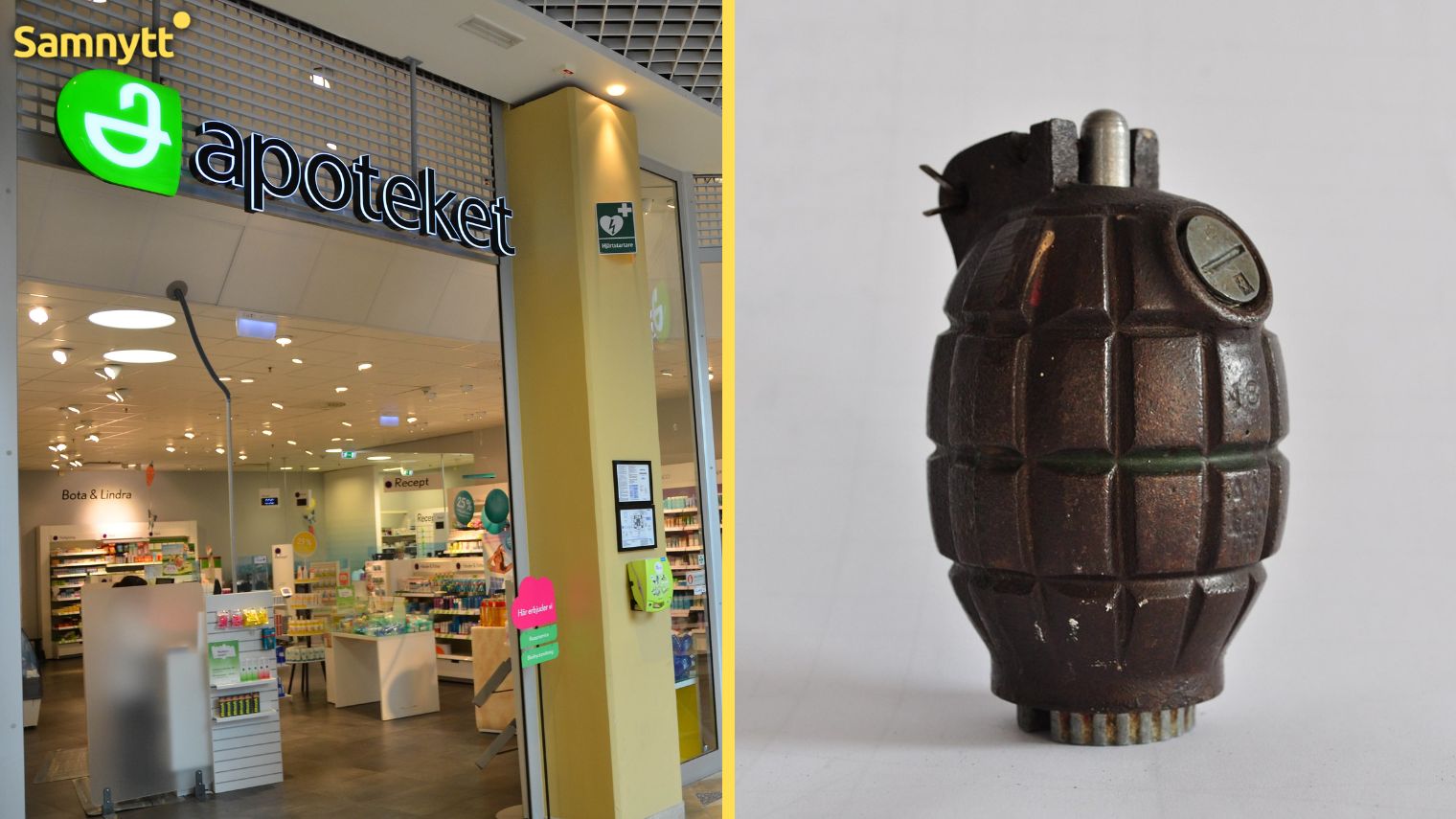
Pharmacies across Sweden have been subjected to violent robberies where perpetrators have used, among other things, pistols and hand grenades. For Apoteket’s CEO, Rasmus Nerman, the situation has become a workplace safety issue, while he warns that pharmacies in so-called socio-economically vulnerable areas are finding it increasingly difficult to keep their businesses running.
One of the more high-profile cases occurred at Apoteket Ekorren near Kortedala Square in Gothenburg. In 2024, the pharmacy was robbed three times within six months. After the robberies, Apoteket chose to completely stop handling cash and narcotic-classified medicines at that location.
Nerman describes the robberies as especially serious. In some places, security measures have needed to be tightened so much that security guards must accompany staff to and from the workplace. In environments where the security situation is worse, double staffing is also required so that no one has to work alone.
READ ALSO: Ericsson flees diversity in Kista – staff feel unsafe
At the same time, Apoteket’s own statistics show that the problems are not limited to isolated incidents. During 2025, the company’s pharmacies were subjected to six robberies, four of which occurred in so-called disadvantaged areas. So far, in 2026, Apoteket has not registered any robberies in its stores.
But according to Nerman, the challenges in vulnerable areas are not only about security. The economic situation is also tougher. Pharmacies’ reimbursement for prescription drugs is regulated by the Dental and Pharmaceutical Benefits Agency, which means that sales of prescription drugs in practice offer limited room for profitability. To make the finances work, pharmacies must also sell, for example, over-the-counter health products.
Special Support
The problem is that purchasing power is often lower in socio-economically vulnerable areas. At the same time, security and staffing costs can be higher. Taken together, this means some pharmacies face much tougher economic conditions than businesses in other parts of the country.
Nerman is therefore calling for special support for pharmacies in vulnerable areas, modeled after the rural support that already exists for pharmacies in the countryside. He emphasizes that financial support is not a long-term solution but rather a way to keep businesses running while larger societal problems are dealt with.
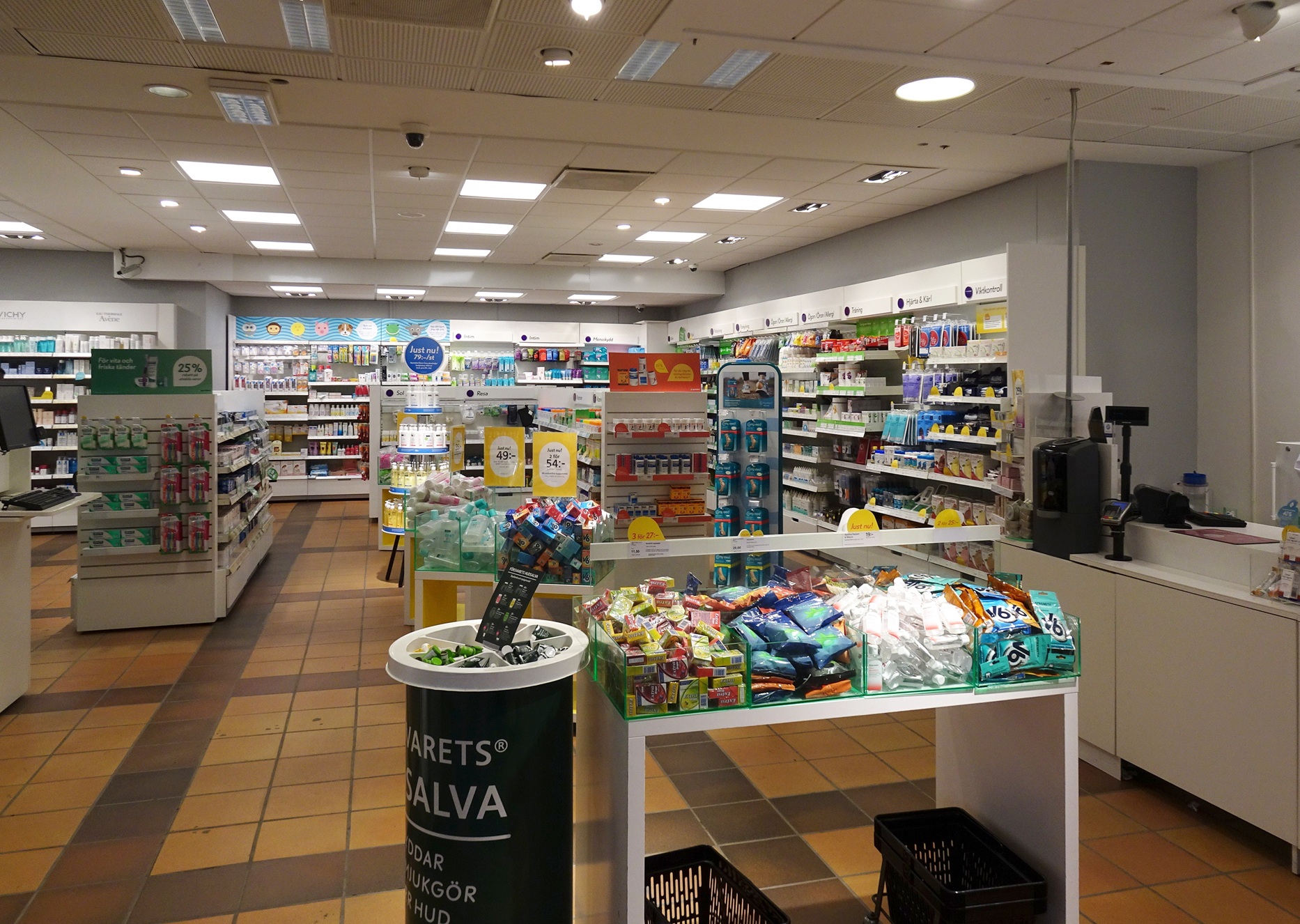
The CEO of Apoteket also points to the broader significance of pharmacies. They do not only function as outlets for medicines but also as a part of local services and the healthcare chain. If pharmacies disappear from areas where other commercial services are already limited, residents risk losing easy access to both medicines and advice.
At the same time, the number of physical pharmacies in Sweden has been declining for several years. From 1,433 pharmacies in 2020, the number fell to 1,397 at the turn of 2024/25. In 2025, the trend reversed slightly and the number rose to around 1,400.
A Lump in the Stomach
For Nerman, the issue is therefore bigger than just Apoteket’s own business. He is calling for more job opportunities and broader collaboration between industry, authorities, and the police to reverse the trend in areas that have long struggled with crime and insecurity.
“There’s a reason why we need extra staff and security guards. And it’s not fun talking to staff who have been robbed with a hand grenade. As CEO, you get a real lump in your stomach, and as an employer, you have a big responsibility,” he told Tidningen Näringslivet.
READ ALSO: Companies struggle to recruit – Sweden’s image deters candidates