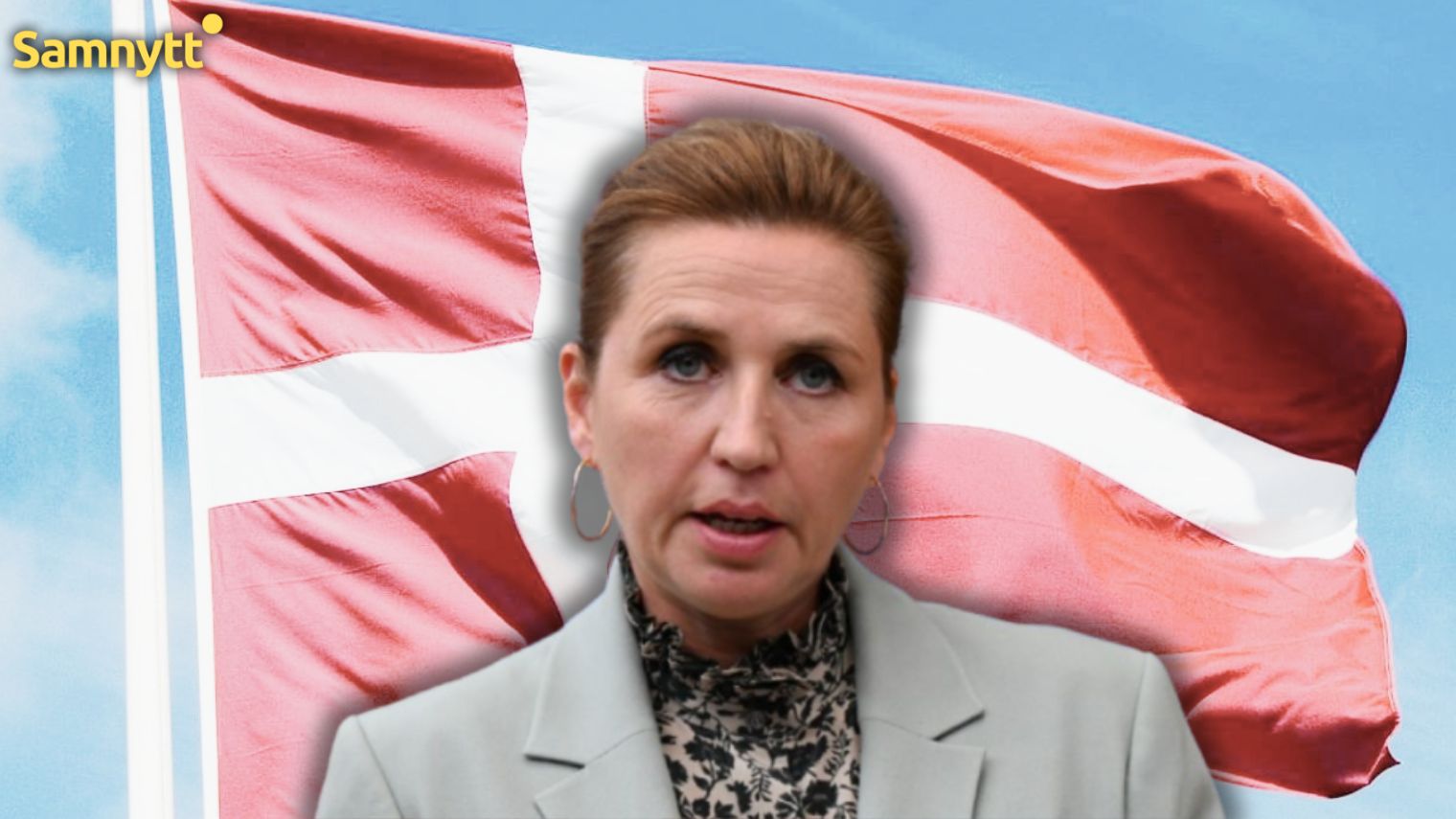
Danish Prime Minister Mette Frederiksen describes immigration to Europe as a growing threat to European society. During a debate in the Folketing on August 12, she singled out, among others, Hamas supporters, individuals committing acts of terror, and people with Islamic backgrounds who do not accept Europe’s core values. Her statements come just days after Frederiksen, together with Italy’s Prime Minister Giorgia Meloni, called for a much tougher European migration policy.
It was during a debate on the migration crisis in the Spanish exclave of Ceuta that the Danish Prime Minister made her attention-grabbing statement. Frederiksen first noted that Russia is Europe’s “major enemy” when it comes to anti-democratic forces.
She then turned her attention to what she described as a growing threat within Europe.
– The problem is that a great enemy has started growing from within, and it is foreigners who have come to Europe, it is Hamas supporters, it is people who commit terror against European societies, it is people who do not recognize our fundamental European values, it is people who sympathize with some of the darkest forces in the world. So Europe is under threat.
“Threatened From the Outside and Now From Within”
Frederiksen then expanded on her reasoning and made an explicit link to people with Islamic backgrounds.
– The problem is that we are threatened both from the outside and now from within, but it is not because of disagreements between the Danish and Spanish governments, but because of people with an Islamic background who do not want the open, free European society, unfortunately.
Frederiksen simultaneously distinguishes between the external and internal dimensions of the threat: Russia is described as the major external threat, while she links the internal threat to people who have come to Europe and do not accept the European social system.
READ ALSO: Meloni and Frederiksen in joint statement: “The Defense of Our Values”
The background to the debate was the dramatic development in Ceuta, where thousands of illegal migrants crossed from Morocco into the Spanish exclave. The events have triggered an extensive European discussion about the EU’s external borders and whether migration policies in some member states are creating new migration flows.
Frederiksen has made it clear that Denmark wants to see a much tougher European migration policy. The debate included discussions on how Europe will be able to control its external borders and what should happen to people who lack the right to remain in Europe.
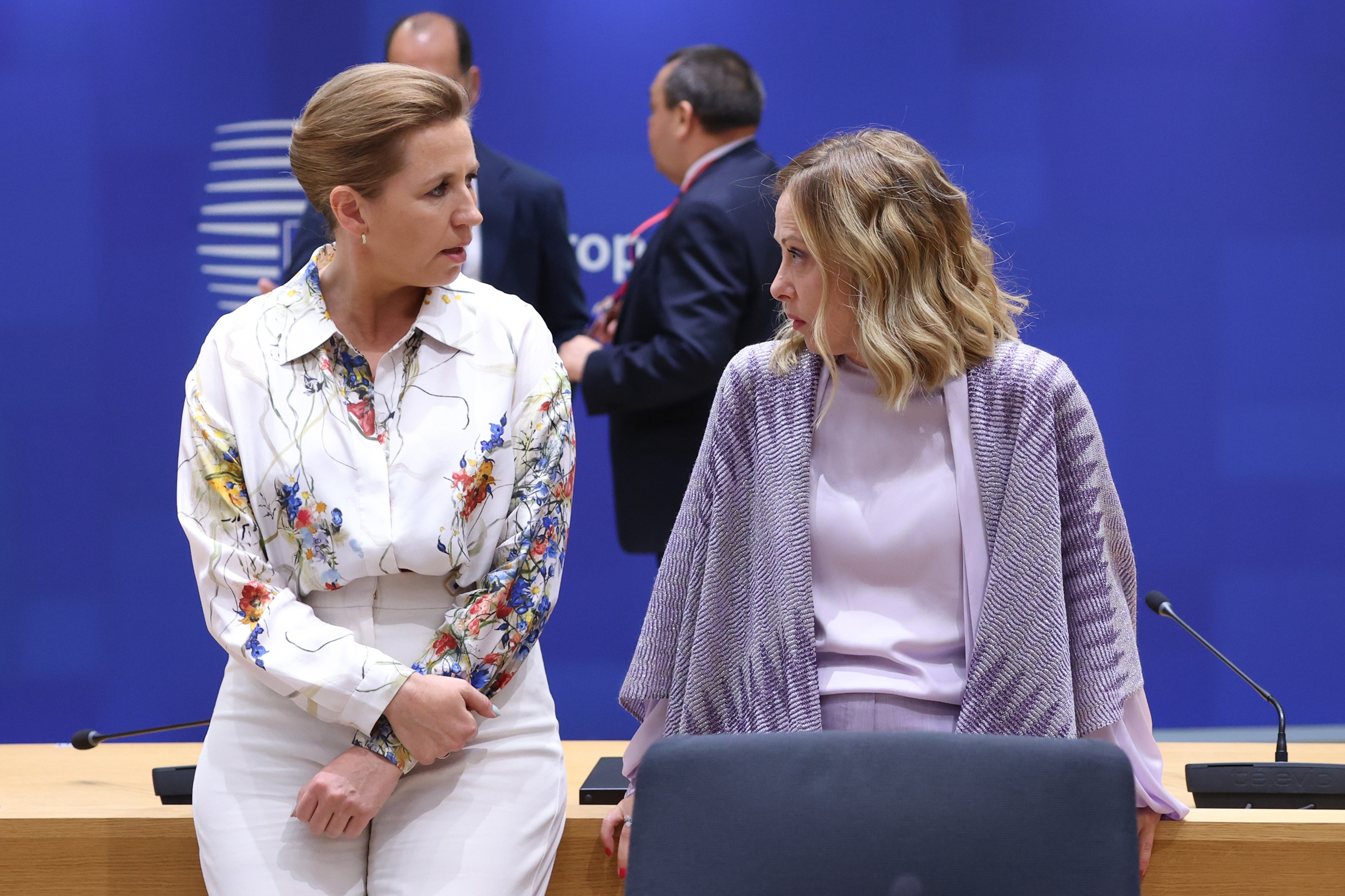
Common Line With Meloni
The statements in the Folketing come just days after Frederiksen and Italy’s Prime Minister Giorgia Meloni presented a joint initiative to change Europe’s migration policy.
In a joint letter to European leaders, the two heads of government argued for tougher measures against what they describe as uncontrolled migration. Among other things, they call for more returns and for reception or return centers to be set up outside EU territory. They also emphasize the need to protect Europe’s cultural and Christian heritage.
This should be distinguished from an earlier letter signed by 22 of the EU’s 27 heads of state and government on August 1. That initiative was coordinated by Italy and Denmark after the dramatic influx of migrants to Ceuta and called for an urgent EU meeting to discuss a joint response.
READ ALSO: Migrant storming may put a stop to the EU’s free movement: “Invasion”
In the letter, the leaders warned, among other things, of uncontrolled mass crossings and the so-called instrumentalization of migration, and called for stronger measures against illegal migration.
The two initiatives are thus separate but part of the same political development: Frederiksen and Meloni have in a short time taken a much clearer joint position for a much tougher European migration policy. It is against this backdrop that Frederiksen’s statements in the Folketing on August 12 have attracted particular attention.
The Danish Prime Minister leads a social democratic party, while Meloni leads a government on the European right. Despite these differences, migration has become an area where the two leaders are increasingly pushing a common line.
Has Previously Warned About Migration as a Threat
Frederiksen’s statement on August 12 is therefore not an isolated case. For several years, she has advocated a major shift in Europe’s migration policy.
In earlier speeches, she has described the large migration flows to Europe as a threat to European societies and has repeatedly argued that Europe must help more people outside the continent rather than receiving large numbers of asylum seekers on European territory.
During the Danish government’s work on migration policy, Frederiksen has also pushed for asylum processing and returns to increasingly take place outside Europe. The Danish model has made her one of the most migration-restrictive heads of government within European social democracy.