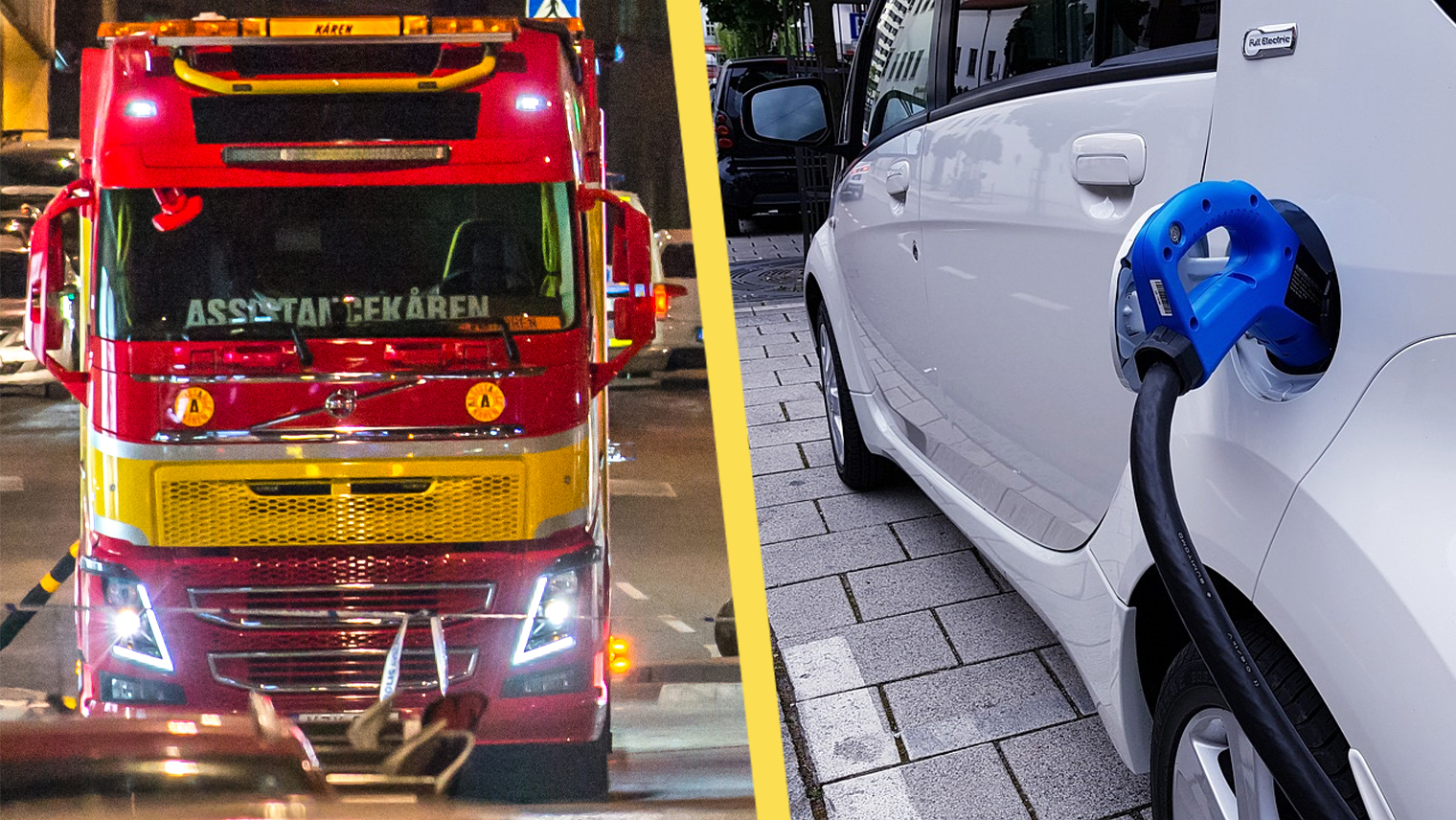
A new law stipulates that nearly 40 percent of taxis must be electric. However, this is not something the taxi companies themselves are particularly fond of, and they warn that it could be life-threatening in the worst-case scenario.
The 40 percent requirement applies to taxis used for publicly funded transportation.
“People talk about range anxiety, but for us, this is first and foremost a safety issue,” says Mikael Hjorth, CEO of Luleå Taxi, to the national radio.
“There’s a huge amount of wasted time—during winter, we’ve had vehicles with a range as low as 140-150 kilometers when fully charged,” he says.
In addition, there have been some fifty occasions where they’ve had to go and charge with customers still in the car. They pay for these stops themselves, considering it unethical to charge the customer, but at the same time, this is not a sustainable solution for taxi companies going forward.
Cold Weather Drains the Batteries
Batteries that can run out also pose a safety risk to both drivers and customers, Hjorth points out.
“At night or in the evening, during those long journeys, being stranded can be life-threatening,” he says.
One thing that puts extra strain on the batteries is the cold, and it’s not always something the drivers can prepare for. In northern Sweden, where temperatures can drop significantly, being stranded in the middle of nowhere is not a desirable situation.
READ ALSO: Electric Cars Underperform in Winter Range Test – Here’s How Much Was Lost