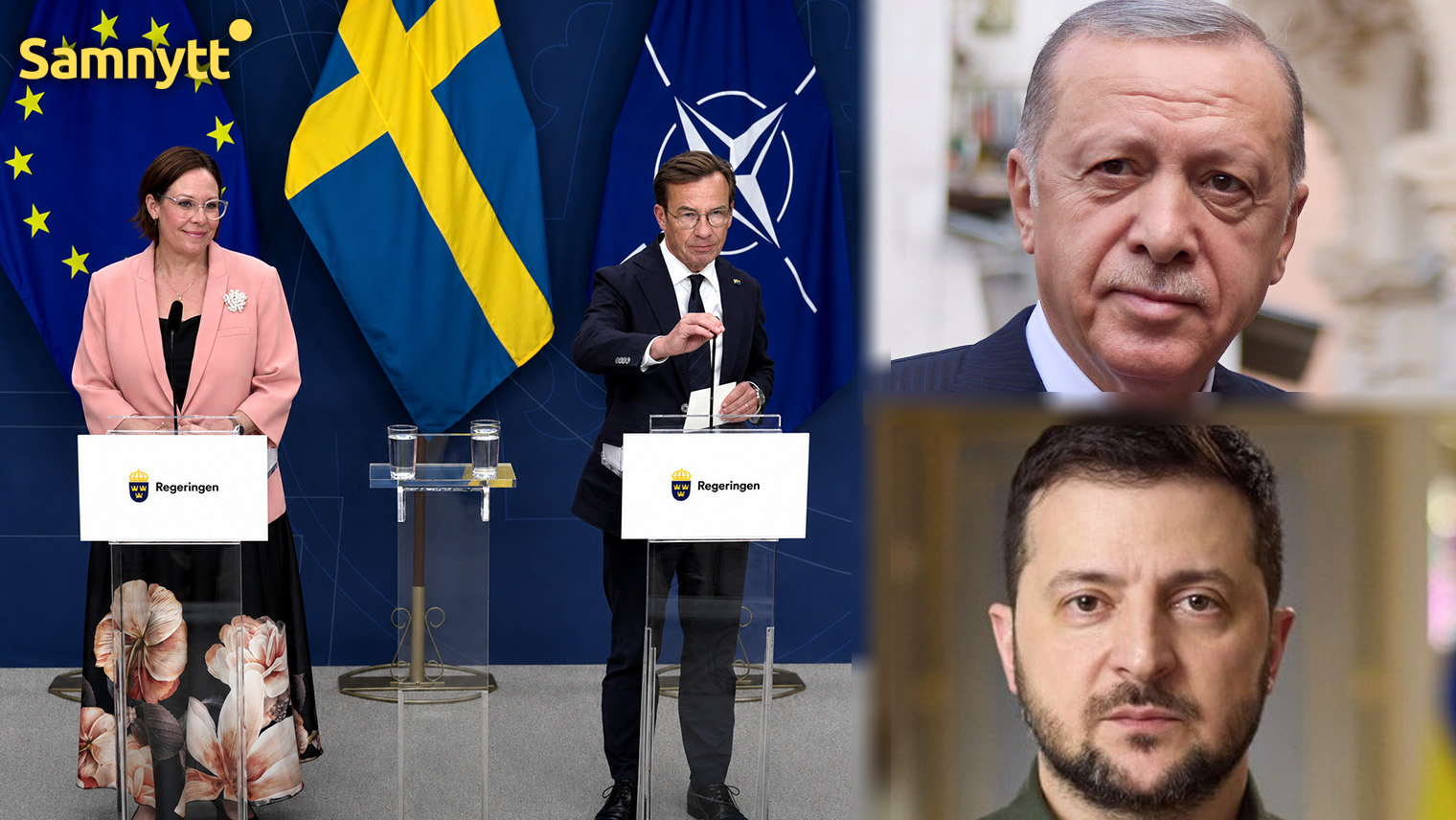
Sweden enters next week’s NATO summit in Ankara with three clear priorities – continued and long-term support for Ukraine, sharply increased defense investments, and a strengthened European defense industry. This was highlighted when Prime Minister Ulf Kristersson (M) and Foreign Minister Maria Malmer Stenergard (M) held a press briefing on Friday ahead of the meeting in Turkey.
When NATO heads of state and government gather in Ankara on July 7–8, it will be against the backdrop of Russia’s ongoing war of aggression against Ukraine, uncertainty in the Middle East, and a growing focus on Europe’s own defense capabilities.
Prime Minister Ulf Kristersson described the :censored:6:cdd6bbaa89: situation as turbulent and identified the war in Ukraine as the dominant security policy issue.
“European security right now is spelled Ukraine,” he stated.
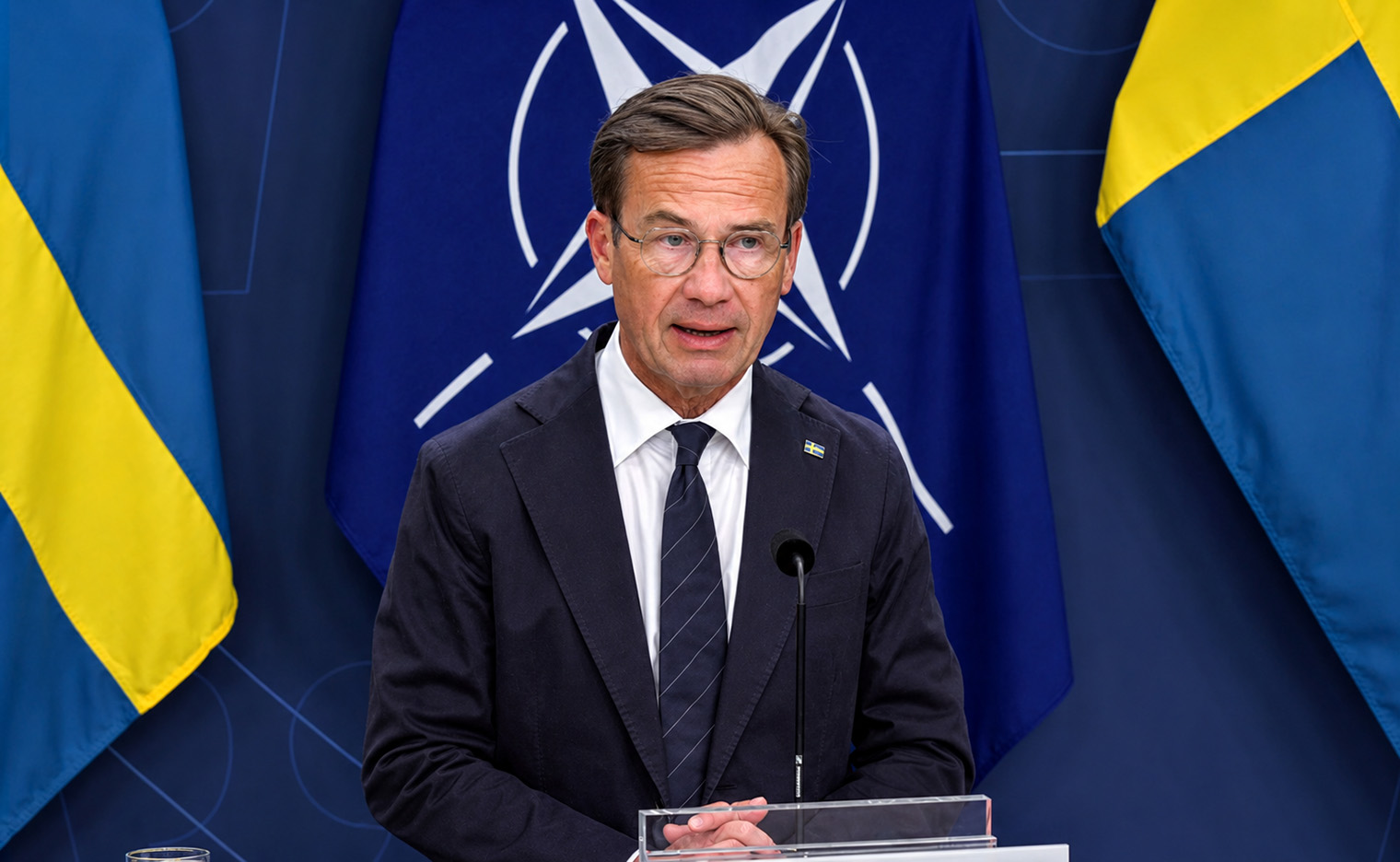
He emphasized that support for Ukraine will be Sweden’s most important message at the summit and stressed that there is no alternative to continued military and economic support for the country.
“As long as Russian aggression continues, fundamentally there are two things we must do. One is more support to Ukraine, and the other is more pressure on Russia.”
Pressure for Increased Support for Ukraine
Foreign Minister Maria Malmer Stenergard underlined that Ukraine is not only defending its own territory but also contributing to the security of Europe and NATO.
READ ALSO: Is NATO Still a Defense Alliance After Regime Changes in Libya and Iraq? Here’s Rutte’s Answer
In Ankara, she will participate in meetings within the NATO–Ukraine Council along with, among others, Ukraine’s Foreign Minister Andriy Sybiha and EU High Representative Kaja Kallas.
“By resisting Russia’s war, Ukraine contributes not only to its own security, but also to ours,” she said.
Malmer Stenergard also made a clear appeal to other allies to take greater responsibility for the support to Ukraine.
“It cannot be the case, year after year, that the Nordic and Baltic states – which represent just over thirty million inhabitants – account for a third of NATO’s military support to Ukraine.”
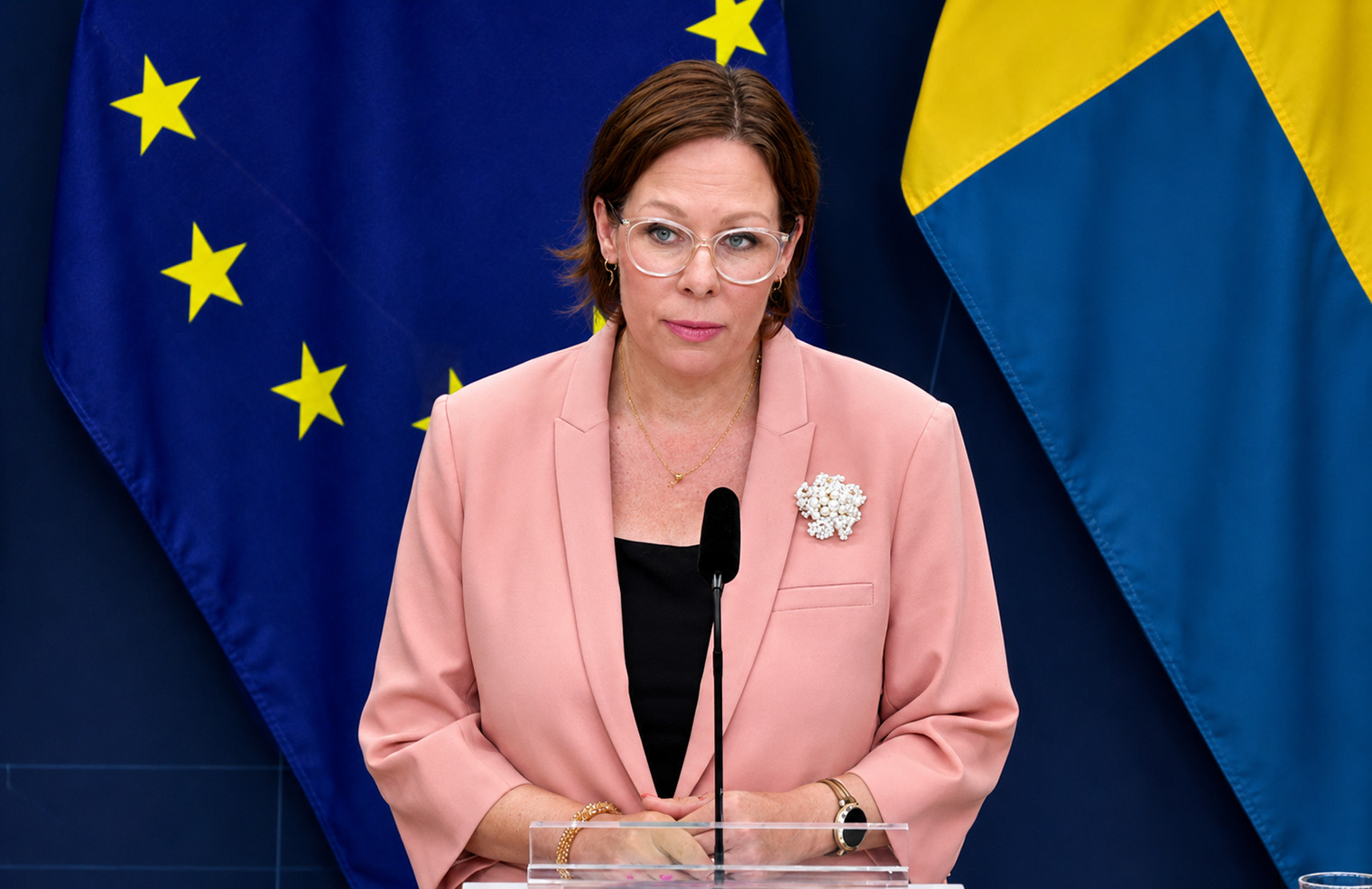
According to the foreign minister, the goal is for member states at the summit to pledge a total of 70 billion euros in continued support for Ukraine. The government considers this a minimum level, not a final target.
The participation of Ukrainian President Volodymyr Zelensky at the summit’s first day is seen by the government as an important sign of the alliance’s continued support. At the same time, NATO leaders are expected to discuss how support can be made more long-term and less dependent on political fluctuations in individual countries.
Five Percent for Defense
One of the major topics at the summit will be the follow-up on the defense target agreed by NATO last year – that member states by 2035 should dedicate five percent of GDP to defense-related investments, of which 3.5 percent should go to core military expenses.
Kristersson stressed that Sweden intends to move faster than this.
“Our ambition is to reach the five percent target already by 2030.”
READ ALSO: Watch as AP Journalist Grills the Pentagon About NATO
He pointed out that Swedish defense allocations have more than doubled between 2021 and 2025 and described the ongoing buildup as the largest since the Cold War.
When asked about member states still far behind the targets, the Prime Minister said that NATO will likely rely on increased transparency rather than formal sanctions.
“It will be very clear which countries are contributing substantially and which are lagging behind.”
The foreign minister also noted that several countries have significantly increased their defense expenditures in a short time.
“If we believe Europe is worth defending, not investing in Europe’s defense is simply unreasonable.”
The issue of Europe’s responsibility is expected to be central in Ankara, not least given the recurring US criticism of European NATO members’ insufficient defense spending, which the US has long been forced to compensate for.
Swedish Defense Industry in Focus
A special defense industry forum is being organized alongside the summit, where political leaders and industry representatives will discuss how NATO can build up its production capacity more rapidly.
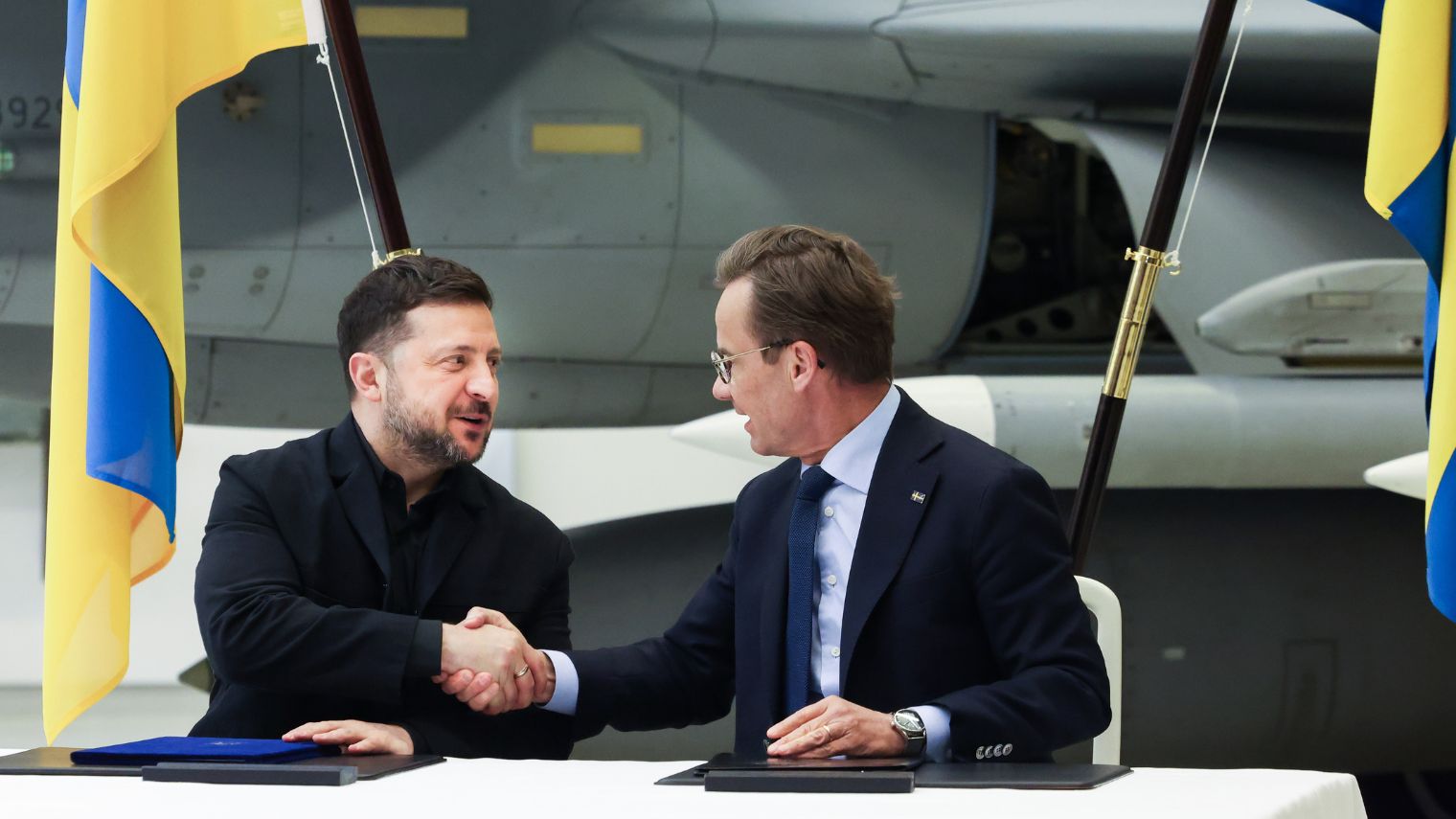
Kristersson emphasized Sweden’s strong position in this field.
“As NATO now builds up its defense, it is increasingly being built by Swedish hands.”
The Prime Minister highlighted the international success of Swedish defense companies, noting that exports have increased by about 70 percent during the current government’s term. He mentioned, among other deals, the sale of Gripen E fighter jets to Ukraine, A26 submarines to Poland, and ongoing negotiations for the GlobalEye airborne early warning system with Canada.
“Defense industry is no longer seen as something unsustainable… but as a necessary resource to be able to defend democracies in our part of the world.”
READ ALSO: Germany’s Warning: Major War in Europe Before 2029 as Russia Arms at NATO’s Border
According to NATO, the defense industry’s ability to convert increased defense budgets into actual military capacity is expected to become one of the most crucial questions for the alliance’s future strength.
Democracy Issues Ahead of the Meeting in Turkey
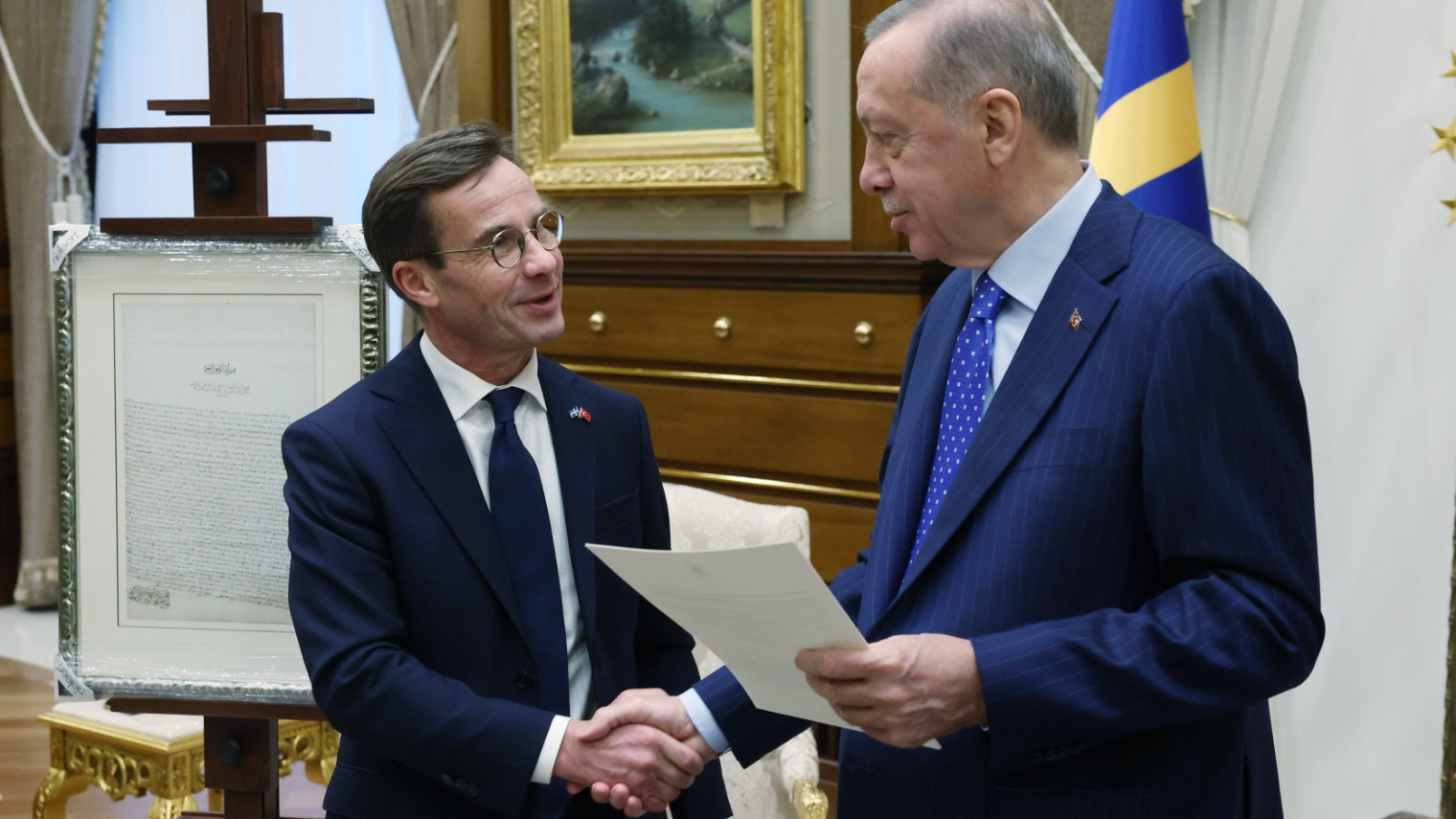
During the press conference, the government was also asked about the deteriorating democratic climate in Turkey and reports of arrests, demonstrations bans, and restrictions for journalists ahead of the summit.
Kristersson emphasized that Sweden’s stance is clear.
“NATO can handle both openness and criticism and praise, just like the EU and other forms of cooperation.”
He continued:
“Maximum openness, maximum freedom to review and follow the meeting. Just as it would be if the meeting were held in Sweden.”
Maria Malmer Stenergard stated that the government had already raised the issue with Turkish representatives ahead of the summit.
“We have already brought this up with Turkey.”
When NATO leaders gather in Ankara next week, the meeting will be highly characterized by the war in Ukraine, Europe’s military build-up, and the question of how the alliance can turn increased defense ambitions into real capability.
Watch the entire press briefing below.