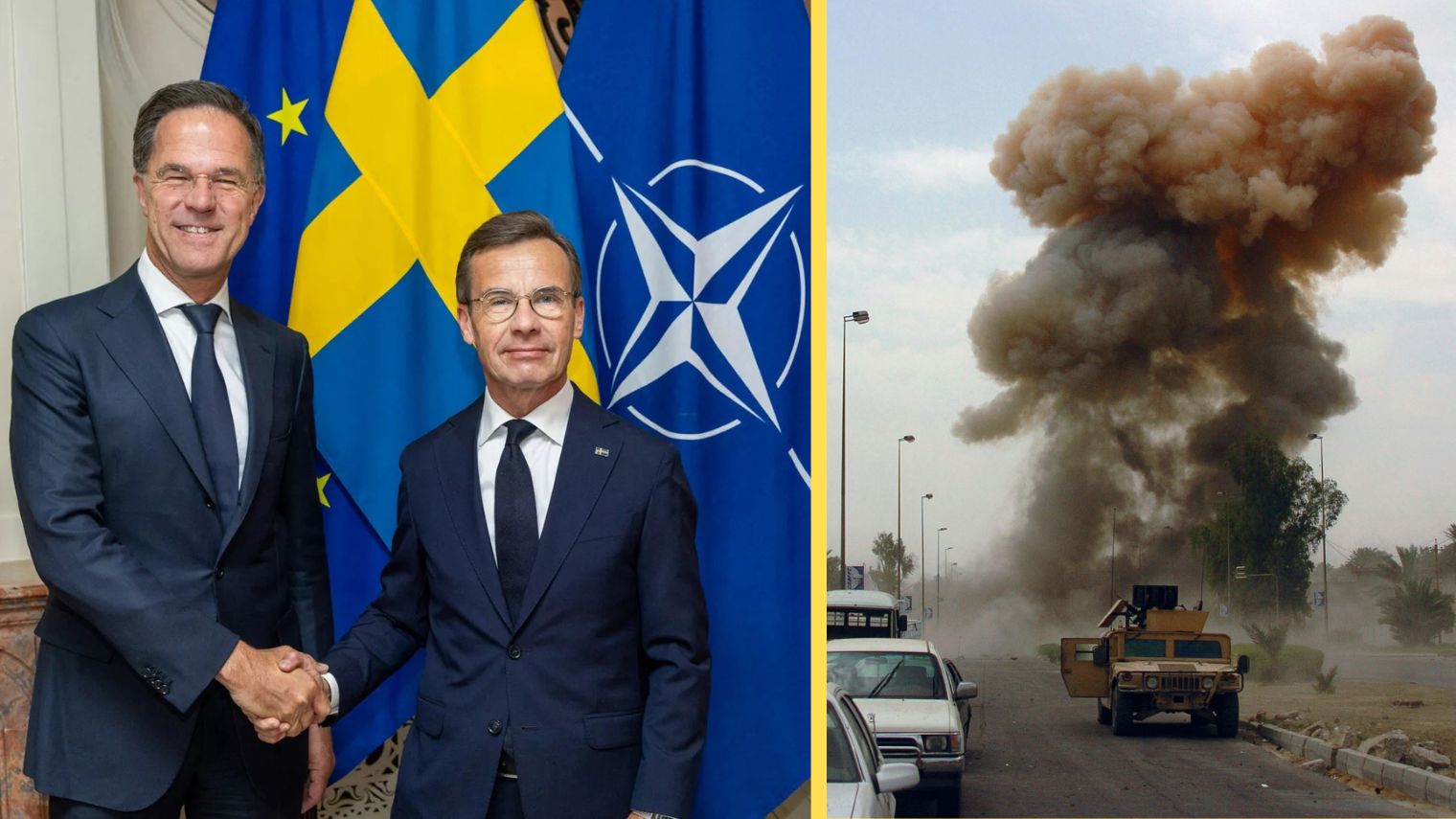
NATO Secretary General Mark Rutte repeatedly emphasizes that the alliance’s primary task is to protect its member states and that the organization’s actions are rooted in a defensive mission—even when activities occur outside its membership. Nevertheless, during a White House press briefing earlier this week, a journalist challenged that description and posed a direct question: is NATO really a defense alliance? Scroll down to see Rutte’s response in the video.
NATO was founded in 1949 and today consists of 32 member countries after Finland and Sweden joined in 2023 and 2024, respectively. Today, the alliance stretches from the USA in the west to Turkey in the east.
The foundation of the alliance is Article 5 of the North Atlantic Treaty, which states that an armed attack against one member is to be considered an attack against all. The principle of collective defense is said to be the core of NATO’s mission, and the alliance consistently describes itself as a defensive alliance.
At the same time, since the end of the Cold War, NATO has steadily expanded with new member states and on several occasions has participated in military interventions outside member territories. Both through active bombings aimed at achieving regime change as well as supporting wars on behalf of countries not in the military alliance. This has sparked ongoing debates about how NATO’s military actions align with its stated role as a defensive organization focused on its member states.
ALSO READ: Watch as an AP journalist grills the Pentagon about NATO
One of the clearest examples is NATO’s attack on Libya in 2011, which has been criticized over the years by many who argue that the operation shifted from a UN mandate to protect civilians during a civil war to, in practice, becoming a regime change operation aimed at removing Muammar Gaddafi from power.
Sweden participated in the NATO-led operation with JAS 39 Gripen fighter jets, even though it was not yet a member of the military alliance at that time.
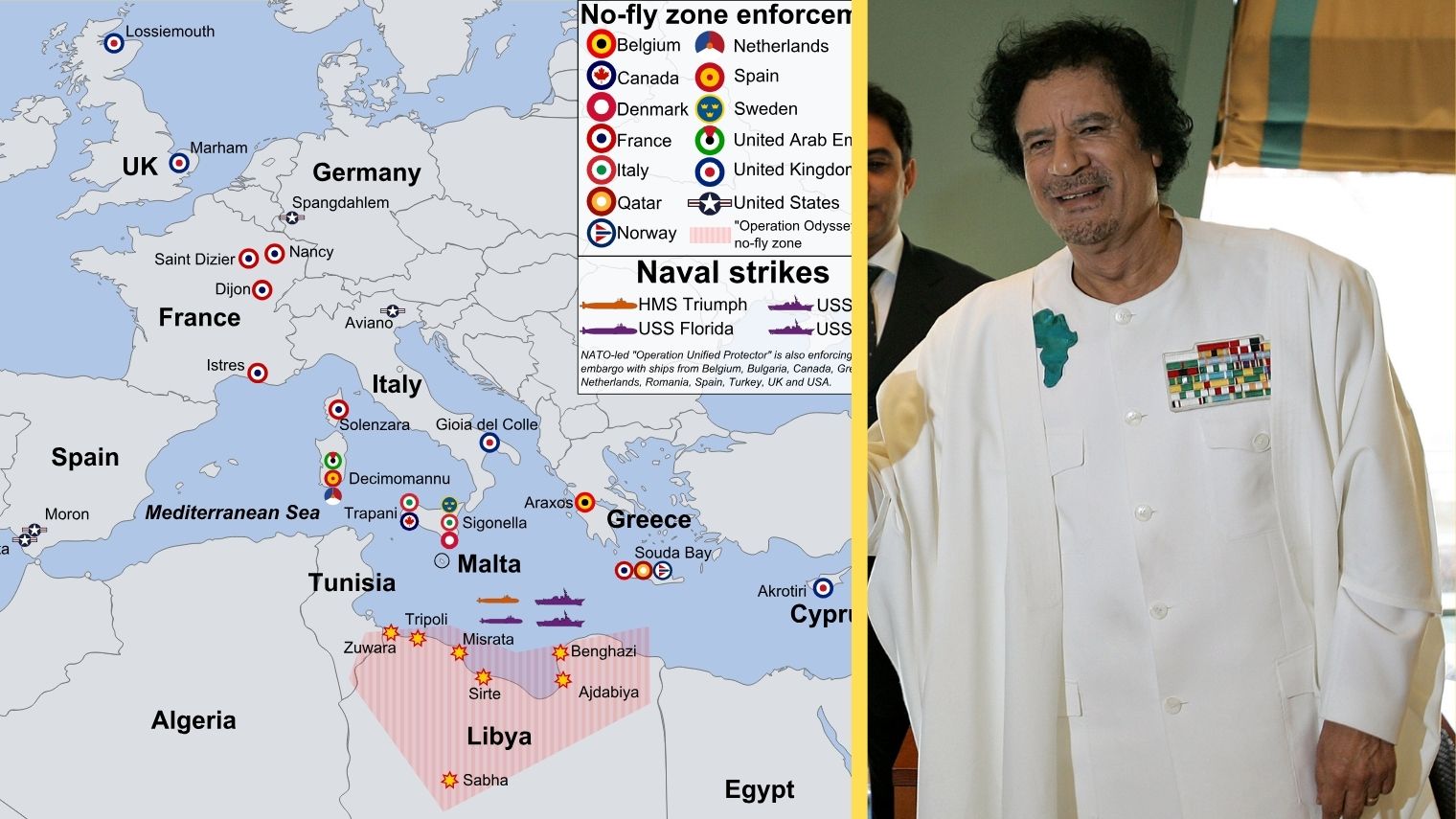
Mass migration followed
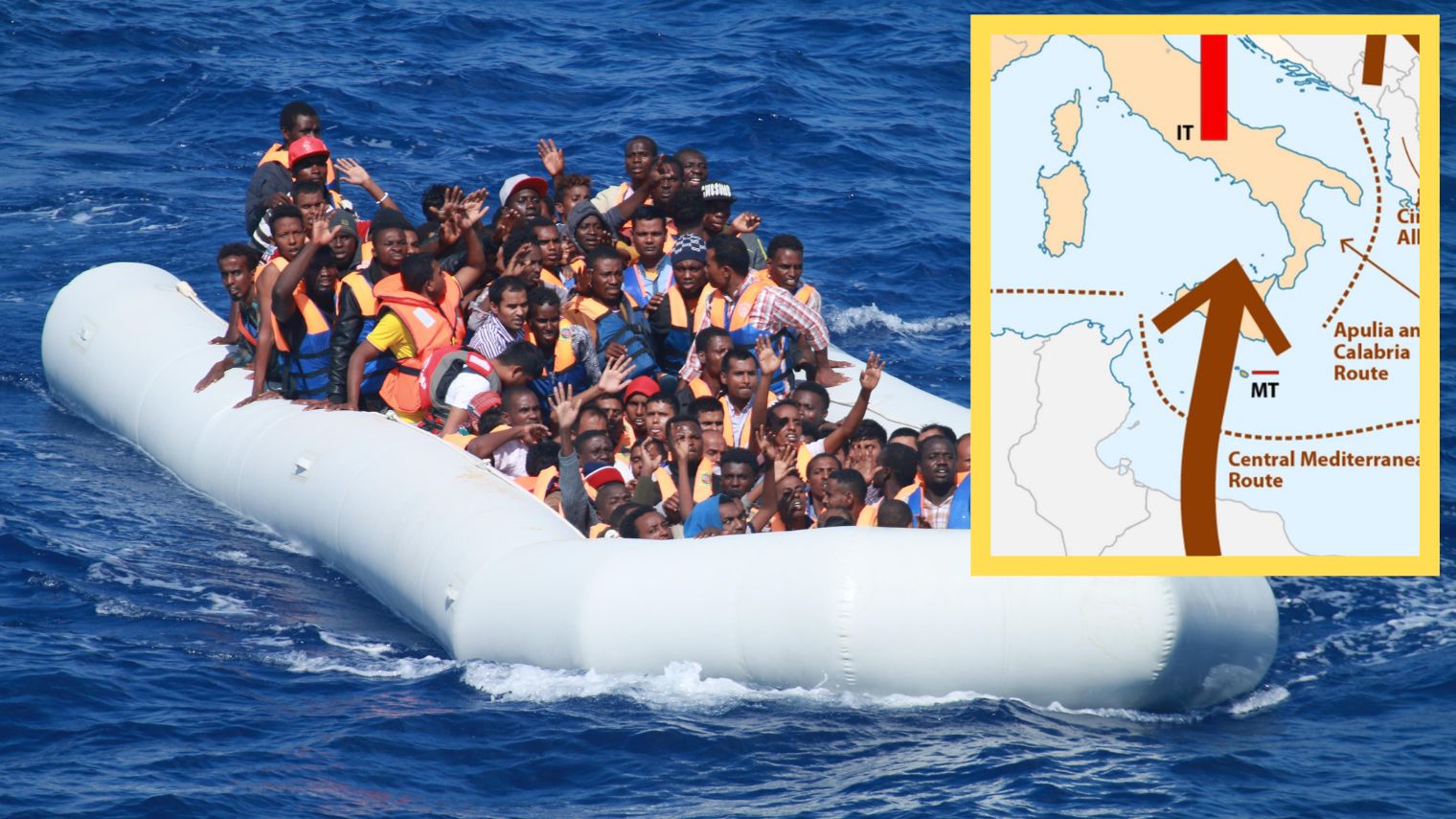
After the fall of Muammar Gaddafi, large parts of the Libyan state apparatus collapsed, which allowed human traffickers to establish themselves along the Mediterranean coast and operate freely.
ALSO READ: New curriculum: Now Sweden’s students will learn to love NATO
As a result, Libya became one of the main launching points for illegal migration across the Mediterranean to EU countries.
Iraq resulted in deaths and mass displacement
The wars in Afghanistan and Iraq, where the United States and the United Kingdom played leading roles and several NATO members participated in different ways, have also been widely criticized and were part of the journalist’s questions outside the White House earlier this week.
ALSO READ: How many millions have fled their homes due to U.S. wars since September 11, 2001
In Iraq, the invasion was justified partly by claims that the country had weapons of mass destruction—arms that were never found after the invasion.
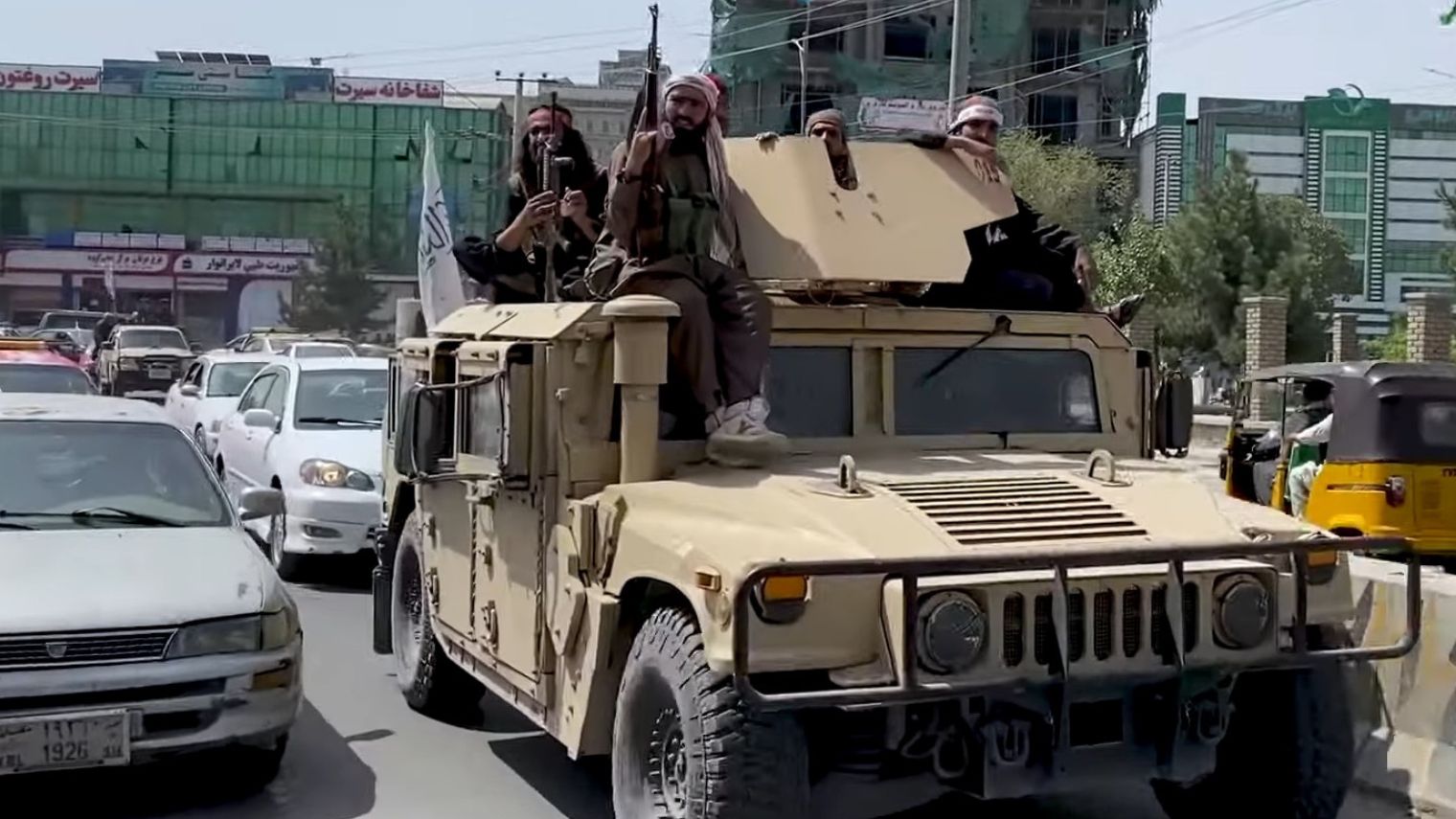
As for Afghanistan, nearly 20 years of military presence ended when foreign troops left the country, after which the Taliban regained power. Below, the Taliban can be seen using NATO equipment left behind by member states when they hastily fled the country in 2021.
Both conflicts led to significant human suffering, with heavy civilian casualties, millions displaced, and long-term instability. Some estimates suggest that hundreds of thousands of people died as a result of the Iraq war.
What was achieved through these wars remains debated, but it is clear the conflicts caused major refugee flows and migration to EU countries.
Many of those forced from their homes eventually sought refuge in the EU, including Sweden. It’s estimated that over 200,000 people in Sweden have an immigrant background from Iraq.
Attempted to talk around—then dodge
On Thursday, NATO Secretary General Mark Rutte faced an unusually uncomfortable question from the press after a meeting with U.S. President Donald Trump at the White House.
A journalist asked how NATO’s previous military interventions in Libya and Iraq, resulting in regime changes, could be reconciled with the alliance’s self-description as a defense organization.
ALSO READ: Mark Rutte: “NATO is more powerful than the Roman Empire”
Rutte, who previously served as the Prime Minister of the Netherlands, initially responded in general terms and avoided commenting on these historical operations. When the journalist repeated the question, he chose not to address the specific cases and instead replied that he did not intend to comment on all past NATO events.
– I will not comment on all past events. But I can assure you that NATO is here to protect.
He also emphasized that the organization’s main objective is to guarantee the security of the alliance’s member countries.