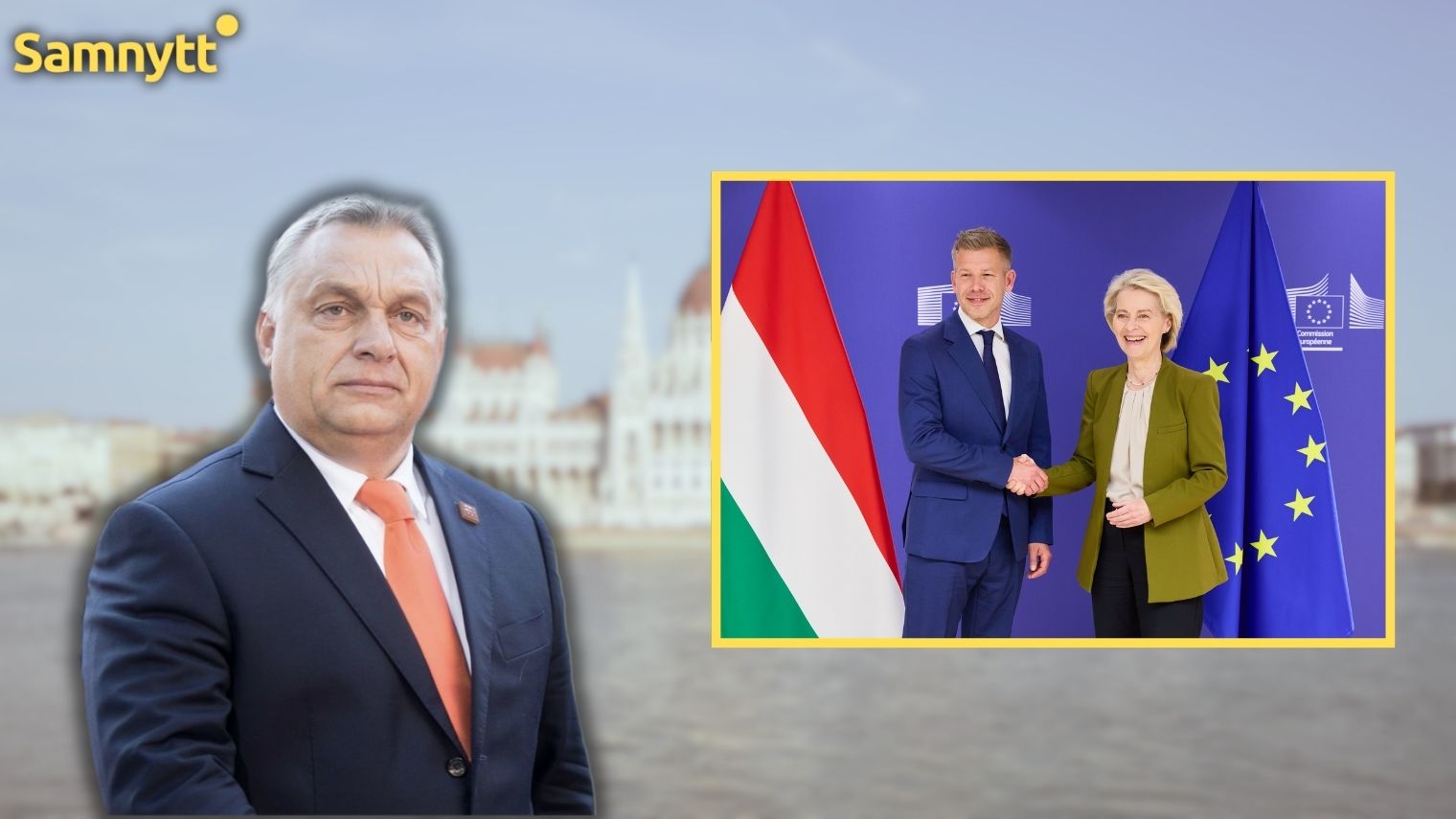
Hungary’s parliament has adopted a constitutional amendment introducing a maximum limit of eight years for how long a person can serve as prime minister. The decision effectively prevents former head of government Viktor Orban from returning to the post.
The proposal was passed in parliament by a wide majority on Monday. The reform is part of a larger political overhaul driven by the new government under Prime Minister Peter Magyar.
The new provision means that no one who has served as prime minister for a total of more than eight years since 1990 can be elected again. Since Orban has served as head of government for about 20 years over multiple terms, he is thus covered by the ban.
According to Euractiv and other sources, the aim is to strengthen the principle of rotation in the political system and prevent long-term concentration of power in the prime minister’s office.
ALSO READ: Protests in Hungary as new government accepts EU migration pact
The limitation is just one part of a broader reform package that the new government is implementing following the shift of power in the spring election.
Among other things, it includes:
Abolition or restructuring of state institutions introduced during Orban’s rule
Measures to return control over certain state-linked foundations to the state
Changes in how public resources and universities are governed
The government has described the reforms as a way to “restore democratic control mechanisms” after what it says was a long period of power concentration.

Political Turnaround after 16 Years of Orban
Viktor Orban governed Hungary for a total of about 16 years in his most recent period in power, after first serving as prime minister in the late 1990s. His time in office has been marked by extensive changes to the constitution and criticism from the EU and human rights organizations regarding the development of the rule of law.
In the April election, Orban’s party Fidesz lost power to Peter Magyar and his party Tisza, who subsequently secured a two-thirds majority in parliament, allowing for rapid constitutional changes.
Critics Warn of Power Play
Opposition voices and some legal experts have, according to several reports, warned that the law is tailored to exclude a specific political figure rather than to introduce general rules. Supporters of the reform, on the other hand, argue that it creates long-term barriers to abuse of power.
Although the law has now been adopted, it can theoretically be changed by future parliaments with a sufficient majority, meaning its long-term effect depends on how stable the new political order in Hungary becomes.
ALSO READ: EU chief has tamed Hungary – now subsidy billions are pouring in: “Diversity is our strength”