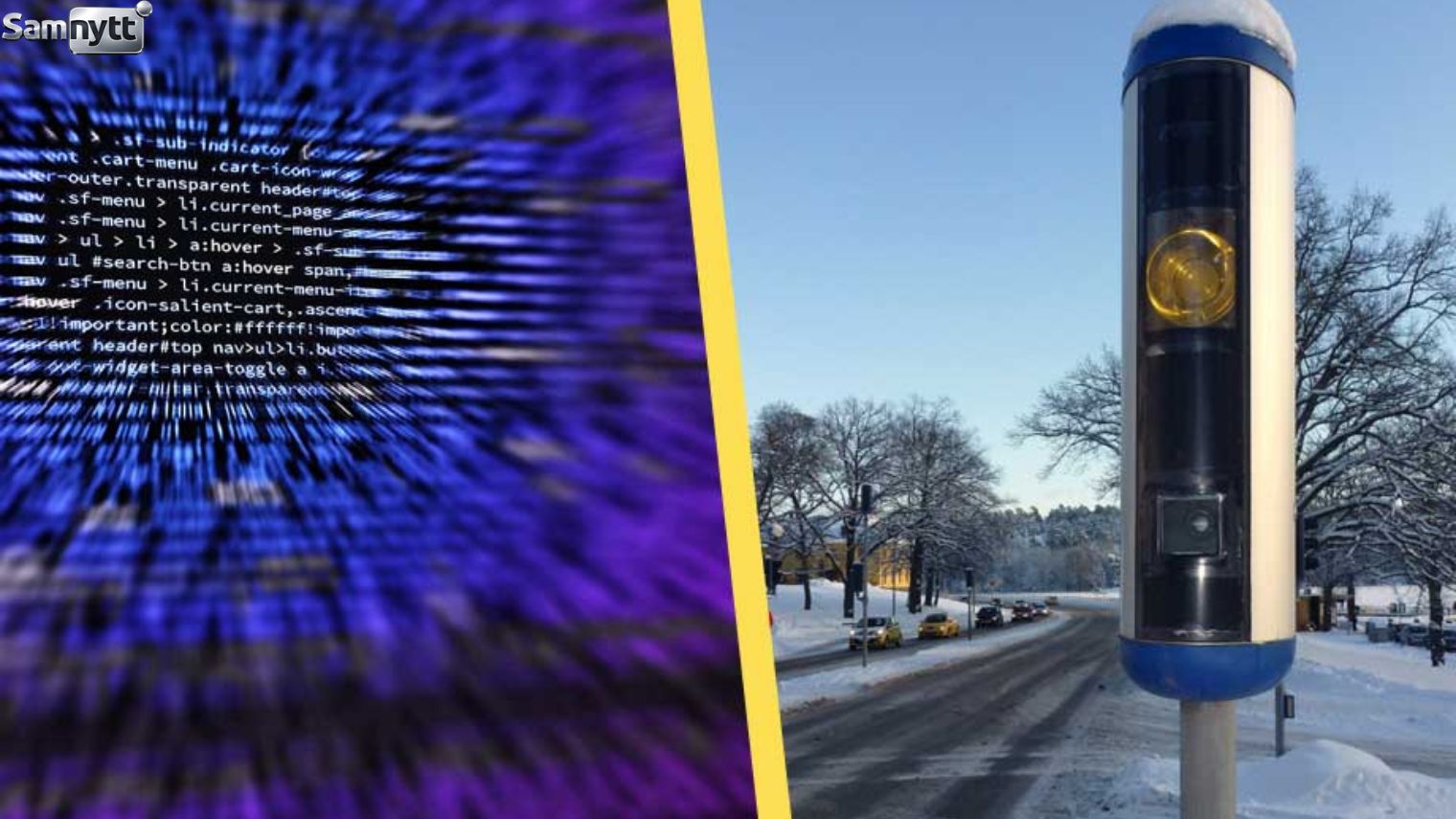
As technology advances, speed cameras are getting smarter. This also means that more drivers are getting caught. The British Department for Transport announced that all speed cameras must be painted yellow by October 2016. This has made most of them easier to spot. But what happens if, in practice, a speed camera is invisible—because it’s so far away? Such cameras do exist.
The new cameras are an advancement of today’s speed camera technology and have an impressive range of over a kilometer, reports the Bournemouth Echo. This has earned them the nickname “Lone Ranger.” It is the speed enforcement device with the longest range on British roads.
The camera can also be used to register drivers not wearing seatbelts and people using mobile phones while driving.
“Although this new long-distance camera could technically be used to crack down on illegal mobile use or tailgating, the main use will undoubtedly be to catch speeding drivers—if it begins to be used more widely by police authorities,” commented Pete Williams, traffic safety spokesperson for the RAC.
“Some drivers will inevitably be quite surprised when a letter about a planned prosecution drops through their letterbox, when they thought they had slowed down enough after spotting a police car in the distance.”
More Cameras in Sweden
Last year, the Swedish Transport Administration estimated that the total number of speed cameras in Sweden would reach 2,800, including new models that make it harder to evade detection.
Back in 2018, there were 1,820 speed cameras along Swedish roads. Last year, the number had increased to 2,482, and before 2025 the target was to reach 2,800. If expansion continues at the same pace, Sweden could surpass 3,000 cameras as early as 2026.
The new cameras are the Argus 4 model and are replacing the older 2008 technology. Not only do they provide sharper images, but they can also capture more types of traffic violations—for example, during overtaking and on roads with two lanes. According to police, Argus 4 is expected to lead to a significant increase in the number of speeding drivers who are caught.
Already last year, 200 new Argus 4 cameras were reportedly installed, including in Blekinge, Värmland, Uppland, and the Bjäre Peninsula in Skåne. However, the rollout has been delayed in some cases.
It has previously been discussed that speed cameras should measure speed between the cameras—that is, to prevent people from speeding up between them. But the government said no to this in 2024, a decision supported by, among others, the Sweden Democrats (SD).
“We have people driving under the influence of alcohol, drugs, vehicles with driving bans, and a fairly extensive illegal commercial traffic. And if you just focus on cameras and think that will solve the problem of fatal accidents in traffic, you’re missing the point. Now we have said no,” said transport policy spokesperson Thomas Morell at the time.