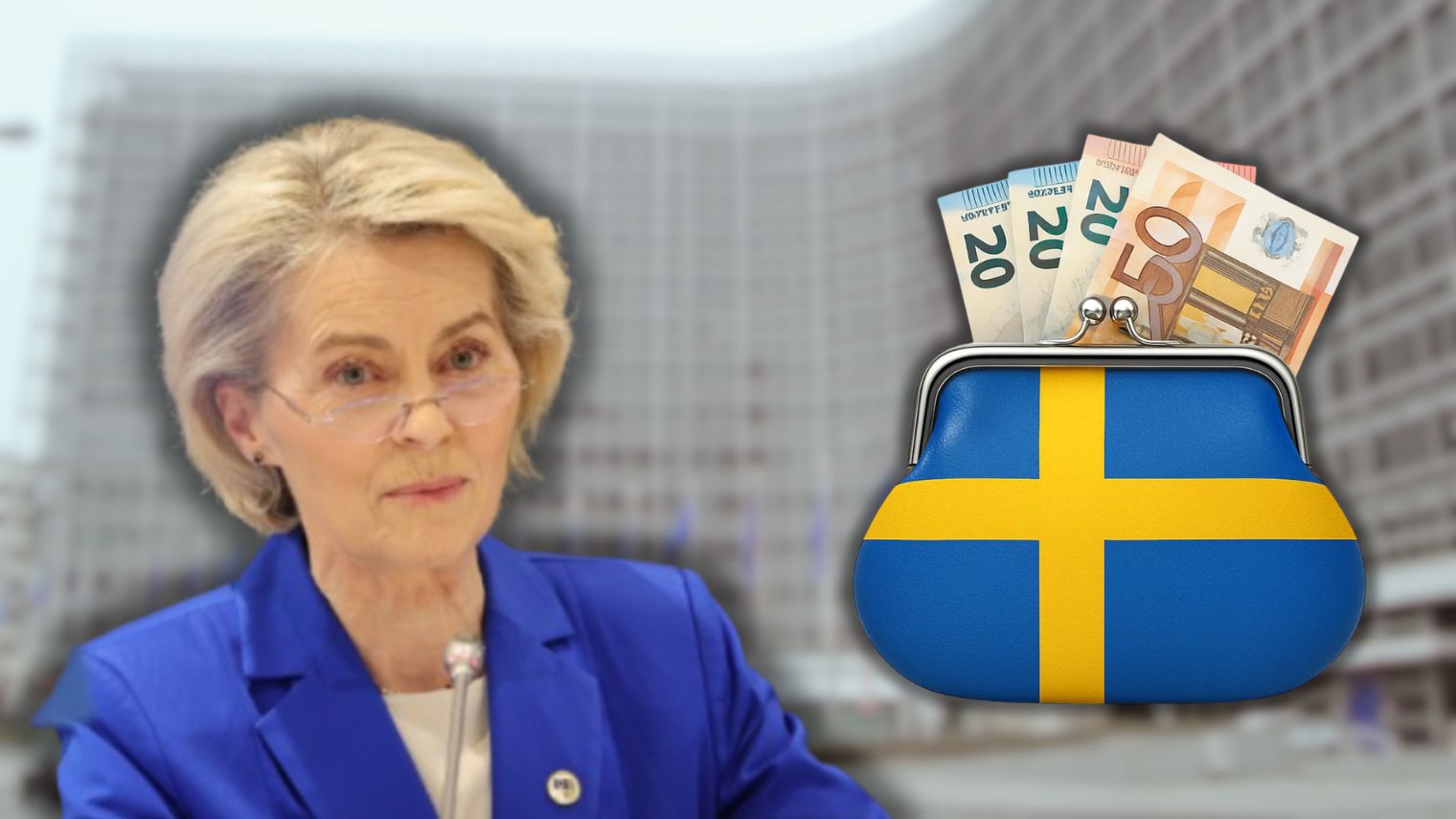
The European Commission’s plans for new common taxes are facing strong opposition from Sweden. At the same time, Finance Minister Elisabeth Svantesson (M) warns that the government may be forced to compromise as negotiations on the EU’s next long-term budget enter a more intense phase.
The background is that the EU wants to significantly expand the budget for the period 2028–2034. The Commission has presented a budget proposal of around 2,000 billion euros—almost a doubling compared to previous levels.
To finance these initiatives, Brussels wants to introduce several new so-called “own resources,” that is, taxes and fees that go directly to the EU budget instead of through the national budgets of member states.
ALSO READ: EU’s budget proposed to increase significantly—Charlie Weimers (SD): ‘Threaten with veto’
Sweden is among the countries most clearly opposed to this development.
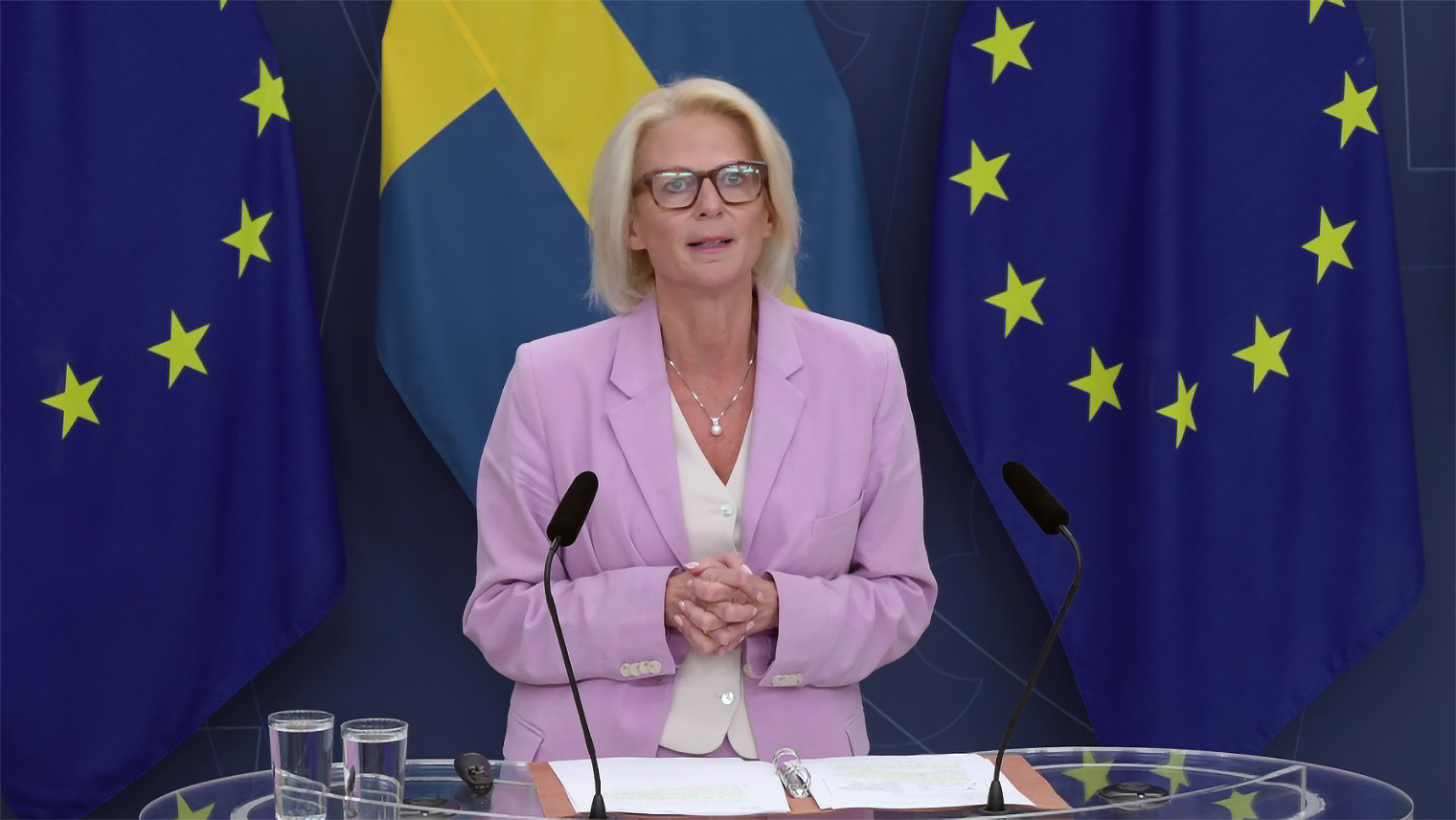
“We’re not entirely alone, but we are one of the countries that is absolutely at the forefront in opposing all new taxes,” Elisabeth Svantesson tells Tidningen Näringslivet.
Even though every member state effectively has veto power in tax matters, the government assesses that the pressure could be significant during the negotiations in Brussels.
“These will be negotiations where you have to give and take,” says the finance minister.
Brussels taxes criticized
One of the most debated proposals concerns a new EU tax on large companies. According to the Commission’s model, companies with annual revenues over 100 million euros would pay an annual fee ranging from 100,000 to 750,000 euros depending on size. The plan has been criticized for impacting different industries unfairly, since the fee is based on revenue rather than profit.
Germany, together with the Netherlands, has rejected exactly that part of the package. German Chancellor Friedrich Merz is strongly critical.
“The proposal should not be implemented. Why should we relieve companies in Germany and other countries of some burdens and at the same time agree to tax increases in Brussels?” he asks.
Meanwhile, there are more plans within the EU for other types of new revenue. The proposals include diverting portions of income from emissions trading, climate tariffs, tobacco taxation, and fees on electronic waste directly to the EU. In total, the Commission hopes to bring in about 65 billion euros per year through the new systems.
ALSO READ: Ten thousand farmers expected in Brussels—protesting against the EU’s agricultural policy
Several highly indebted member countries, including Italy, Spain, and Greece, are also pushing for even more joint EU taxes. The countries want to avoid sharply increased membership fees from their own state budgets.
The discussion of a specific digital tax on large tech companies has also been revived within the EU. The issue has previously divided the Union, with Sweden among those opposing special EU taxes targeting American tech companies such as Google and Facebook. Several countries, including France and Spain, chose at the time to introduce national solutions.
The EU justifies the bigger budget with increased investments in defense, competitiveness, and green transition. At the same time, the Union is to continue financing agricultural support and regional policy, as well as begin repaying loans from the COVID fund. According to Hungary’s former Prime Minister Viktor Orbán, it’s also about financing the war in Ukraine.
READ MORE: Orbán: The EU budget prioritizes the Ukraine war—at the expense of European farmers
EU fee may increase sharply
Sweden, on the other hand, sees major risks with this development and warns that more and more financial power is being transferred from member states to Brussels.
The government also fears that Sweden’s EU contribution could increase by between 60 and 100 percent if the budget proposal goes through in its current form. Sweden is supported by other net contributor countries like Denmark, the Netherlands, Austria, and partly Germany, all of which want to hold back the budget increase.
The negotiations over the EU’s long-term budget are already described as some of the most sensitive within the Union. The next major discussion among the leaders of the member countries is expected at the EU summit in June.