Between 2022 and 2023, food prices rose by 25 percent, leading to changed eating habits in many Swedish households. Above all, it resulted in many people eating less healthy food. This is shown by a new study from Lund University.
Food prices increased in parallel with both higher interest rates and higher electricity prices. Many households struggled financially and were forced to cut costs, which led many to buy cheaper — and less healthy — food. There was more soda and less dairy, and sales of fruit and vegetables dropped by 15 percent.
– 25 percent is historically unique. The last time food prices rose this much was in the 1950s, and interestingly, war and uncertainty were factors then too. Food rationing had ended and the Korean War led to imported goods becoming much more expensive, says Jonas Nordström, economics researcher at Lund University.
READ ALSO: Timbro profile: Food is too cheap
Another consequence was that Swedes generally bought smaller quantities of food, which in turn led to a lower intake of fat and salt. This meant that the negative effects of eating less fruit and vegetables were not as serious as they could have been.
Stockholmers the Most Adaptable
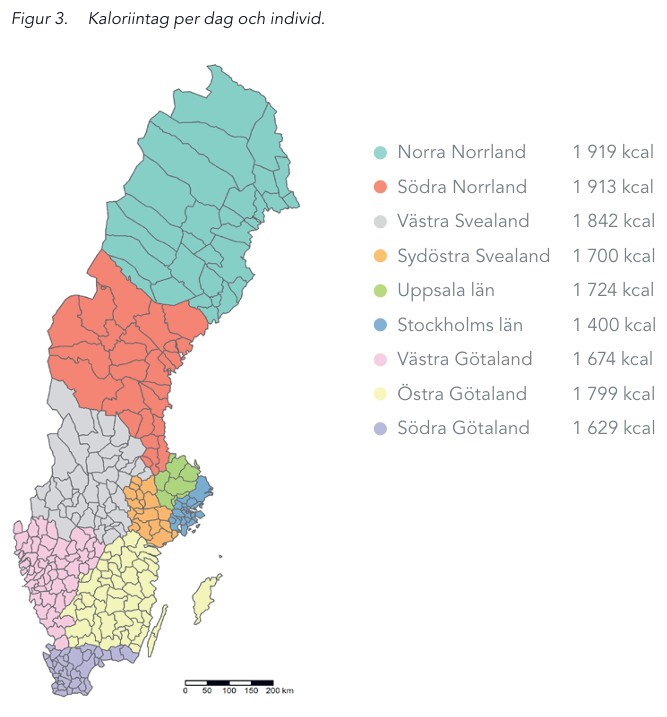
The decline in fruit and vegetable consumption was greater in Västerbotten and Norrbotten counties, which also led to the negative effect on public health being twice as great there as in Stockholm County. In these two counties, people didn’t reduce the amount of food eaten, but rather replaced the greens.
Stockholmers made the biggest adjustments. In the capital, people not only reduced their total food intake but also chose cheaper alternatives to a greater extent than others.
More Expensive Favorite Dish
The price for Swedish households’ favorite dish, spaghetti with meat sauce and a glass of milk, rose by a quarter during the period.
Last year the government proposed reducing VAT on food to strengthen households’ finances. The hope, says Nordström, is that Swedish consumers will then spend more on fruit and vegetables.
– If retailers want to improve public health, they need to offer deals on healthy products, not quantity discounts on unhealthy ones, says Jonas Nordström.
READ ALSO: Proposal: Lower the price of healthy food and raise it for unhealthy food