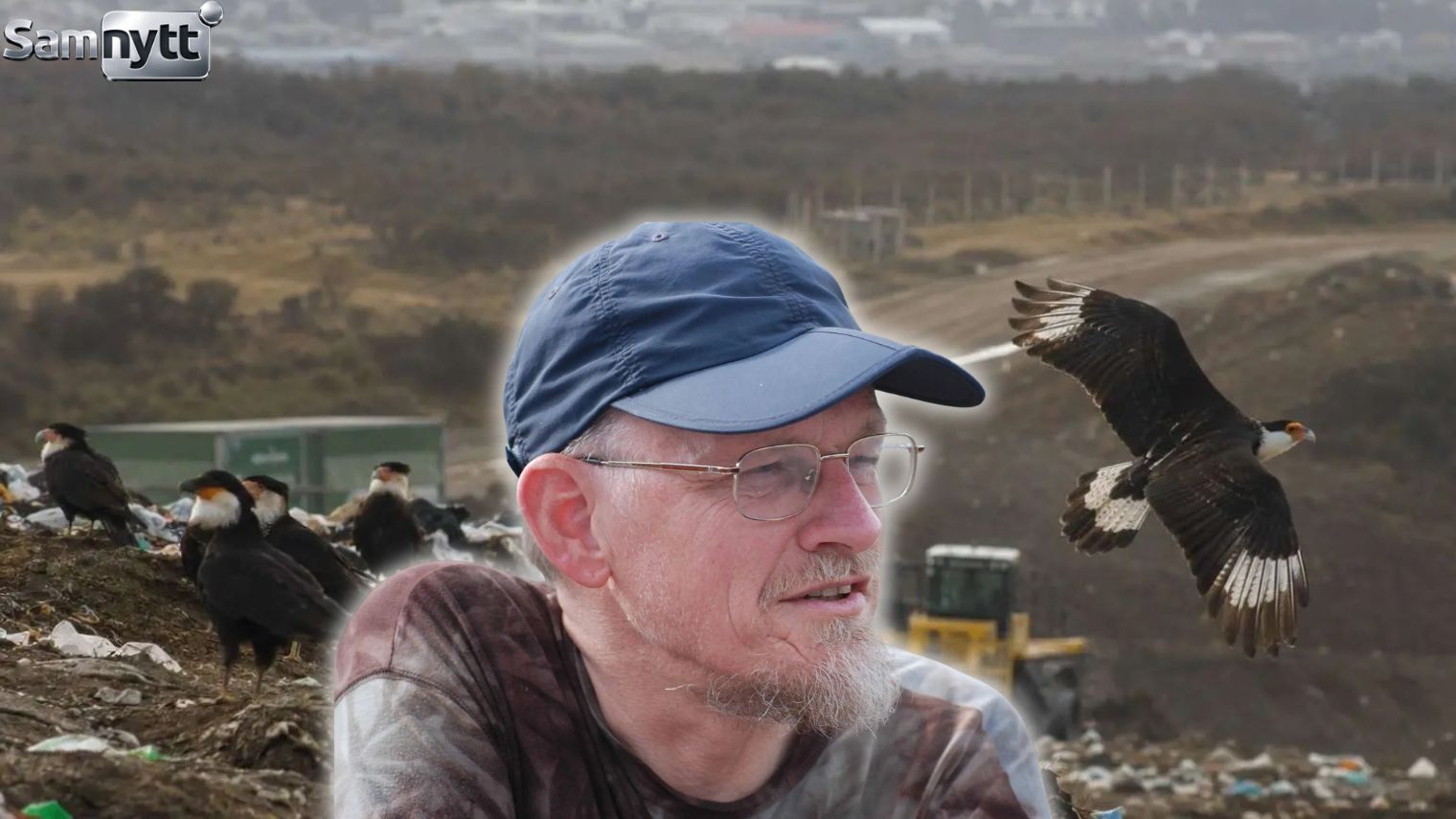
The Dutch ornithologist Leo Schilperoord has been identified as the first known person in the widely reported hantavirus outbreak aboard the expedition vessel MV Hondius. The 70-year-old bird expert is believed to have been infected during a visit to an infamous landfill in southern Argentina, where birdwatchers search for unusual species among heaps of garbage, unsanitary conditions, and rats living in the waste. The journey ended in tragedy – both he and his wife died, and several other people are now also connected to the outbreak on the ship.
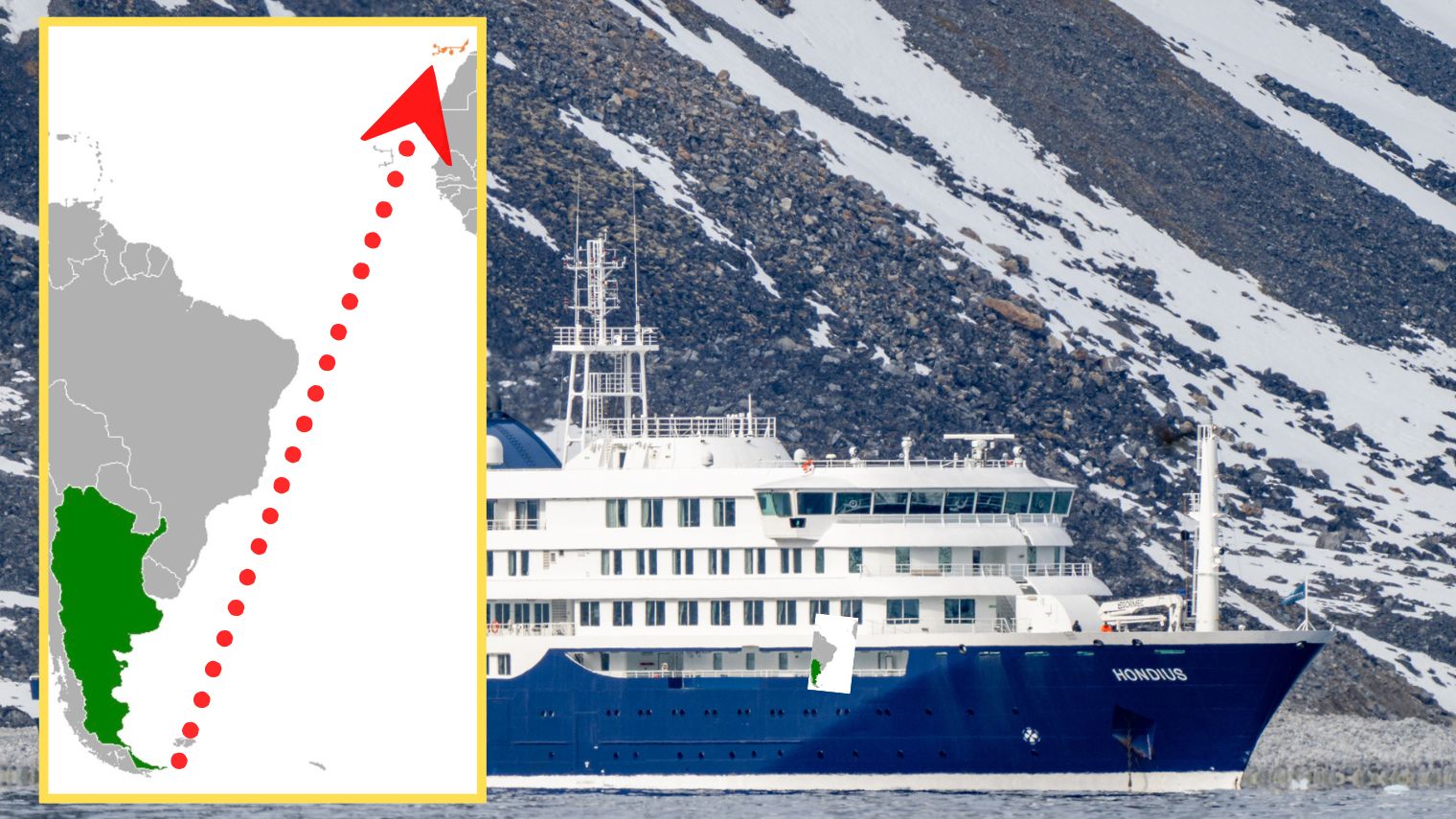
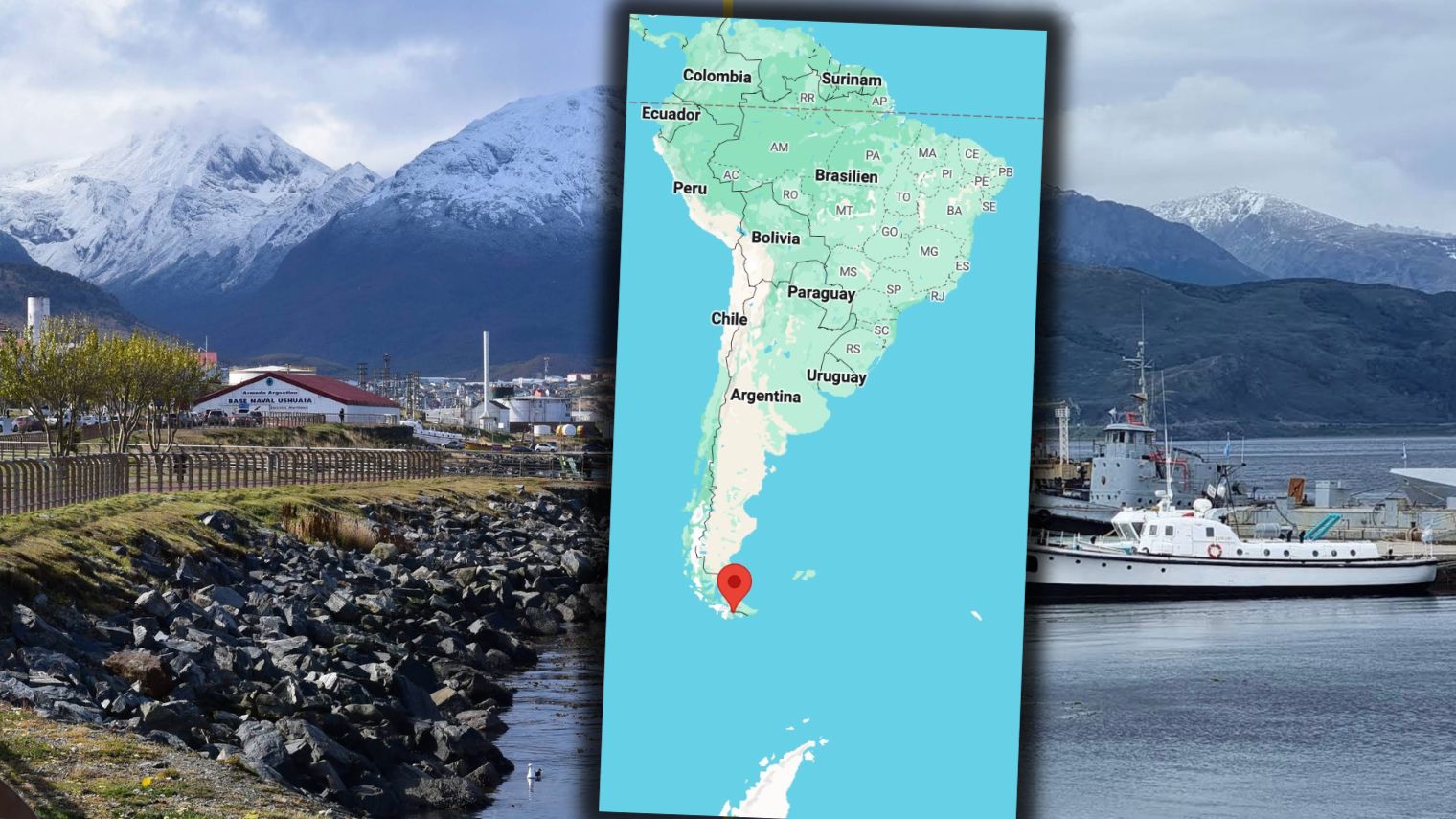
Leo Schilperoord, 70, and his wife Mirjam Schilperoord, 69, traveled across South America for nearly five months. Their trip began in Argentina at the end of November before continuing through Chile and Uruguay. At the end of March, they returned to Argentina, making a stop outside the city of Ushuaia in southern Argentina, from where they planned to return home on the expedition ship MV Hondius.
The couple came from the small Dutch village of Haulerwijk and were well known in the birdwatching community. As early as 1984, they had together published a study on barnacle geese in the Dutch ornithological journal Het Vogeljaar.
READ MORE: Argentinian infectious disease doctor on the hantavirus: “The contagiousness is far from covid”
For decades, they traveled the world to study birds and nature, including on a much-discussed nature trip to Sri Lanka where they managed to observe the rare owl species Serendib Scops Owl.
Visit to landfill
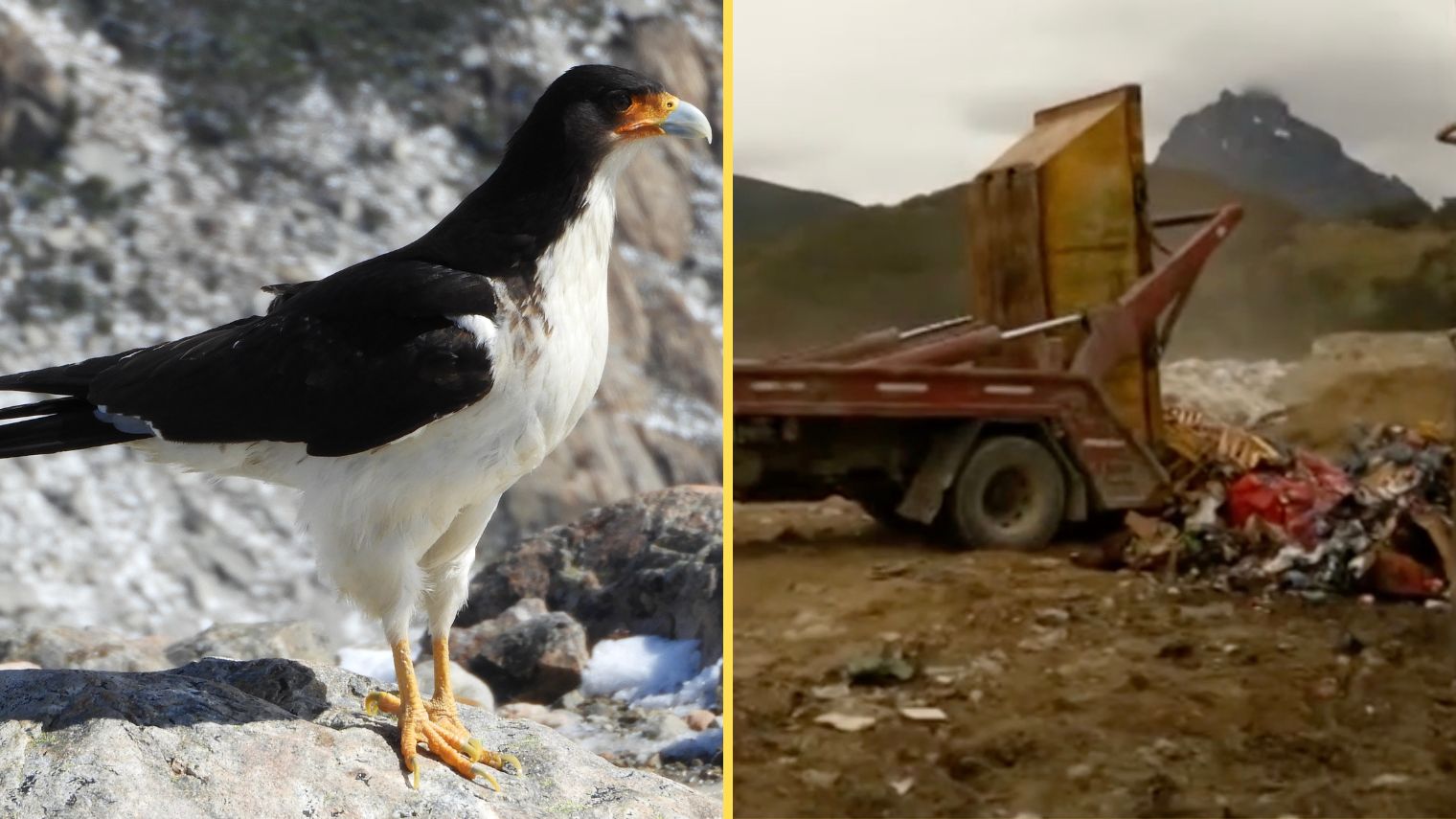
Argentinian authorities suspect the infection originated during a visit to a large landfill about six kilometers outside Ushuaia. The area is known among birdwatchers because the rare raptor White-throated Caracara frequently gathers there. The bird is sometimes called ‘Darwin’s caracara’ after Charles Darwin, who first described the species during his travels in South America.
The local guide and photographer Gastón Bretti told the newspaper Ansa Latina that the landfill has long been a well-known stop for international birdwatchers because large numbers of birds gather there.
At the same time, the site is notorious among locals because of the large amounts of waste and the presence of rodents. Experts believe the couple may have inhaled virus particles from rats at the landfill.
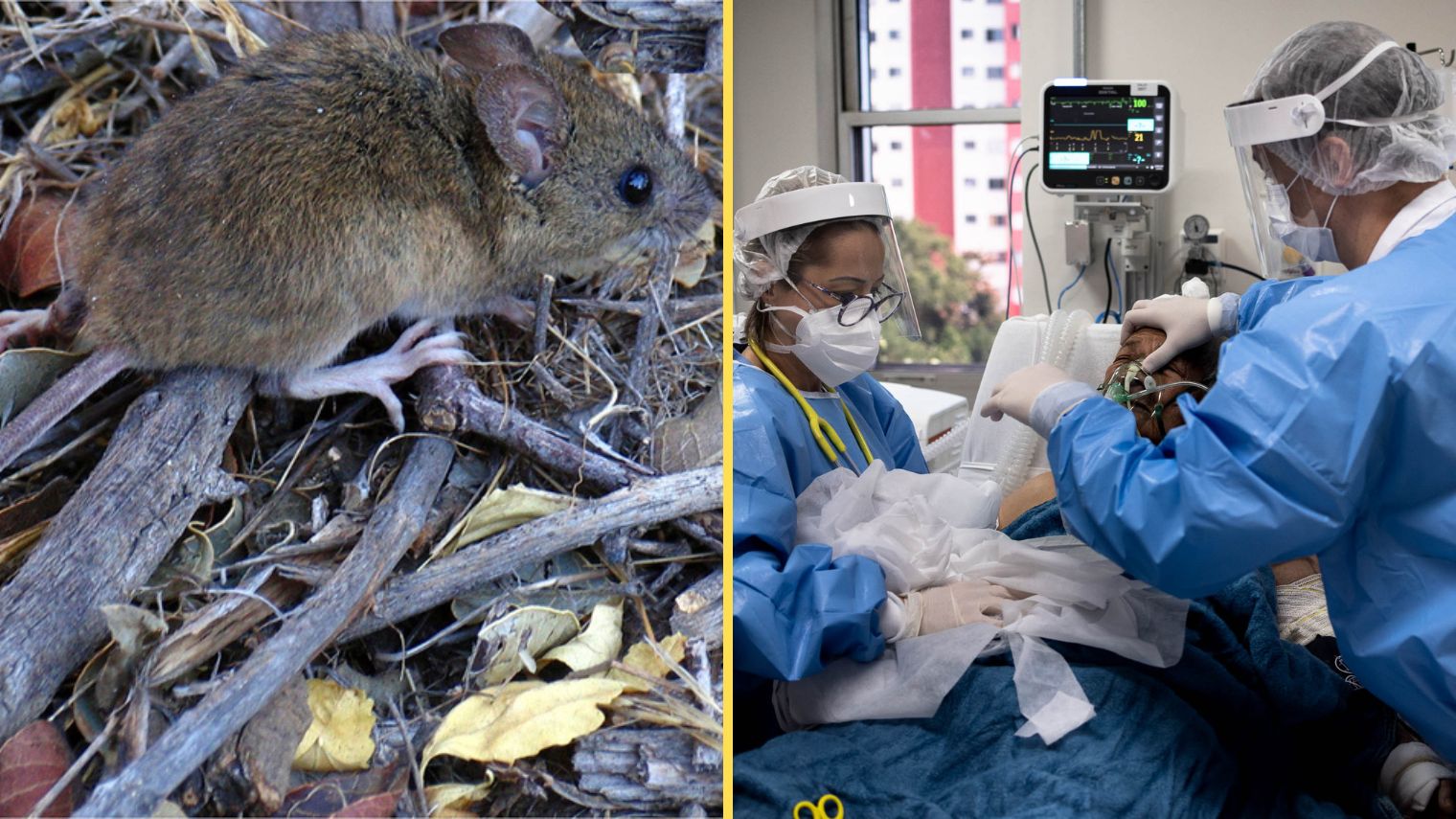
The virus is usually spread from infected rodents when people inhale virus particles from urine, feces, or saliva.
The Andes strain is of particular concern to health authorities because it is the only known form of hantavirus that can spread between humans. The virus has been known in Argentina since 1995 after a major outbreak in Patagonia and is considered one of the most dangerous variants of the disease.
In severe cases, the infection can cause acute respiratory failure and serious heart and lung complications. In previous outbreaks, the fatality rate has been estimated at between 30 and 40 percent. Since the mid-1990s, over a thousand cases of hantavirus have been reported in Argentina.
Fell ill on board
On April 1, the couple boarded the expedition cruise ship MV Hondius in Ushuaia together with another 112 passengers. On board were primarily scientists, nature enthusiasts, and birdwatchers on their way to some of the world’s most remote natural areas. In total, about 140 people were on the vessel, including the crew.
Just a few days into the journey, Leo Schilperoord began showing symptoms. On April 6, fever, headache, stomach pain, and diarrhea were reported. His condition deteriorated rapidly, and five days later he died on board the vessel.
Mirjam Schilperoord later left the vessel together with her husband’s body when the cruise made a scheduled stop at Saint Helena in the South Atlantic on April 24.
She then traveled on to Johannesburg, South Africa, to catch a flight home to the Netherlands, but never made it home. Flight staff found her too ill to continue and she was removed from the plane. She collapsed later at the airport and died the following day – from hantavirus.
In death notices published in a local Dutch newspaper, the couple was described as passionate travelers and nature lovers.
“Like birds in flight, we will miss you and your stories,” one of the memorial notes read.
Several passengers under observation
So far, at least nine cases of the Andes strain of hantavirus have been confirmed in connection to the outbreak aboard the MV Hondius expedition ship. Three people have died, including the Dutch couple Leo Schilperoord and Mirjam Schilperoord.
Several other passengers and people who have had close contact with the infected are still under monitoring by health authorities in several countries.
In Sweden, two people are said to have been placed in isolation after suspected exposure — one a passenger from the vessel who returned to Sweden, the other an air traveler in South Africa reportedly seated near another person from the cruise.
The World Health Organization has meanwhile warned that more cases may be discovered in the wake of the outbreak. At the same time, both the WHO and the Swedish Public Health Agency emphasize that there are currently no signs of widespread international transmission or the start of a new pandemic.
READ MORE: The government on the hantavirus: ‘Not the start of a new pandemic’