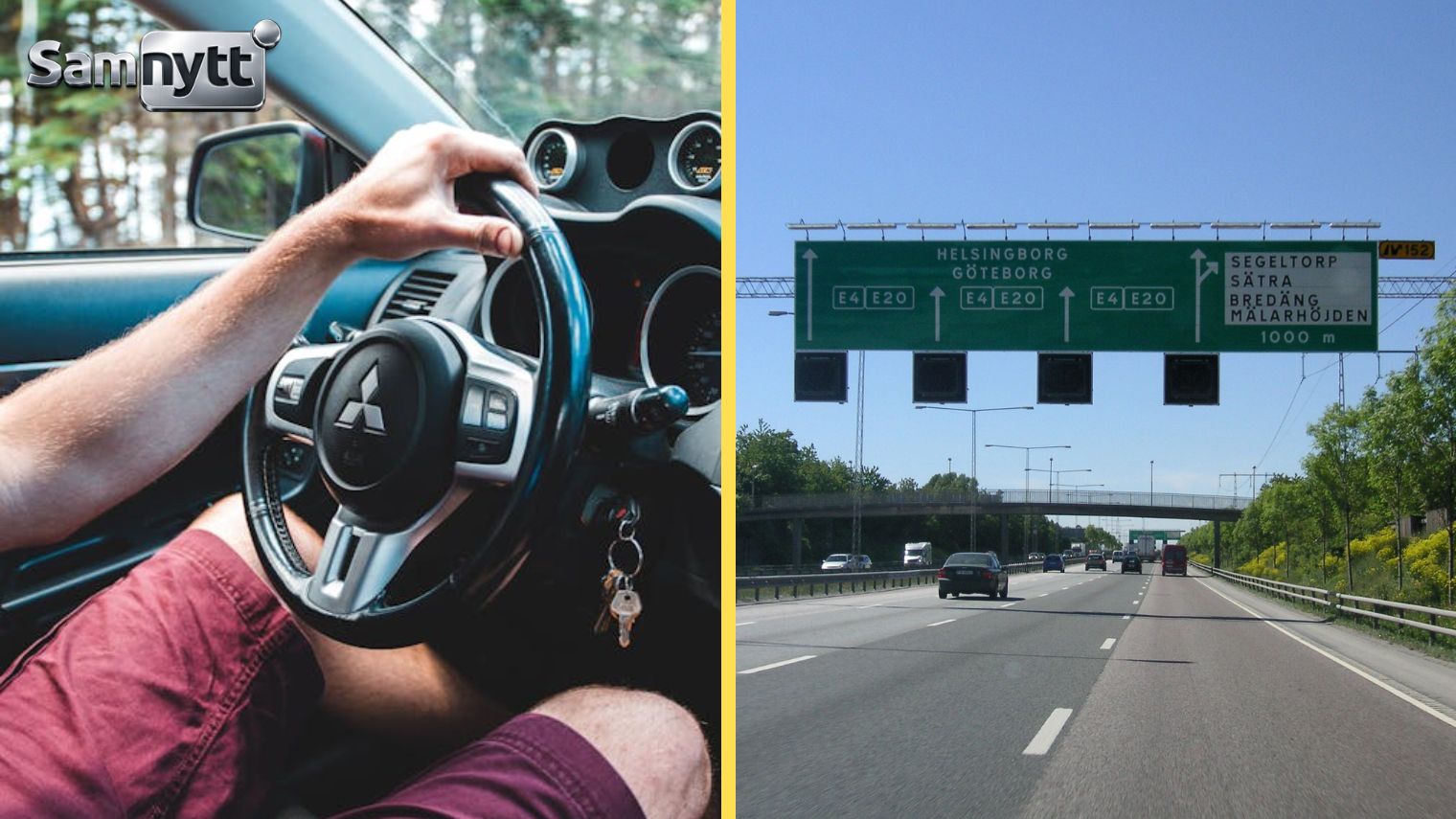
Anyone who travels by car knows that the condition of Swedish roads is not always the best. The very worst road is in Västerbotten—at least according to the results of a new survey.
To examine road quality, the National Association M conducts annual measurements. The latest survey was carried out in the summer of 2025 in partnership with Michelin and Honda, when the association’s road representatives drove nearly the entire state road network of Sweden.
“Our club members have driven 100,000 kilometers and measured road damages with cameras connected to AI analysis,” says Heléne Lilja, CEO of the National Association M Sweden. “The results show that there is a lot to be done to improve the condition of the roads. The reason we do this is that road users—those who use the network every day—must be able to feel that the roads are safe and reliable.”
Data has been collected using cameras, and the material has then been reviewed with AI technology. This year’s study is the first time such technology has been used.
READ ALSO: Self-driving vehicles soon on Swedish roads
“We can already reveal that Sweden’s worst national road is in Västerbotten, and the worst county road is in Jämtland County,” says Heléne Lilja. “But each county has had its own review, and it’s easy to see which roads within each are most in need of action. The aim of this report is to put road maintenance on the agenda. We need to talk about why there are still large differences across the country, even though motoring is so heavily taxed. Swedish road users should be able to expect more from the road network than this.”
According to the report, there are differences between north and south, but also between counties that would seemingly have similar circumstances.
“That counties with similar conditions still get different results suggests that the priorities of decision-makers are what determines the outcome,” Heléne Lilja says. “It shows that the most important thing for good roads is to have committed politicians and citizens who have high expectations that the roads are kept in good condition.”

25 billion
During the Swedish Transport Administration’s upcoming planning period, 25 billion kronor have been earmarked over the next twelve years to recover the backlog of road maintenance.
“After working with this issue for so long, it feels good to finally see a significant investment. We will keep track of the work and we expect that the Transport Administration will work to eliminate regional differences and blind spots outside the big cities,” says Heléne Lilja.
READ ALSO: Green transition: Hard and expensive to build roads with electric machines