Statistics Sweden’s (SCB) final inflation figure shows that price pressure in the economy is significantly weaker than expected.
Inflation fell sharply in April. According to SCB’s final calculation, KPIF inflation landed at 0.8 percent, down from 1.6 percent in March. This confirms the previous preliminary figure.
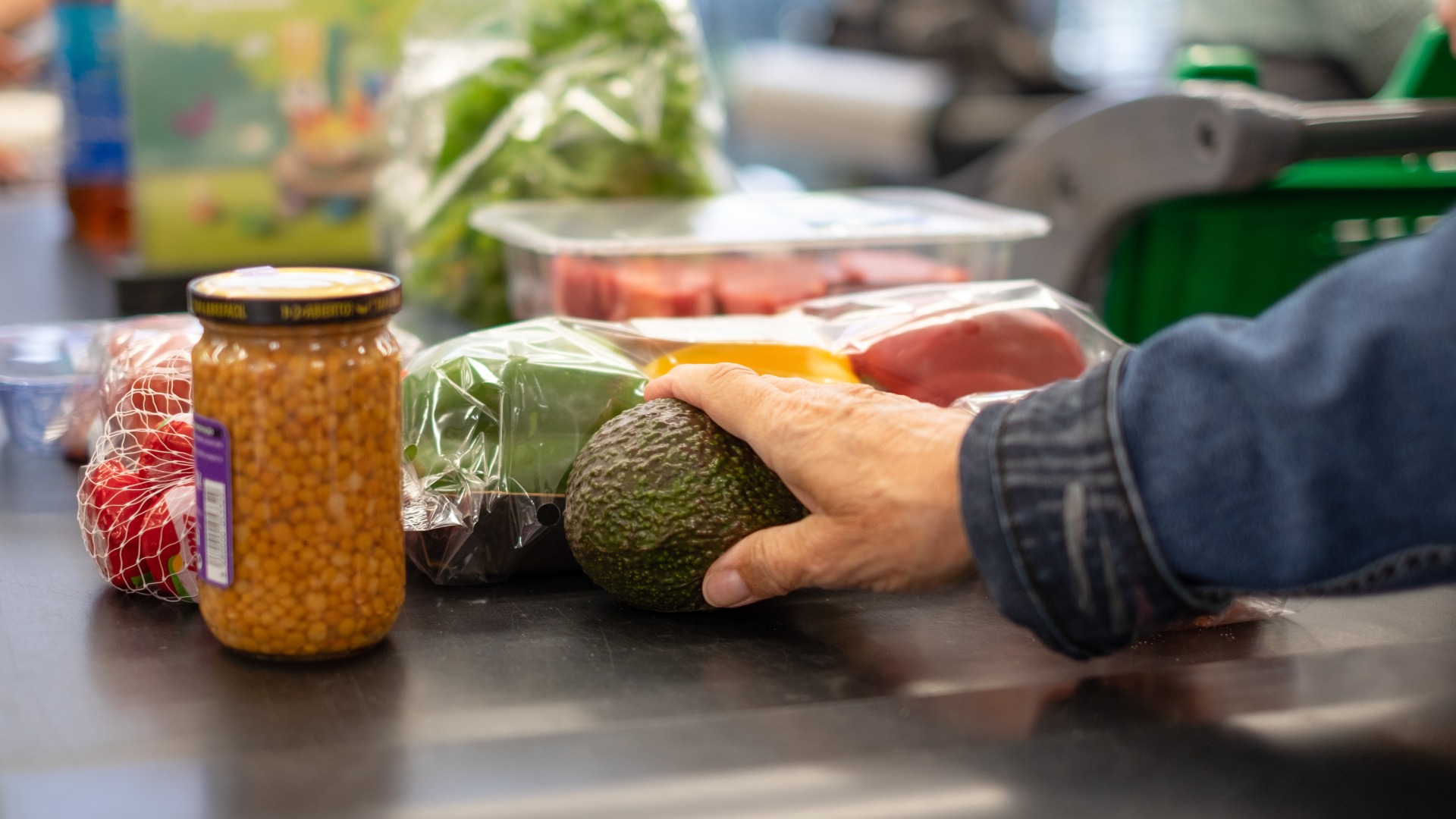
One of the main reasons is a historic drop in food prices. Food and non-alcoholic beverages were 5.5 percent cheaper from March to April and 5.7 percent cheaper compared to April last year.
“Food and non-alcoholic beverages haven’t dropped this much in 30 years, neither month-to-month nor year-on-year,” says Frida Stark, price statistician at SCB.
The largest price decrease on a monthly basis was seen for cucumbers, which became 19.1 percent cheaper. Coffee and butter also fell by about 9 percent, while cheese prices dropped by 6.5 percent.
Tidö’s Tax Cut
The price drop coincides with SD and the government lowering the VAT on food from 12 to 6 percent starting April 1. The reduction is temporary and, according to the Swedish Tax Agency, will apply until December 31, 2027.
Looking over the course of a year, certain foods have become significantly cheaper. Small citrus and cabbage are among those with the largest price drops, with decreases of around 19 percent. According to SCB, coffee prices have dropped by 11 percent in a year.
At the same time, not the entire shopping basket has become cheaper. Cauliflower and broccoli rose by 26 percent, while ground meat mix did become cheaper from March to April but is still 16 percent higher than a year ago.
Interest Rate Remains at 1.75 Percent
The low inflation reduces pressure on the Riksbank to raise interest rates. Last week, the Riksbank decided to leave the policy rate unchanged at 1.75 percent and noted that inflation is below the target while the economy is weak.
In the energy sector, electricity prices fell by 5.6 percent between March and April, but are still 4.6 percent higher than a year ago. However, fuel prices went in the opposite direction and rose by 7.9 percent during the month. On an annual basis, this corresponds to an increase of 29.3 percent.
In a comment to Di, Länsförsäkringar’s chief economist Alexandra Stråberg points out that the price development is not just about the VAT cut, but also due to weaker demand in the economy.
“Prices for furniture, restaurants, and recreation services have shown small or negative price changes over the past months,” she says.
Overall, April’s figures show a broader cooling in price increases — but with continued large differences between various parts of household expenses.