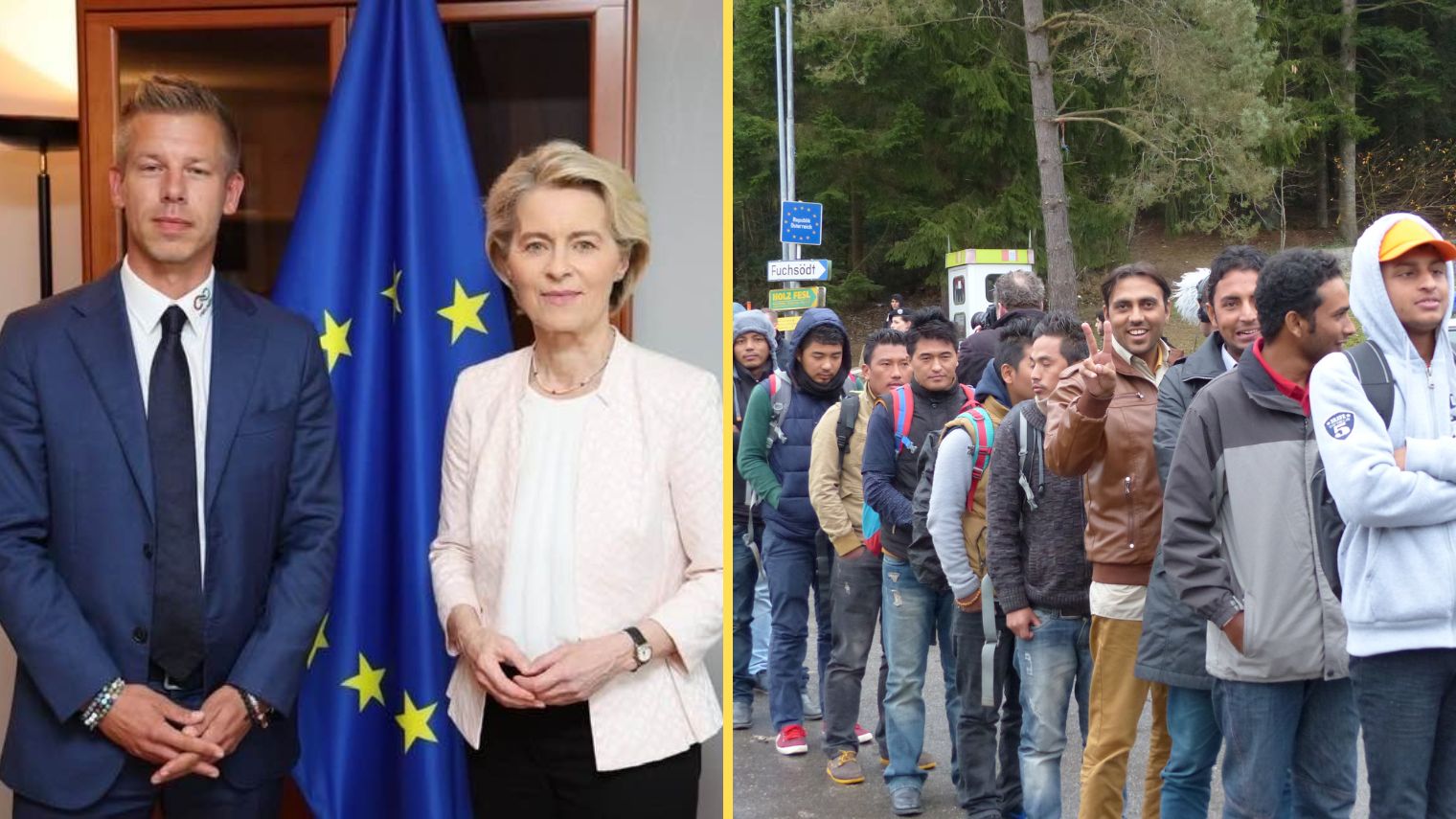
Incoming Hungarian Foreign Minister Anita Orbán presented a clear shift in the country’s foreign policy on Monday. During a hearing in the parliamentary EU committee, she reportedly stressed, according to Hungarian media, that the new government under Péter Magyar seeks to restore relations with both the European Union and NATO, as well as secure access to the billions in EU funding that have been withheld since former Prime Minister Viktor Orbán refused to accept migrants. The new government is now said to be prepared to change that stance, despite public statements suggesting their migration policy would be tougher than Orbán’s.
The new government signals a clear change compared to the previous approach under Viktor Orbán, whose administration frequently clashed with EU institutions.
According to Hungary’s new Foreign Minister Anita Orbán — who is not related to Viktor Orbán — the most important task now is to restore trust within the EU and fulfill the requirements set by Brussels, led by Commission President Ursula von der Leyen, for the release of the funds.
READ ALSO: EU: Hungary Must Abandon Orbán Policy – 27 Changes Required for Frozen Billions
Anita Orbán emphasized that the EU’s demands are not about limiting Hungary’s independence, but about fundamental principles of the rule of law. She especially highlighted the need for an independent judiciary, transparent public procurement, clear oversight of EU funds, and strong efforts against corruption. According to her, these are reforms that also received support from voters in the latest election.
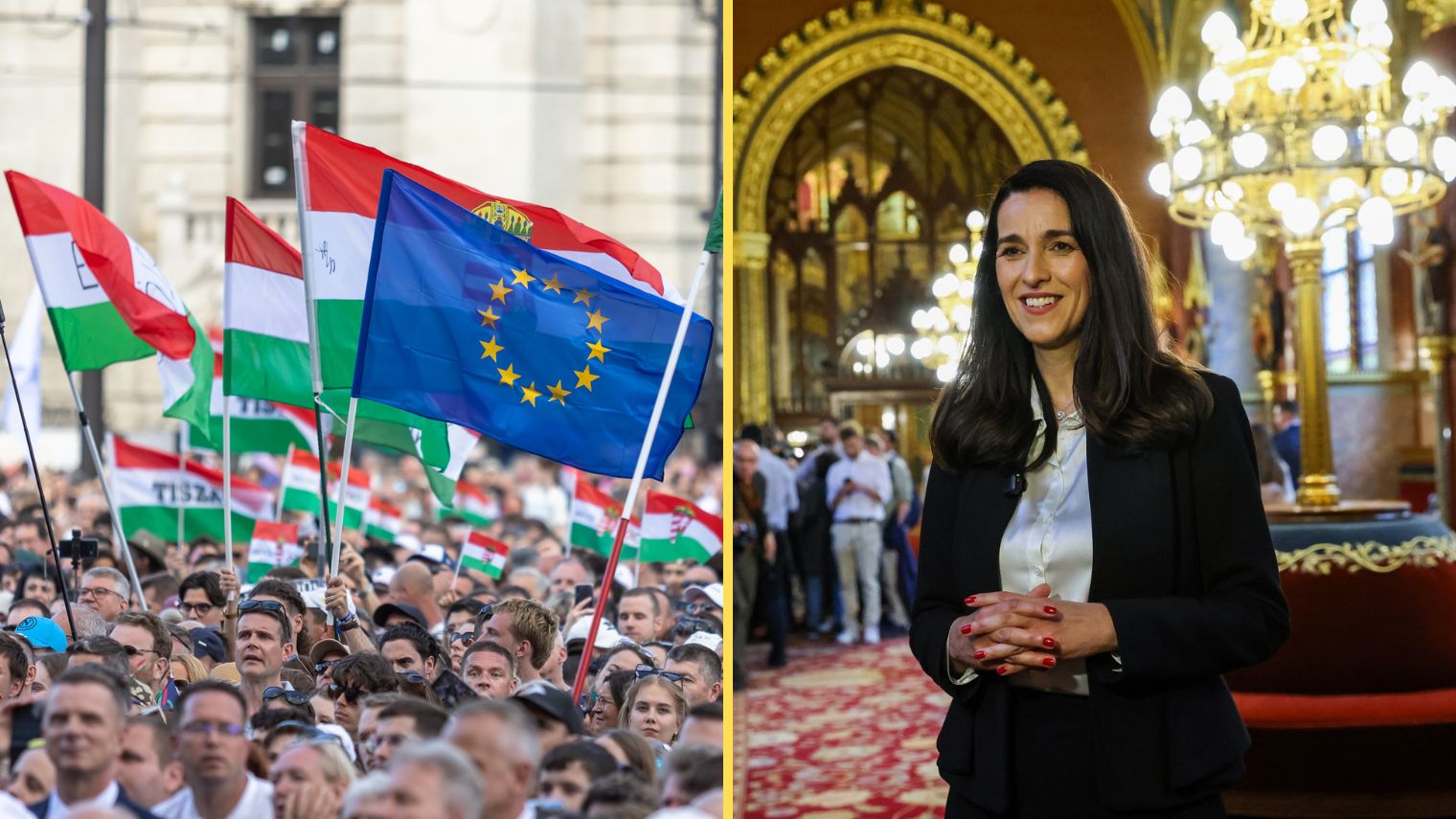
During the hearing, Orbán indicated that Hungary should no longer act as an obstacle within the EU. The former government’s repeated use of the veto right will, according to her, be replaced by a more cooperative strategy.
READ ALSO: After EU Demands: Hungary Gets LGBTQI Activist as Minister
However, she left open the possibility for the government to still use its veto on certain matters if national interests are at stake. The new approach is described as an attempt to strengthen Hungary’s influence in the union through dialogue rather than confrontation.
End Billion-Euro Fines – Must Open Up to Immigration
Migration policy was also a central issue during the hearing. Hungary’s Foreign Minister Anita Orbán stated that the daily EU fine of one million euros imposed on Hungary due to the country’s strict migration policy under Viktor Orbán must come to an end. This was reported by the English-language newspaper Daily News Hungary regarding the hearing.
During the election campaign and after Péter Magyar’s victory, many conservative voices welcomed the result, arguing that the Tisza leader would implement a significantly stricter migration policy than Viktor Orbán. This was based, among other things, on his signals about limiting visas for guest workers.
At the same time, the new government’s statements now suggest that they intend to follow Brussels’ requirements, which in practice opens up for the type of immigration that other member countries have accepted.
READ ALSO: Hungary Fined Billions – Must Open Borders for Migrants
In order to resolve the conflict with Brussels, the new Hungarian government will need to drop Viktor Orbán’s policy and allow asylum applications at the country’s borders. Anita Orbán is said to have justified the policy shift away from Viktor Orbán’s strict approach by stating that Hungary does not need to take in large numbers of migrants.
READ ALSO: Elon Musk on Soros Celebrating Orbán’s Fall: “Soros Has Taken Over Hungary”
According to her, it is instead about EU member states helping each other with economic or logistical support — or, if necessary, by accepting a limited number of people. This is rhetoric that has long been commonplace in Brussels and among the member countries, but which critics argue in practice often leads to increased migration flows.
When asked about the war in Ukraine, Orbán made it clear that the new government does not intend to send Hungarian soldiers to Ukrainian territory under any circumstances, including within the framework of potential EU missions.
READ ALSO: After the Power Shift in Hungary: Suddenly the Druzhba Pipeline Can Be Quickly Repaired
After the hearing, the parliamentary committee voted on Orbán’s suitability as foreign minister. Six members supported her candidacy, while two abstained from voting.
Magyar has previously announced that his first official foreign visits as prime minister will be to Warsaw, Vienna, and then Brussels — a clear sign of the government’s ambition to deepen relations with Europe after years of conflict with the EU leadership.
READ ALSO: Orbán on von der Leyen: “She does not serve the member states – she serves an agenda”