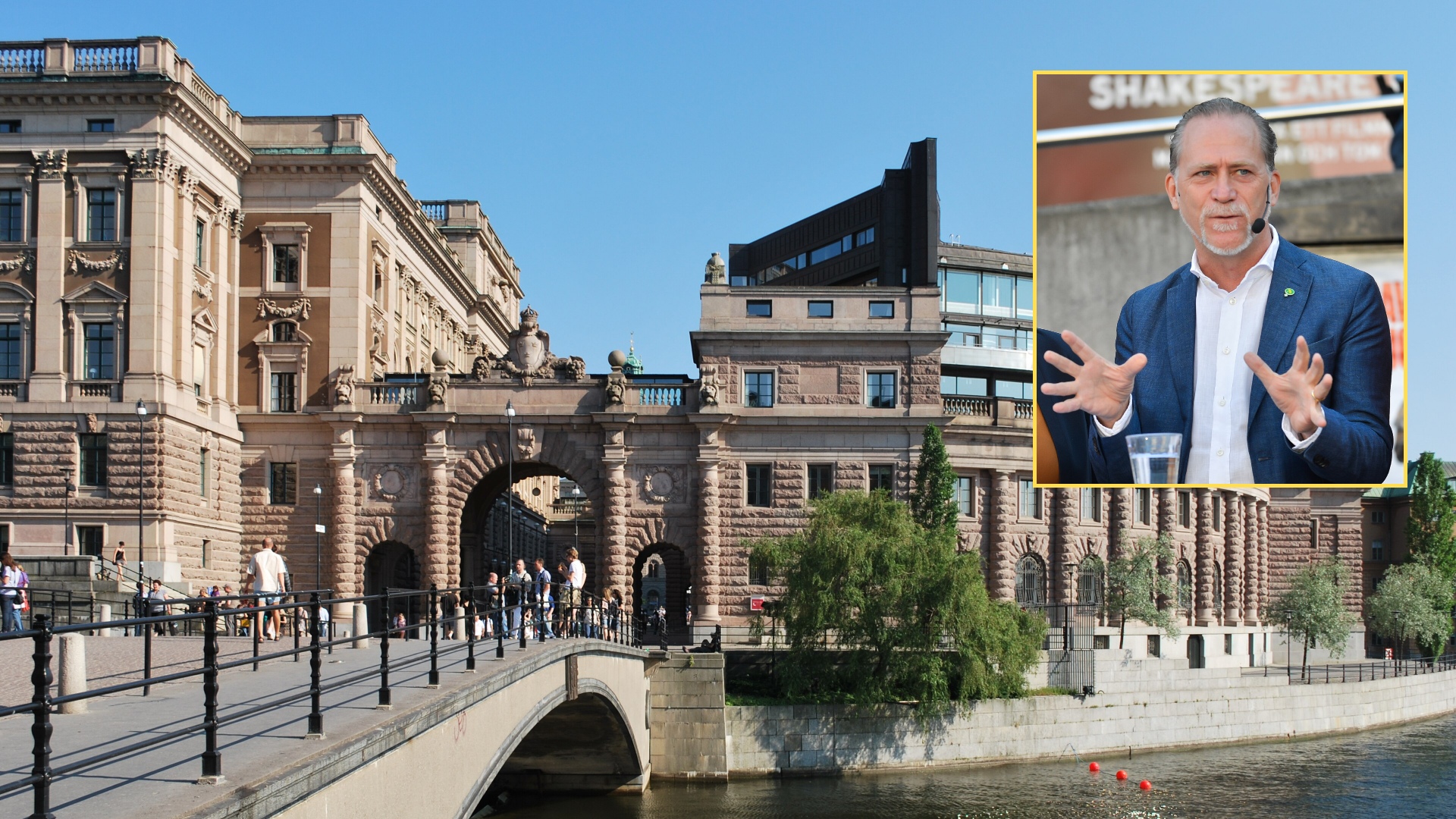
The Green Party has submitted a motion calling for a permanent halt to teenage deportations, the reintroduction of particularly compassionate grounds, the opportunity for already deported individuals to return, and free higher education. This is set against the Tidö government’s temporary relief, which comes into effect on October 1, 2026.
On September 28, Daniel Helldén (Green Party) and others submitted the motion A real stop to teenage deportations. The party wants the parliament to urge the government to draw up a permanent halt to deportations of teenagers and young adults as soon as possible.
In its justification, the Green Party claims that the Tidö parties asserted during the election campaign that teenage deportations had already been stopped, while at the same time young adults who had spent most of their youth in Sweden continued to be deported. The motion points out that there is now a new majority in parliament and that the party therefore wants to push the issue before a new government is in place.
According to Aftonbladet, migration policy spokesperson Annika Hirvonen (Green Party) explained the timing by noting that government formation may take a long time:
– We don’t know how long it will take to form a government, but the young people can’t wait any longer.
Four Demands in the Motion
The motion contains four demands. First, the Green Party wants a permanent stop to deportations of teenagers and young adults. Second, the provision for particularly compassionate grounds for adults with strong ties to Sweden should be reintroduced—the one parliament abolished in 2023 under the Tidö parties.
Third, the party wants to amend the Aliens Act so that young people who have already been deported can return. Fourth, young people who have grown up in Sweden should have the same right to free higher education as Swedes and EU citizens.
Hirvonen describes the current practice as a ‘catch-22’: strong ties to Sweden have in several cases been used against those seeking to return, for example to study, since it was seen that the main purpose was reunification with family and friends here—not the studies themselves.
The Centre Party is said to support the motion. Hirvonen also expects support from the Left Party, while the Social Democrats’ stance on this particular initiative was still unclear when the motion was filed.
Tidö Relief on October 1
At the same time as the Green Party is pushing its broader package, the Tidö government’s temporary ‘relief’ for young adults comes into effect on October 1, 2026. It allows certain 18–21-year-olds to remain if they have employment that meets strict administrative requirements and the salary requirement of 34,470 SEK per month—or if they pay for a place to study themselves.
The Green Party points out that annual study fees can often exceed 100,000 SEK, and that students are further restricted to a maximum of 15 hours of work per week. Many, the party argues, will therefore not be able to make use of the relief. Therefore, the party wants this group to have free higher education on the same terms as Swedes and EU citizens.
The relief is thus a narrow, conditional easing—not the permanent and general stop that the Green Party’s motion seeks. The motion also demands a path back for those who have already left the country, which the relief does not address in the same way.
Forssell Critical
Migration Minister Johan Forssell (Moderate Party), in the caretaker government, is critical. He told Aftonbladet that the Green Party’s proposal is not specifically directed at young adults, but rather constitutes a general loosening of the legislation. He sees the proposal in light of government formation:
– Since the Social Democrats voted to remove particularly compassionate reasons, this should probably rather be seen as a contribution in their negotiations.
Forssell also points out that the Tidö government’s relief comes into effect on October 1—long before the Green Party’s motion could be addressed in parliament.
– The government’s solution will therefore be in place long before the Green Party’s motion can be handled by parliament.
When a possible vote may take place will be decided by the social insurance committee after taking office. A motion is a parliamentary proposal; it only becomes law if parliament decides and the government implements it. In the meantime, current regulations apply—with the relief from October 1 as the only new, limited opening in the near future.