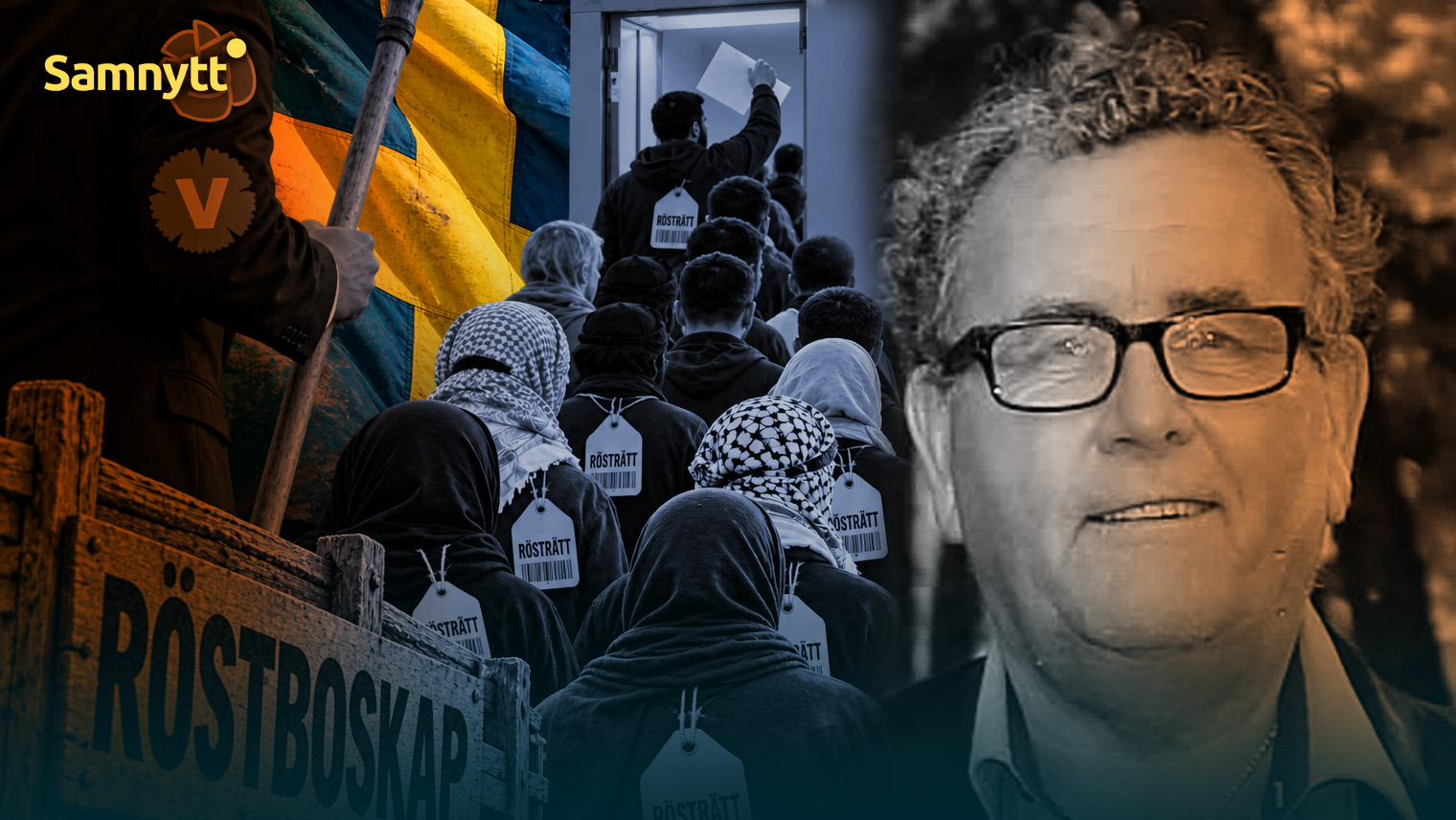
Hundreds of thousands of new Swedish citizens and an electorate that is changing. Former Sweden Democrat MP Thoralf Alfsson argues that migration has long also been a question of political power—and that the Tidö government should have halted new citizenships while awaiting stricter rules. He now warns that this development may become increasingly difficult to reverse.
Thoralf Alfsson served in the Swedish Parliament for the Sweden Democrats between 2010 and 2014 and has followed Swedish migration and citizenship policy for a long time.
On his blog, he has repeatedly, since the election, returned to the development of granted Swedish citizenships and what he believes this means for the composition of the electorate.
For Alfsson, the issue is far from new. He tells Samnytt that the long-term consequences of migration were one of the reasons he became involved with the Sweden Democrats around 2004–2005.
– You understood where this was heading, so to speak, in more ways than one. Both culturally and regarding crime and everything else. Then it would also affect how people vote.
READ ALSO: SD suspends and opens expulsion case against Thoralf Alfsson after Facebook comment
Warned Already as an MP
When Alfsson entered Parliament in 2010, he also raised the issue of dual citizenship in high political offices. He explains that he wrote motions stating that members of Parliament as well as ministers should only have Swedish citizenship. For Alfsson, it was ultimately a matter of loyalty.
– To serve in Sweden’s Parliament, you should have only one citizenship, that is, Swedish. If you are very interested in having another, you simply have to renounce your other citizenship if you want to run for Parliament.
He believes the same principle should apply to cabinet ministers. According to Alfsson, the political debate since then has shown that questions of loyalty to different countries and groups cannot be dismissed as insignificant.
But for a long time, Alfsson says, it was difficult even to discuss the scope and consequences of migration.
Points Finger at Reinfeldt
When Samnytt asks why so many politicians failed to see the development Alfsson claims to have warned about for decades, he primarily points to one person: former Moderate Prime Minister Fredrik Reinfeldt.
Why do you think it’s been so hard for many to discuss these issues? Was it fear of being labeled?
– Yes, that’s a big part of it. And I place much of the blame on Fredrik Reinfeldt. He set the guidelines for what was acceptable and not acceptable. And the Left, of course, adopted them afterward.
Alfsson describes how politicians and opinion-shapers who deviated from the then-migration policy consensus could face harsh criticism.
He mentions, among other things, how the Moderate politician Tobias Billström—in the interview, Alfsson names him as an example in the debate about “volumes”—and other bourgeois politicians could have problems when they began discussing the sheer scale of migration.
Alfsson also believes the media played a significant role. He is especially critical of Dagens Nyheter’s editorial stance under editor-in-chief Peter Wolodarski and how Reinfeldt’s migration policy was handled.
The longer time goes by, Alfsson says, the more he believes Reinfeldt bears responsibility for the development.
“Two Completely Different Political Realities”
After the election, differences between various electoral districts have again become part of the debate about migration, demographics, and political sympathies.
Alfsson believes these differences will only become clearer.
Is Sweden heading toward two completely different political realities—one in areas with large immigrant populations and one in the rest of Sweden?
– Yes, I actually think so.
He uses his own home municipality Kalmar as an example, where he himself sat on the municipal council for 16 years. For several years, Alfsson has conducted his own surveys of the population composition in certain residential areas.
By going through residents address by address and categorizing names as Swedish or foreign, he says he has been able to follow a gradual change.
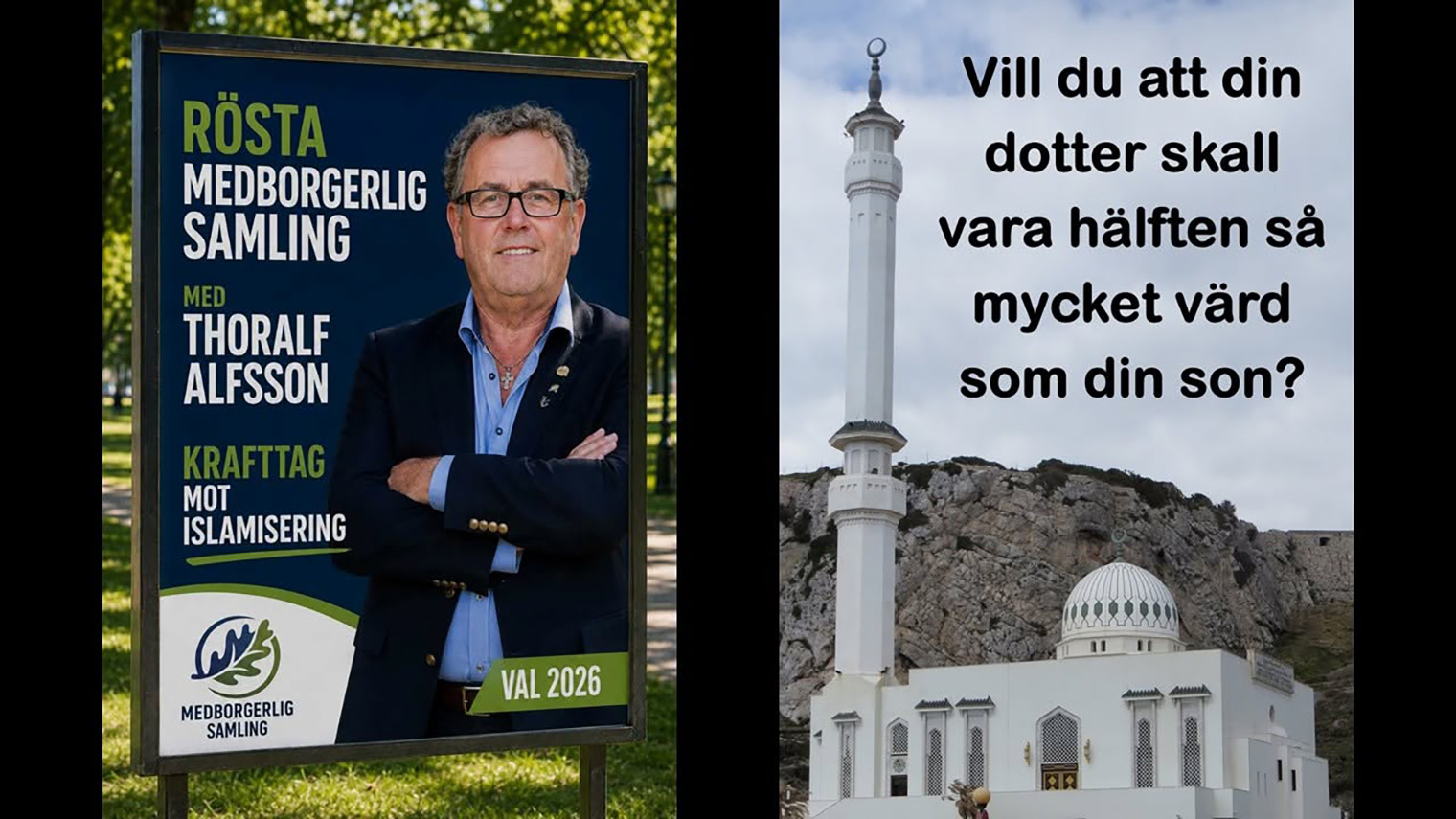
In one area, he describes how his own figures initially showed about 58 percent foreign names. Two years later, according to his compilation, the proportion was 62 percent, then 65, and then 68 percent. In some places, he now claims to have noted levels of 74–76 percent.
These are Alfsson’s own compilations based on names, not official statistics about residents’ backgrounds. But for him, the development is clear.
– Something is happening. Slowly, slowly, but continuously.
Talks About “White Flight”
At the same time, Alfsson believes the change is not only due to immigration but also to Swedes leaving areas where the population composition changes.
– There is a “white flight” going on, as people say.
He describes how people with Swedish names who remain in some of the areas he has studied are often very old. According to Alfsson, these may be people who lack the finances, relatives, or practical means to move.
He also points out that several of these areas consist of older rental housing from the 1960s and 70s with relatively low rents. For Alfsson, this is a demographic change that sooner or later will also be reflected in politics.
Defends the Term “Voting Livestock”
It was against this background that Alfsson, after the election, published a blog post entitled “Voting livestock from MENA countries.” The term has drawn criticism and been described as dehumanizing. Alfsson defends its use.
What do you want to convey with the term “voting livestock”?
– Either ballot livestock or voting livestock, both exist and have existed. It’s nothing new.
His argument is that people who have come to Sweden, received residency, and eventually citizenship, tend to vote in large numbers for left-wing parties.
One explanation, according to Alfsson, is that a high proportion of certain immigrant groups depend on public transfers.
– Because a large percentage are benefit recipients, they often vote for the parties that promote such policies. And that lands us on the left. That means the Left Party and the Social Democrats.
READ ALSO: Expo researcher on Ekeroth’s claim that immigrant votes decided the election: “Conspiracy”
Alfsson argues this can, in turn, create political incentives for parties that benefit from this development.
– A reason for this may be to preserve their power balance and not be negative towards immigration, since they know they might get 60–65 percent of the votes when these new citizens start voting.
The figure is Alfsson’s own estimate. The secrecy of the ballot means that it is not possible to determine from district results how individual voters of a certain background voted.
The Left and Muslim Voters
But Alfsson sees not only economic reasons. He also points to the relationship between the Left and Muslim groups. At the same time, there’s a contradiction that he thinks is too little discussed. Left-wing parties champion issues like feminism, gender equality, and LGBTQ rights, while parts of the Muslim electorate may have much more socially conservative values.
Alfsson says he has seen this alliance at the local level during his many years in local politics.
– They are constantly defending these minorities, so to speak, strengthening their rights.
He also points to pro-Palestinian demonstrations in Kalmar, where he argues that representatives from the political Left were especially prominent.
Who is exploiting whom? Is it the Left who think they are using Muslims to get votes, or is it Islamists and Muslims who are using the Left?
– I think it’s both. The Left sees it can get votes this way. And Islamists and Muslims see that they have opportunities to influence through the Left Party and even get people into confidence bodies, both in municipalities, regions, and Parliament.
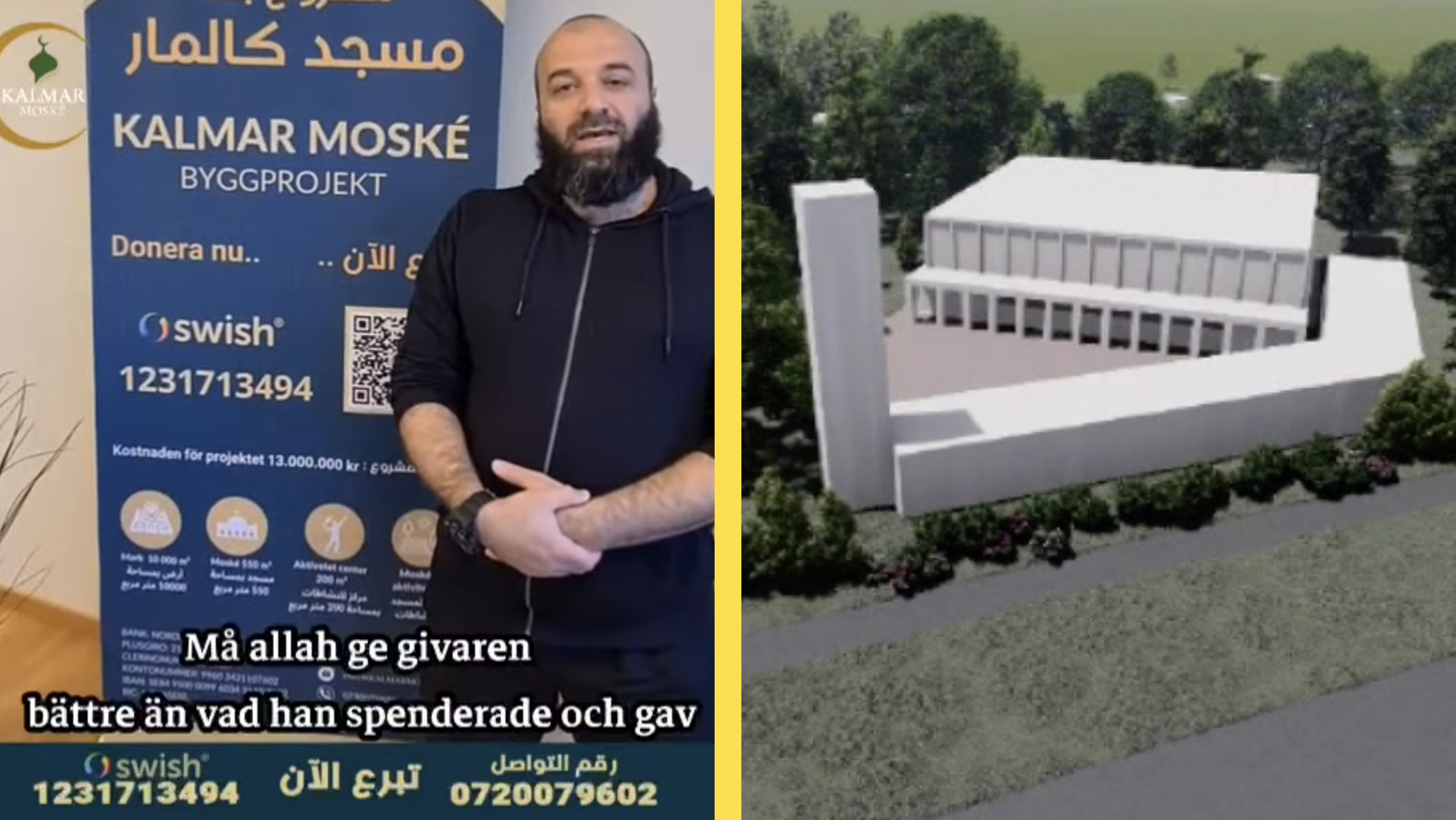
Alfsson emphasizes that he cannot know how individual left-wing politicians reason. But his conclusion is that both groups see political advantages to the relationship.
READ ALSO: After the election, the application was submitted—now S is accused of a secret mosque deal
Citizenship Became a Power Issue
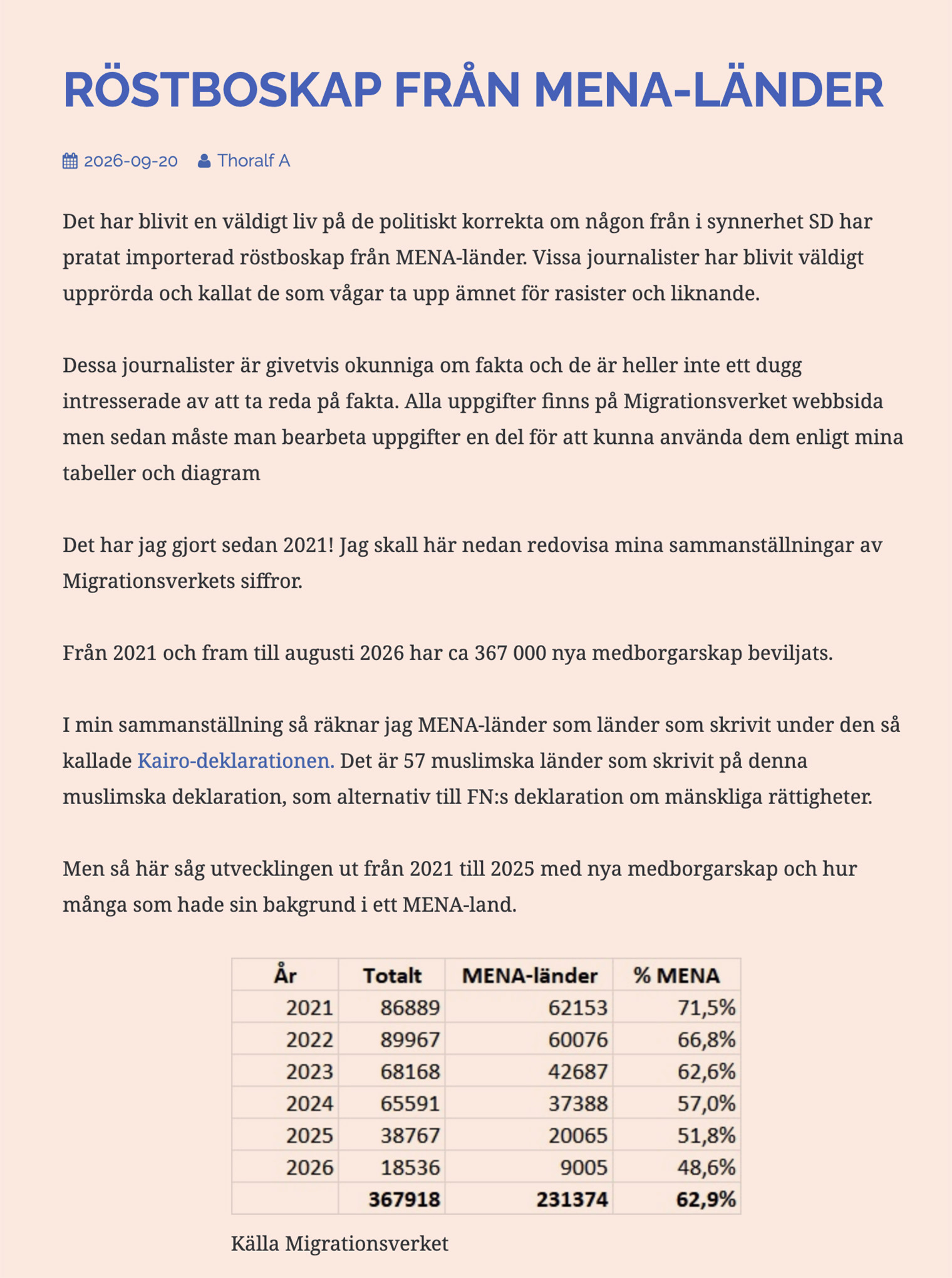
This is where Alfsson connects migration policy with citizenship. A person can live in Sweden for a long time without having the right to vote in parliamentary elections. With Swedish citizenship, however, comes the right to vote for Parliament. Therefore, Alfsson argues that the number of granted citizenships is at least as important to follow as immigration itself.
For several years, he has monitored the Swedish Migration Agency’s statistics month by month. He believes the consequence of previous years’ large-scale immigration arrives with a delay—people first get residency, live in the country for some years, then have the opportunity to become Swedish citizens and vote in parliamentary elections.
For Alfsson, this is an important but underestimated part of the explanation for how Sweden’s political map is changing.
Wanted a Moratorium
The Tidö government tightened citizenship rules during the mandate period. Among other things, the main rule changed from five to eight years of residency. Alfsson welcomes stricter policies, but thinks the government acted far too slowly.
What should the government have done during the mandate period that it didn’t?
– They should simply have had a moratorium. A halt until new laws had passed.
READ ALSO: Ekeroth: “Moratorium for citizenship should be top priority”
He would have liked to go even further.
– As I see it, they should basically have stopped all citizenships from MENA countries. Primarily the Muslim countries.
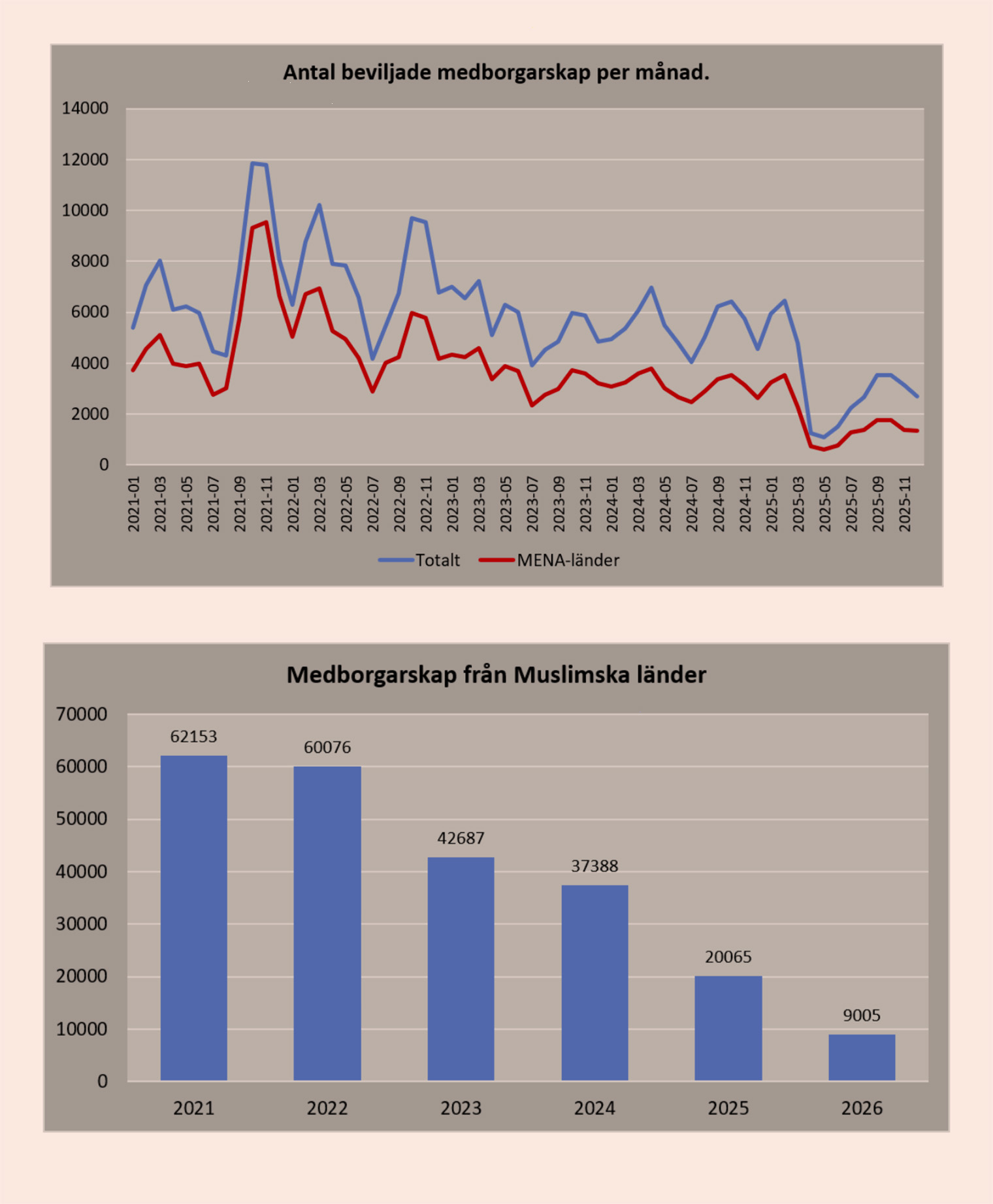
Alfsson here refers to the countries covered by the Cairo Declaration on Human Rights in Islam. Such a stop based on country of origin is his own political proposal and has not been government policy.
He says he is aware of the legal and political challenges, but believes that a general halt while new rules were being drafted would have been possible to push politically.
Believes Tidö Parties Didn’t Go Far Enough
SD later began advocating for a moratorium on new citizenships, but Alfsson notes that this never became reality. His view is that resistance was primarily among the other Tidö parties.
READ ALSO: Sweden faces a crucial election—and Tidö risks having wasted its chance
At the same time, he believes that the changing composition of the electorate may have influenced the election outcome.
– The figures actually suggest that this is what caused Tidö to lose the election, says Alfsson.
The stricter rules mean that fewer people in the short term meet the requirements for Swedish citizenship. But Alfsson notes that a future political majority can also change the legislation again.
Can’t a left-wing government reverse these decisions and return to five years?
– Absolutely, they can do that. They can go back to five years. Then we’ll see a greater influx again.
READ ALSO: Borlänge municipality asked S-politicians for help to find election hosts: “Arabic, Somali”
Alfsson says he intends to continue monitoring the Swedish Migration Agency’s statistics month by month, especially if Sweden gets a government pursuing more generous migration and citizenship policies.
“Will Be Harder to Reverse”
This brings the interview to the issue that Alfsson sees as truly long-term. If immigration changes the population composition, new groups then gain citizenship and voting rights, and these groups are more likely to vote for parties favoring more generous migration policies—can migration policy eventually change the very conditions for democratically changing it?
Can migration policy in the long term change the conditions so that it becomes increasingly difficult to toughen migration policy by democratic means?
– Yes. Especially making it tougher. Exactly. And turning it around.
This is the development Alfsson says he’s seen coming for over two decades—and which he believes much of the Swedish political establishment reacted to much too late.
He says his worry is primarily about what will happen after his own generation.
– I am very concerned about the future, actually. Maybe not so much for my own sake, but for my children, grandchildren, and so on. I am very worried.
READ ALSO: After the 2026 election: Sweden at the breaking point and The Point of No Return