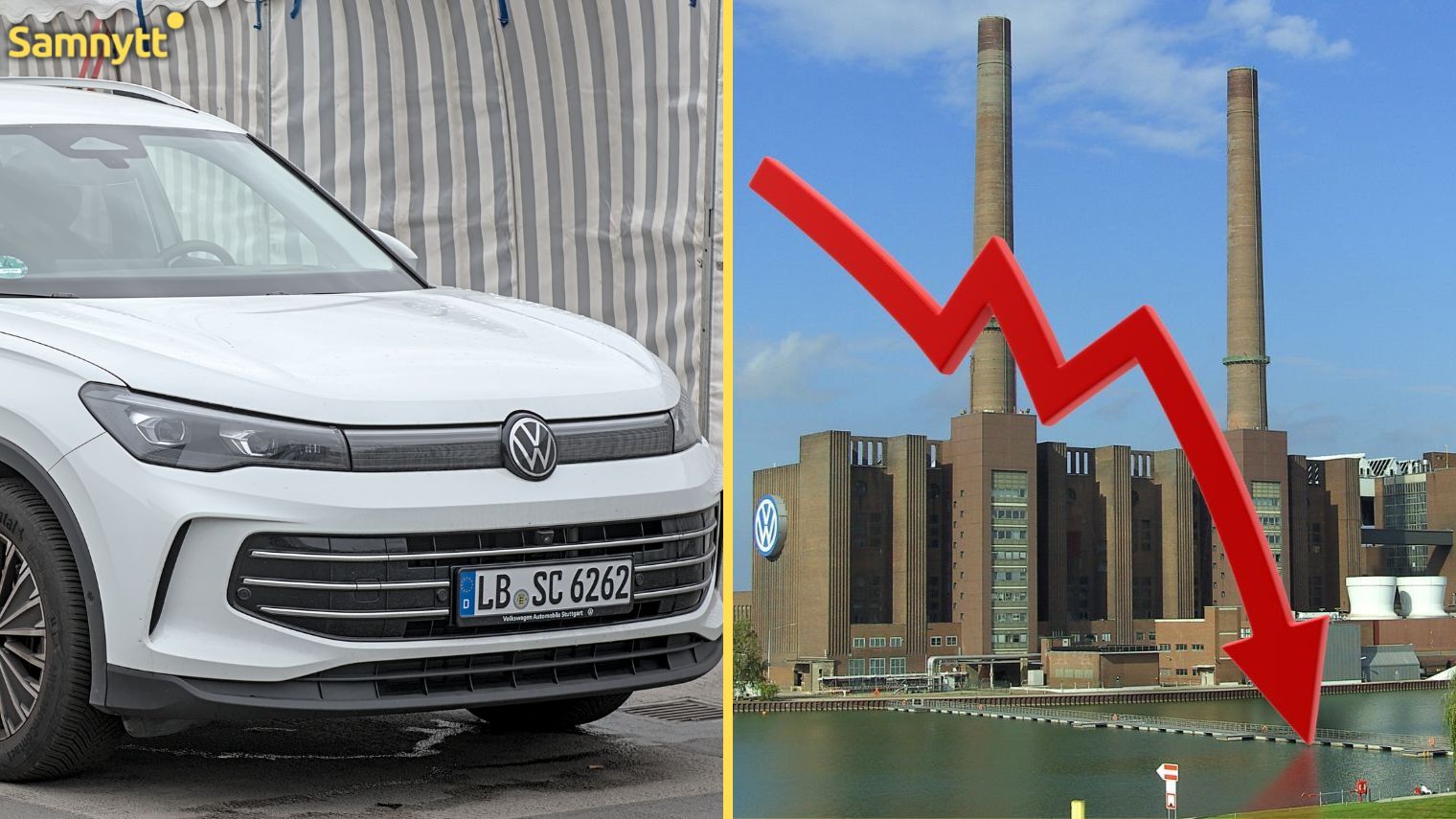
Volkswagen is considering extensive cost-saving measures that may result in up to 100,000 jobs being lost :censored:6:cdd6bbaa89:ly over the coming years.
It is the German business magazine Manager Magazin that reports on this information, citing sources with inside knowledge of the company. According to the reports, the group management is reviewing several measures to reduce costs.
Among other things, investments over the next five years could be reduced by around 15 percent to just over 130 billion euros. Additionally, four factories are said to be at risk of closure, while the Volkswagen brand may be organized as a separate company.
The planned cutbacks are part of a broader transformation within the German automotive industry. BMW, Mercedes-Benz, and several major suppliers are also working on savings programs as profitability comes under pressure.
READ ALSO: Germany’s Growth Forecast Halved
The car industry is one of Germany’s most important sectors, employing around 700,000 people. The industry is currently grappling with multiple problems, including high production costs, weaker sales in China, trade barriers resulting from U.S. tariffs, and rising costs for energy, transport, and raw materials.
Industry analyst Harald Hendrikse at Citigroup describes the development as a sign of how extensive the transformation has become. “These are measures that few would have thought possible just five years ago,” he wrote in a comment highlighted by the news agency TT.
Volkswagen already implemented a savings program in 2025 that resulted in about 50,000 fewer jobs after an agreement with the union. However, the new information suggests that the group may need to go much further.
No Cheap Energy
Taken together, the cutbacks reflect the structural challenges facing German industry. The cheap Russian gas that contributed to the country’s competitiveness for decades is gone and has been replaced by more expensive energy imports from countries such as Norway, the USA, and Qatar. At the same time, Germany has closed its nuclear power plants and invested in a rapid energy transition.
READ ALSO: Harsh Criticism as Germany Shuts Down Its Last Nuclear Power Plants
Industry representatives have long warned that rising energy costs, increased regulation, and fiercer :censored:6:cdd6bbaa89: competition risk undermining Europe’s industrial competitiveness.
This comes as car manufacturers are under pressure from large-scale investments in electrification and ever-tougher :censored:6:cdd6bbaa89: competition. There has also been growing criticism within the business community that parts of the EU’s climate and regulatory frameworks risk increasing costs for European companies at a time when competition from China and the USA is intensifying.
READ ALSO: AFD: Germany’s Economy Collapsing