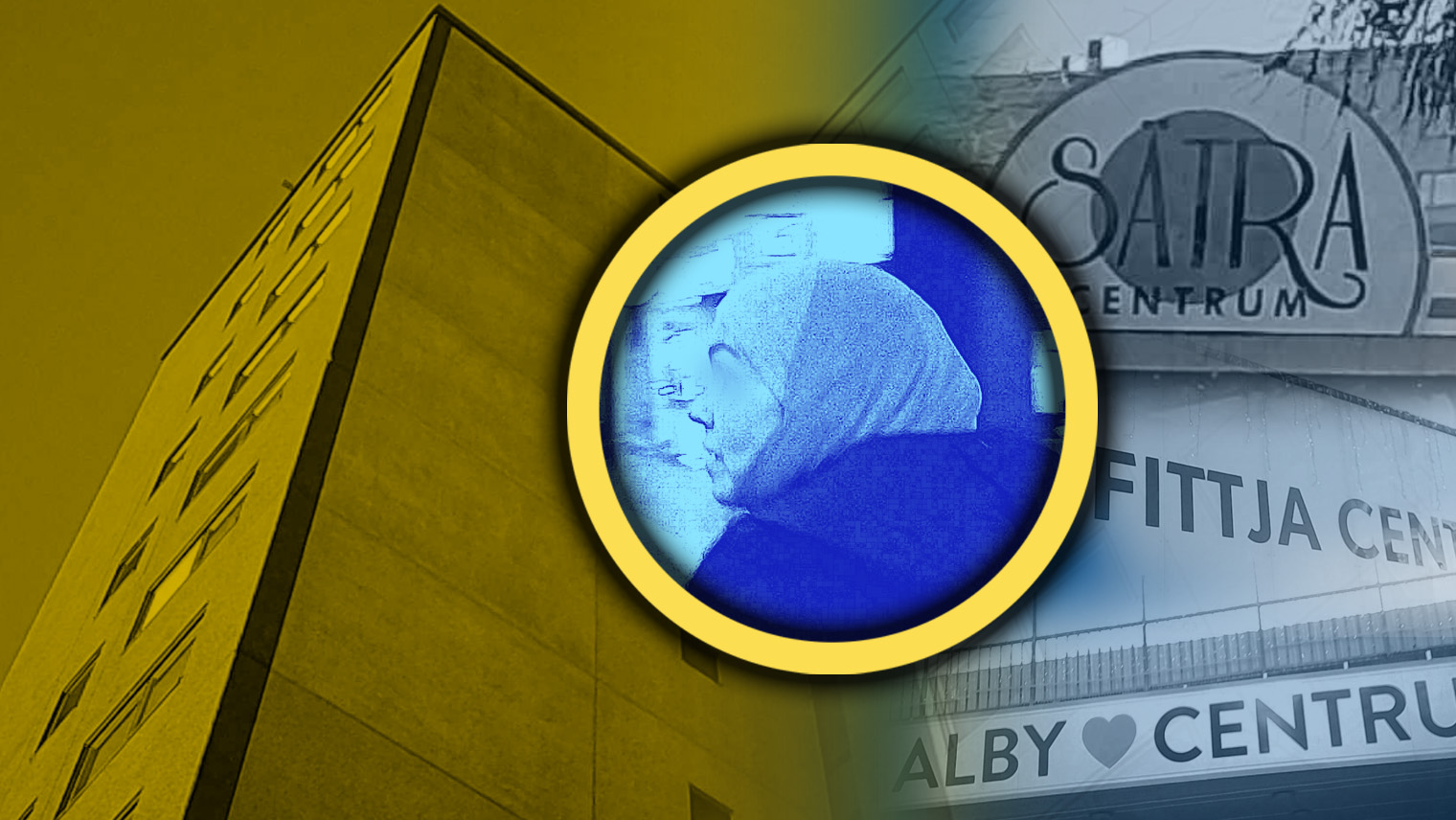
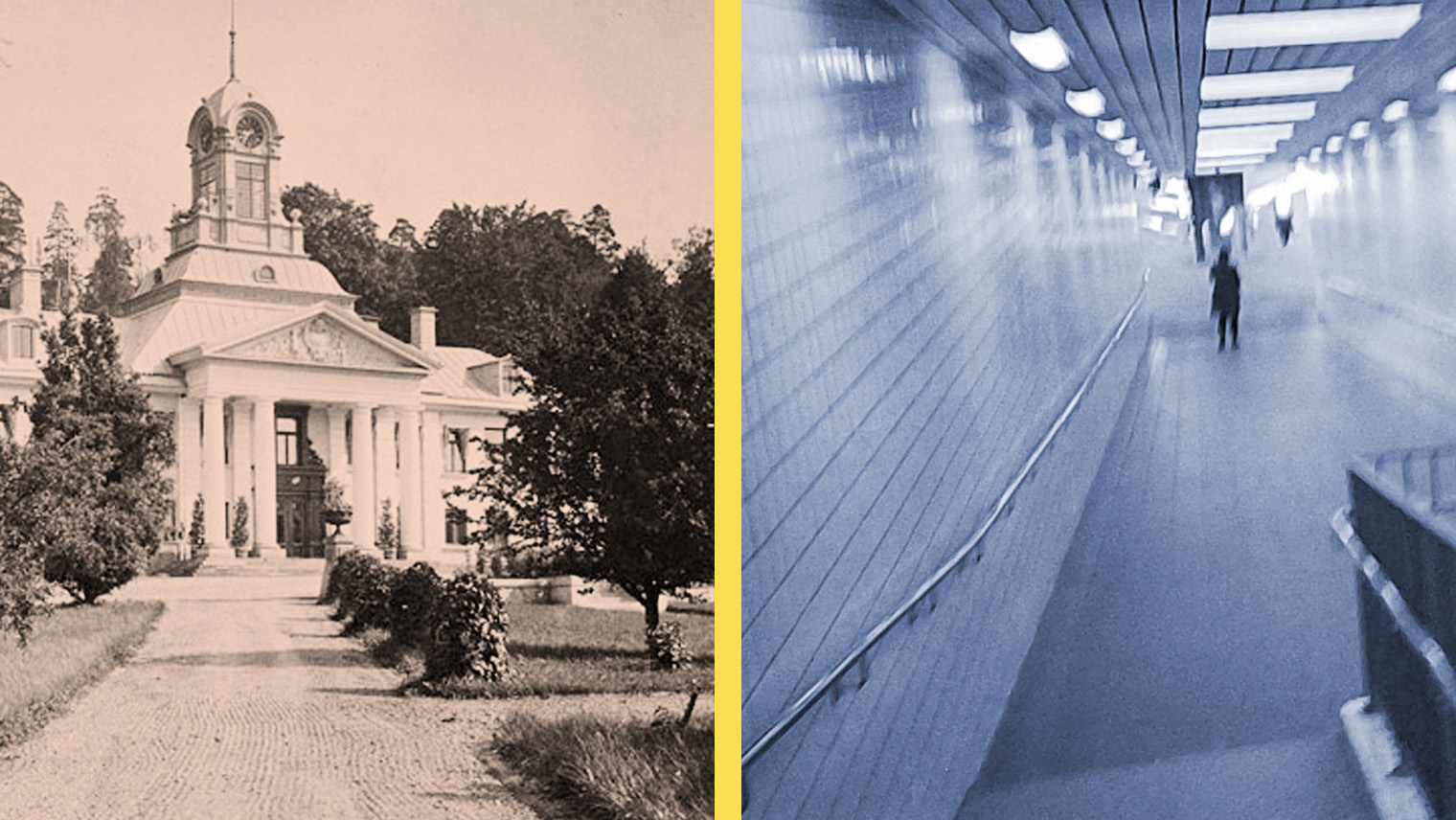
What are described today as “especially vulnerable areas” were once some of southern Stockholm’s most scenic and historically rich locations. Sätra, Fittja, and Alby lay by the water, on heights, and among farmland, shaped by farms, manors, and a long human continuity. In just a few decades, these settings were uprooted and replaced by large-scale concrete, social engineering, and a societal experiment that not only failed – but contributed to segregation, insecurity, and a political loss of control. Today, Arabic is predominantly spoken here and the Swedes who remain do not dare go out after dark. Samnytt has met some of the Swedes who are still living here.
Before the 1960s, Sätra, Fittja, and Alby were not anonymous places. Sätra had its estate with roots stretching back to the Middle Ages and a landscape that opened toward Lake Mälaren. Fittja had for centuries been a hub for travelers, administration, and agriculture, with Fittja farm serving as an inn, court site, and junction along the old road south.
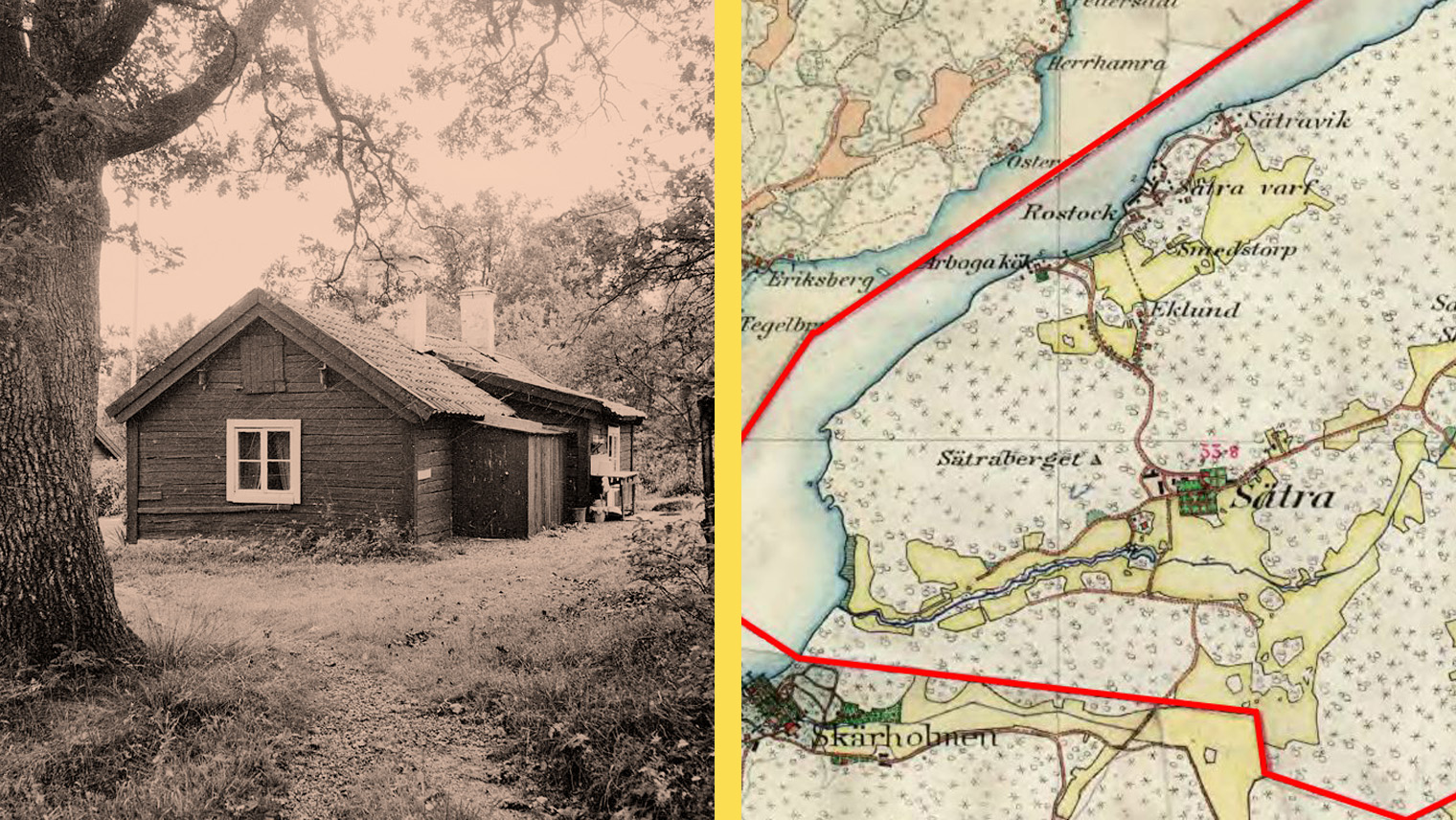
Alby carried a manor-house history stretching from the agrarian society to the breakthrough of industrialism. These were environments where the built landscape had grown slowly and where nature, housing, and movement were interconnected. Even when suburbs began to emerge after the war, conditions for small-scale living, variation, and human presence still existed. It was these qualities, alongside Swedish communal spirit, that would eventually be sacrificed.
The Million Program – an Ideological Breach
When the Social Democrats implemented the Million Program housing initiative in the 1960s and 70s, the ambition was to eliminate the housing shortage. But the project was more than a construction program. It was an ideological attempt to shape society from above, through large scale, standardization, and social planning.
People will always seek out those similar to themselves. It will not work now. Now that there are such large areas out here where people speak Arabic, they will gather here where they can speak with one another. It is too late now. These things should have been considered back in the 60s or 70s. It worked well with the Chileans in the 70s; they integrated well. But it wasn’t in such numbers as now. How are these ever going to integrate?
“Magnus” in Alby center, on the Social Democrats’ proposed forced-mixing policy
In Sätra, Fittja, and Alby this resulted in massive concrete housing complexes, built in a short time with little regard to the character of the location. The architecture did not build cities, but housing volumes. Streets were replaced by walkway systems. Natural meeting places were replaced by shopping centers that quickly lost their lifeblood. Safety created by presence was swapped for open spaces without responsibility.
READ ALSO: The Grand Mosque in Skärholmen: Hidden funding, Islamist ties – and worry among residents
What was marketed as the housing of the future became, in practice, inhuman environments, where anonymity and rootlessness were built into the very structure. The Million Program did not create communities – it created zones. And, in recent years, no-go zones.
Migration and Segregation
The destruction through architecture was followed by a demographic transformation. From the 1980s onwards, Sätra, Fittja, and Alby became reception areas for a historic mass migration, mainly from the Middle East and Africa to Sweden, often concentrated specifically into these already vulnerable areas. At the same time, large parts of the Swedish population moved away.
The result was a segregation that was not temporary but permanent. Areas where Swedes hardly live anymore, where linguistic and cultural barriers shape daily life, and where parallel norm systems have emerged. Insecurity increased, trust in authorities decreased, and police presence came to be seen as temporary and external.
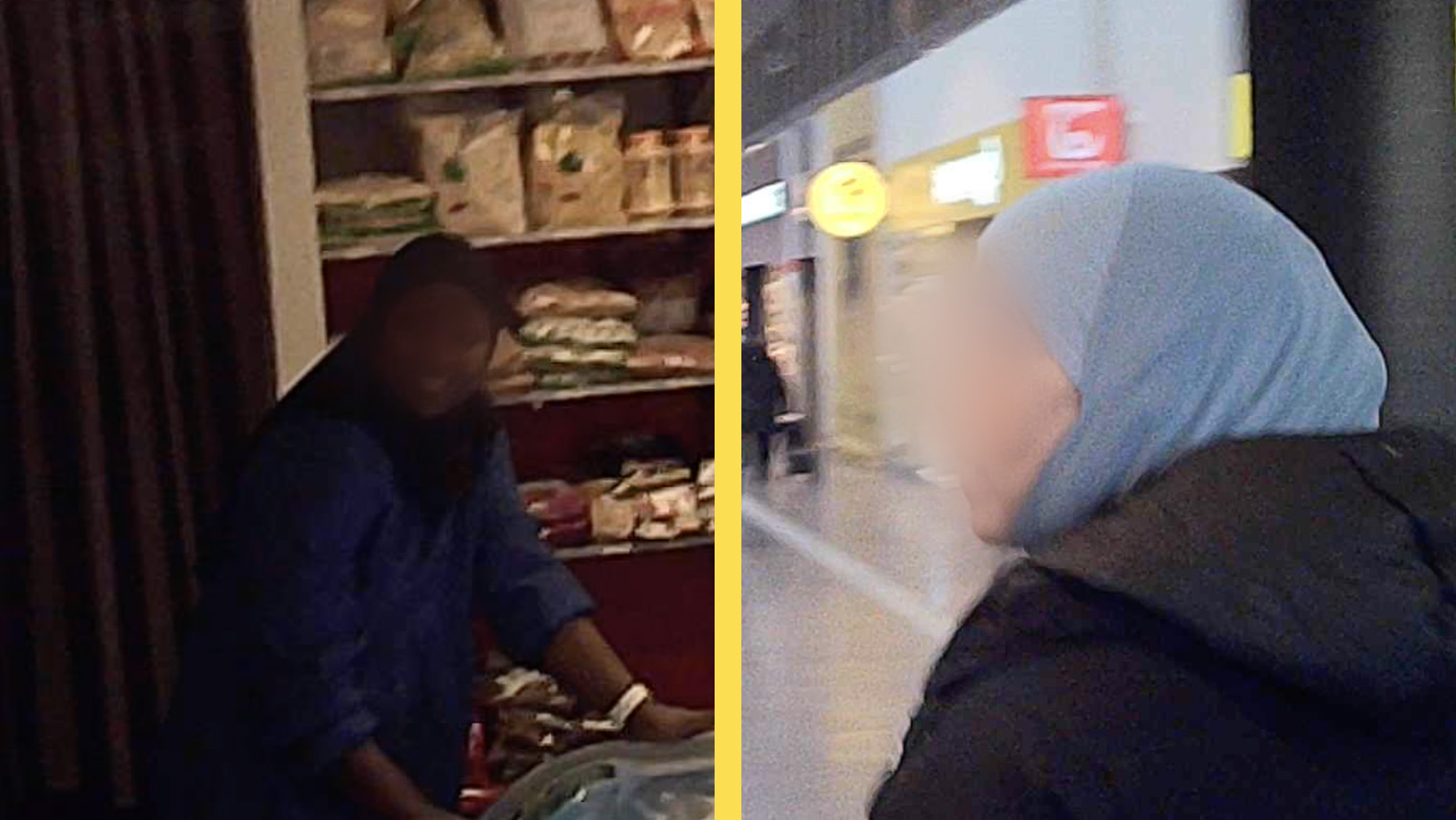
This was not a natural phenomenon. It was the result of political decisions, where requirements for integration were lacking and where the problems were consistently explained away or relativized. When warning signs came, those responsible spoke of “challenges” rather than breakdowns.
“Crazy that they get paid for a problem politicians themselves created”
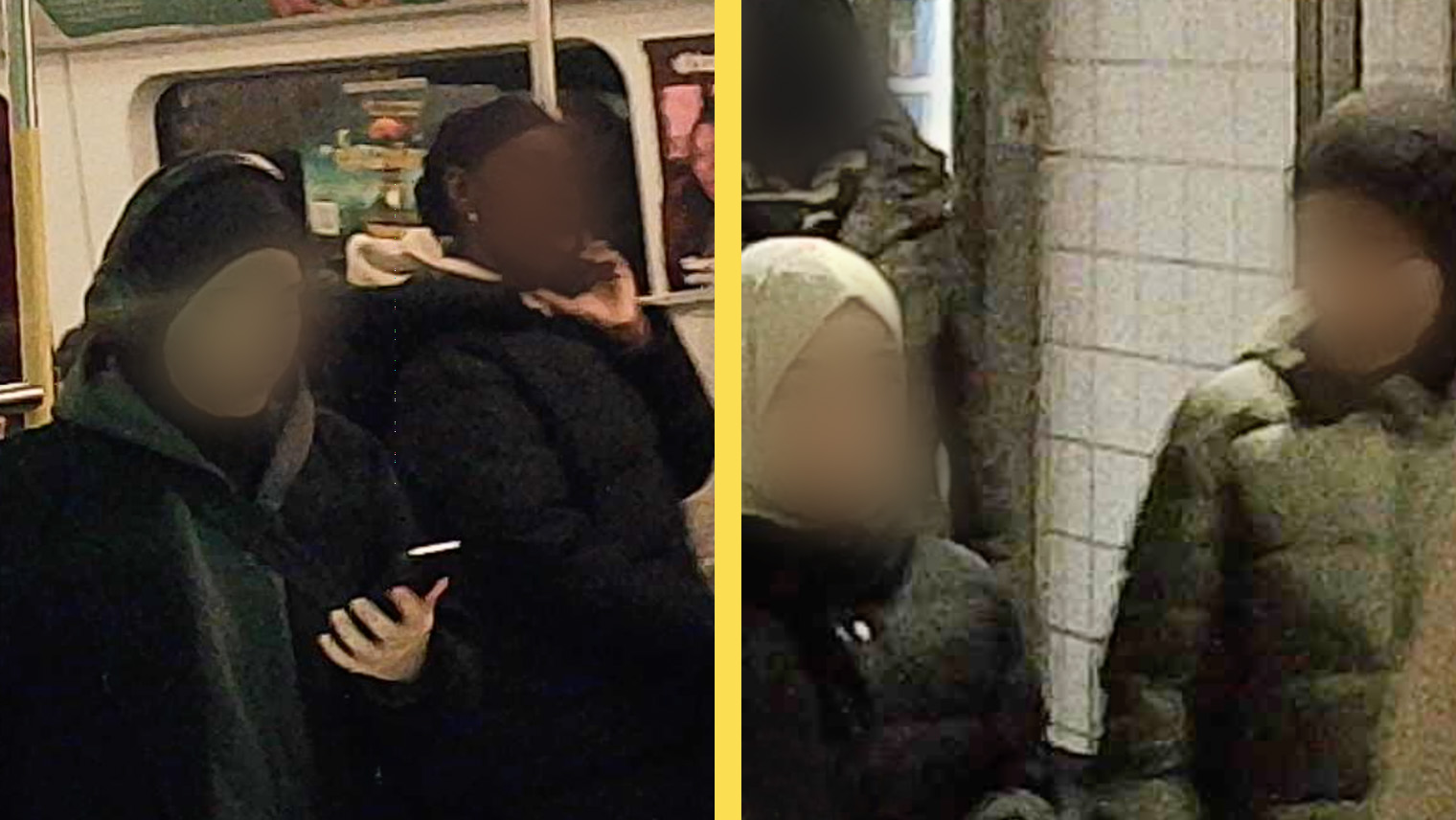
During their visit to Alby, Samnytt’s reporter meets two Swedish men in their mid-30s, and the conversation quickly turns to insecurity and social development. One man, whom we’ll call Lars, has lived in the area for the past six years; the other, Magnus, lives in a villa community in another part of Stockholm.
We ask Lars how he experiences life in the area.
– It was much worse before. When I moved in six years ago there were people asking if you wanted to buy drugs every time you passed the center. He continues:
– But now they have installed a lot of cameras as well, up where I live.
READ ALSO: The Lost Neighborhoods: “You hardly see any Swedes around here”
He also mentions that the so-called “citizen offices” now have extensive campaigns against gang crime.
You still moved here when it was pretty bad?
– Yes, I thought it was new construction and I needed an apartment pretty quickly. He continues:
– But there aren’t many of Swedish descent living here.
Do you worry about being robbed if you walk around here?
– Yes, probably. But I haven’t been yet. So far. I also tend not to be down here in the center late in the evenings.
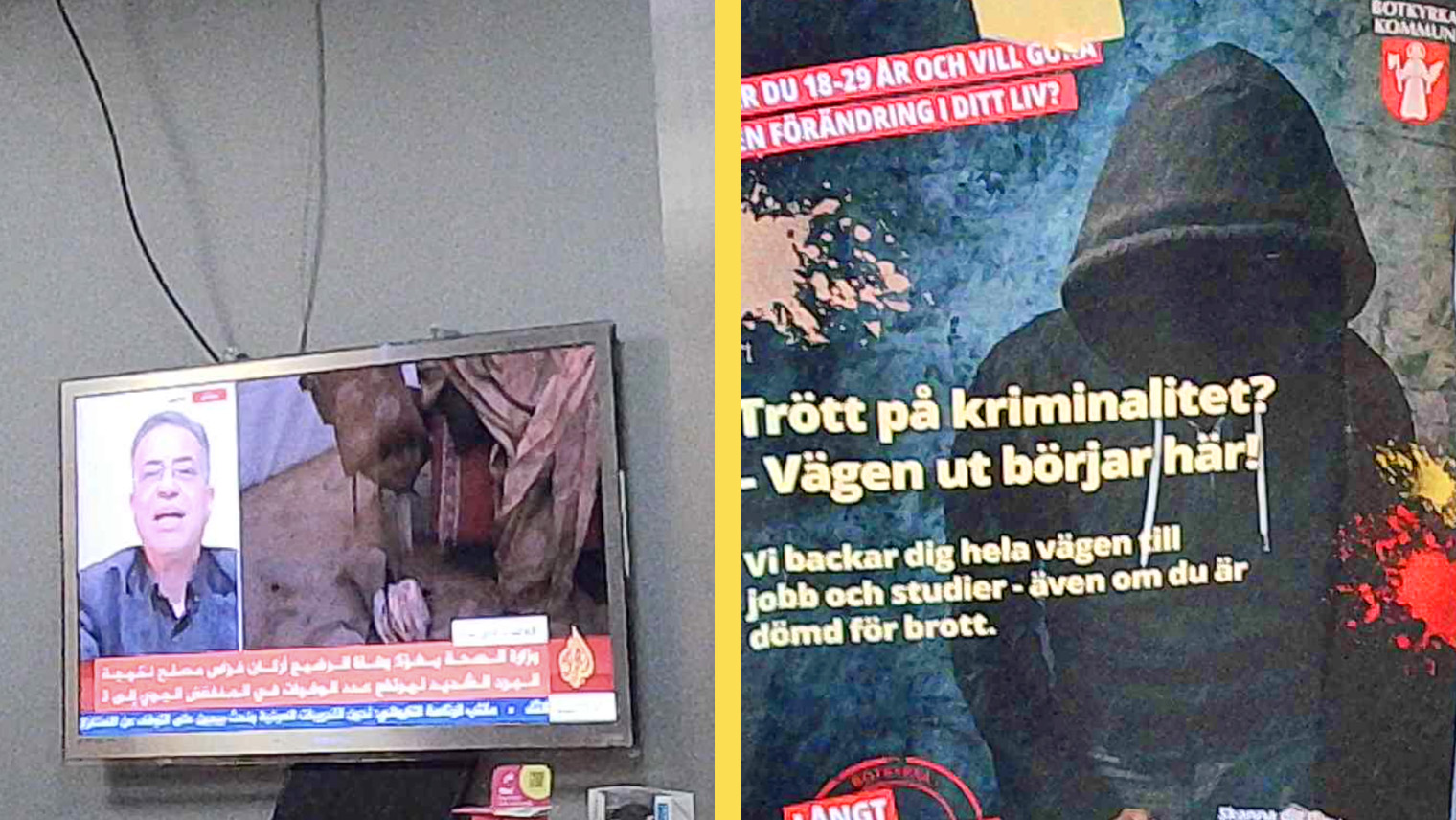
Both men say that crime affects how one behaves and moves around in society, that you try to avoid situations where you could be exposed to violence – and they understand why older people do not want to be out in the dark.
What do you say about the repatriation grant that politicians are now discussing?
– If you don’t like it here and don’t contribute, it might be a good thing, says Lars.
Magnus has a different view:
– I think it is completely crazy that they should get paid for a problem that politicians created themselves. He continues:
– It’s the politicians that created these exclusion zones. This won’t solve the problem at its root.
READ ALSO: Kista: Here Sweden Was to Build the Future – Now the Companies and Swedes are Leaving
They also say it could happen that someone gets 350,000 kronor, travels home, throws away the passport, and then comes back under a different name.
– If the border isn’t secure, the whole proposal is just money thrown away, says Magnus.
We ask Magnus, who lives in a villa community he himself describes as quite safe, what he thinks of the Social Democrats’ proposal for forced mixing of the population:
– It’s a bit late now. People will always seek out those similar to themselves. It won’t work now. He continues:
– Now that there are such large areas out here, where people speak Arabic, they will gather here where they can speak with each other. He adds:
– It’s too late now. These things should have been considered already in the 60s or 70s. It went well with the Chileans in the 70s, they integrated well.
He then concludes resignedly:
– But it was not such numbers as now. How are these ever going to integrate?
Botkyrka – Where Social Democracy Merged with Gang Crime
Nowhere did the consequences of politicians’ social experiments become clearer than in Botkyrka municipality, which includes both Fittja and Alby. In recent years, revelations have shown how local Social Democratic structures have been infiltrated by criminal networks and clan-based loyalties, something Samnytt has repeatedly reported on.
READ ALSO: The Social Democrat leadership knew about the party’s gang links in Botkyrka
Municipal operations, including youth recreation centers, came to be controlled by people with ties to serious crime. This wasn’t about isolated mistakes, but a system failure where party politics, municipal power, and informal networks merged.
Employees testified about fear and a culture of silence. Critical voices were sidelined. The municipality effectively lost control over parts of its own operations. The scandal in Botkyrka became a microcosm of the development in many Million Program areas: when the state withdraws, requirements are not set, and ideology trumps reality, other powers fill the vacuum.
READ ALSO: EXCLUSIVE: Botkyrka knew about ABF’s gang links as early as 2019
Sätra, Fittja, and Alby could have been something else. They were beautifully located, close to the city, with history and potential. Instead, they became monuments over a political experiment that ignored both human needs and cultural continuity.
What is described today as social problems are fundamentally the result of conscious decisions. The Million Programs, mass migration, and the political unwillingness to take responsibility have together shaped these areas, which not long ago were Swedish.
Less than 1% of our readers support us
Hundreds of thousands read Samnytt, but only 1 in 100 contribute. Help us grow and continue to deliver in-depth reports and investigations.
Without your support, Samnytt does not exist.
No advertisers. No state support. Only our readers. Thanks to you, Samnytt has published over 31,000 articles challenging the mainstream narrative in Sweden.
123 083 33 50
Swish any amount
Thank you for reading and supporting Samnytt