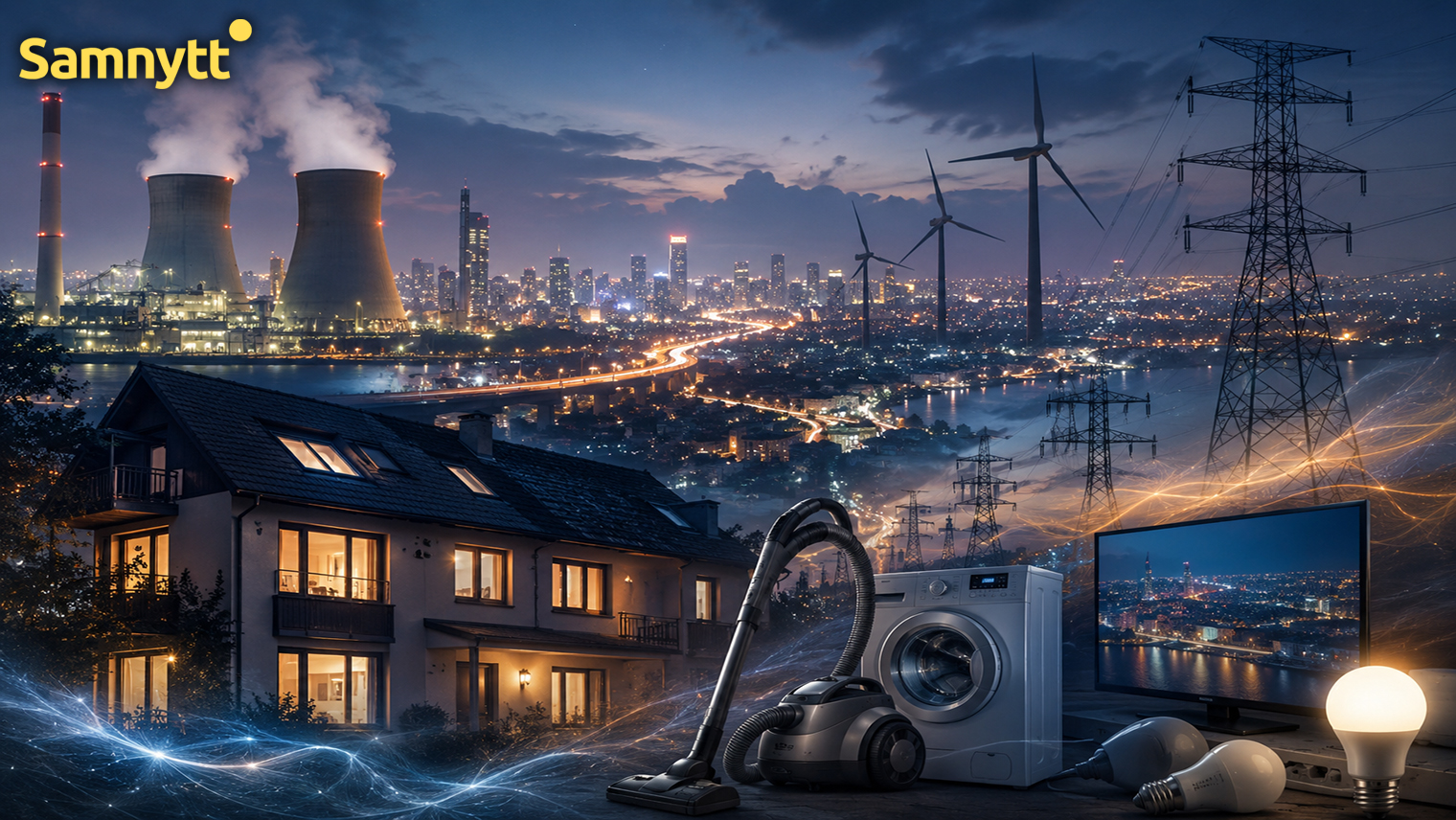
The European Commission is preparing new measures to get households to use less electricity during peak hours. The background is a rapidly growing demand for electricity from data centers, artificial intelligence, electric vehicles, and an increasingly electrified industry – all while Europe’s power system is already heavily strained and mismanaged.
Later this year, the Commission is expected to present proposals to speed up the introduction of AI-based smart meters. The aim is to give consumers better opportunities to adapt their electricity usage to times when grid load is lower and prices are cheaper. This is reported by sources including Politico.
Households to Shift Their Consumption
With the help of these new meters, households will receive clearer information about when electricity is most expensive versus cheapest. The hope is that more people will choose to run energy-intensive appliances during off-peak hours instead of in the evenings, when demand usually peaks.
READ ALSO: Professor warns: Finnish wind power may become worthless – Sweden on the same path
According to the Commission, such a redistribution of electricity use could help lower costs for consumers while freeing up more capacity for industry, transport systems, and the rapidly growing AI sector. However, for people working during the daytime, it is rarely possible to plan their electricity usage in this way.
Data Centers Driving Up Power Demand
The EU notes that data centers already account for about 2.5 percent of the Union’s total energy consumption. In the next four years, their electricity use is expected to more than double. This development places additional strain on a European power system that is already struggling to meet growing demand from the ongoing electrification of society and business.
At the same time, the need for stable and reliable electricity production is growing in order to secure competitiveness, technological development, and industrial expansion. This comes after a long period of “green transition” during which reliable nuclear power has been phased out and extensive investment instead made in unreliable wind energy.
AI to Enable More Efficient Energy Use
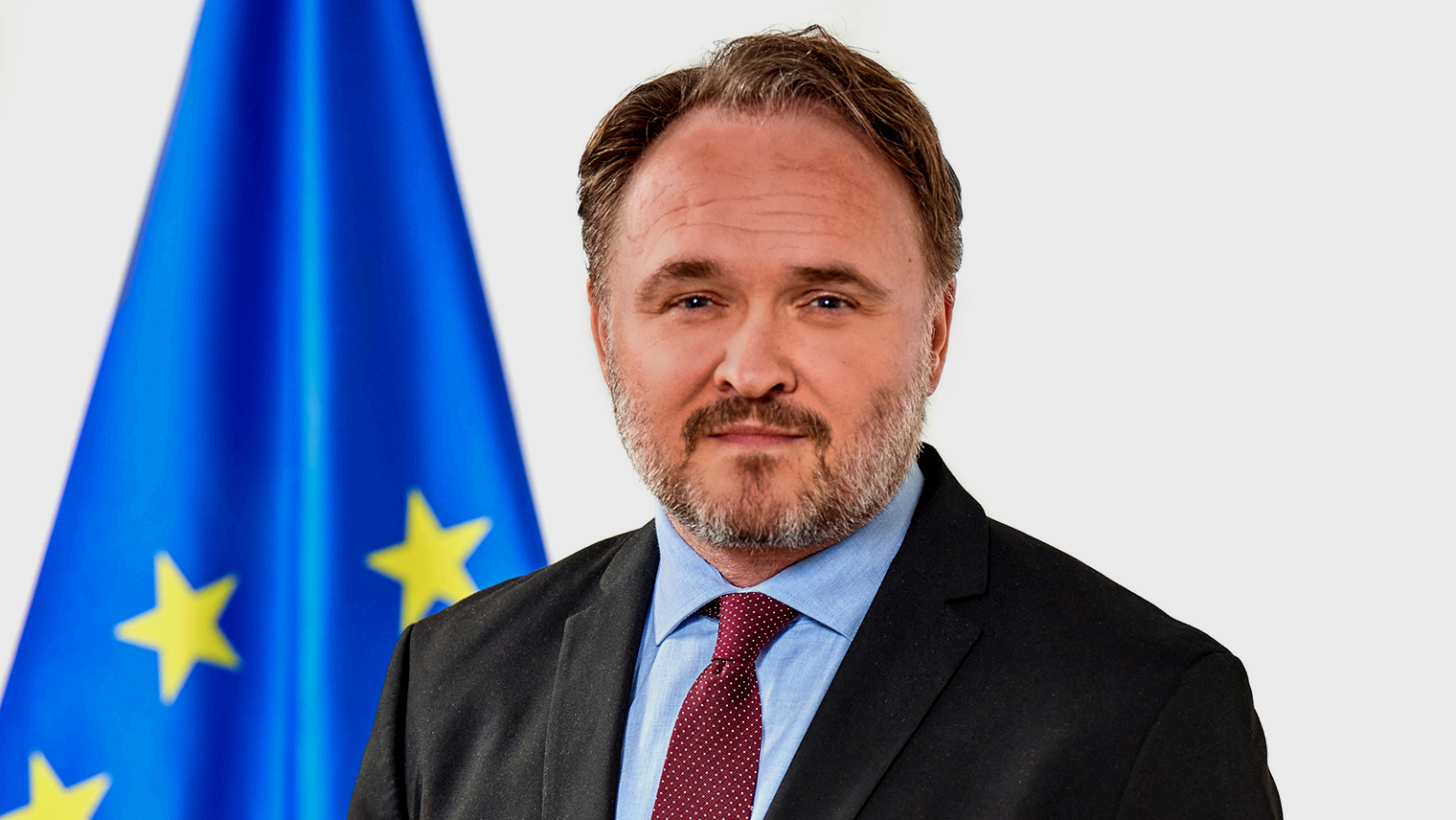
EU Energy Commissioner Dan Jørgensen highlights smart meters as an example of how artificial intelligence can be used to improve the efficiency of the energy system, thereby compensating for its inadequacy and uncertainty.
According to the Commission, the technology can help make better use of existing, underdimensioned power grids and reduce the need to curtail production from various energy sources when grid capacity is insufficient. The goal is to create a more flexible electricity system where consumption is increasingly adapted to the limited supply of power.
Electricity Demand Rising Faster than Supply
The initiatives are driven by growing concern that demand for electricity will rise significantly faster than the availability of stable, dispatchable power generation. In addition to data centers, electric vehicles, heat pumps, hydrogen production, and power-hungry industries are expected to require ever greater amounts of energy.
The situation also highlights the challenges facing Europe after years of energy policy choices that have seen significant amounts of dispatchable generation capacity dismantled while replacements have not fully guaranteed the same level of supply reliability. As a result, capacity shortages and high power prices have become recurring problems in several member states – including Germany and Sweden, where green parties have gained significant influence over energy policy.
Fewer Demands on Data Centers
Meanwhile, the European Commission has chosen to soften some previous plans aimed at data centers. A previous proposal for mandatory energy-efficiency requirements by 2030 has been shelved, and a planned labeling system for data centers’ sustainability has been postponed until later this year.
READ ALSO: Record Production and Record Losses – Researchers Warn of a Wind Power Crisis
Instead, the Commission wants to promote voluntary agreements between data center operators, energy companies, and authorities to facilitate sustainable integration of data centers into the energy system. In countries like Sweden, data centers have meanwhile received electricity contracts at significantly lower prices than what other consumers pay.
New Investments and Research Funding
The roadmap also includes initiatives to improve the exchange of energy data between member states and to create better conditions for AI-based energy services. Development will be followed up annually.
Moreover, €75 million of taxpayer money from the Horizon Europe research program is being allocated to projects aimed at developing more energy-efficient AI solutions. Legislation on smart meters is one of seven prioritized actions in the EU’s new roadmap for digitization and artificial intelligence in the energy sector.