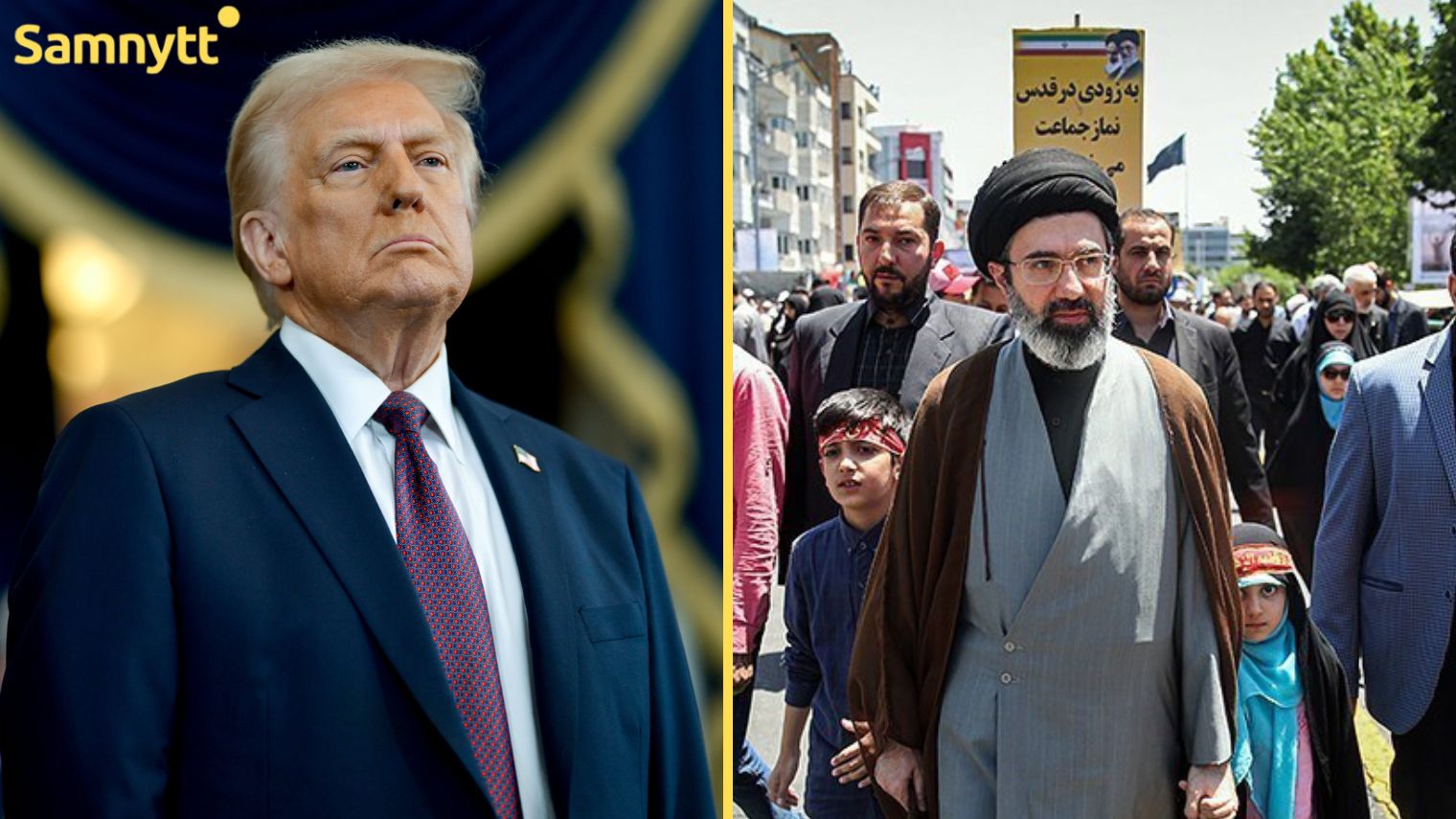
US President Donald Trump says he never saw regime change in Iran as a goal during the nearly four-month war. Speaking at the G7 summit in France, Trump instead emphasized the importance of collaborating with the Iranian leadership and highlighted that ongoing contacts between the parties have progressed positively, with a peace agreement that he says will be signed later in the week.
After several months of armed conflict between the US, Israel, and Iran—marked by extensive missile strikes and one of the most serious security crises in the Middle East in decades—the situation has suddenly taken an unexpected turn.
The conflict previously led to the closure of key sea routes in the Strait of Hormuz, widespread disruptions to air traffic, and rapidly growing concerns over a :censored:6:cdd6bbaa89: energy crisis.
READ ALSO: IEA warns of deep crisis: “The world’s largest energy security threat to date”
The American president recently stated that the agreement between the countries is complete and described it as the conclusion of the approximately three and a half month-long war.
READ ALSO: Strait of Hormuz: Peace agreement in place – Trump: The war is over
According to the agreement, fighting will cease, the American blockade against Iranian ports will be lifted, and the strategically vital Strait of Hormuz will be reopened for international shipping.
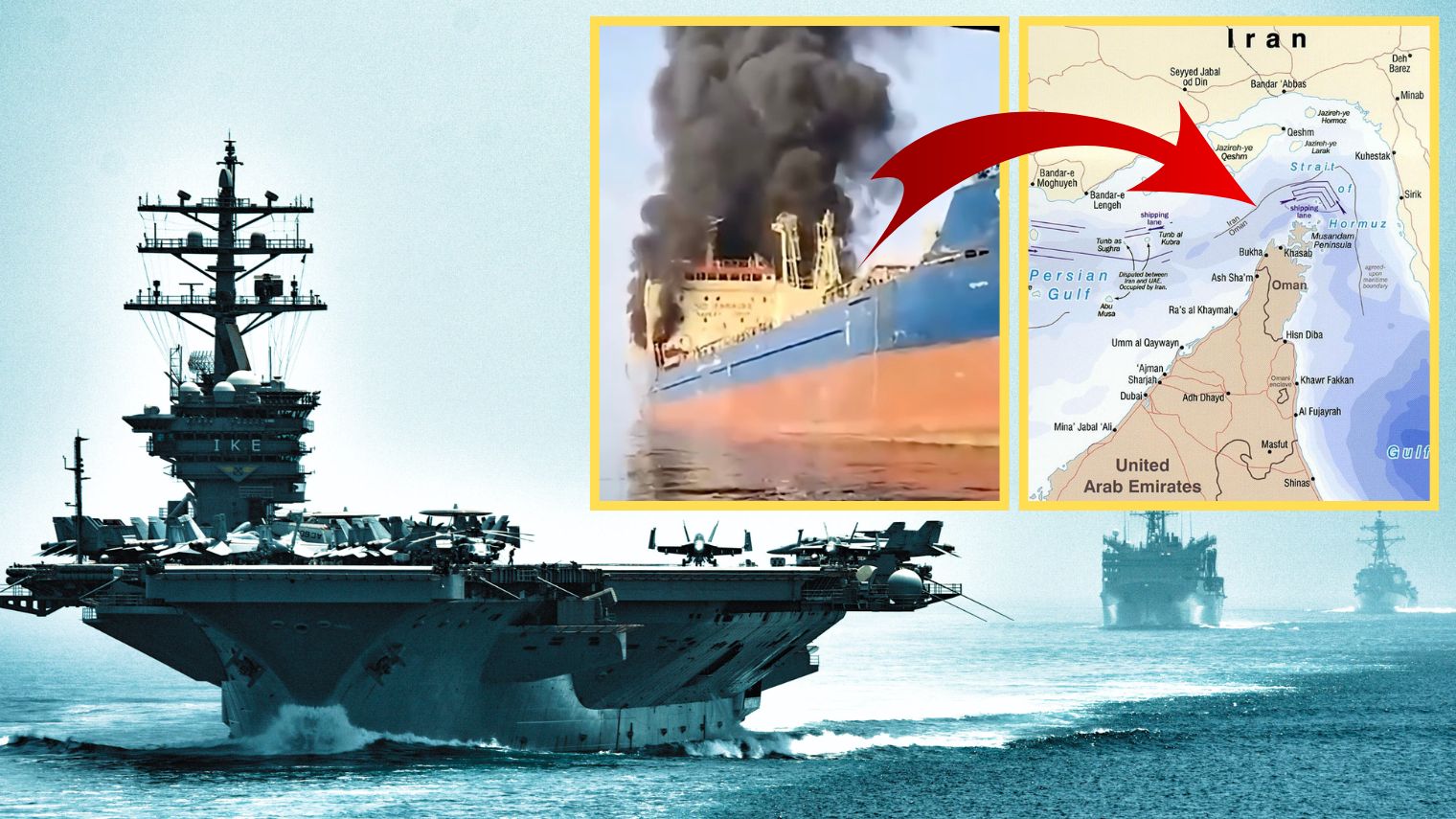
Not Interested in Regime Change
The US president has at the same time signaled that regime change in Iran, where the current religious government is replaced, is not a goal actively pursued by his administration.
He has pointed out that historical experience shows that attempts at regime change often lead to prolonged instability and uncertain political outcomes.
– I have seen many regime changes over the years, and they almost never work, the president said about the ended war.
Trump on Iran:
I don't believe in regime change. I've watched regime changes for years, and they never work.
It has to just happen. pic.twitter.com/odSL1kcUoO
— Clash Report (@clashreport) June 16, 2026
The president’s latest statements differ somewhat from his stance earlier this year, when he more strongly suggested the Iranian regime should relinquish power and opened up for the possibility of a regime change.
During the military operations against Iran, he previously called on the Iranian people to take control of their country’s future and hinted that changes in the country’s leadership could become possible.
However, at the G7 summit in Évian-les-Bains, France, Trump emphasized that political changes in Iran must come from within and not be imposed from outside.
– If change happens, it must happen naturally. I don’t believe in trying to force it from the outside, Trump asserted.
According to Trump, several of the previous leaders within the Iranian leadership have disappeared from the political scene. He described those now representing the country in negotiations as more pragmatic and less ideologically driven than their predecessors.
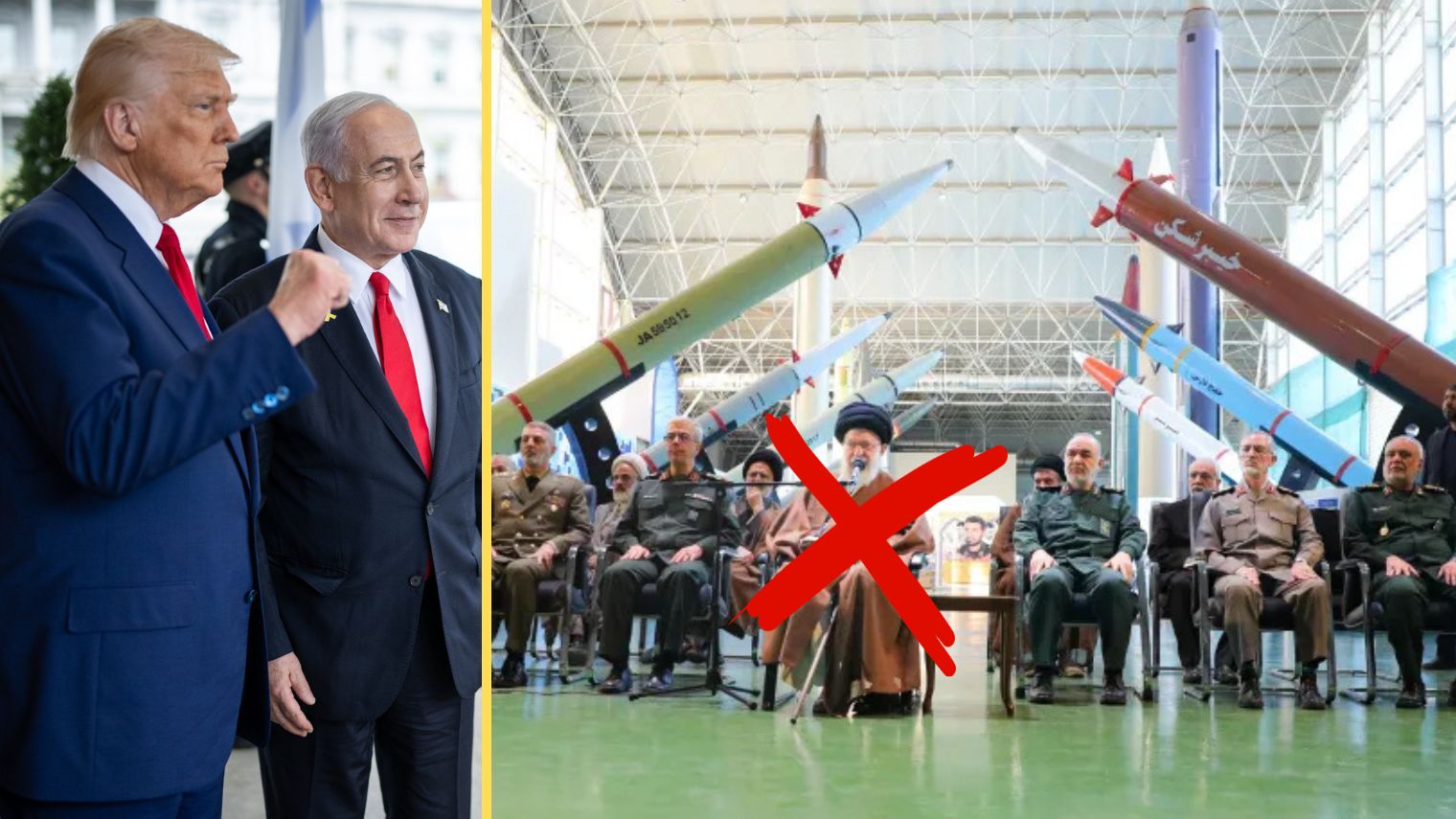
The American president claimed that the current leaders in Iran are both competent and focused on improving the situation in the country. This statement came as he referred to previous military operations, where he stated that several levels of the Iranian leadership had already been eliminated during the conflict.
– You talk about regime change. I never cared about regime change. It was never part of it. But I suppose you have regime change because you know better than anyone – the first group is all dead. The second group is dead. Some of the third group are gone, he said, and continued:
– And we are dealing with people I think are very rational. They were nice to deal with. They were strong people, smart people. In fact, I think they are smarter than the first and second group, but they are not radicalized and they, you know, are trying to help their country.
Trump on Iran:
I never cared about regime change, but I guess you have regime change in Iran. pic.twitter.com/vxNLauZYeF
— Clash Report (@clashreport) June 16, 2026
“A Good Agreement”
According to Trump, the peace agreement will mark the end of conflict between the parties and is expected to be signed in Switzerland later in the week.
Trump further stated that the deal the US and Iran have reached is fair for both sides. He explained that the next step in the process will be to implement and further develop the agreement.
– We have a good deal and the next phase will probably be easier than the first, he said.
At the same time, several difficult and unresolved issues remain concerning Iran’s nuclear program. The US has clearly stated it will not accept Iran developing nuclear weapons and maintains a position aimed at limiting, monitoring, and controlling Iran’s nuclear activities, including the management of its enriched uranium stockpiles.
Parallel to this, key diplomatic issues remain, including the future of sanctions against Iran and how any agreement could be designed to balance security demands with economic and political relief.
Rejects Allegations
The US president stressed that the US has no plans to invest financially in Iran as part of the deal. This comes amid reports that the US had allegedly agreed to either pay reparations or contribute to reconstruction after the extensive bombings that occurred this past spring.
– We have no obligation to provide funds. We can do it if we want to, but it’s not on the table, Trump explained.
READ ALSO: US Senator: “We will make tons of money off the Iran war”
Despite a turbulent spring characterized by war and blockades in the Strait of Hormuz, Trump expressed hopes that US-Iran relations are now entering a more constructive phase, where dialogue and agreements will play a greater role in future developments.
Watch the full press conference at the G7 summit with Qatar’s Emir Sheikh Tamim bin Hamad Al Thani during a bilateral meeting on the sidelines of the G7 summit.