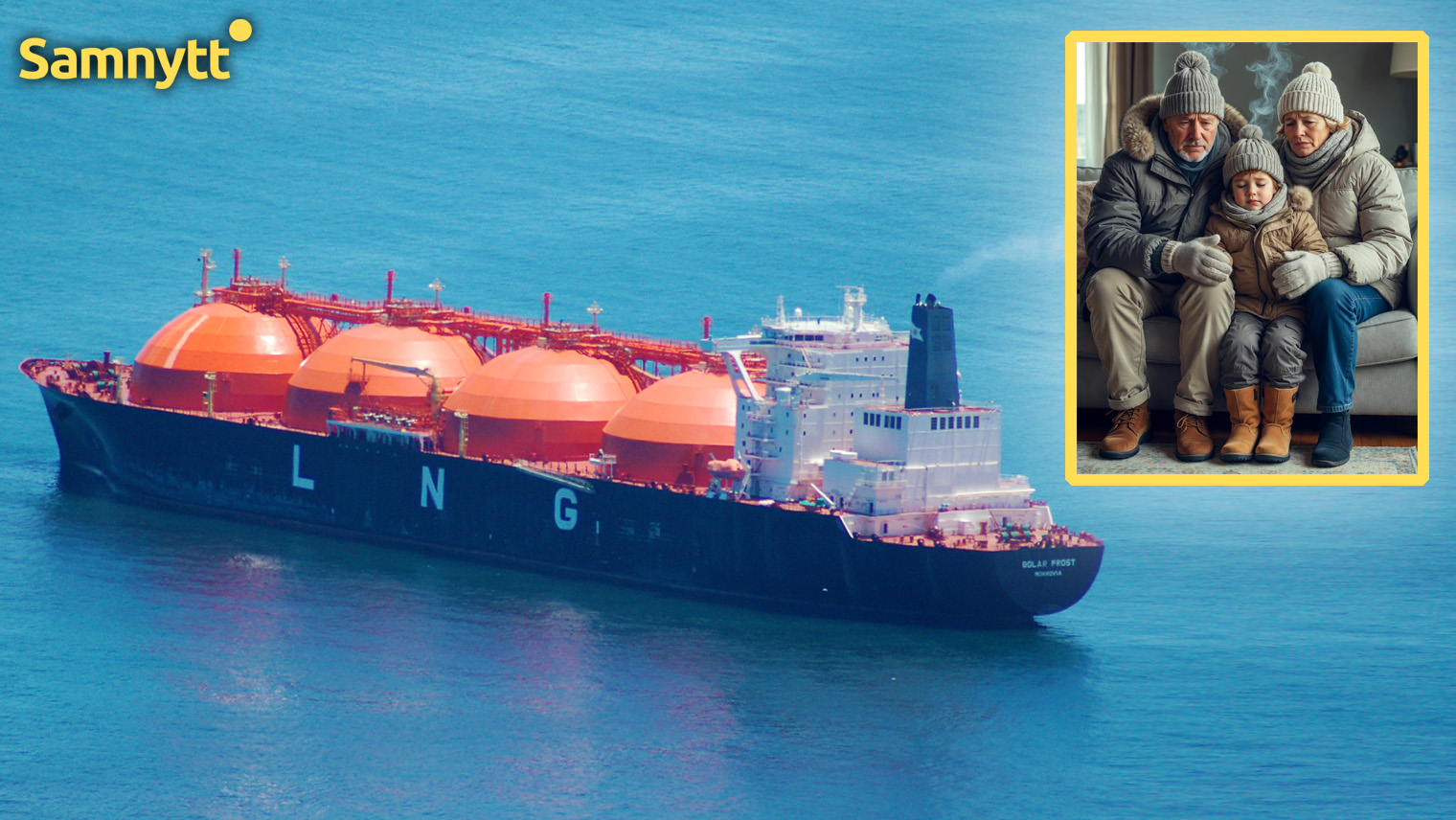
Despite summer being the peak season for replenishing gas reserves, restocking in Europe is progressing more slowly than expected. A combination of geopolitical conflicts, limited access to liquefied natural gas after sanctions on Russian gas, and uncertainty regarding future supplies means Europe may enter winter with the lowest storage levels in over a decade.
The EU’s gas stocks are expected to be significantly less filled than usual when the crucial replenishment period concludes this fall. According to forecasts from consultancy Wood Mackenzie, reserves are projected to reach about 76 percent capacity by the end of the season, which would be the lowest pre-winter level since at least the early 2010s. This is reported by, among others, Financial Times.
The starting point was unusually weak. After a cold winter, European stocks were only 28 percent full when the filling season began in April. Today, the level is around 48 percent, according to the industry association Gas Infrastructure Europe.
With Russian gas largely gone from Europe’s energy mix, the union has become more dependent on imported LNG, increasing vulnerability to disruptions in :censored:6:cdd6bbaa89: trade.
Middle East Conflict and Absence of Russian Gas Taking a Toll
A key reason for the sluggish development is disruptions in the :censored:6:cdd6bbaa89: market for liquefied natural gas (LNG). The war between the US and Iran has led to restricted transport through the Strait of Hormuz—one of the world’s most important energy routes—while production has simultaneously decreased in both Qatar and the United Arab Emirates.
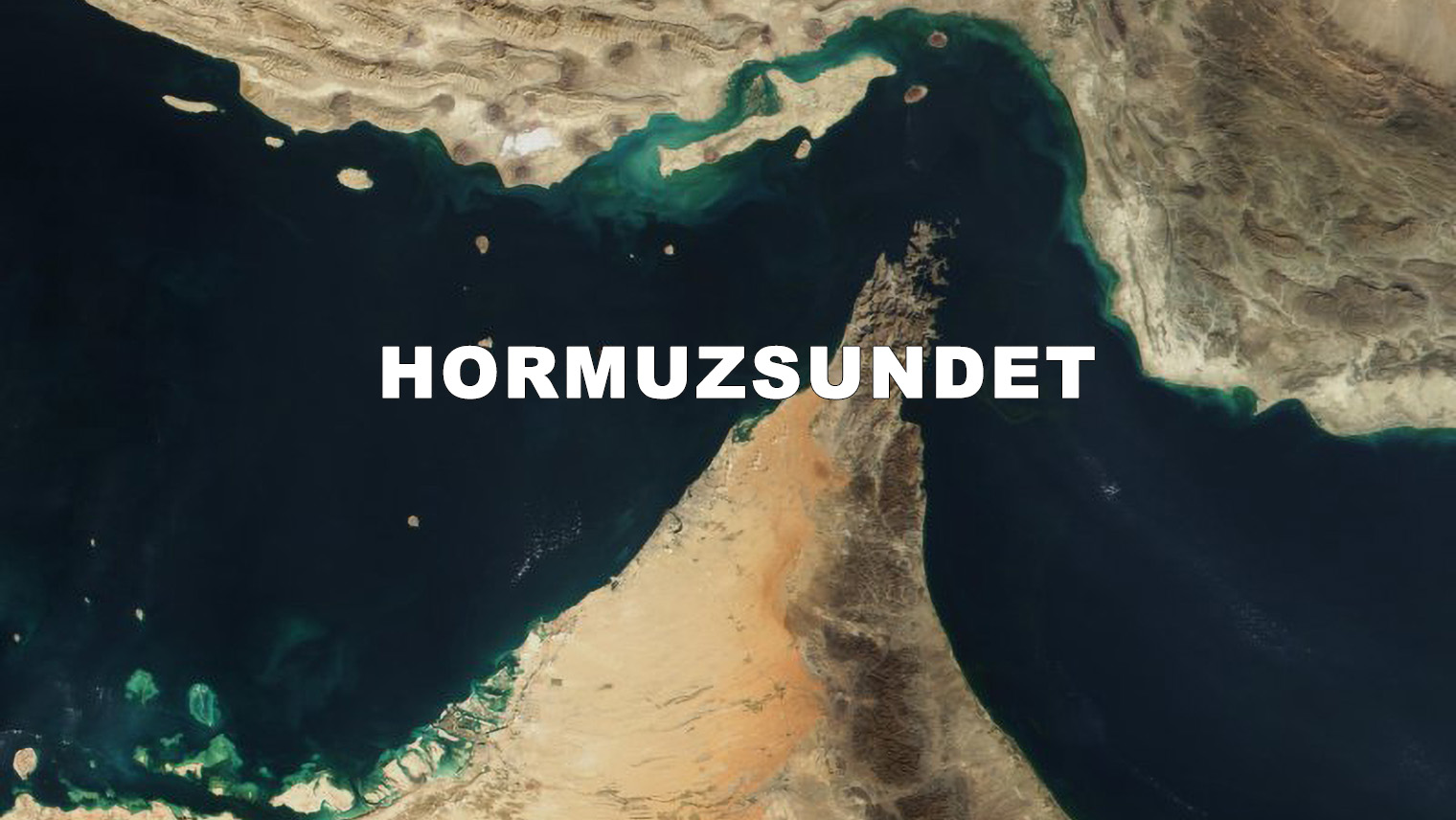
The Strait of Hormuz typically serves as a transit route for about a fifth of the world’s LNG volumes, making the area crucial for international energy supply.
Another contributing factor is that the EU has gradually reduced its reliance on Russian gas since the invasion of Ukraine. As a result, a previously important source of supply has disappeared from the European market.
Low Prices Hamper Restocking
Paradoxically, Europe’s problems have not only been due to a lack of gas. After sharp price hikes around the outbreak of conflict, gas prices have stabilized and even dropped. This has made Europe less attractive for LNG suppliers, who may now prefer other markets.
Natasha Fielding, an analyst at Argus Media, describes the situation as crucial:
– We are at a critical stage for Europe’s plans to refill gas stocks over the summer. Although the agreement between the US and Iran has pushed down prices and raised hopes for large volumes of gas from the Persian Gulf returning to the market, continued limited LNG supply means Europe’s reserves heading into winter will be lower, raising the risk of sharp price increases.
READ ALSO: Europe’s Gas Stocks are Depleting—Opening the Door for a Russian Comeback on the Energy Market
European reference prices are currently around 40 euros per megawatt hour—well below the extreme levels seen after Russia’s invasion of Ukraine in 2022, when prices peaked at 342 euros per megawatt hour.
The EU Commission Downplays the Risks
The European Commission assesses that the situation does not yet pose an immediate threat to energy security. The Commission believes that storage levels of around 80 percent are sufficient to get through the winter and has therefore lowered its recommendations compared to previous years, when the target was 90 percent.
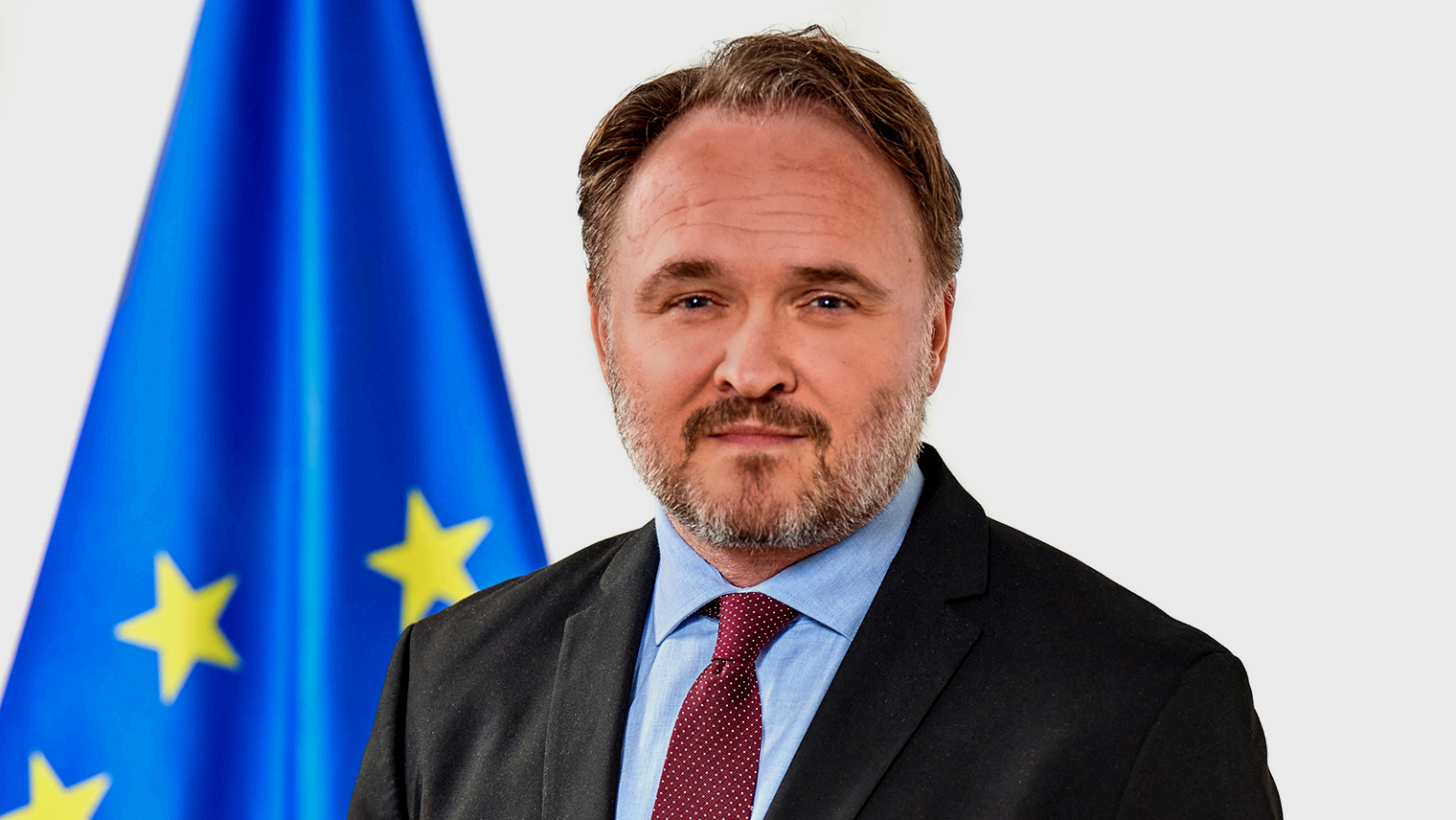
EU Energy Commissioner Dan Jørgensen emphasizes that the union must strike a balance between supply security and price stability.
– We need a high storage level to be ready for next winter, but we want to achieve it in a way that doesn’t drive up prices in the short term.
Qatar May Be Crucial
Developments in the coming months depend largely on how quickly LNG exports from Qatar return to normal levels. After the preliminary ceasefire between the US and Iran, empty LNG ships quickly started heading back toward the Persian Gulf, and the Qatari government expects almost full production to be restored within a few weeks.
However, analysts are unsure how quickly export volumes will truly rebound. If production recovers as early as July, Europe’s storage could reach around 74 percent before winter. If the recovery drags out until August, reserves risk stalling around 70 percent.
An Uncertain Winter Awaits
Several uncertainties remain. Shipping through the Strait of Hormuz was again disrupted this week when a vessel was damaged in a suspected attack in the channel. It is also uncertain what will happen when the current extension of the US-Iran ceasefire expires.
In financial markets, more actors are positioning themselves for rising gas prices over winter. According to several analysts, prices could fall further in the short term if more LNG deliveries reach the market, but the risk of further increases grows as the heating season draws nearer—especially if the winter turns out cold.
Further uncertainty comes from the EU’s decision to fully stop imports of Russian LNG from the turn of the year. Russian supplies currently still account for about 14 percent of Europe’s LNG imports, meaning another key source of supply will disappear ahead of next winter.