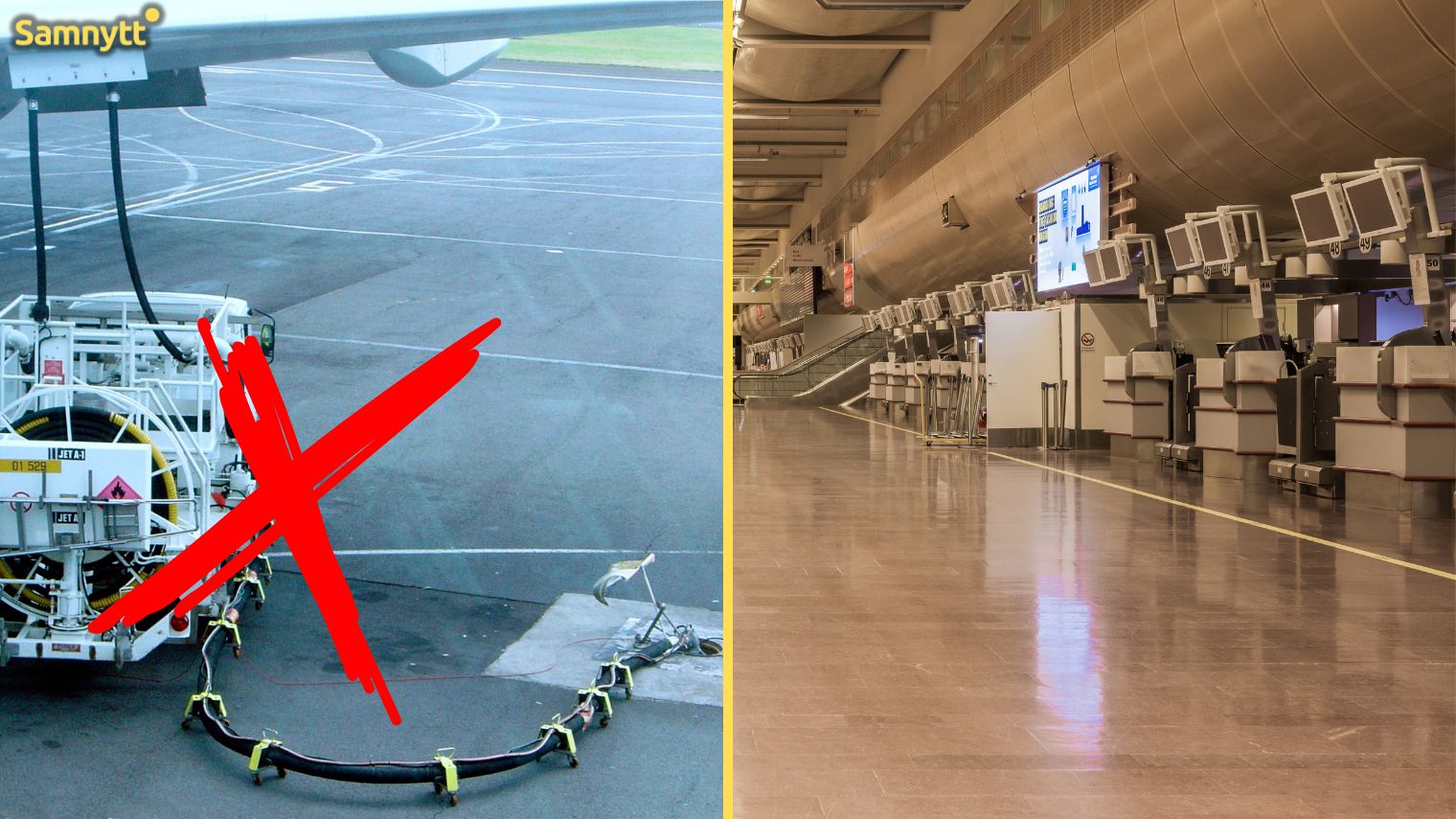
Europe has managed to keep air traffic going through increased imports, higher production, and withdrawals from existing reserves. Despite this, jet fuel supplies remain under pressure, and new tensions in the Middle East could quickly worsen the situation.
Several European countries are particularly vulnerable after decades of refinery closures that have made the continent more dependent on imports from the Middle East. The UK, France, and Germany are among the countries most at risk if supplies through the Strait of Hormuz are disrupted.
The strait is one of the world’s most important energy transport routes and has long been crucial for :censored:6:cdd6bbaa89: oil and gas flows. After the latest conflict involving Iran, traffic has partly resumed, but the fragile ceasefire is still being threatened by new attacks from both sides.
According to the analysis firm Energy Aspects, Europe is expected to face a deficit of around 600,000 barrels of jet fuel per day during the third quarter of the year. At the same time, the US and Asia are expected to have surpluses in the same period.
READ ALSO: IEA warns of deep crisis: “World’s greatest energy security threat so far”
At the start of June, Europe’s reserves amounted to about 38 million barrels, compared to around 99 million in the US. This means Europe has less than 30 days of demand coverage—the smallest buffer among the world’s major jet fuel markets, according to Reuters.
The International Energy Agency (IEA) has also noted that while stock levels were higher than the year before, margins remain narrow. According to energy analysts, the market could stay under pressure at least until the end of the summer.
“We still expect a strained situation through August with these developments,” says Janiv Shah, analyst at Rystad.
The European Commission has also highlighted the risks. EU Energy Commissioner Dan Jørgensen has said the union may need to coordinate the use of national reserves if the situation worsens.
New Suppliers Keep Europe Flying
When imports from the Middle East were disrupted after the outbreak of war in February, Europe began seeking alternative suppliers. Countries such as the US, Nigeria, Canada, India, Kuwait, and South Korea have helped to fill the gaps.
In June, Europe imported about 673,000 barrels of jet fuel per day, which was the highest level since autumn 2025, according to data from the analysis firm Kpler.
India significantly increased its deliveries, and Kuwait is also expected to resume exports to Europe during the summer after several months of interruption.
At the same time, several European refineries have ramped up their own production. In Italy, jet fuel output increased by about ten percent during the first months of the year. Refining giant Eni has also boosted supply by importing semi-finished products from outside Europe.
Airfares Not Expected to Drop
Despite a slight easing of the situation, jet fuel prices have remained high. In northwestern Europe, the price has fallen to around $133 per barrel after record levels above $215 at the end of March.
Fuel normally accounts for about one fifth to one quarter of airline costs. According to observers, quick drops in ticket prices are not expected.
Demand for air travel remains strong even as many airlines have limited capacity. Several operators have already adjusted services to reduce fuel consumption and secure supplies during the uncertain period.
READ ALSO: The government warns of fuel shortages