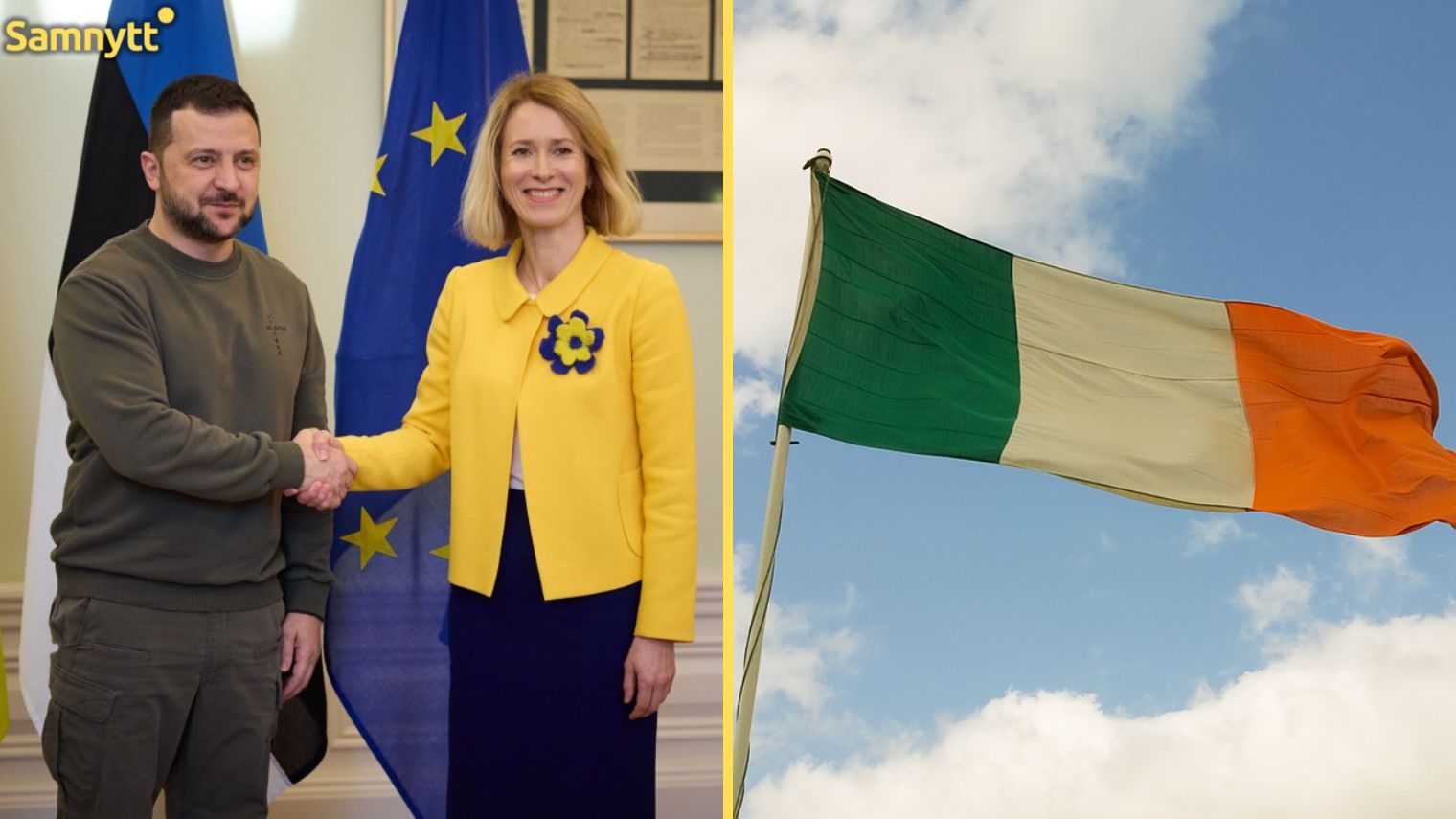
In just a few weeks, militarily non-aligned Ireland will take over the EU presidency, and even before assuming power, Brussels is raising the tone regarding the ongoing war in Ukraine. The EU’s foreign policy chief, Kaja Kallas, is issuing a stern warning to those member states still clinging to military neutrality, declaring that such a policy offers no protection from Russia in today’s Europe.
It was during a visit to Dublin on Tuesday that the EU’s foreign policy chief, Kaja Kallas, highlighted tougher sanctions against Russia—and at the same time pointed to the metals and oil industries as the next possible targets.
The statement came at a time when Ireland, which is soon to take over the rotating presidency of the EU Council of Ministers, is already in sensitive political focus.
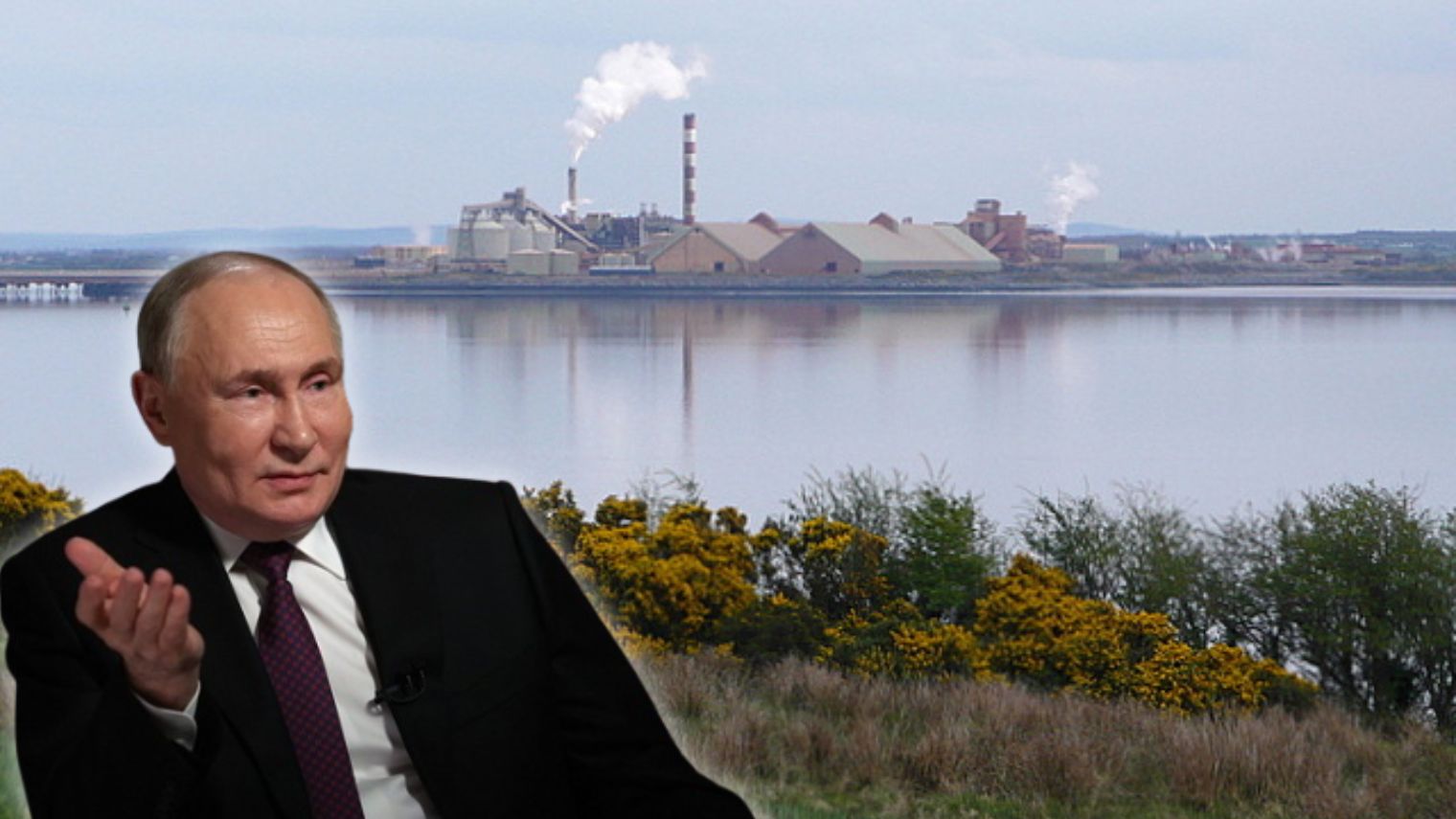
The background includes a Russian-owned facility in Limerick that produces a vital raw material for the aluminum industry—and according to information in an international investigation, the material may in some cases have reached the Russian defense industry. This is reported by Politico.
The facility has so far not been subject to EU sanctions, since the raw material in question is not yet explicitly part of the sanctions regime. The issue has become politically charged in Ireland, where the government has previously warned that possible measures against the facility could have economic consequences, including for jobs and energy costs.
At the same time, Ireland’s Foreign Minister Helen McEntee signaled during the meeting with Kallas on Tuesday that the Irish government is prepared to support Brussels’ sanctions actions if ongoing national and European investigations confirm that materials from the facility are indeed being used in Russian weapons manufacturing.
Not a NATO Country
Ireland belongs to a small group of EU countries outside of NATO, together with, among others, Austria, Cyprus, and Malta. The country has long cherished its military non-alignment, but this position has become increasingly debated since Russia’s invasion of Ukraine in 2022. Ahead of Ireland taking over the EU presidency on July 1, signals from Brussels have simultaneously become clearer, with Ukraine being highlighted as a continued central priority.
EU chief Kaja Kallas praised Ireland’s increased focus on defense and its growing involvement in support of Ukraine. According to her, Europe has developed to the point where no state can count on being outside Russia’s risk zone, and that EU countries must continue to donate money and weapons to Ukraine.
ALSO READ: Sweden and the EU agree: Promise to cover Ukraine’s economic needs
Kallas emphasized that Ireland’s neutrality does not offer protection against Russia. She claimed that Russia repeatedly engages in hybrid attacks and suspected sabotage against critical underwater infrastructure as examples of how the threat landscape has changed.
– Ireland’s proud tradition of military neutrality is not being questioned, but neutrality does not provide immunity against the threats Europe faces today. No country in Europe is off Russia’s target list since the invasion of Ukraine, said Kallas.
Kallas also mentioned Russian ships and intelligence vessels seen operating in Irish waters, which are vital for the country’s connections to the rest of Europe.
Meanwhile, Ireland plans to significantly increase its defense spending by about 55 percent by 2030. For Kallas, this is a clear sign that the country is adapting to the new security and political reality in Europe.
Kaja Kallas concluded by noting that Russia’s President Vladimir Putin shows no signs of being ready to de-escalate the war in Ukraine, and that, therefore, support from the EU member states must continue.
See the press conference: