A new law will make it even easier to check what other people earn. Critics say it could have serious consequences, but the government has no plans to back down.
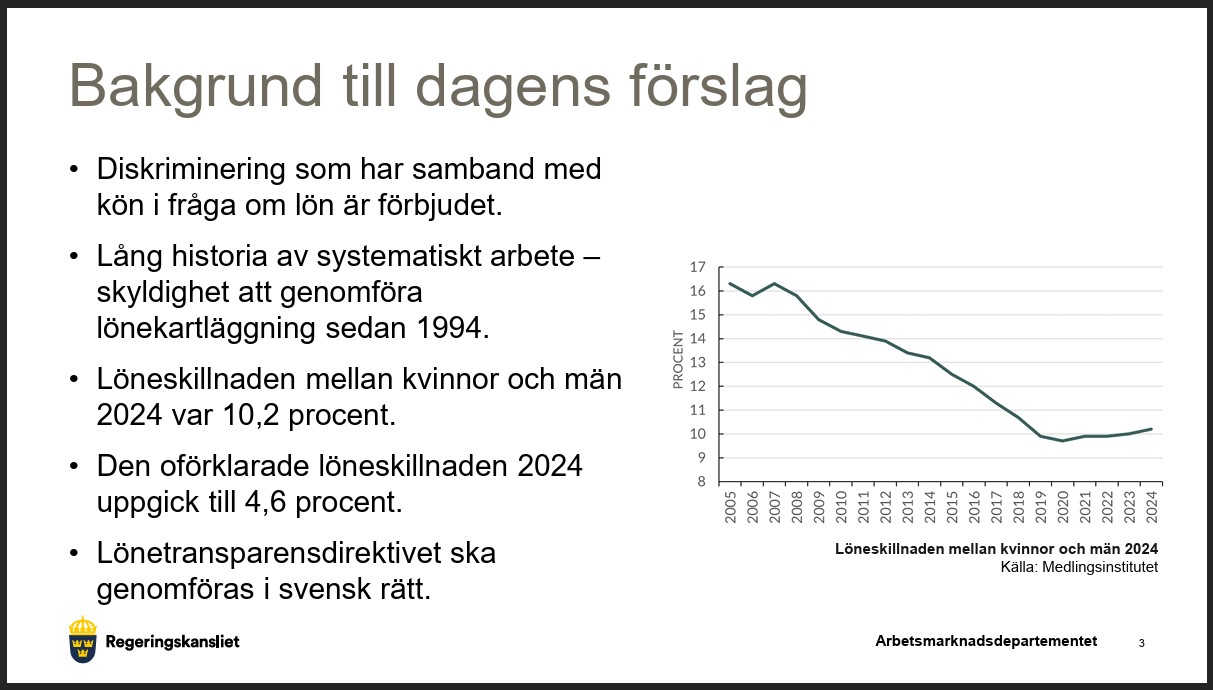
The law is based on an EU requirement to reduce the alleged differences between women’s and men’s wages in member countries. The aim is increased transparency about salaries to make comparison easier, and it means you can approach your manager and request an average of what colleagues earn, broken down by gender.
The new law means that salaries will be reported as annual and hourly pay, including supplements for things such as unsocial working hours and overtime. This differs from the current system, which has existed since the 1990s and which both employers and unions are used to, where statistics are based on monthly salary excluding any potential bonuses.
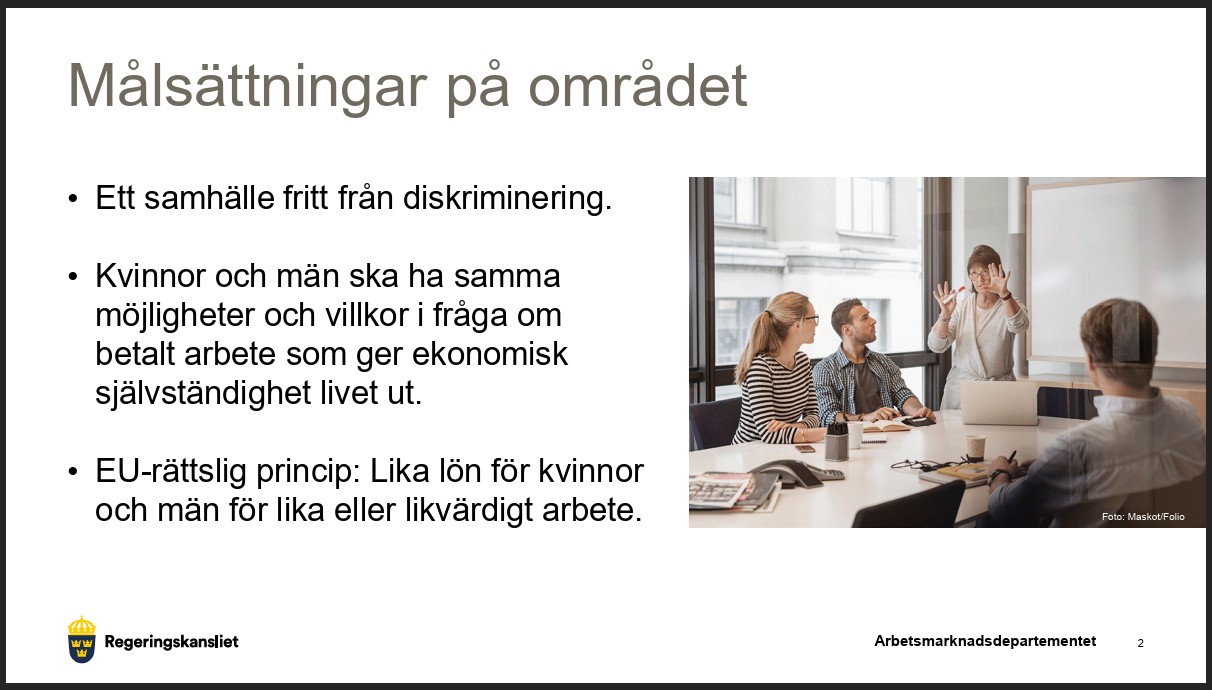
– Wage discrimination needs to be eliminated. Equal pay should apply regardless of gender. The government is now proposing clear and trackable rules that, among other things, grant the right to insight into how salaries are set and into actual wage differences within employers. This provides new concrete tools to bring about change, said Minister for Gender Equality Nina Larsson (L) in January.
Criticism
Not everyone, however, is convinced about the brilliance of the idea and, as the government now seeks to pass the EU requirement into law, Sweden’s employer organizations are demanding that it be stopped. In a joint letter to the government, the Confederation of Swedish Enterprise, the Swedish Association of Local Authorities and Regions (SKR), and the Swedish Agency for Government Employers warn that the scope for salary review will be ‘fundamentally changed,’ and not in a good way. They also warn of ‘serious consequences.’
– This is a huge change from how we do things today, and it will cost both time and money for companies, says Camilla Gannvik, wage expert at the Confederation of Swedish Enterprise, to Arbetet.
If the new requirement had been based on the same salary statistics that all employers already have through the standard pay survey, it wouldn’t have been a problem, she argues. But by creating two parallel salary systems, the very purpose — to compare salaries — becomes much harder.
Must adapt
However, the government has no plans to reconsider.
“Employers will need to adapt to the new regulations, and there will be a period of adjustment,” writes Minister for Gender Equality Nina Larsson in a comment to Arbetet.
If this is not done, Larsson argues, Swedish employers risk facing a more complex and unpredictable situation in the future.
The government’s press conference in January: