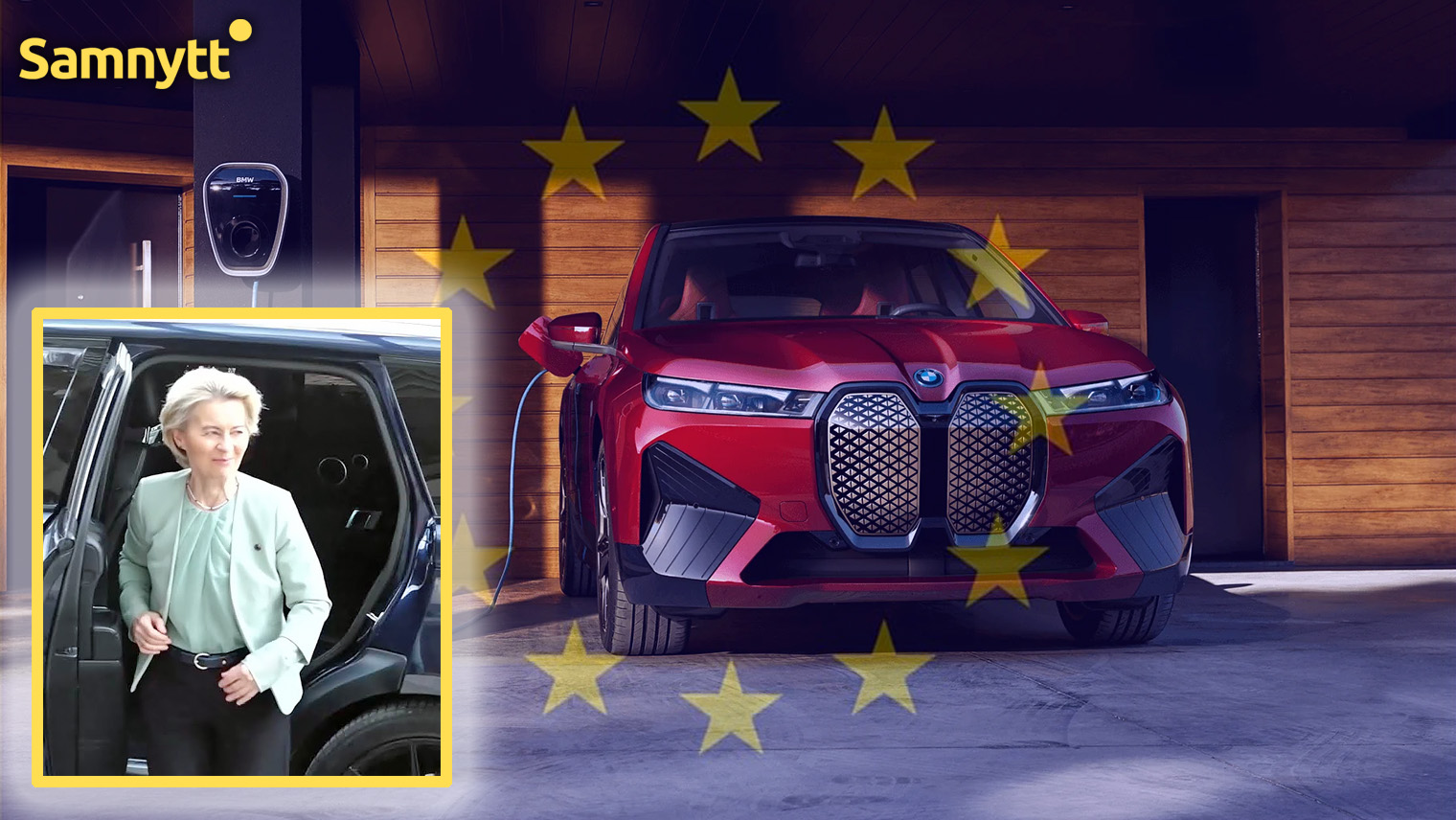
The European Commission’s green car initiative has suffered an unexpected setback – the commissioners themselves are growing tired of their electric cars not being able to make the journey between Brussels and Strasbourg without a charging stop. The corridors of power are growing ever more irritated, while critics argue it’s good that Brussels’ elite finally get to experience the everyday problems tied to supranational green policy that many ordinary drivers have been grappling with for a long time.
What was meant to be a showcase for the EU’s green transition has instead become a source of frustration for several of Ursula von der Leyen’s commissioners. According to Politico, the Commission’s electric cars cannot make the roughly 440 km (about 273 miles) trip between Brussels and Strasbourg on a single charge.
The result? A mandatory stop at a petrol and charging station in Luxembourg – something that adds another half hour to the already long business trip.
“A taste of their own medicine”
Several officials in the Commission report mounting irritation among the commissioners, who often have to spend an extra 20–30 minutes charging along the motorway – more if there’s a queue at the charging station. And this isn’t just a one-off trip – the journey to Strasbourg is recurring, as the European Parliament still holds its plenary sessions there every month.
READ ALSO: Flop for electric cars in range test during the winter – here’s how much was lost
For many, the situation seems almost symbolic. The Commission has for several years pushed for a fast electrification of Europe’s car fleet and a ban on new petrol and diesel cars from 2035. At the same time, both the car industry and critics have warned that charging infrastructure and everyday life haven’t caught up with the policy.

Now it seems that even the top politicians themselves are experiencing what many regular car owners describe as “range anxiety.” Critics have welcomed this, saying that the decision-makers are often out of touch with reality.
Crawling speed to conserve battery
One alternative to a charging stop, reportedly, is to drive extra slowly to save battery. The problem is that the trip could then take up to seven hours.
– It doesn’t work particularly well, a frustrated official is said to have told Politico.
At the same time, many commissioners prefer to avoid the train. The official reason for not traveling by what is otherwise recommended as particularly “climate-smart” transport is that the EU leaders need to be able to handle sensitive phone calls and do work at a proper distance from curious fellow passengers.
The EU fleet is getting greener
The background is that in 2022, the Commission decided to transition its vehicle fleet to be completely emission-free by 2027. Today, reportedly, around 80 percent of the Commission’s 128 service vehicles are electric.
READ ALSO: The electric car that lost the most value – plummeting more than 11,000 kronor per month
But several of the models are said to be large, luxurious BMWs with a price tag of around 2 million kronor, paid for by taxpayers. These signal status for the politicians who drive them but are not optimal for long motorway stretches without charging.
Meanwhile, the EU has, in recent times, eased some climate requirements for the car industry and opened up for alternative solutions even after 2035. However, this relief does not yet seem to have reached the Commission’s own car trips.
Von der Leyen avoids the problem
Not everyone in the EU elite needs to worry about charging queues and battery levels. Ursula von der Leyen herself reportedly travels in an armored vehicle for security reasons – and there is still no suitable electric model available for such use, only fossil-fueled alternatives.
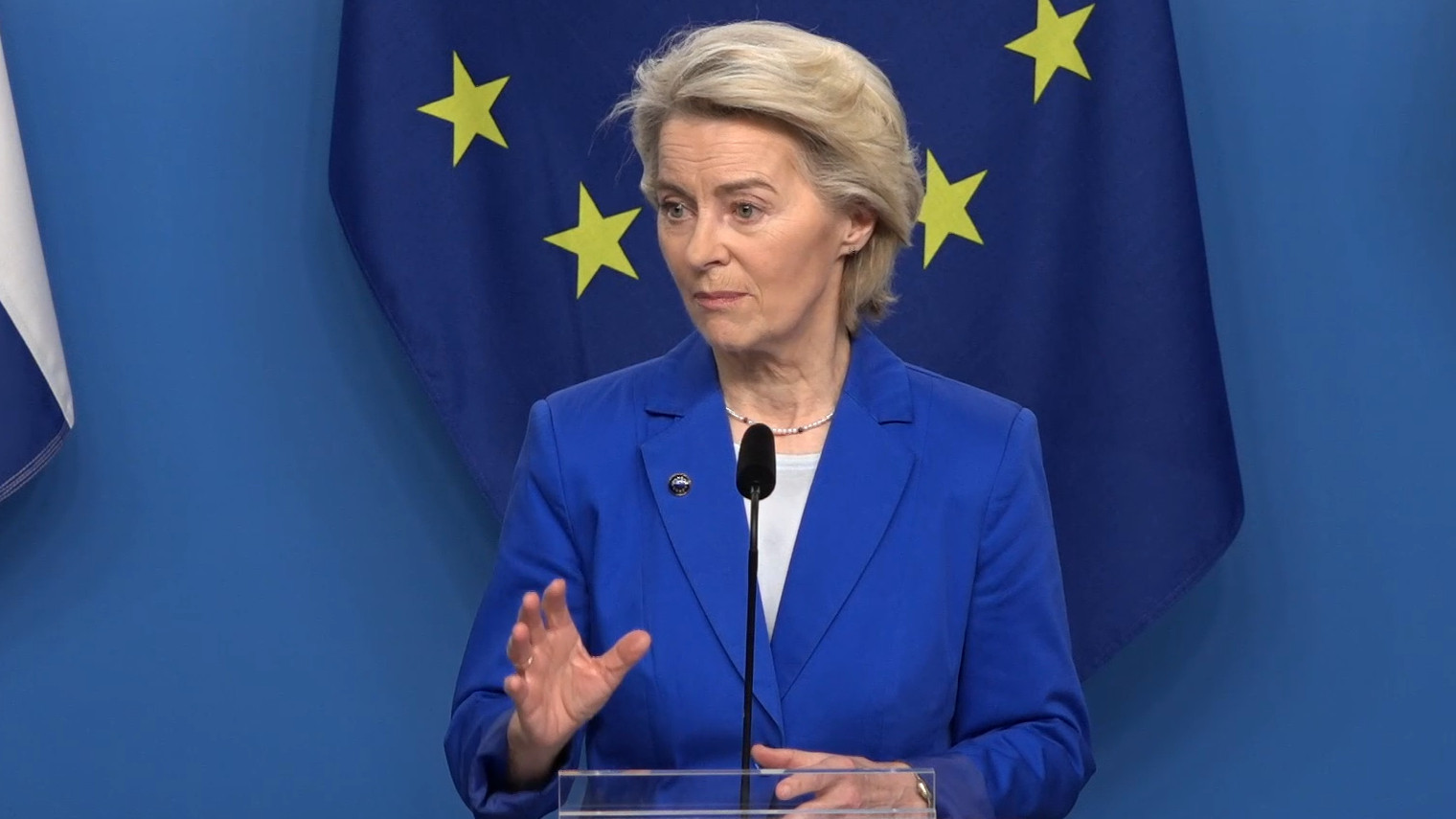
Another who is said to have found an alternative solution is Hungary’s commissioner Olivér Várhelyi, who sometimes reportedly chooses to travel to Strasbourg in a traditionally powered minibus with his team instead of in the official service car.
New electrification plan coming
Despite the criticism, the Commission is expected to present a new, aggressive electrification plan already in July, with even higher ambitions for switching away from fossil fuels. The message from Brussels remains clear: Europe’s future is electric.
READ ALSO: Researchers: No noticeable emission reductions with electric cars
But the question remains whether the enthusiasm is just as strong when the policymakers themselves are forced to wait at a charging station, sometimes in the middle of the night, on the way between Brussels and Strasbourg.