
Ericsson is relocating its headquarters from the multicultural district of Kista to Hagastaden. The telecom giant announced the move in a press release on Monday.
It’s not just the headquarters, but the entire company’s operations that will be leaving Kista. The process of moving employees is expected to begin in 2028 and take several years to complete.
Ericsson’s current operations in Kista include research and development, business areas, support functions, and the Imagine Studio, where Ericsson showcases its technology, meets and collaborates with customers, partners, key decision-makers, the industry ecosystem, and hosts events.
The move is said to contribute to creating modern and attractive office spaces designed for collaboration and to compete for future talent. For five properties totaling 71,000 square meters in Hagastaden, rental agreements have been signed with Atrium Ljungberg and Castellum.
READ ALSO: VIDEO: See the immigrant chaos in Kista Galleria – furniture and porcelain fly
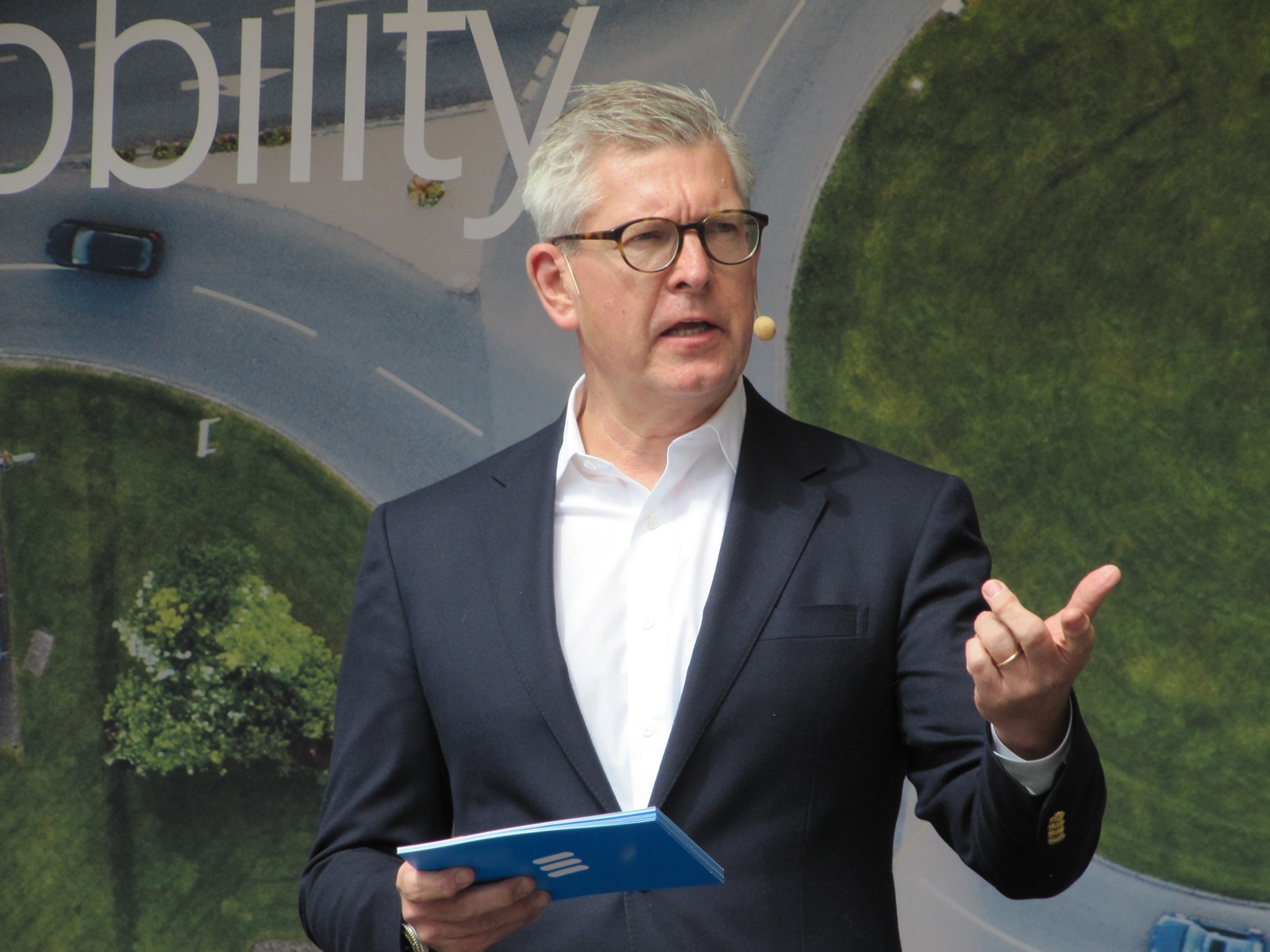
According to Ericsson’s CEO and president Börje Ekholm, Hagastaden is an ideal location for the company.
– We have carefully evaluated what type of office and location will best meet the company’s and our employees’ future needs in the Stockholm area. Hagastaden is clearly the best place for this, situated in the heart of Stockholm’s network for technology collaboration and innovation, with excellent access to our changing industry ecosystem, partners, and decision-makers. A vibrant central campus will also strengthen our appeal to the best future talents, he says.
READ ALSO: Ericsson has terminated offices in Kista
Although Ericsson has signed rental contracts in Hagastaden, the company has yet to finalize the design of the area to complete the new campus.
– The new Ericsson campus in Hagastaden will be an excellent workplace designed to encourage collaboration and innovation. The campus will also serve as a showcase for our :censored:6:cdd6bbaa89: customers with Ericsson as part of the energetic city life in Stockholm.
Staff Feel Unsafe
Already in October 2024, reports emerged that Ericsson was considering moving its headquarters from Kista, and at that time the pointed reason was increased insecurity in the area, with staff feeling unsafe.
The situation was so serious that employees were sometimes escorted by security staff to the subway in the evenings.
Per Norlander, corporate negotiator for Sveriges Ingenjörer at Ericsson Sweden, confirmed that the issue of new premises comes up regularly and that “it’s because the area around Kista is a bit rundown.”
READ ALSO: Companies are struggling to recruit – Sweden’s image scares them off
– The staff experience insecurity before and after normal working hours and it can be tricky to attract high-profile talent out there. We also had a wave of robberies a few years ago, he told Dagens industri.
A few months later, in January 2025, it was confirmed that Ericsson had terminated its offices in Kista.
District in Decline
In November 2025, Samnytt published a longer report about and from Kista, which is surrounded by areas classified as particularly vulnerable. The district developed during the 1970s and 80s. In the late 1970s, companies like IBM moved there and what was then SRA and RIFA AB – later parts of the Ericsson Group – helped lay the foundation for an emerging technology cluster.
During the 1990s and 2000s, the area was marketed as “Kista Science City,” Sweden’s answer to Silicon Valley. But today the reality is different.
READ THE REPORT: Kista: This is where Sweden was supposed to build the future – now companies and Swedes are fleeing
Facts about Hagastaden
Hagastaden is a new district emerging between Stockholm and Solna, in the area around Karolinska and Norra Stationsområdet. The project is one of the largest urban development initiatives in Sweden and aims to connect the city center with Solna through new housing, workplaces, parks, and public transportation.
The area has a strong profile in research, healthcare, and life science, thanks to its proximity to the Karolinska Institute and Karolinska University Hospital. There are modern offices, laboratories, and companies in medicine and technology, while thousands of new apartments are being built to create a vibrant district offering both work and everyday life.
Hagastaden is characterized by modern architecture, dense city blocks, and investments in sustainability. The large city park Norra Stationsparken and the new subway station at Hagastaden are key elements in the development. The area has quickly become an important symbol of a growing and more interconnected Stockholm.