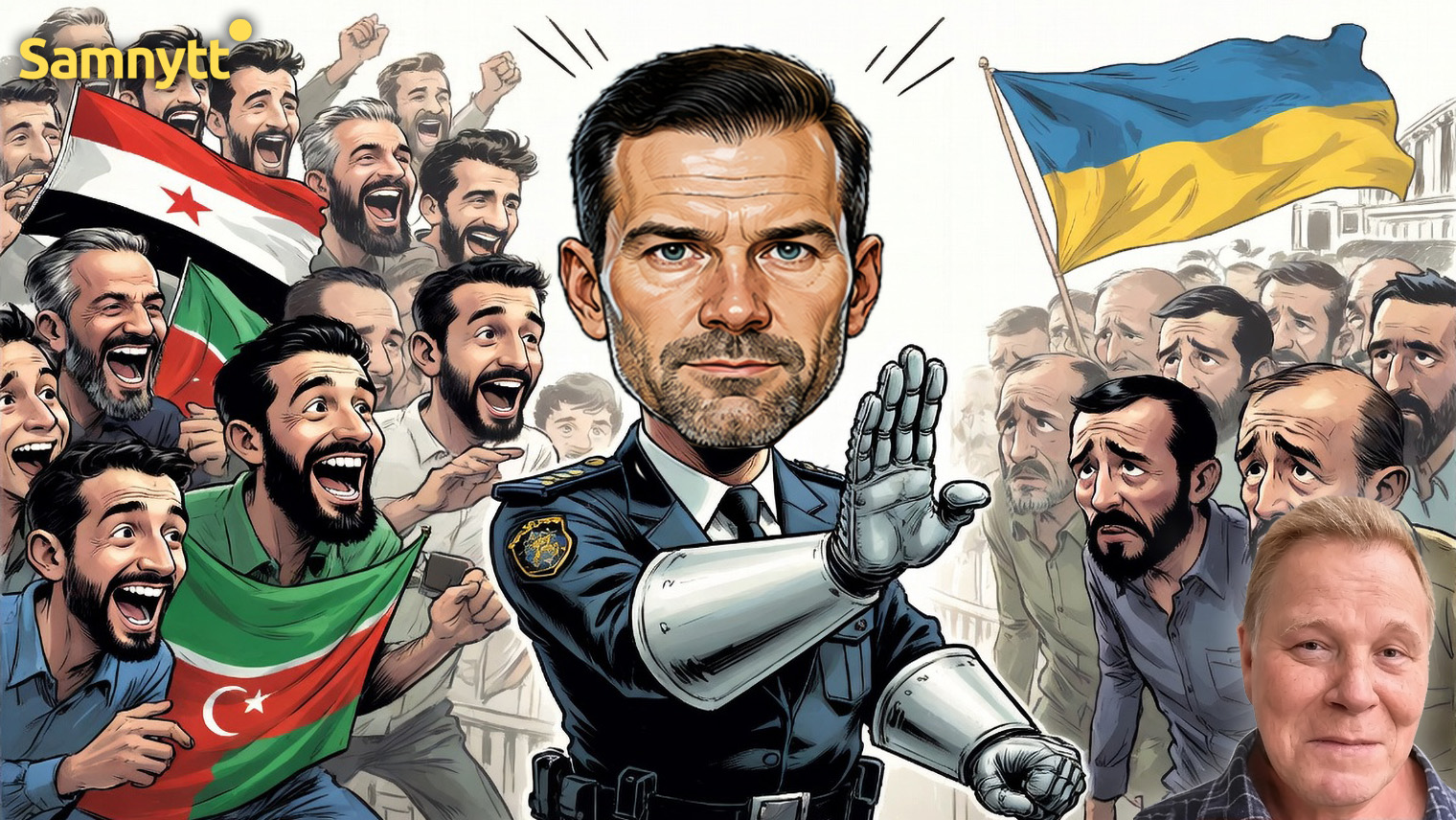
EDITORIAL • Minister for Migration Johan Forssell (M) has attracted attention by arguing that Ukrainian men should be forced to remain in or return to Ukraine to fight. The war must be fought and won; therefore, measures against men fleeing the war are justified, according to him. This stance is in stark contrast to the rest of the asylum policy. Is it only legitimate to flee from certain wars and desert in the case of others?
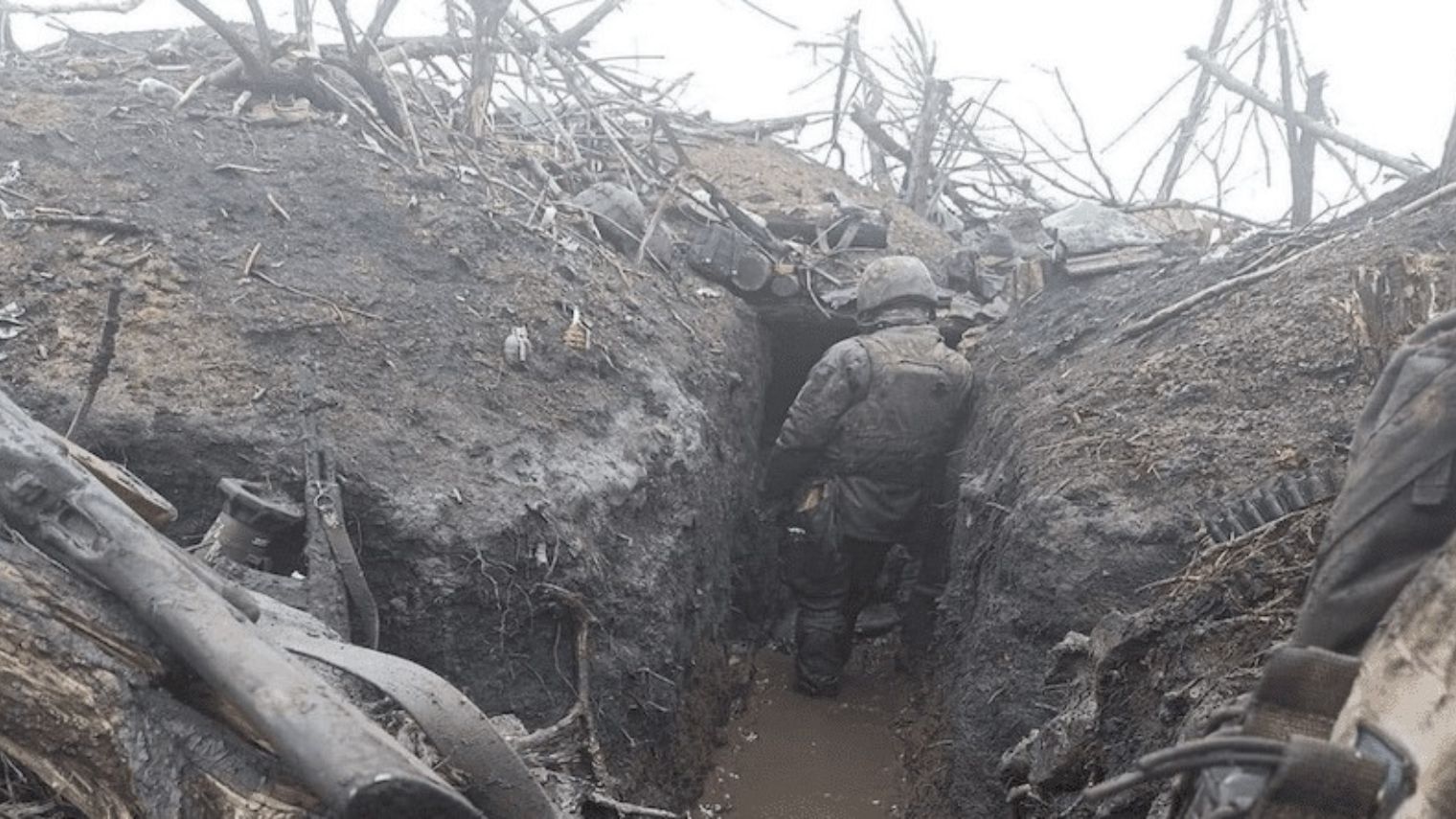
The same week Forssell spoke out, SVT reported on Ukrainian men trying to escape mobilization as cannon fodder in the war of attrition against Russia— likened by some to a “meat grinder.” State TV interviewed a man waiting for the right moment to leave the country. He said he has friends who returned from the front as invalids and that he does not know how long he would be forced to serve if he were mobilized.
SVT also described how videos are circulating on social media showing men being seized and removed from streets and public places in Ukraine for forced mobilization into the army and sent to the front. At the same time, millions of Ukrainians are said to be trying to avoid conscription, with tens of thousands having fled across the border into the EU.
Trying to understand the individual Ukrainian man’s situation is not siding with Russia. He does not want to die. He does not want to be maimed. He does not want to spend years at the front in a war whose end neither he nor anyone else can foresee. Historically, this has been the very heart of what millions seek protection from.
READ ALSO: Sweden’s government: Ukrainian men are not allowed to flee – they must fight and win against Russia
But apparently, not this time. In the Ukraine war, voices have been raised to welcome Russian deserters as refugees in Sweden. But a Ukrainian deserter is portrayed as a traitor to be stopped and sent back.
When Flight from Military Service Has Been Accepted
For a long time, Sweden has recognized identical motives as those given by the Ukrainian man in the SVT story as legitimate grounds for being granted asylum. That is why Forssell’s rhetoric really stands out.
Eritrea is perhaps the clearest example. Hundreds of thousands of Eritreans have been granted residence in Europe, not least in Sweden, because the country’s national military service has been considered forced, excessively lengthy, and refusal associated with the risk of reprisals. Avoiding service has been deemed grounds for asylum in Sweden.
This has also been a reason why many serious criminals from Eritrea have avoided deportation—citing military service.
Syria is another example. During the civil war against the Islamic State (IS), refusal to serve in the military for the Assad regime was often seen as a form of political opposition. Those at risk of being forced into active combat or punished for refusal were in many cases considered to have the need for protection sufficient to receive sanctuary in Sweden. This, despite the fact that the vast majority on the opposing side were Islamist terror groups.
But then, Syrians were not required to remain and fight to win the war—or even return when the fighting stopped to help rebuild their country.
This does not mean that every person who refuses conscription should automatically have the right to asylum. But it shows that Swedish and European law have long taken matters of conscience seriously. The state’s need for soldiers at the front has in migration debates never outweighed the individual’s right to flee and not participate in war.
A Different Reasoning Now
But now the rhetoric is different.
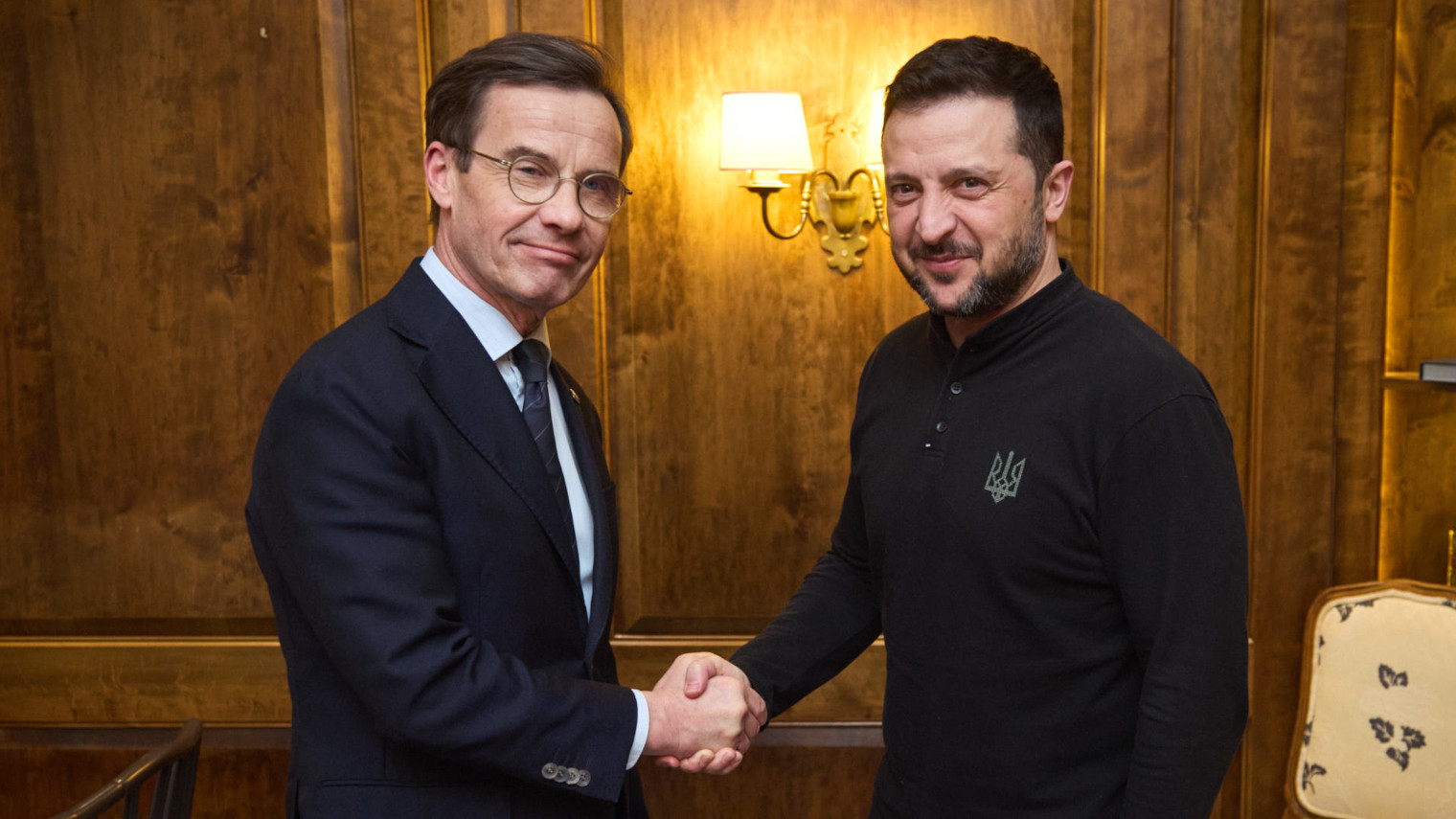
– It is crucial for us to provide Ukrainians with protection, but at the same time, the war must be fought and won, Johan Forssell said according to the British The Guardian, and continued:
– For this to be possible, more men must stay in Ukraine and fight.
The question must therefore be asked: If it was understandable that young Syrians did not want to fight for Assad, why is it suddenly self-evident that young Ukrainians should fight for Volodymyr Zelensky?
Moreover, it is a war that increasing numbers, including Britain’s former Prime Minister Boris Johnson and US Secretary of State Marco Rubio, describe as a proxy war between the West and Russia.
If Eritreans could be granted protection because they did not want to submit to the state’s demands for military service, why are Ukrainian men met with the argument that they are needed at home at the front? If an Afghan fleeing the Taliban is not expected to return to join armed resistance, why should the Ukrainian be pressured to do so?
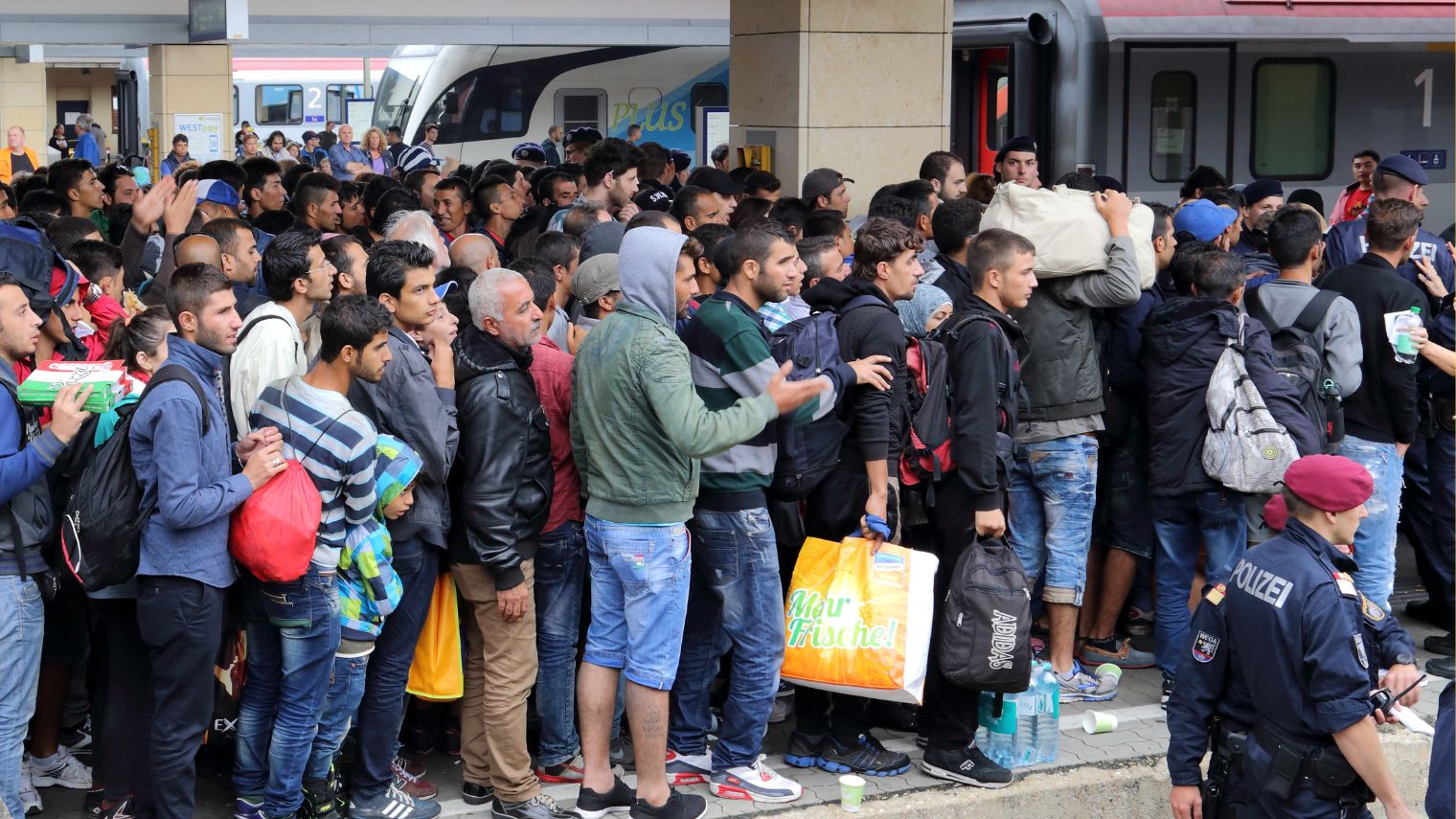
During the 2015 migration crisis, it was repeatedly argued that people fleeing war should not be blamed for wanting to save themselves and their families. When young men from Syria arrived in Europe, few established politicians demanded that they return to defend Aleppo, Homs, or Damascus.
On the contrary, it was emphasized that no one can be required to show such heroism and self-sacrifice, that no one can be forced to sacrifice their life for the nation. This applied not just to women and children, but also to the majority of young men who came. Now, we hear a very different message.
READ ALSO: Shortage of men – now women are to fight for Ukraine
Suddenly, discussions are about how to make Ukrainian men stay and those who have already fled return. Suddenly, their military value has become a factor in immigration policy. Suddenly, this trumps refugee conventions and the right to asylum.
Suddenly, the men’s flight is not seen as a human choice or right but as a problem and a betrayal, because Ukraine needs more soldiers. The difference in rhetoric is striking.
Only Some Obliged to Fight for Their Country?
Behind all this lies a deeper moral question. Does anyone have a duty to sacrifice their life in a war? Many answer yes. Nations cannot defend themselves without soldiers. If everyone flees, there is no country left to defend.
But the same logic should reasonably apply everywhere. Those who believe Ukrainians have an obligation to stay or return and fight should also be prepared to say that Syrians, Eritreans, Afghans, and other war refugees should have done the same to defend their homelands.
Refugee flows from war-torn regions have been dominated by men of fighting age. If the principle is that these men have the right to flee from war, forced mobilization, and the risk of death, that principle should reasonably apply to Ukrainians as well.
Ukraine vs Russia – A War of Prestige
A plausible explanation is that the war in Ukraine has taken on special status in the West. European and American leaders have described Ukraine’s struggle as decisive not only for the country itself but for all of Europe’s future. Former Prime Minister Fredrik Reinfeldt—well known for his pro-immigration stance—put it as Ukrainians, both men and women, falling for their own freedom but also for Western values. He has never applied the same responsibility to people of other nationalities.
READ ALSO: Reinfeldt: “Ukrainians need to die for their freedom”
The Ukrainian man is expected not only to defend his own country but also to serve as a pawn in Europe’s security and political project. It is easy to talk about sacrifices when others are expected to make them.
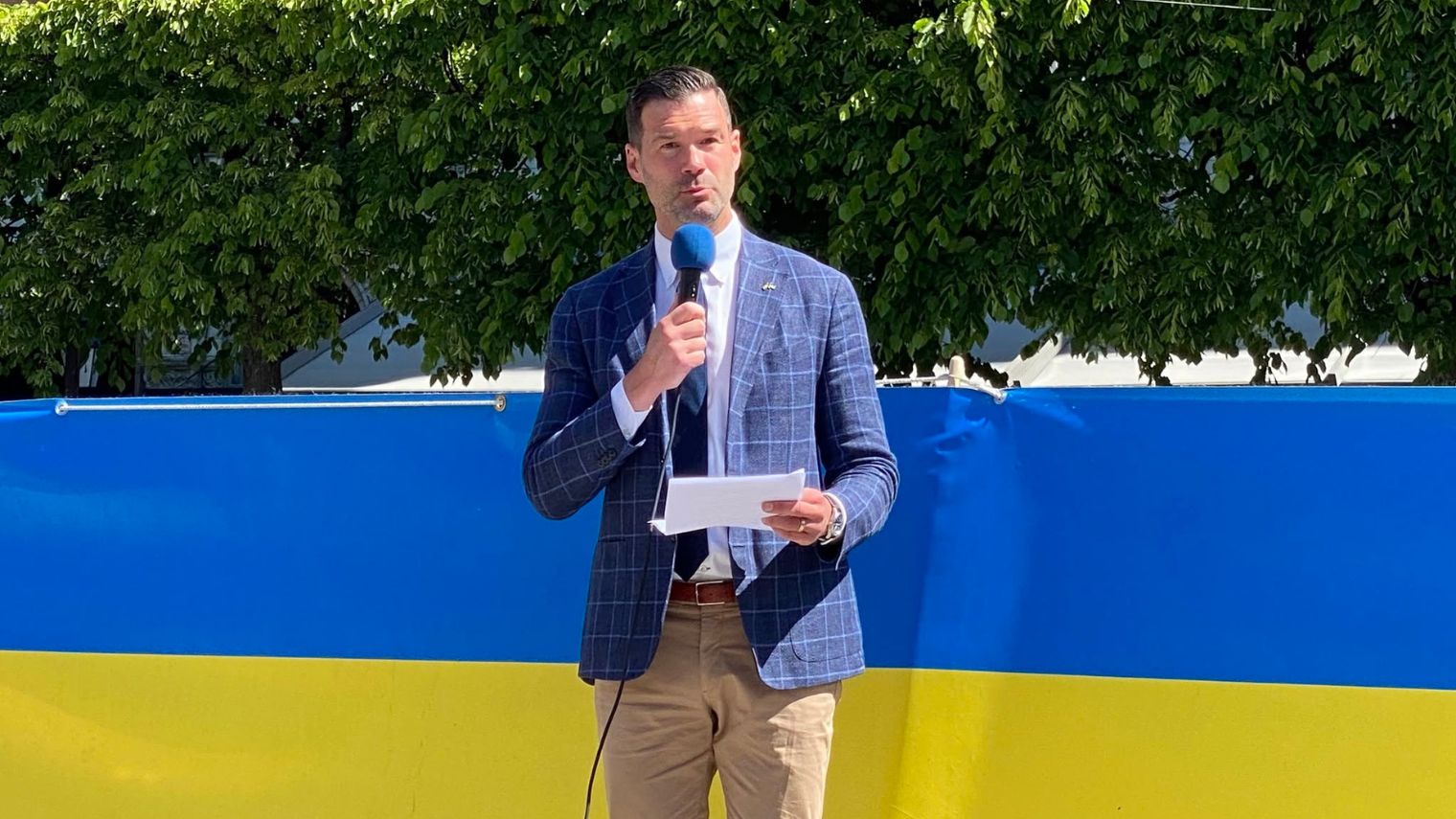
Migration Minister Johan Forssell is unlikely to set a good example and volunteer for a term of service in Ukraine’s defense. That would surely be expected if he believes it is our country’s and our continent’s security at stake. It should not be a responsibility that falls solely on Ukrainians.
Possible to Hold Two Thoughts at Once
It is perfectly possible to support Ukraine’s right to self-defense while also defending the individual Ukrainian’s right to escape war just like anyone else. Ukrainian men have shown a strong willingness to defend their country since the war began. In contrast to refugee flows from other parts of the world, it is mainly women and children who have come from Ukraine.
Yet, Ukrainian men are now being blamed, exhausted after years of “meat grinder” and a war that many observers believe cannot be won, one where growing numbers argue that peace negotiations with territorial compromises should have been put on the table long ago to save millions of lives, enormous devastation, and countless billions in European taxpayers’ money.
The problem arises when principles change depending on who the refugee is—or rather, which war he is fleeing and what side he is on. What has been previously presented as an individual’s humanitarian right appears to be geopolitically conditional.
But either fleeing from war, mobilization, and death is a legitimate reason for seeking protection and asylum. Or it is not. If the principle is to be credible, it must be applied consistently.
What has been considered human and understandable for Syrians, Eritreans, Afghans, and a long list of other nationalities cannot suddenly become morally unacceptable when it comes to Ukrainians.
A refugee cannot one day be described as a victim of war and the next as a soldier who ought to return to the front. The refugee and the soldier are two different roles. The question is which of these Minister Johan Forssell believes the Ukrainian man should have.
READ ALSO: Minister silent about Arab chaos – but wants to deport nuns who sell mittens and Christmas goods