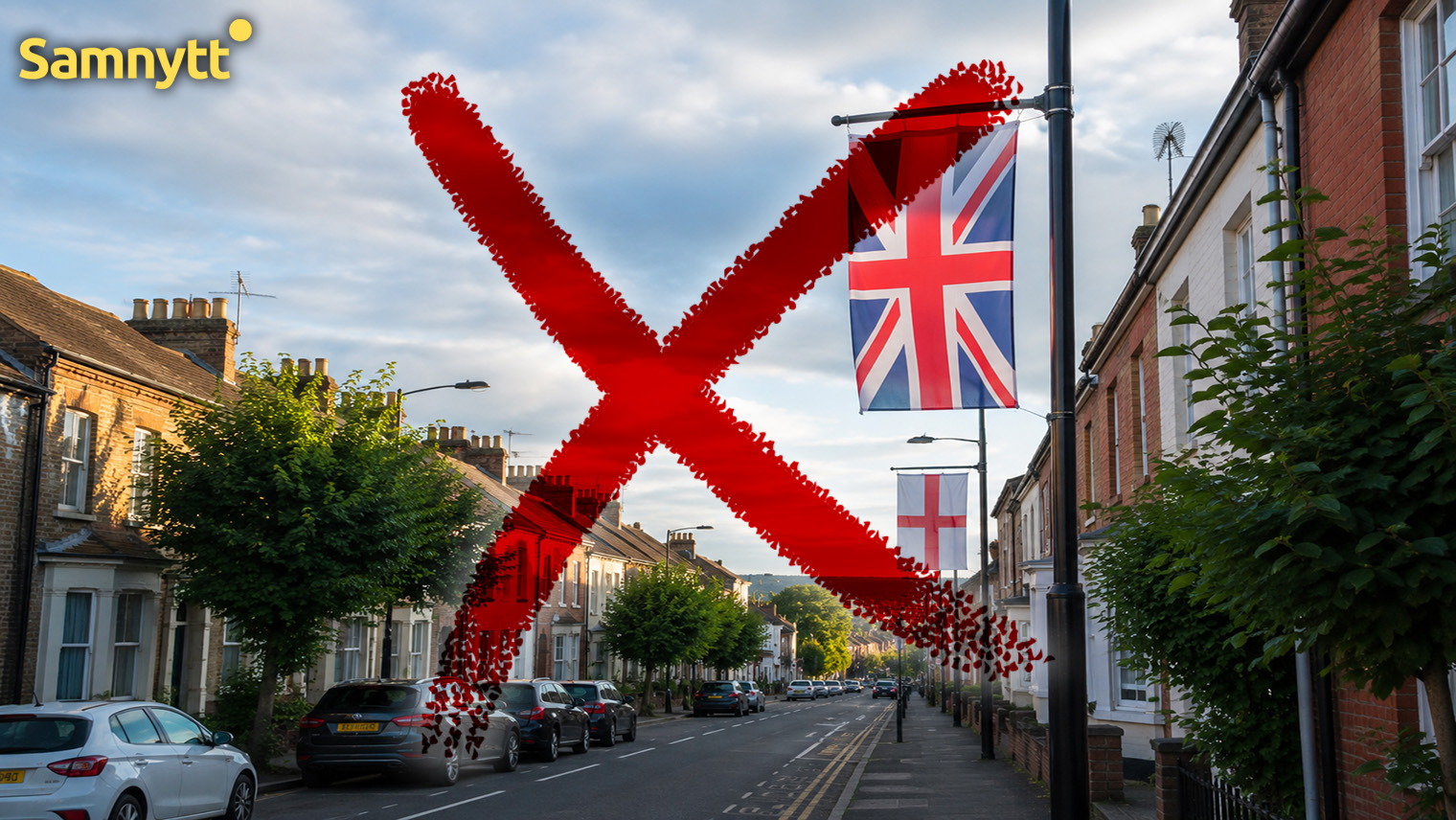
A court in the United Kingdom has decided to prohibit the unauthorized display of British and English flags on lamp posts and other public road infrastructure in Oxfordshire. The decision follows a prolonged conflict between the Liberal Democrat-led region and activists behind the campaign Raise The Colours. The municipality cites traffic safety, encroachment on public property, and threats to staff, while critics argue that the decision risks restricting patriotic expressions.
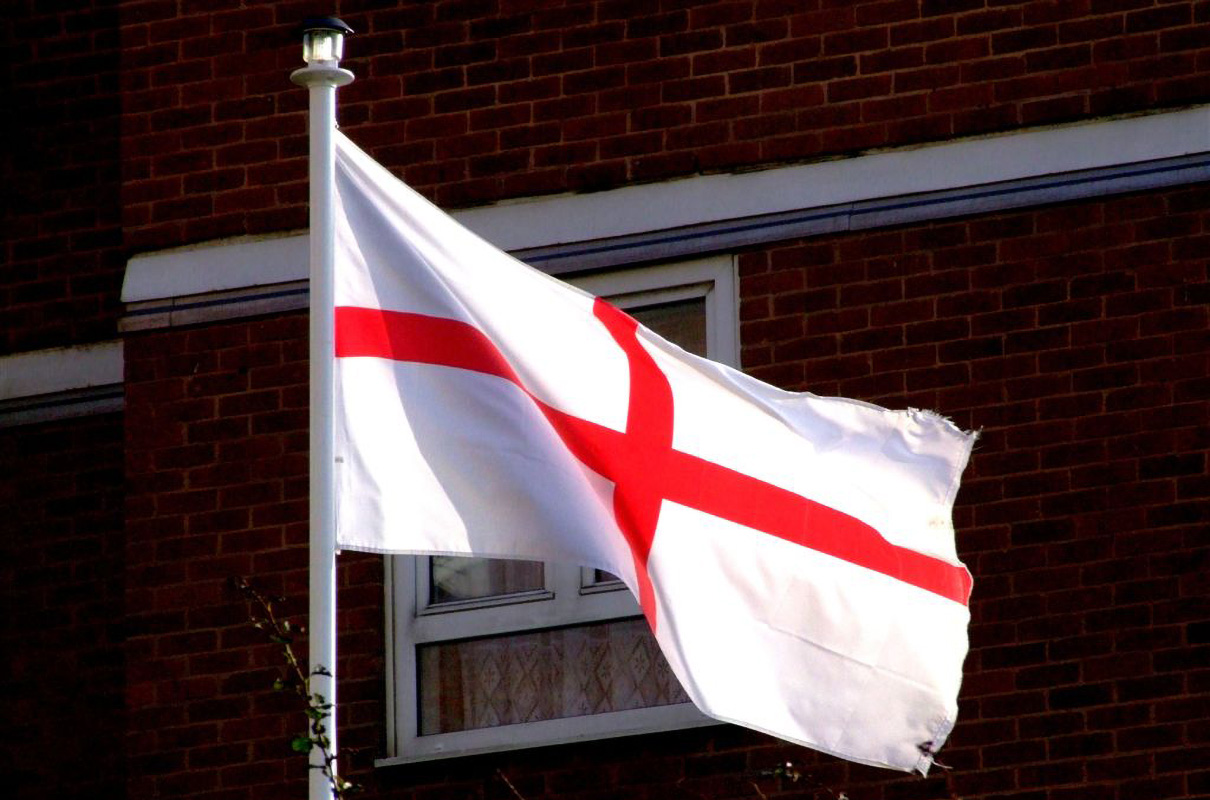
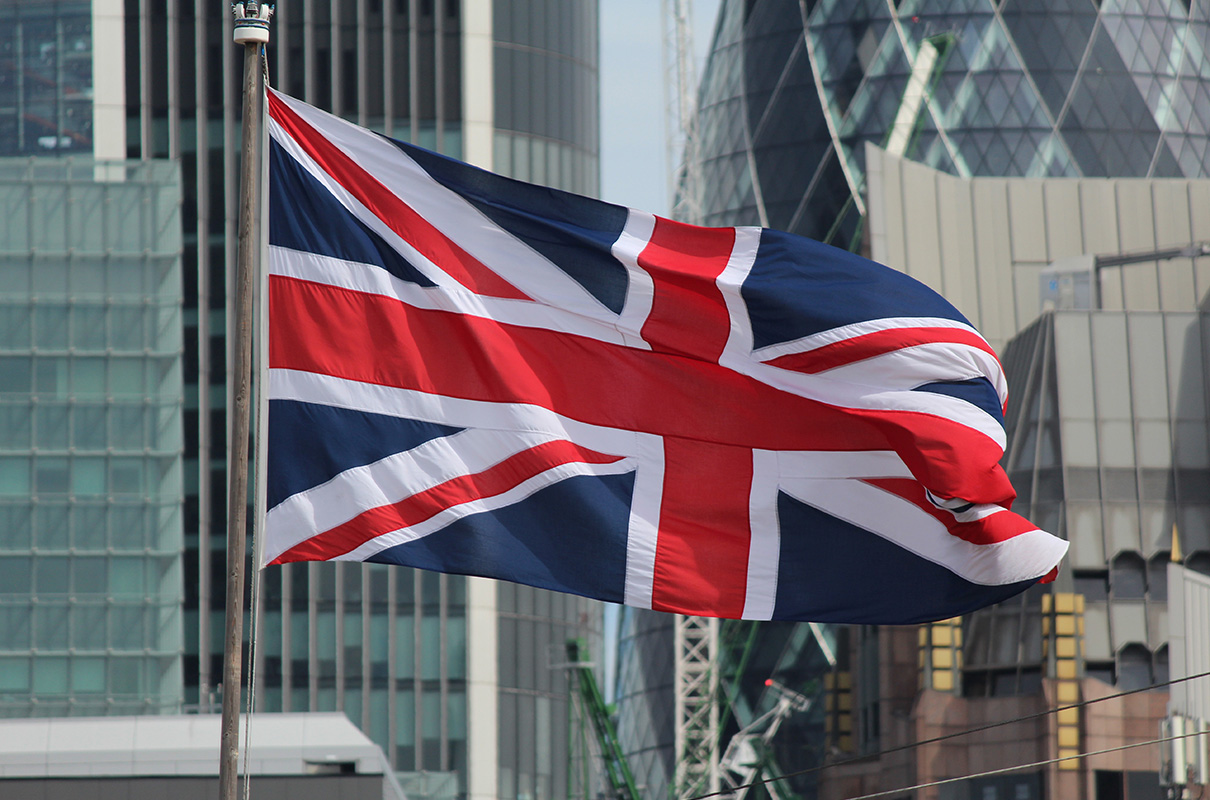
The High Court of Justice (not to be confused with the UK Supreme Court) has issued an injunction locally banning unknown individuals from putting up St George’s Cross (the national English flag) and the Union Jack (the British union flag) on lamp posts and other roadside equipment, as well as from painting flag motifs on roads in Oxfordshire.
The background is the Raise The Colours campaign, whose supporters have regularly placed English and British flags along roads throughout the county since the summer of 2025. The local authority applied for the injunction citing traffic safety, unauthorized use of public property, and difficulties in taking down the flags.
Judge: Flags Continued to Be Put Up
Judge Dexter Dias states in his decision that the council repeatedly removed the flags but new ones were quickly put up. He writes that there is no prospect of the activity stopping without a court decision.
The judge also points out that many of those who participated in the campaign remain unknown, which is why the injunction was directed at both named and “unknown persons.” Anyone who violates the decision risks fines, confiscation of assets, or imprisonment.
Staff Reported Being Threatened
According to the court, local authority employees and contractors who removed the flags were subjected to threats and harassment. The verdict describes how, according to the council, staff were forced to wear face masks to conceal their identities and to check their vehicles for suspected tracking equipment. In addition, an employee’s home address was reportedly published.
READ ALSO: English flag taken down – considered a threat
The judge claims that maintenance staff at times worked in fear and that even residents in the area reportedly faced threats or harassment linked to the conflict.
Several Activists Subject to the Order
After a previous court hearing, three individuals connected to Raise The Colours – Ben Cullen, Trudy Wells, and Ryan Bridge – promised not to participate in further flag actions. A fourth activist, Kevin Good, is subject to a special injunction.
The BBC also reports that some activists are under investigation after filming inside the Royal Courts of Justice during the hearings. This is not permitted.
Council: Ban Does Not Apply to Private Flag Flying
Oxfordshire County Council estimates that it has so far spent about £80,000 on removing the flags and a further £40,000 on the legal process. Council leader Tim Bearder welcomes the ruling and says it may be significant for other parts of the country as well.
He describes those involved as “challenging people, not patriots.” At the same time, the council emphasizes that the decision does not prevent residents from flying British or English flags on their own property. On the contrary, the council points out that both Union Jack and St George’s Cross fly at County Hall and that it supports residents’ rights to display flags on private land.
A Politically Charged Issue
The issue of the flags has become politically contested in the UK over the past year. Proponents see the campaign as an expression of patriotism and national identity, while critics argue that it has in some cases been linked to xenophobic currents.
???????? PICTURED: Robert Jenrick joins the Raise the Colours campaign pic.twitter.com/YcIoGUe7cq
— Politics UK (@PolitlcsUK) August 21, 2025
However, the court’s decision does not take a position on the symbolism of the flags or on patriotic expressions as such. The ruling concerns whether it is legal to use public road infrastructure for organized flag actions without permission.