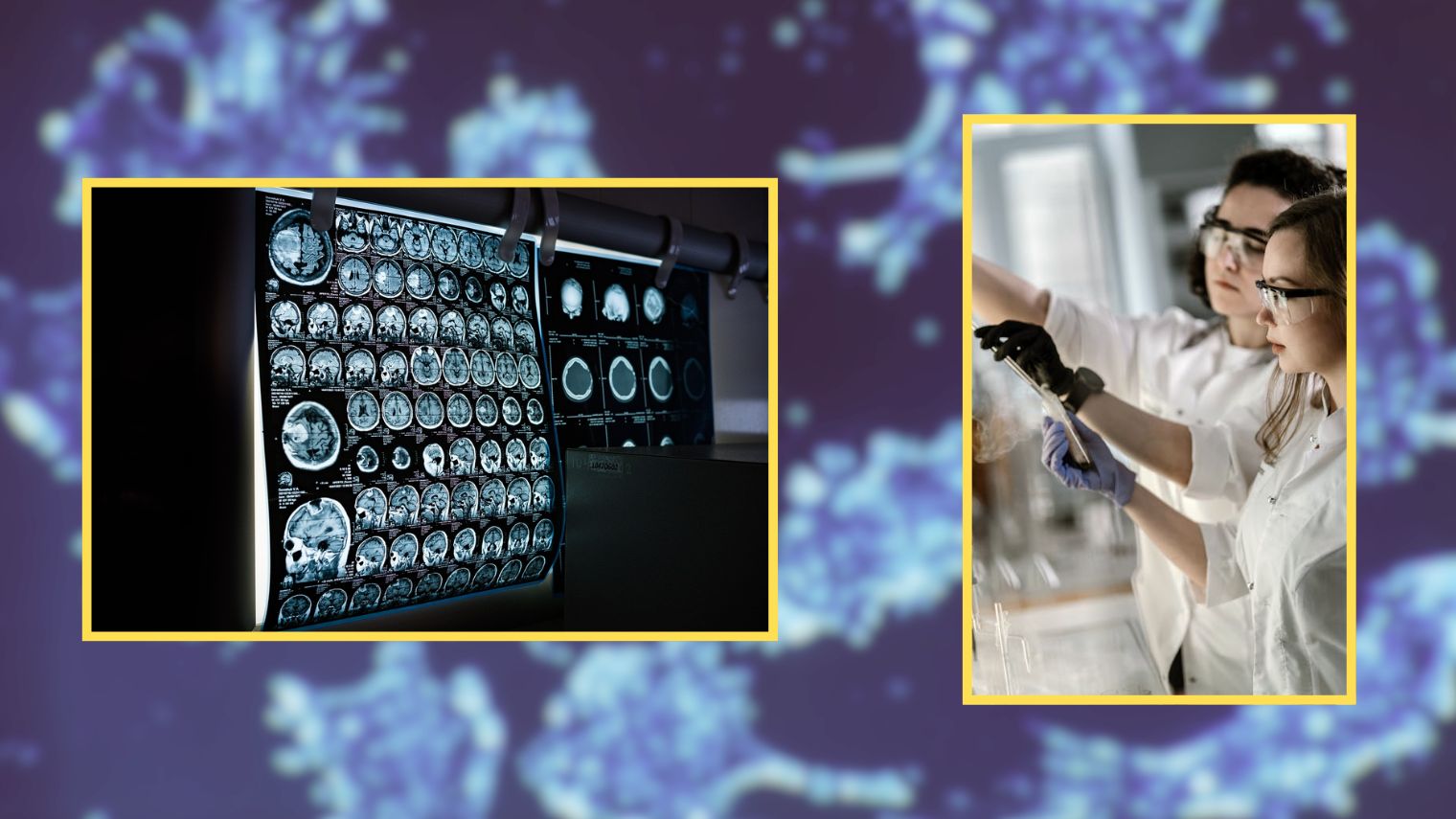
For a long time, DNA damage was pointed out as the primary cause of cancer, but now it has become clear that this theory is flawed and the causes lie elsewhere in the body. The hope is that this realization will lead to better and more effective treatments.
Around ten million people die from cancer every year, and researchers thought they had found the answer to its cause in the accumulation of damage to the body’s DNA. But now, new research suggests that may not actually be the case after all.
A phenomenon that has previously been overlooked plays an important role in the development of cancer and could completely change the way it is treated. According to Illustrerad Vetenskap, it has now been established that cancer arises when the body’s cells lose control over their growth.
READ ALSO: Preservatives in food linked to diabetes and cancer – researchers warn
Unlike normal cells, which only divide when the body needs it, cancer cells continue to divide uncontrollably, eventually forming what becomes a tumor. When they break away from the original tumor, they can reach vital organs like the lungs, liver, or brain, where they grow and can lead to new tumors.
It is the combination of aggressive growth, spread, and resistance to the body’s immune system that makes cancer such a dangerous disease and also so difficult to treat.
Not Just Mutations
One of the researchers who has questioned the classic view of cancer as a genetic disease is cell biologist Elaine Fuchs at Rockefeller University in New York, who has been able to see that cancer cells are driven by more than just mutations.
Despite identical mutations, cancer cells from the same tumor can develop very differently depending on their environment—they can be aggressive and form metastases in one type of tissue or remain inactive in another.
This suggests that mutations alone are not enough to drive the development of cancer; instead, cancer arises when mutated cells receive specific signals or are influenced by their surroundings. The importance of the cells’ environment for cancer development may also explain why certain environmental factors can be carcinogenic.

While the sun’s UV light can cause direct DNA damage and lead to mutations, things like air pollution, hormone-disrupting substances, infections, diet, and lifestyle can instead affect the body in many different ways and risk changing the environment around the cells—which in turn can lead to cancer.
According to Elaine Fuchs, some of the most important cancer-promoting signals do not come from outside, but from our own immune system. When an injury occurs, the body’s immune cells trigger inflammation to repair the damage. This process is controlled by cytokines, powerful signaling molecules that attract immune cells and give them access by widening blood vessels, help destroy harmful microorganisms, coordinate the removal of dead tissue, and stimulate the formation of new tissue.
Painkillers
In most cases, inflammation is a healthy and natural process that heals injuries, but inflamed tissue also contains potent molecules such as cytokines and byproducts of the healing process, which have been shown to contribute to the development of cancer.
Among other things, inflammation leads to an abundance of so-called free radicals that attack the cells’ DNA. This can disable cancer-suppressing genes, causing the cells to suddenly develop into cancer cells.
The latest research has shown that inflammation can almost brand the affected cells so that even many years later they have an elevated risk of developing cancer.
As inflammation promotes cancer, researchers are highlighting the possibility of new treatments that break down the inflamed environment around the cells—a condition that tumors use to grow and resist treatment.
A new promising drug in this context is aspirin, which can also reduce inflammation in muscles and joints. Already, there are several studies suggesting that aspirin may help prevent and treat cancer.
READ ALSO: Researchers: More than one-third of cancer cases can be prevented